

 プレビュー
プレビュー
 シェアする
シェアする シェアする
シェアする
 詳細を見る
詳細を見る

 ダウンロード
 似ている作品
 X線調査
X線調査 スライドショー
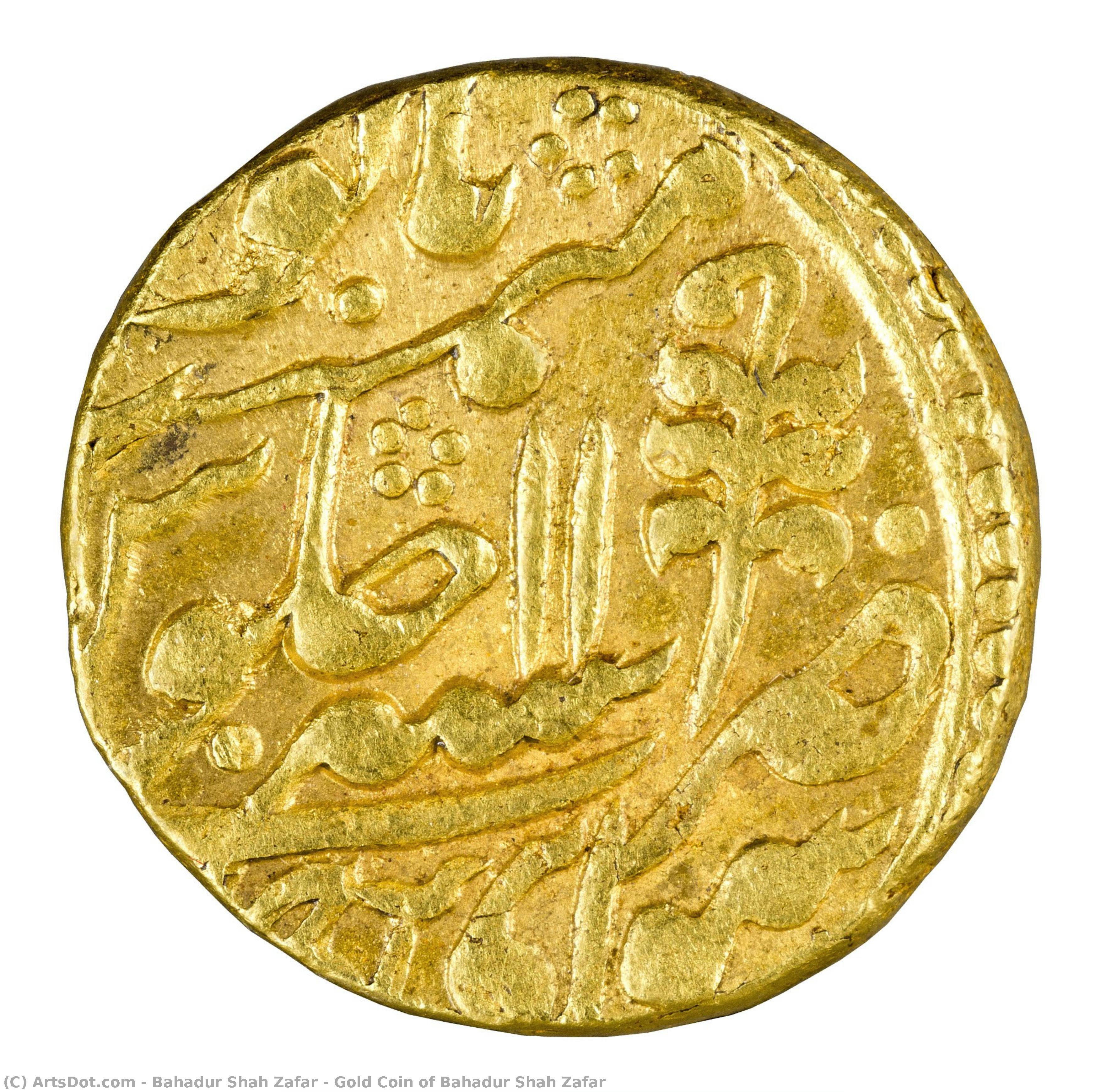
Gold Coin of Bahadur Shah Zafar


 詳細を見る
詳細を見る
ジークレー/アートプリント
迅速な制作と多彩な仕上げオプションを備えた、ミュージアムクオリティのジークレーまたはキャンバスプリント。 ( 手描きの絵画を購入 画像を購入)




P118B $10

P118H $10

P118W $10

P438Z $10

P508JH $12

P508YH $12

P805H $10

P805Z $10

P919BZ $10

P919G $10

P919XJ $10

P959ZH $10

P968JZ $12

W106C $8

W218G $10

W218JH $8

W218Y $10

W307PJ $10

W316G $10

W316PJ $8

W316Y $10

W398PJ $8

W4111J $10

W500HY $15

W500JH $15

W692G $12

W849H $8

W940BG $15

W953PJ $8




作品のオリジナル比率に合わせた、当店の規定サイズからお選びください。

特定のフレームやスペースに合わせて、ご自身でサイズを指定することも可能です。選択されたサイズが元の画像の比率と一致しない場合、作品をトリミングするか、鏡面反射または単色での塗りつぶしによって画像を拡張いたします。制作を開始する前に、ご確認用のデジタルモックアップをお送りいたします。
画面上のプレビューには、実際のトリミングや拡張は反映されませんのでご注意ください。最終的な構図を正確に確認できるのは、モックアップのみとなります。
カスタムサイズも承っておりますが、元の比率を維持するためには、あらかじめ用意されたリストからサイズを選択することをお勧めいたします。


 ガラスオプションは、110cm未満のサイズでのみご利用いただけます。

Gold Coin of Bahadur Shah Zafar
ジークレー/アートプリント
複製画のサイズ
-


合計金額
$ 62
A Glimpse into Imperial India – The Gold Coin of Bahadur Shah Zafar
The image before you captures more than just a gold coin; it’s a tangible fragment of a bygone era, a whispered echo of the last Mughal Emperor and his tumultuous reign. This intricately designed piece, depicting the profile of Bahadur Shah Zafar, isn't merely a monetary object but a miniature historical record, a testament to artistry and political upheaval within the vibrant tapestry of 18th-century India. The coin’s weathered surface speaks volumes – it has witnessed centuries, bearing the subtle marks of time and handling, lending an undeniable sense of authenticity and connection to its past.
The craftsmanship is immediately striking. The central portrait, rendered with remarkable detail for its size, showcases Zafar's regal features—a strong jawline, a thoughtful gaze, and the subtle ornamentation characteristic of Mughal imperial iconography. Surrounding this central figure are Arabic inscriptions, likely detailing the coin’s minting date (1274), the emperor’s title, and perhaps even auspicious blessings. The use of raised lettering and meticulously applied borders demonstrates the skill of the goldsmith and the importance placed on both function and aesthetic appeal in Mughal coinage.
The Emperor and His Legacy
Bahadur Shah Zafar (1775-1862) was a complex figure, a poet, calligrapher, and ultimately, the last sovereign of the once-mighty Mughal Empire. Born Mirza Abu Zafar Sirajuddin Muhammad, he ascended to the throne in 1837 following the death of his father, Akbar II. His reign, though brief, marked a poignant transition – a final, flickering ember of an empire that had already begun its decline. He was known by his pen name, Zafar, meaning “Victory,” a title tragically ironic given the circumstances of his exile and eventual demise.
The coin’s creation occurred during a period of immense political change. The British East India Company's influence was steadily tightening its grip on India, leading to widespread unrest and ultimately, the Sepoy Mutiny of 1857. Zafar’s role in this uprising, though largely symbolic, cemented his place as a symbol of resistance against colonial rule. The coin itself can be viewed as a subtle assertion of imperial authority amidst growing instability – a reminder of the Mughal dynasty's past glory even as it faded into memory.
Symbolism and Artistic Technique
Beyond its historical significance, the coin is a remarkable example of Mughal artistic technique. The gold itself—a precious metal signifying wealth and power—is expertly worked to create a smooth, lustrous surface. The intricate details of the portrait are achieved through a combination of repoussé (hammering from the reverse side) and chasing (using tools to raise or lower the metal's surface), techniques that demand considerable skill and patience. The stylized floral motifs adorning the borders—often found in Mughal art—add an element of elegance and refinement, reflecting the empire’s appreciation for beauty and ornamentation.
The coin’s design also incorporates elements of Islamic symbolism. Geometric patterns and calligraphy are frequently used to convey religious messages and honor Allah. The use of Arabic script not only provides information about the coin but also reflects its connection to a rich cultural heritage.
A Window into the Past – Reproduction Possibilities
Reproductions of this extraordinary coin offer a unique opportunity to bring a piece of Mughal history into your home or office. When selecting a reproduction, consider the materials used—high-quality resin or metal are essential to capture the coin’s original luster and detail. The level of craftsmanship in the reproduction should be comparable to the original, ensuring that it accurately reflects the artistry and historical significance of this remarkable artifact. This piece serves as a beautiful reminder of India's rich past, inviting contemplation on its emperors, its art, and its enduring legacy.
関連作品



アーティストの略歴
early life and reign
bahadur shah zafar, also known as bahadur shah ii, was the last mughal emperor of india, born in delhi, india in 1775. he was the second son of emperor akbar ii and became emperor in 1837 after his father's death.artistic pursuits
apart from being a ruler, bahadur shah zafar was a well-known poet and calligrapher, known by his pen name zafar. his artistic talents are a testament to the cultural richness of the mughal empire.notable artworks
although primarily known for his poetic works, bahadur shah zafar's artistic endeavors can be seen in various forms. unfortunately, due to the passage of time and historical events, many of his artworks are not readily available. however, his legacy lives on through his writings.- important note: as a poet, bahadur shah zafar's works are more prevalent in literary archives rather than art collections like ArtsDot, which focuses on visual arts.
- for enthusiasts of mughal art, ArtsDot offers a wide range of artworks from the mughal period, including paintings and sculptures. explore the mughal art movement to discover more about this fascinating era.
- visit the wahoo art timeline for a detailed overview of art history, including the mughal period and its influence on indian art.
legacy and exile
bahadur shah zafar's reign was marked by the indian rebellion of 1857, which led to his deposition and exile to rangoon, burma, by the british in 1858. he passed away in 1862.conclusion
bahadur shah zafar's life is a blend of politics, poetry, and art, reflecting the complex nature of the mughal empire. while his visual artworks may not be as widely available, his legacy as a poet and last mughal emperor endures.- explore more about indian art and the mughal period on ArtsDot.
- discover the wahoo art timeline for a comprehensive view of art history.
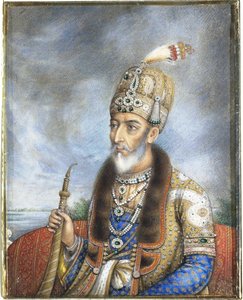
bahadur shah zafar
1775 - 1862 , India
基本情報
- Artistic Movement Or Style: Mughal art & poetry
- Artists Or Movements Influenced By This Artist: ['Mughal art movement']
- Artists Who Influenced This Artist: ['Akbar II']
- Date Of Birth: October 24, 1775
- Date Of Death: November 7, 1862
- Full Name: Abu Zafar Siraj-ud-din Muhammad
- Nationality: Indian
- Notable Artworks: ['Kulliyyat-i-Zafar']
- Place Of Birth: Delhi, India
関連記事
Golden Glow: How to Use Metallic Gold Artworks to Elevate Your Home Decor with Timeless Luxury
Discover how to elevate your home with the timeless elegance of metallic gold artworks. From sculptural metal pieces to gilded oil paintings, learn expert interior design tips for integrating luxurious gold accents into your space with sophistication and grace.
The Allure of Gold in Art History: Symbolism, Technique & Cultural Significance
Explore the rich history of gold in art! Discover symbolism, techniques & cultural significance from ancient civilizations to Klimt's masterpieces. Expert insights for collectors at ArtsDot.
Golden Masterpieces: 10 Paintings That Define Art History | ArtsDot
Explore 10 breathtaking paintings where gold leaf shines! From Klimt to Byzantine icons, discover art history’s most gilded masterpieces. Find museum-quality reproductions & elevate your home decor with ArtsDot. Explore the full collection online.
グスタフ・クリムト傑作25選:華麗なる装飾性と象徴が織りなす世界 | ArtsDot
グスタフ・クリムトの傑作25選。華麗なる装飾性と象徴が織りなす世界を紐解きます。キス、ポートレートなど、美術史に残る名画の物語と技法をArtsDotで。高品質複製画やインテリアアートも豊富に。今すぐコレクションをご覧ください。
Illuminating Eternity: A Comprehensive Exploration of Byzantine Art's Legacy
Explore the rich history & stunning artistry of the Byzantine Empire! Discover iconic mosaics, profound symbolism, and lasting influence on Western art. A comprehensive guide for history lovers.

