メニュー
Switch to Print Switch to Print手描きの絵画を購入 手描きの絵画を購入 シェアするシェアする
詳細を見る詳細を見る お気に入りに追加 お気に入りに追加 ダウンロードダウンロード 似ている作品似ている作品 スライドショースライドショー StatsStats

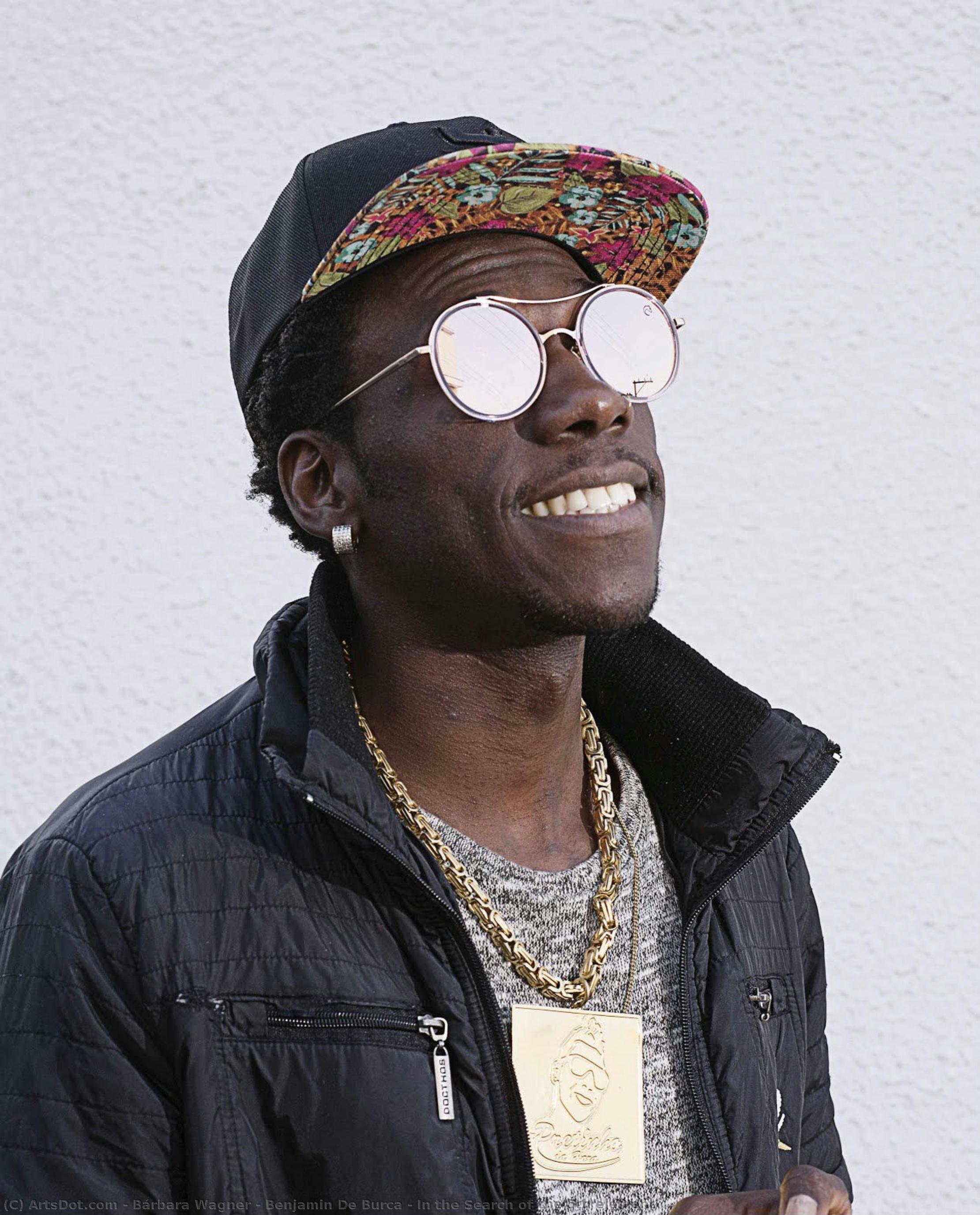
In the Search of the 5th element

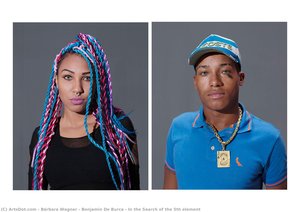
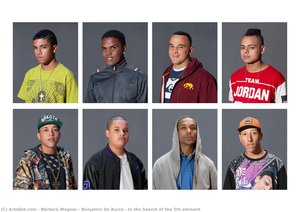
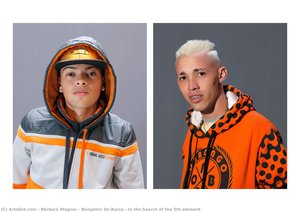
Explore 'In the Search of the 5th Element' by Bárbara Wagner & Benjamin de Burca – a captivating black-and-white photo capturing Brazilian youth culture, reflecting music, technology, and social dynamics.

Bárbara Wagner & Benjamin de Burca are a Brazilian art duo creating innovative films & installations exploring race, gender, dance, and music within Brazilian culture and beyond. Featured at the Venice Biennale & New Museum.

オンラインプレビューをはるかに凌ぐ、高解像度で鮮明なデジタル画像をご購入いただけます。

各ファイルは、社内の専門家が高度なツールと熟練した手作業によるレタッチを用いて、細心の注意を払って準備されています。すべての画像において、卓越した鮮明度、正確な色彩再現性、そして繊細なディテールを保証いたします。

最終ファイルは、プロフェッショナルな編集・印刷環境ですぐにご利用いただけるよう最適化された状態で、72時間以内にメールにてお届けいたします。これは、一流のデザインスタジオ、出版社、ギャラリーから信頼されているものと同等の品質です。

デジタルアート

個人での鑑賞、印刷、クリエイティブなプロジェクト用に、高解像度ファイルをダウンロードできます。 (Switch to Print Switch to Print手描きの絵画を購入 手描きの絵画を購入)

最終合計金額

$ 24.00

デジタル画像のご注文に付随する特典

高品質なデジタル画像配信を、確かな品質で。

ArtsDot.com を選ぶことは、単に画像を手に入れることではありません。それは、プロの手によって精密に仕上げられ、満足保証が付いた高品質なデジタルアートワークを受け取ることを意味します。ご注文いただいた際に自動的に付随する内容は、以下の通りです:

shipping_icon
メールですぐにお届け

ご注文から72時間以内に、高解像度のデジタル画像ファイルがメールでお手元に届きます。すぐにそのままご利用いただけます。

canvas_icon
AI技術で最適化されたデジタルファイル

お客様の作品は、高度なAIツールと専門家による手作業の編集を組み合わせてプロフェッショナルに最適化されており、細部のディテール、鮮明さ、そして正確な色再現性を最大限に引き出しています。

insurance_icon
一生涯無料の再送サービス

ファイルを誤って削除したり、紛失してしまったりしましたか?ご安心ください。いつでも無料で再送いたします。

tax_icon
輸入手数料は一切かかりません

関税や手数料、配送料を気にすることなく、お気に入りのアートワークをすぐにお楽しみいただけます。デジタルダウンロードは常に免税です。

color_icon
色彩再現の保証

プロ仕様のツールとカラーマネジメント技術を用いることで、デジタル画像が元の色を最大限に忠実に再現することを保証いたします。

return_icon
100日間満足保証

ご購入いただいたデジタル画像にご満足いただけない場合は、100日以内であれば、理由を問わず修正または100%の返金対応をさせていただきます。

guarantee_icon
100% 返金保証

ご満足いただけない場合は、デジタルファイルを受け取ってから100日以内であれば、理由を問わず全額返金いたします。

discount_icon
まとめ買い割引

3枚購入で10%OFF - 5枚購入で15%OFF - 10枚以上購入で20%OFF。クリエイティブなプロジェクト、ギャラリー、エージェンシーに最適です。

作品詳細

  • Subject or theme: Brazilian Funk Scene
  • Artist: Bárbara Wagner & Benjamin de Burca
  • Movement: Contemporary Art
  • Dimensions: 62 x 50 cm
  • Influences:
    • Brega-Funk
    • Music Culture
  • Artistic style: Pop Culture, Documentary
  • Year: 2017

アート・クイズ

各質問の正解は1つだけです。

問題 1:
What is the primary subject matter depicted in ‘In the Search of the 5th element’?
問題 2:
According to the description, what artistic technique is used in the photograph to create a sense of context and involvement?
問題 3:
Bárbara Wagner & Benjamin de Burca’s work often explores which key theme?
問題 4:
What is the significance of the ‘chromakey’ effect used in the photograph?
問題 5:
The artists’ work often challenges what conventional approach to documentary filmmaking?

A Glimpse into Brazil’s Vibrant Undercurrents: “In the Search of the 5th Element”

Bárbara Wagner & Benjamin de Burca's "In the Search of the 5th Element," a striking black and white photograph from 2017, isn’t merely a portrait; it’s a carefully constructed window into the heart of Brazil’s burgeoning cultural landscape. The image captures a young man, radiating an understated confidence beneath sunglasses and a worn hat – a figure both familiar and subtly enigmatic. Yet, the true power of this piece lies not in its subject's immediate appearance but in the meticulously layered context Wagner & de Burca have created through their photographic process. The photograph feels simultaneously intimate and expansive, drawing the viewer into a world where tradition and modernity collide with remarkable fluidity.

The work’s genesis is rooted in Wagner’s extensive research into the “brega-funk” scene of Recife and São Paulo – a vibrant subculture that blends elements of Brazilian funk music, fashion, and social commentary. This exploration led to "Mestres de Cerimônias" (Masters of Ceremony), a project documenting the lives and performances of funk DJs and MCs. “In the Search of the 5th Element” emerges from this broader investigation, acting as a microcosm of the larger cultural currents at play. It’s a testament to the artists' commitment to representing marginalized communities with respect and nuance, moving beyond simplistic stereotypes to reveal the complexities of identity formation within a rapidly changing Brazil.

The Language of Light and Shadow: Technique and Composition

Wagner & de Burca masterfully employ a stark monochrome palette, amplifying the photograph’s emotional resonance. The deliberate use of black and white strips away superficial distractions, forcing the viewer to confront the raw textures of skin, fabric, and the subtle play of light and shadow. The composition itself is carefully considered – the man's pose, angled slightly off-center, creates a dynamic tension within the frame. The inclusion of two blurred figures in the background hints at a larger social scene, suggesting that this individual exists within a network of relationships and experiences. Notably, the photograph utilizes a “chromakey” effect, creating an almost ethereal backdrop – a gray zone that feels both mysterious and slightly unsettling, as if the subject is perpetually poised on the edge of another reality.

The photographers’ choice to highlight the outlines and design of the portrait with white creates a sense of definition and structure, while the black background provides a grounding element, anchoring the image in a tangible space. This interplay between light and darkness isn't simply aesthetic; it speaks to the duality inherent in Brazilian culture – the tension between tradition and innovation, between public performance and private experience.

Symbolism and Cultural Context

The photograph’s symbolism is deeply intertwined with the cultural context of “brega-funk.” The sunglasses and hat, seemingly simple accessories, become emblems of resistance and self-expression within this subculture. They represent a deliberate distancing from mainstream norms, a conscious assertion of individuality in the face of societal pressures. The necklace worn by the subject further adds to this layer of meaning, potentially referencing ancestral traditions or personal affiliations. The photograph’s title itself – “In the Search of the 5th Element” – evokes a sense of mystery and exploration, suggesting that the man is embarking on a journey of self-discovery within a complex cultural landscape.

Furthermore, the photograph's creation in 2017 reflects a pivotal moment in Brazilian history. The rise of “brega-funk” coincided with increasing social inequality and economic instability, providing a platform for marginalized communities to express themselves creatively and challenge dominant narratives. Wagner & de Burca’s work serves as a powerful reminder of the agency and resilience of these communities.

Emotional Resonance and Artistic Legacy

"In the Search of the 5th Element" transcends the boundaries of a simple portrait; it's an invitation to engage with a vibrant, often overlooked aspect of Brazilian culture. The photograph’s quiet intensity, combined with its subtle symbolism, evokes a sense of both melancholy and hope. It speaks to the universal human desire for self-expression, connection, and belonging – themes that resonate deeply across cultures and generations.

Bárbara Wagner & Benjamin de Burca are recognized as pioneers in documentary filmmaking and photography, consistently pushing the boundaries of traditional forms while prioritizing ethical representation and collaborative storytelling. Their work has been exhibited internationally and is held in prominent collections, solidifying their place as leading voices in contemporary art. Reproductions of “In the Search of the 5th Element” offer a compelling opportunity to bring this evocative image into your home or office – a testament to the enduring power of visual storytelling and a celebration of Brazil’s rich cultural heritage.



作家の略歴

A Dialogue of Cultures: The Collaborative Vision of Bárbara Wagner & Benjamin de Burca

The artistic partnership of Bárbara Wagner, born in Brasília, Brazil, in 1980, and Benjamin de Burca, hailing from Munich, Germany, in 1975, represents a compelling intersection of perspectives within the contemporary art landscape. Their work isn’t simply *about* culture; it's deeply embedded within it, emerging from intimate collaborations with communities often marginalized or overlooked. Wagner’s Brazilian roots and De Burca’s European sensibility coalesce into a unique artistic voice that challenges conventional documentary forms and embraces the vibrant energy of performance. Their journey began around 2011, marking a pivotal shift in both artists' individual trajectories toward a shared exploration of identity, resistance, and the power of collective expression. Wagner’s formal training at the Dutch Art Institute (DAI) in Arnhem provided a conceptual framework for their collaborative process, while De Burca brought a different set of influences to bear, fostering an environment where experimentation and cross-cultural dialogue could flourish.

Weaving Fiction and Reality: The Artistic Process

Wagner & de Burca’s approach is characterized by a deliberate blurring of the lines between fiction and documentary. They don't merely *represent* communities; they actively involve them in the creation process, working alongside non-actors to develop scripts, choreograph movements, and shape narratives that resonate with authenticity. This collaborative methodology isn’t about extracting stories but rather co-creating them, fostering a sense of agency and ownership among participants. Their films often resemble music videos—dynamic, visually arresting, and infused with the rhythms of popular culture—yet they are grounded in rigorous ethnographic research and a deep understanding of social dynamics. This fusion creates a compelling tension between spectacle and substance, drawing viewers into worlds that are both familiar and unsettlingly new. They meticulously craft each element – from costume design to soundtrack composition – in close collaboration with their subjects, ensuring that the final work reflects a shared vision. This isn’t simply filmmaking; it's a form of cultural exchange, a testament to the power of art to bridge divides and amplify marginalized voices.

Themes of Identity and Resistance

At the heart of Wagner & de Burca’s oeuvre lies a profound engagement with themes of race, gender, social class, language, music, and dance. Their work consistently interrogates societal structures and challenges dominant narratives, offering nuanced portrayals of individuals navigating complex realities. Faz que vai (Set to Go), for example, brilliantly captures the energy and defiance of frevo dancers in Recife, Brazil, while simultaneously deconstructing traditional gender roles and cultural expectations. Estás vendo coisas (You are seeing things) delves into the world of “techno brega,” a uniquely Brazilian musical genre, exploring its social context and the lives of those who embrace it. Swinguerra, commissioned for the Brazilian Pavilion at the 58th Venice Biennale, is perhaps their most celebrated work to date—a powerful exploration of dance competitions in Northern Brazil that highlights the resilience and creativity of queer people of color. Through these projects, Wagner & de Burca demonstrate a commitment to amplifying voices often excluded from mainstream representation, offering a platform for self-expression and resistance. Their films aren’t simply observations; they are acts of solidarity, celebrating the beauty and complexity of human experience.

International Recognition and Lasting Impact

The impact of Wagner & de Burca's work extends far beyond Brazil’s borders. Their exhibitions at prestigious institutions such as the New Museum in New York, the ICA Boston, and Manifesta 13 in Marseille have brought their unique vision to a global audience. The retrospective *Five Times Brazil* at the New Museum was particularly significant, solidifying their reputation as leading voices in contemporary art. Their films are now included in collections across Europe, the United States, and Brazil, ensuring that their work will continue to inspire and provoke dialogue for generations to come. They have received numerous awards and accolades, recognizing not only the aesthetic brilliance of their work but also its profound social and political relevance. Wagner & de Burca’s contribution lies in their ability to seamlessly blend artistic innovation with a deep commitment to social justice, creating works that are both visually stunning and intellectually stimulating. They demonstrate how art can be a powerful tool for challenging assumptions, fostering empathy, and promoting a more equitable world.

Continuing the Dialogue

Currently, Bárbara Wagner & Benjamin de Burca continue to push boundaries in their artistic practice, exploring new themes and refining their collaborative methodology. Their ongoing work promises further insights into the complexities of Brazilian culture and its connections to global issues. Their dedication to working directly with communities ensures that their art remains grounded in lived experience, offering a vital counterpoint to more detached or academic approaches. As they continue to create, Wagner & de Burca are not only shaping the future of contemporary art but also fostering a deeper understanding of the human condition—a testament to the transformative power of collaboration and artistic vision.