

 プレビュー
プレビュー
 プリントを購入
 シェアする
シェアする シェアする
シェアする
 詳細を見る
詳細を見る

 ダウンロード
 似ている作品
 X線調査
X線調査 スライドショー
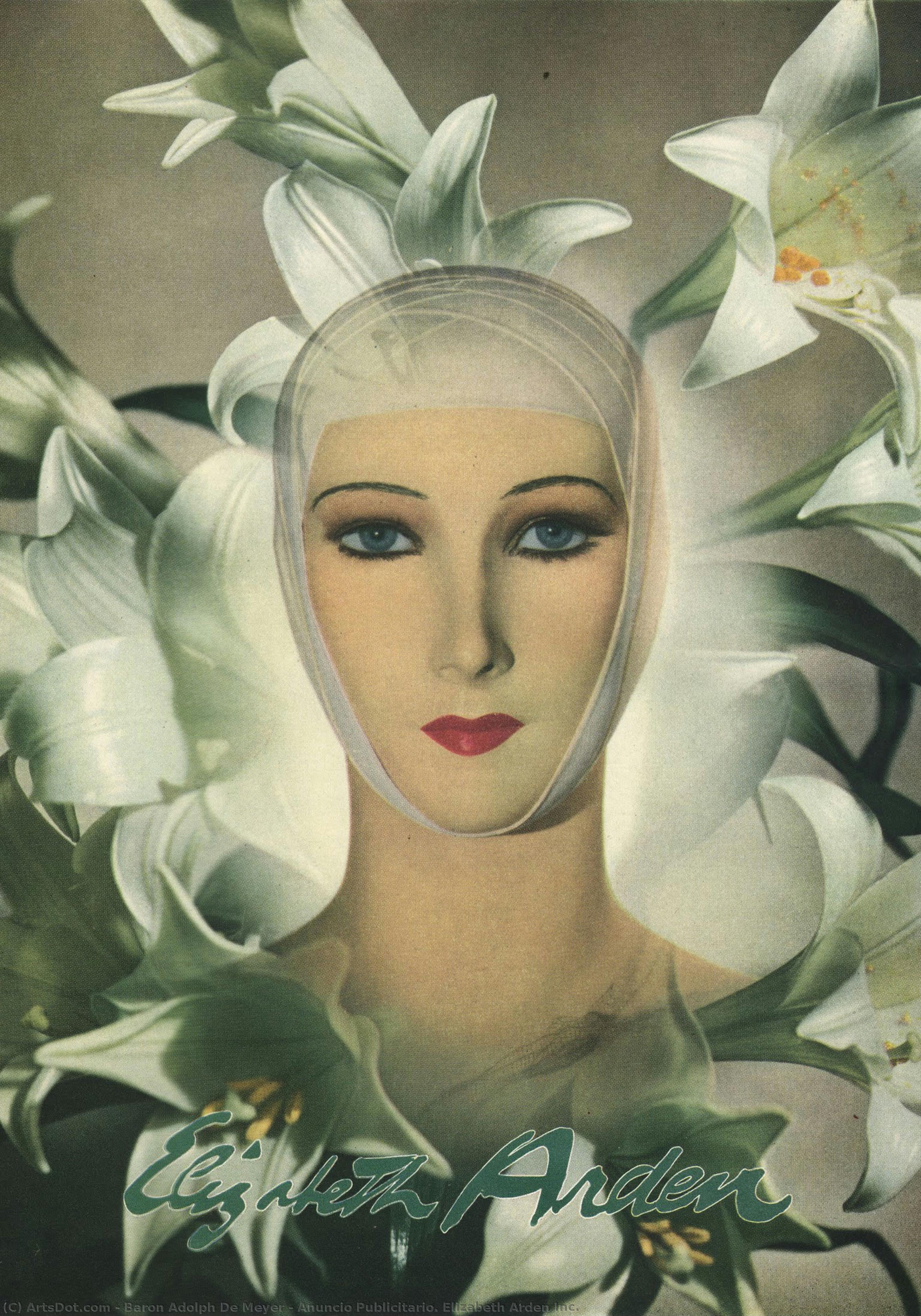
Anuncio Publicitario. Elizabeth Arden Inc.
 Oil On Canvas
- WallArt
- Surrealism
 1946
1946- Modern
 27.0 x 35.0 cm
 Museum of the Purpose of the Object
 詳細を見る
詳細を見る
オンラインプレビューをはるかに凌ぐ、高解像度で鮮明なデジタル画像をご購入いただけます。
各ファイルは、社内の専門家が高度なツールと熟練した手作業によるレタッチを用いて、細心の注意を払って準備されています。すべての画像において、卓越した鮮明度、正確な色彩再現性、そして繊細なディテールを保証いたします。
最終ファイルは、プロフェッショナルな編集・印刷環境ですぐにご利用いただけるよう最適化された状態で、72時間以内にメールにてお届けいたします。これは、一流のデザインスタジオ、出版社、ギャラリーから信頼されているものと同等の品質です。
デジタル画像のご注文に付随する特典
高品質なデジタル画像配信を、確かな品質で。
ArtsDot.com を選ぶことは、単に画像を手に入れることではありません。それは、プロの手によって精密に仕上げられ、満足保証が付いた高品質なデジタルアートワークを受け取ることを意味します。ご注文いただいた際に自動的に付随する内容は、以下の通りです:

メールですぐにお届け
ご注文から72時間以内に、高解像度のデジタル画像ファイルがメールでお手元に届きます。すぐにそのままご利用いただけます。

AI技術で最適化されたデジタルファイル
お客様の作品は、高度なAIツールと専門家による手作業の編集を組み合わせてプロフェッショナルに最適化されており、細部のディテール、鮮明さ、そして正確な色再現性を最大限に引き出しています。

一生涯無料の再送サービス
ファイルを誤って削除したり、紛失してしまったりしましたか?ご安心ください。いつでも無料で再送いたします。

輸入手数料は一切かかりません
関税や手数料、配送料を気にすることなく、お気に入りのアートワークをすぐにお楽しみいただけます。デジタルダウンロードは常に免税です。

色彩再現の保証
プロ仕様のツールとカラーマネジメント技術を用いることで、デジタル画像が元の色を最大限に忠実に再現することを保証いたします。

60日間満足保証
ご購入いただいたデジタル画像にご満足いただけない場合は、60日以内であれば、修正または100%の返金(理由を問う必要はありません)をさせていただきます。

100% 返金保証
ご満足いただけない場合は、デジタルファイルを受け取ってから60日以内であれば、理由を問わず全額返金いたします。

まとめ買い割引
3枚購入で10%OFF - 5枚購入で15%OFF - 10枚以上購入で20%OFF。クリエイティブなプロジェクト、ギャラリー、エージェンシーに最適です。
A Dreamscape of Elegance: The Ethereal Vision of Baron Adolph de Meyer
In the intersection of high fashion and fine art lies a singular, hauntingly beautiful masterpiece titled Anuncio Publicitario. Elizabeth Arden Inc. Created in 1946 by the legendary Baron Adolph de Meyer, this work transcends its origins as an advertisement to become a profound exploration of femininity and the surreal. The painting presents a dreamlike portrait of a woman, her features delicately poised amidst a lush, overwhelming abundance of white lilies. There is an immediate sense of intimacy and quiet isolation in the composition; the viewer is drawn into a shallow, soft-focus world where the boundaries between reality and fantasy begin to dissolve. It is a piece that does not merely depict a subject but invites the observer into a private, melancholic sanctuary.
The technique employed here speaks to the mastery of a man who was as much a painterly soul as he was Vogue’s first official fashion photographer. Executed with the rich, layered textures characteristic of traditional oil on canvas, the artwork possesses a tactile depth that invites close inspection. One can observe the subtle, visible brushstrokes that define the soft curves of the woman’s face and the delicate, organic edges of the lily petals. The lighting is masterfully diffused, casting a gentle glow that softens the contours of the subject, contributing to an ethereal atmosphere. This soft-focus approach, reminiscent of the Pictorialist movement in photography, creates a sense of timelessness, as if we are peering through a veil of memory or a dream.
Symbolism and the Language of Flowers
Beyond its aesthetic splendor, the artwork is steeped in a complex layer of symbolism. The choice of white lilies is particularly poignant; in the lexicon of art history, these blooms often represent purity and rebirth, yet they are also inextricably linked to themes of mortality and the transition between worlds. By surrounding the central figure with such an overwhelming floral presence, de Meyer creates a tension between life and decay, beauty and the ephemeral nature of existence. The woman’s pale complexion, contrasted sharply by her striking red lips and deep, soulful eyes, serves as a focal point of vitality amidst the cool, muted tones of the greenery and white petals. This interplay of color and subject matter evokes a sense of Romanticism, where emotion and nature are inextricably entwined.
For the discerning collector or interior designer, this piece offers more than just visual appeal; it offers an emotional resonance that can transform a space. The muted, slightly aged palette—featuring subtle greenish undertones and soft shadows—lends itself beautifully to sophisticated, classical, or even contemporary avant-garde interiors. It serves as a conversation piece that bridges the gap between the historical elegance of the early 20th century and a modern appreciation for surrealist beauty. Whether placed in a quiet study or a grand salon, this reproduction captures the haunting, transformative power of de Meyer’s vision, making it an enduring choice for those who seek art that speaks to the soul.
関連作品


![Vida De Miguel De Cervantes Saavedra (life Of Miguel De Cervantes Saavedra). Book V Of The Edition Of Don Quixote (biblioteca Nacional De España)\n\n[7] — Martín Fernández De Navarrete Y Ximénez De Tejada, Academic Art](/media/artworks/images-thumb/8c/b6/8cb67a4dd450447373a546c8dd039e57.jpg)
作家の略歴
Early Life and Background
- Born: Paris, France (1868)
- Died: 1946
- Baron Adolph de Meyer was born in the 16th arrondissement of Paris. He received his education in Dresden, Germany.
- His parents were Adolphus Louis Meyer, a German Jewish father, and Adele Watson, a Scottish mother.
- He joined the Royal Photographic Society in 1893 and moved to London in 1895.
- Throughout his life, he used various surnames including Meyer, von Meyer, de Meyer, de Meyer-Watson, and Meyer-Watson. He was known as Baron Adolph Edward Sigismond de Meyer from 1898. The origin of the title is debated, with some sources claiming it was granted by Frederick Augustus III of Saxony, while others suggest it was inherited.
Marriage and Social Circle
- In 1899, he married Donna Olga Caracciolo, an Italian noblewoman. She was rumored to be a goddaughter of King Edward VII.
- Their marriage was considered a social event within London's high society.
- The couple’s relationship navigated the complexities of their time, with speculation about their individual sexualities and the societal constraints they faced.
Photography Career: Pictorialism to Fashion Icon
- De Meyer initially worked as a Pictorialist photographer, emphasizing artistic expression through darkroom techniques and manipulation of light and tone.
- He became associated with the Photo-Secession movement in 1903.
- Vogue Appointment: In 1913, he was appointed as the first official fashion photographer for *Vogue*, revolutionizing the genre. He also contributed to *Vanity Fair*.
- He moved away from traditional studio photography, experimenting with artificial lighting, diffused light using gauze, and differential focusing to create a more artistic and evocative style.
- His work during World War I was characterized by a queer counterculture aesthetic.
- From 1922 to 1936, he served as the chief photographer and Parisian fashion correspondent for *Harper's Bazaar*.
Style and Influences
- Pictorialism: His early work was rooted in Pictorialism, emphasizing artistic expression over mere documentation.
- Gustav Klimt: De Meyer’s portraits often reflected the influence of Gustav Klimt's paintings, particularly his use of reflective backgrounds and emphasis on psychological depth.
- Luminosity: He was known for creating a distinctive luminous effect in his photographs, which was innovative for fashion photography at the time.
- Celebrity Portraits: De Meyer photographed numerous celebrities including Mary Pickford, Rita Lydig, Luisa Casati, Billie Burke, Irene Castle, John Barrymore, Lillian Gish, Ruth St. Denis, King George V, and Queen Mary.
Legacy and Historical Significance
- De Meyer is considered a pioneer of fashion photography, establishing many of the conventions that continue to shape the genre today.
- His innovative use of lighting, composition, and post-processing techniques set him apart from his contemporaries.
- He documented a pivotal era in history, capturing the elegance and social changes of the early 20th century.
- Despite a period of relative obscurity later in life, his work has been rediscovered and celebrated for its artistic merit and historical significance.
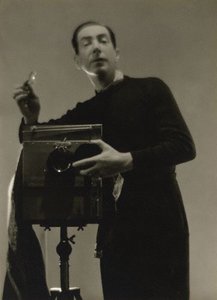
baron adolph de meyer
1868 - 1946 , France
プロフィール概要
- Artistic Movement Or Style: Pictorialism, Fashion photography
- Date Of Birth: September 1, 1868
- Date Of Death: January 6, 1946
- Full Name: Baron Adolph de Meyer
- Nationality: French-American
- Notable Artworks: ['Anuncio Publicitario. Elizabeth Arden Inc.']
- Place Of Birth: Paris, France

