

 プレビュー
プレビュー
 プリントを購入
 シェアする
シェアする シェアする
シェアする
 詳細を見る
詳細を見る

 ダウンロード
 似ている作品
 X線調査
X線調査 スライドショー
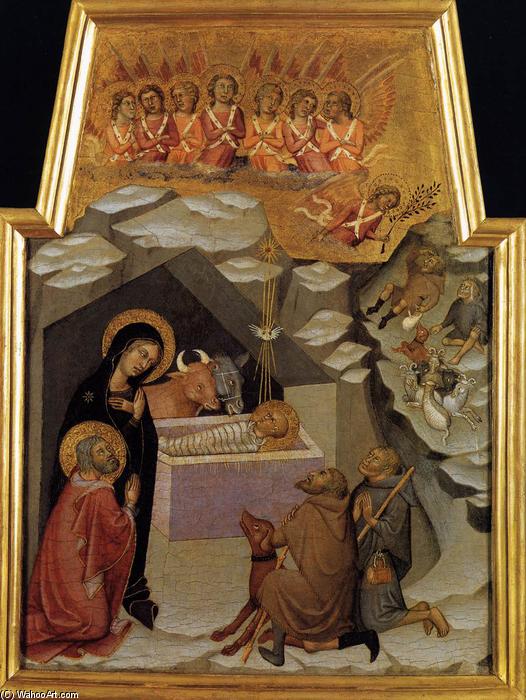
Nativity and Adoration of the Shepherds
 Acrylic On Canvas
- WallArt
- Gothic-Renaissance Synthesis
 1383
1383 50.0 x 35.0 cm
 ピナコテカ
ピナコテカ
 詳細を見る
詳細を見る
オンラインプレビューをはるかに凌ぐ、高解像度で鮮明なデジタル画像をご購入いただけます。
各ファイルは、社内の専門家が高度なツールと熟練した手作業によるレタッチを用いて、細心の注意を払って準備されています。すべての画像において、卓越した鮮明度、正確な色彩再現性、そして繊細なディテールを保証いたします。
最終ファイルは、プロフェッショナルな編集・印刷環境ですぐにご利用いただけるよう最適化された状態で、72時間以内にメールにてお届けいたします。これは、一流のデザインスタジオ、出版社、ギャラリーから信頼されているものと同等の品質です。
デジタル画像のご注文に付随する特典
高品質なデジタル画像配信を、確かな品質で。
ArtsDot.com を選ぶことは、単に画像を手に入れることではありません。それは、プロの手によって精密に仕上げられ、満足保証が付いた高品質なデジタルアートワークを受け取ることを意味します。ご注文いただいた際に自動的に付随する内容は、以下の通りです:

メールですぐにお届け
ご注文から72時間以内に、高解像度のデジタル画像ファイルがメールでお手元に届きます。すぐにそのままご利用いただけます。

AI技術で最適化されたデジタルファイル
お客様の作品は、高度なAIツールと専門家による手作業の編集を組み合わせてプロフェッショナルに最適化されており、細部のディテール、鮮明さ、そして正確な色再現性を最大限に引き出しています。

一生涯無料の再送サービス
ファイルを誤って削除したり、紛失してしまったりしましたか?ご安心ください。いつでも無料で再送いたします。

輸入手数料は一切かかりません
関税や手数料、配送料を気にすることなく、お気に入りのアートワークをすぐにお楽しみいただけます。デジタルダウンロードは常に免税です。

色彩再現の保証
プロ仕様のツールとカラーマネジメント技術を用いることで、デジタル画像が元の色を最大限に忠実に再現することを保証いたします。

60日間満足保証
ご購入いただいたデジタル画像にご満足いただけない場合は、60日以内であれば、修正または100%の返金(理由を問う必要はありません)をさせていただきます。

100% 返金保証
ご満足いただけない場合は、デジタルファイルを受け取ってから60日以内であれば、理由を問わず全額返金いたします。

まとめ買い割引
3枚購入で10%OFF - 5枚購入で15%OFF - 10枚以上購入で20%OFF。クリエイティブなプロジェクト、ギャラリー、エージェンシーに最適です。
作品の詳細
The Nativity and Adoration of the Shepherds – A Glimpse into Florentine Gothic-Renaissance Harmony
Bartolo di Fredi’s “Nativity and Adoration of the Shepherds,” painted in Siena around 1383, is more than just a depiction of a biblical scene; it's a poignant meditation on faith, humility, and the profound beauty of divine grace. This panel, now housed within a meticulously crafted reproduction, offers a rare window into the artistic landscape of Tuscany during a pivotal period of transition – when the rigid formality of Gothic art began to yield to the burgeoning humanism and naturalism of the Renaissance. Fredi’s genius lies in his masterful synthesis of these two stylistic currents, creating an image that is both ethereal and deeply rooted in earthly reality.
The scene unfolds within a warmly lit stable, its simple architecture providing a grounding contrast to the heavenly figures hovering above. Mary, Joseph, and the infant Jesus are presented with a delicate tenderness, their faces imbued with serenity and vulnerability. The shepherds themselves, rendered with a subtle attention to detail – their garments suggesting both rustic simplicity and a touch of nobility – kneel in adoration before the newborn King. Angels, depicted with flowing drapery and luminous halos, surround the central figures, conveying a sense of divine presence and blessing. Notably, Fredi eschews the stark realism favored by some contemporary artists, opting instead for a softer, more idealized portrayal of his subjects, reminiscent of Simone Martini’s elegant style.
A Masterclass in Florentine Gothic Technique
Fredi's skill as a painter is immediately evident in the intricate details and masterful use of color. The palette is rich and luminous, dominated by deep blues, reds, and golds – colors traditionally associated with royalty, divinity, and spiritual significance. His technique showcases a remarkable command of tempera paint, allowing him to achieve astonishing levels of detail and luminosity. Observe particularly the delicate folds of Mary’s robe, the intricate patterns on the angels' wings, and the subtle variations in texture that bring the stable walls to life. The use of gold leaf adds an opulent sheen, further enhancing the sense of sacredness.
The panel’s composition is carefully balanced, drawing the viewer’s eye from the central figures towards the surrounding details. Fredi employs a pyramidal structure, with Mary and Jesus forming the apex, creating a sense of stability and harmony. The placement of the angels and shepherds contributes to this balance, ensuring that all elements are visually integrated within the overall design. The background is deliberately vague, suggesting an infinite expanse of heaven rather than a specific location, reinforcing the scene’s timeless quality.
Symbolism and Spiritual Resonance
Beyond its aesthetic beauty, “Nativity and Adoration of the Shepherds” is laden with symbolic meaning. The shepherds themselves represent the humble and overlooked members of society – those who are open to divine revelation. Their willingness to abandon their flocks and journey to Bethlehem demonstrates a profound faith and devotion. The presence of the angels signifies God’s grace and intervention in human affairs, while the stable symbolizes humility and vulnerability—a reminder that divinity often manifests in unexpected places.
Furthermore, Fredi's choice to depict the scene within a relatively simple setting underscores the importance of inner faith over outward grandeur. The focus is not on elaborate architectural details or lavish ornamentation, but rather on the emotional connection between God and his creation. This resonates with the emerging humanist values of the Renaissance, which emphasized human potential and the beauty of the natural world.
A Timeless Masterpiece – Perfect for Your Space
Reproduced in exquisite detail, Bartolo di Fredi’s “Nativity and Adoration of the Shepherds” brings this captivating artwork into your home. Whether adorning a study, a chapel, or simply adding a touch of timeless elegance to a living room, this piece evokes feelings of peace, reverence, and wonder. Its rich colors, intricate details, and profound symbolism make it a truly exceptional addition to any art collection. Consider its ability to spark conversation, inspire contemplation, and serve as a constant reminder of the enduring power of faith and beauty.
関連作品
作家の略歴
The Luminous Legacy of Bartolo di Fredi
In the heart of fourteenth-century Tuscany, a period defined by the transition from the ethereal grace of the Gothic era to the burgeoning humanism of the Renaissance, Bartolo di Fredi emerged as a master of light and narrative. Born in Siena around 1330, he was more than just a painter; he was a bridge between two worlds. His work, often characterized by an otherworldly luminosity and a meticulous devotion to detail, captured the spiritual fervor of his age while introducing a decorative complexity that would leave an indelible mark on the Sienese School. To gaze upon a Fredi masterpiece is to enter a realm where the sacred and the ornamental dance in perfect, gilded harmony.
The foundations of his career were deeply rooted in the prestigious guilds of Siena. By 1355, he had officially entered the Arte dei Maestri di Tavola e Dipinto, a milestone that granted him access to the most significant patronage networks in Italy. This professional stability allowed him to collaborate with other luminaries of the era, such as Andrea Varga, on monumental projects like the decoration of the Siena Cathedral. These early years were formative, as he absorbed the aristocratic elegance of Simone Martini and the foundational traditions of Duccio, refining a style that rejected the coldness of strict realism in favor of a more emotive, symbolic beauty.
A Master of Fresco and Narrative Drama
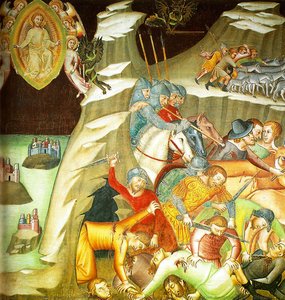
Perhaps the most breathtaking testament to Fredi’s genius is found within the walls of the San Gimignano Cathedral. Between 1356 and 1367, he undertook an ambitious cycle of frescoes that transformed the left aisle into a vivid biblical tapestry. In these works, such as the visceral Killing of the Servants of Job, one can witness his ability to command large-scale compositions with intense dramatic tension. He did not merely depict scenes; he orchestrated them, using color and movement to guide the viewer through stories of profound suffering and divine intervention. His technique in these frescoes showcased an early mastery of illusionistic space, pushing the boundaries of what the Gothic style could achieve.
Beyond the monumental scale of his frescoes, Fredi excelled in the intimate medium of altarpieces. His Annunciation (1383) serves as a quintessential example of his ability to blend the sacred with the exquisite. In this work, the use of light is not merely a technical feat but a theological tool, illuminating the delicate details of the Virgin’s surroundings and creating an atmosphere of profound sanctity. His approach to panel painting allowed for a level of ornamentation—gold leaf, intricate patterns, and fine linework—that satisfied the era's craving for splendor while maintaining a deep, spiritual focus.
Historical Significance and Artistic Influence
The historical importance of Bartolo di Fredi lies in his role as a stylistic pivot. While he remained loyal to the decorative traditions that defined Sienese art, he possessed an innate curiosity for the evolving techniques of his time. He stood at the crossroads of history, preserving the delicate, dreamlike qualities of the late Gothic period while preparing the ground for the more structured, human-centric approach of the Renaissance. His ability to synthesize these opposing forces created a unique visual language that was both nostalgic and forward-looking.
Today, his contributions are recognized as essential components of the Tuscan artistic identity. The legacy of Bartolo di Fredi can be summarized through several key pillars of his impact:
- Stylistic Synthesis: He successfully merged the aristocratic elegance of the Sienese tradition with a new, more dynamic narrative energy.
- Narrative Innovation: His fresco cycles in San Gimignano redefined how biblical stories could be told through large-scale, emotionally charged imagery.
- Decorative Mastery: He elevated the use of color and ornamentation, making the altarpiece a vessel for both devotion and aesthetic wonder.
- Cultural Continuity: As a prominent member of the Sienese guilds, he helped maintain the prestige of Tuscan art during a period of significant social and artistic transition.
Though the tides of art history eventually moved toward the intense realism of later masters, the luminous, enchanted world created by Bartolo di Fredi remains a vital chapter in the story of Western art, reminding us of a time when painting was a window into the divine.
バルトロ・ディ・フレディ
1330 - 1410 , イタリア

