

 プレビュー
プレビュー
 プリントを購入
 シェアする
シェアする シェアする
シェアする
 詳細を見る
詳細を見る

 ダウンロード
 似ている作品
 X線調査
X線調査 スライドショー
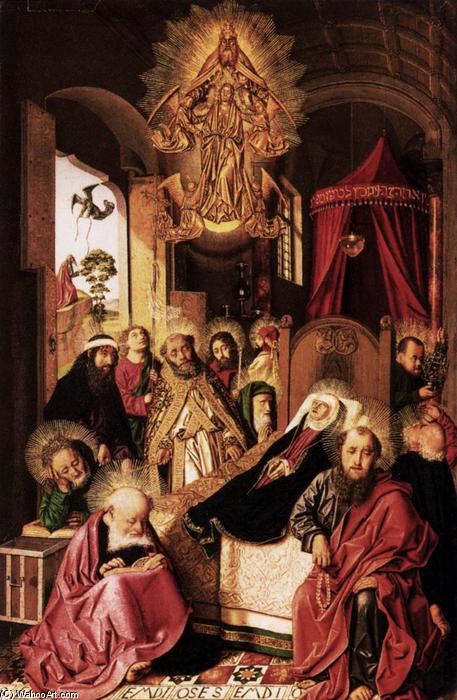
Death of the Virgin
 Acrylic On Canvas
- WallArt
 1460
1460 63.0 x 41.0 cm
 国立博物館群
 詳細を見る
詳細を見る




P118B $10

P118H $10

P118W $10

P438Z $10

P508JH $12

P508YH $12

P805H $10

P805Z $10

P919BZ $10

P919G $10

P919XJ $10

P959ZH $10

P968JZ $12

W106C $8

W218G $10

W218JH $8

W218Y $10

W307PJ $10

W316G $10

W316PJ $8

W316Y $10

W398PJ $8

W4111J $10

W500HY $15

W500JH $15

W692G $12

W849H $8

W940BG $15

W953PJ $8




作品のオリジナル比率に合わせた、当店の規定サイズからお選びください。

特定のフレームやスペースに合わせて、ご希望のサイズをご入力いただけます。選択されたサイズが元の画像の比率と異なる場合、アートワークをトリミングするか、手描きで要素を追加して絵画を拡張いたします。デジタルモックアップ を制作し、制作開始前にご確認(承認)をいただきます。
画面上のプレビューは、実際のトリミングや拡張を正確に反映しているものではありません。最終的な構図は、モックアップによってのみ正確にご確認いただけます。
カスタムサイズもご利用いただけますが、元の比率を維持するためには、あらかじめ用意されたリストからサイズを選択することをお勧めいたします。
ご注文後、ArtsDot.com チームより詳細な指示をお送りするとともに、仕上がりイメージ(モックアップ)をご提供いたします。


 ガラスオプションは、110cm未満のサイズでのみご利用いただけます。

Death of the Virgin
複製技法
複製画のサイズ
-


合計金額
$ 263
作品解説
Bartolomé Bermejo: Bridging Gothic Legacy with Flemish Innovation
Bartolomé Bermejo (c. 1440 – c.1500) stands as a pivotal figure in the transition between Gothic and Early Renaissance art, particularly within the Iberian Peninsula. His distinctive style—characterized by meticulous detail, dramatic lighting, and masterful realism—earned him recognition as one of the foremost painters of his era and cemented his legacy as a pioneer who successfully assimilated Flemish painting techniques into Spanish artistic traditions. While biographical details remain somewhat elusive due to sparse documentation, scholars agree that he flourished primarily in Valencia, Zaragoza, Barcelona, and Córdoba during the latter half of the fifteenth century. He represents an extraordinary convergence of influences, marking a crucial step away from the solemn grandeur of Gothic formalism towards the luminous vibrancy of Northern European aesthetics.A Flemish Echo in Spanish Renaissance
Bermejo’s artistic journey began with formative years spent studying under Juan de Juanes and Pedro Berruguete, absorbing the stylistic precepts of the Valencian School—a bastion of Gothic sensibilities. However, his travels to Bruges and Antwerp profoundly impacted his oeuvre, exposing him to the revolutionary innovations championed by Flemish masters like Hugo van der Goes and Rogier van der Weyden. This encounter resulted in a transformative embrace of Flemish painting techniques, notably chiaroscuro – the dramatic interplay of light and shadow – which dramatically enhanced the expressive power of his compositions. Unlike many contemporaries who clung stubbornly to Gothic conventions, Bermejo skillfully blended these traditions with Flemish realism, creating a unique visual language that distinguishes him from other artists of his time.The Death of the Virgin: A Masterpiece of Detail and Emotion
Considered one of Bermejo’s most celebrated works, “Death of the Virgin” exemplifies this masterful synthesis. Painted circa 1460-1468 in Valencia, it depicts Mary reclining on her bed, attended by Jesus Christ cradled in her lap, surrounded by mourners. The scene is bathed in an ethereal glow emanating from a window, skillfully utilizing chiaroscuro to sculpt the figures and heighten their emotional impact. Every element—from the drapery folds meticulously rendered to the subtle expressions of grief—is imbued with palpable realism, reflecting Bermejo’s unwavering commitment to capturing human emotion with unparalleled accuracy. The inclusion of two birds – one perched on Mary's shoulder and another hovering near the window – adds a layer of symbolic significance, representing purity and divine grace respectively.Symbolism and Emotional Resonance
Beyond its technical brilliance, “Death of the Virgin” resonates deeply with viewers due to its profound exploration of themes related to mortality, faith, and compassion. The composition itself is deliberately restrained, emphasizing Mary’s vulnerability and highlighting the solemnity of the occasion. The artist's masterful manipulation of light contributes significantly to conveying a sense of sorrowful contemplation, inviting reflection on the sacred narrative. Bermejo’s work stands as a testament to the enduring power of art to communicate complex emotions and spiritual truths—a legacy that continues to inspire admiration and scholarly study centuries later.A Legacy Enduring Through Reproduction
Today, reproductions of “Death of the Virgin” grace homes and galleries worldwide, ensuring that Bermejo’s artistic vision remains accessible to a broader audience. Its captivating imagery and masterful execution serve as an enduring reminder of the transformative potential inherent in blending disparate artistic traditions—a lesson applicable not only to art history but also to creative endeavors across disciplines.関連作品
アーティストの略歴
A Flemish Echo in Spanish Renaissance
Bartolomé Bermejo stands as a pivotal figure in the transition between Gothic and Early Renaissance art, particularly within the Iberian Peninsula. His distinctive style—characterized by meticulous detail, dramatic lighting, and masterful realism—earned him recognition as one of the foremost painters of his era and cemented his legacy as a pioneer who successfully assimilated Flemish painting techniques into Spanish artistic traditions. While biographical details remain somewhat elusive due to sparse documentation, scholars agree that he flourished primarily in Valencia, Daroca, Zaragoza, and Barcelona during the latter half of the fifteenth century.
The early life and training of this master remain shrouded in a certain historical mystery. Precise information regarding Bermejo’s birthplace—Córdoba—is debated, with recent research questioning its certainty. However, his artistic activity centered around four key Spanish cities: Valencia (1468), Daroca (1474), Zaragoza (1477–84) and Barcelona (1486–1501). The exact origins of his training remain unknown, yet the exceptional command of oil glazing—a technique perfected by Flemish masters—strongly suggests direct exposure to the artistic innovations originating in Bruges and Ghent. This profound connection to the North allowed him to bring a level of technical sophistication to Spain that was previously unseen.
Mastery of Light and Texture
Bermejo’s oeuvre comprises numerous altarpieces, demonstrating his mastery of large-scale retables with multiple panels. His technique embodies the spirit of Flemish painting, prioritizing meticulous observation and rendering textures with remarkable accuracy. He skillfully employed glazing techniques—applying thin, transparent layers of oil paint—to achieve a luminous depth that seems to glow from within. This method allowed him to capture the sheen of silk, the cold hardness of jewels, and the soft warmth of human skin with an almost tactile quality.
Among his most celebrated achievements are works that showcase both his religious devotion and his technical ambition:
- St Dominic Enthroned in Glory: Completed in 1474, this monumental altarpiece exemplifies the fusion of Flemish painting techniques with Spanish artistic traditions. It features a regal depiction of St. Dominic surrounded by ornate furnishings and vibrant colors, demonstrating Bermejo's unparalleled skill in capturing texture and luminosity.
- Death of the Virgin: Executed around 1460, this work exemplifies the Hispano-Flemish style. Drawing inspiration from masters like Hugo van der Goes, it features meticulous realism and symbolic elements—a poignant depiction of Mary's passing within a richly ornamented chapel setting.
- Pietà of Canon Luis Desplá: This poignant Pietà embodies Flemish realism blended seamlessly into Spanish Renaissance aesthetics. It presents a masterful depiction of Mary cradling Jesus amidst a dramatic mountainous landscape, inviting viewers into a moment of profound sorrow and timeless beauty.
Legacy and Historical Significance
The historical significance of Bartolomé Bermejo lies in his role as a bridge between eras and cultures. Through his monumental triptych of the Virgin of Montserrat in València and his unfinished high altar retables in Santo Domingo de Silos and Santa Anna in Barcelona, he demonstrated an unparalleled skill and ambition that pushed the boundaries of Spanish art. He did not merely copy Northern styles; he synthesized them with a local sensibility to create something entirely unique.
By integrating the intense realism and symbolic depth of the Flemish tradition into the religious landscape of the Iberian Peninsula, Bermejo helped pave the way for the subsequent flowering of the Spanish Renaissance. His ability to manipulate light and shadow to evoke emotion remains a testament to his genius, ensuring that his name continues to resonate with art historians and admirers of fine art alike.
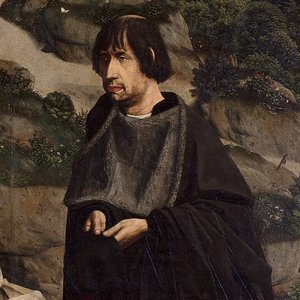
bartolomé bermejo
1440 - 1500 , Spain
基本情報
- Artistic Movement Or Style: Flemish Painting
- Artists Or Movements Influenced By This Artist: ['Early Renaissance']
- Artists Who Influenced This Artist:
- Jan van Eyck
- Rogier van der Weyden
- Date Of Birth: c. 1440
- Date Of Death: 1500
- Full Name: Bartolomé de Cárdena
- Nationality: Spanish
- Notable Artworks:
- Saint Michael Triumphs over the Devil
- Christ at the Tomb Supported by Two Angels
- Christ Leading the Patriarchs
- Place Of Birth: Córdoba, Spain
関連記事
Hugo van der Goes: Devotion, Innovation & the Psychological Depth of Early Netherlandish Painting
Explore the revolutionary art of Hugo van der Goes – a master of Early Netherlandish painting renowned for his dramatic realism, psychological depth & profound influence on Renaissance artists. Discover his iconic works and lasting legacy.
Early Netherlandish Masters: 10 Paintings That Revolutionized Art & Decor
Journey into the Early Netherlandish Renaissance! Explore 10 iconic paintings by Jan van Eyck, Rogier van der Weyden & more. Discover stunning detail, symbolism, and oil painting techniques. Find museum-quality art reproductions for your home at ArtsDot.com.
Early Netherlandish Masters: 10 Paintings That Revolutionized Art & Decor
Journey into the world of Early Netherlandish painting! Explore 10 masterpieces by Jan van Eyck, Rogier van der Weyden & more. Discover stunning detail, symbolism & Renaissance art for your home decor. Find museum-quality reproductions on ArtsDot.com

レンブラント傑作25選:光と影の巨匠、魂を揺さぶる名画の世界 | ArtsDot
レンブラントの傑作25選。光と影の魔術師が描いた魂を揺さぶる名画の世界へ。美術史に残る自画像、夜警、宗教画…ArtsDotで高品質なアートプリントやインテリアアートをお楽しみください。コレクションはこちら→
Rogier van der Weyden: Emotion, Innovation & the Early Netherlandish Renaissance
Explore the revolutionary art of Rogier van der Weyden, a pivotal figure of the Early Netherlandish Renaissance. Discover his emotional realism, innovative compositions, and lasting impact on painting history.

