

 プレビュー
プレビュー
 プリントを購入
 シェアする
シェアする シェアする
シェアする
 詳細を見る
詳細を見る

 ダウンロード
 似ている作品
 X線調査
X線調査 スライドショー
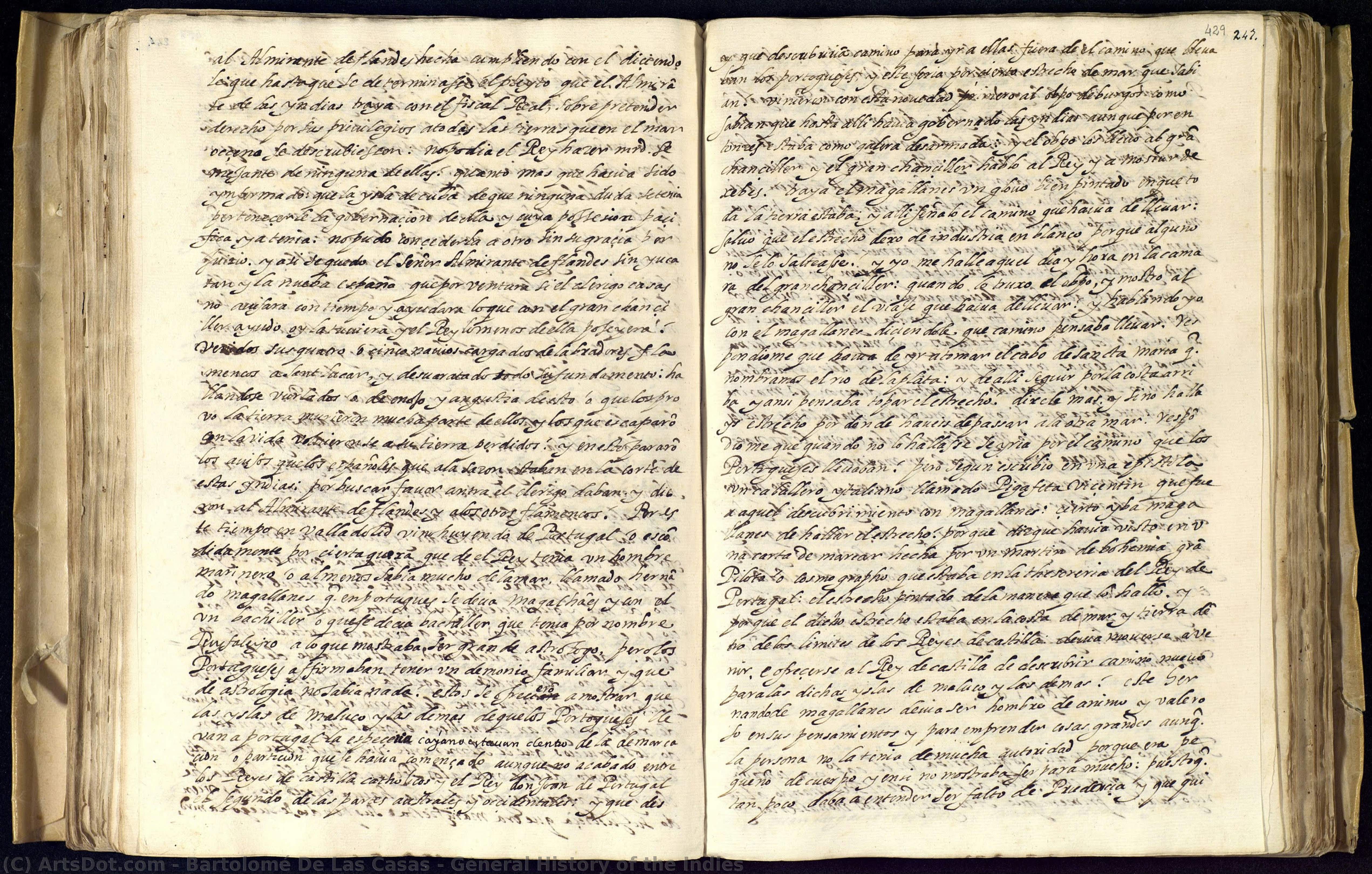
General History of the Indies


 詳細を見る
詳細を見る
オンラインプレビューをはるかに凌ぐ、高解像度で鮮明なデジタル画像をご購入いただけます。
各ファイルは、社内の専門家が高度なツールと熟練した手作業によるレタッチを用いて、細心の注意を払って準備されています。すべての画像において、卓越した鮮明度、正確な色彩再現性、そして繊細なディテールを保証いたします。
最終ファイルは、プロフェッショナルな編集・印刷環境ですぐにご利用いただけるよう最適化された状態で、72時間以内にメールにてお届けいたします。これは、一流のデザインスタジオ、出版社、ギャラリーから信頼されているものと同等の品質です。
デジタル画像のご注文に付随する特典
高品質なデジタル画像配信を、確かな品質で。
ArtsDot.com を選ぶことは、単に画像を手に入れることではありません。それは、プロの手によって精密に仕上げられ、満足保証が付いた高品質なデジタルアートワークを受け取ることを意味します。ご注文いただいた際に自動的に付随する内容は、以下の通りです:

メールですぐにお届け
ご注文から72時間以内に、高解像度のデジタル画像ファイルがメールでお手元に届きます。すぐにそのままご利用いただけます。

AI技術で最適化されたデジタルファイル
お客様の作品は、高度なAIツールと専門家による手作業の編集を組み合わせてプロフェッショナルに最適化されており、細部のディテール、鮮明さ、そして正確な色再現性を最大限に引き出しています。

一生涯無料の再送サービス
ファイルを誤って削除したり、紛失してしまったりしましたか?ご安心ください。いつでも無料で再送いたします。

輸入手数料は一切かかりません
関税や手数料、配送料を気にすることなく、お気に入りのアートワークをすぐにお楽しみいただけます。デジタルダウンロードは常に免税です。

色彩再現の保証
プロ仕様のツールとカラーマネジメント技術を用いることで、デジタル画像が元の色を最大限に忠実に再現することを保証いたします。

60日間満足保証
ご購入いただいたデジタル画像にご満足いただけない場合は、60日以内であれば、修正または100%の返金(理由を問う必要はありません)をさせていただきます。

100% 返金保証
ご満足いただけない場合は、デジタルファイルを受け取ってから60日以内であれば、理由を問わず全額返金いたします。

まとめ買い割引
3枚購入で10%OFF - 5枚購入で15%OFF - 10枚以上購入で20%OFF。クリエイティブなプロジェクト、ギャラリー、エージェンシーに最適です。
関連作品
![Vida De Miguel De Cervantes Saavedra (life Of Miguel De Cervantes Saavedra). Book V Of The Edition Of Don Quixote (biblioteca Nacional De España)\n\n[7] — Martín Fernández De Navarrete Y Ximénez De Tejada, Academic Art](/media/artworks/images-thumb/8c/b6/8cb67a4dd450447373a546c8dd039e57.jpg)
![La Verdadera Patria De Miguel De Cervantes (miguel De Cervantes’s True Homeland) (biblioteca Nacional De España)\n\n[4][fol.1] — Pedro José García Balboa, Baroque Rococo Revival](/media/artworks/images-thumb/a6/d8/a6d842058b3ffb23732e0ff43fd89aac.jpg)
作家の略歴
Hans Baldung: A Bridge Between Darkness and Light
Born in the small Imperial Free City of Schwäbisch Gmünd around 1484 or 1485, Hans Baldung was a figure of profound complexity within the burgeoning artistic landscape of Renaissance Germany. His life and work represent a fascinating confluence of influences – the meticulous precision of Albrecht Dürer, the brooding intensity of late Gothic traditions, and a distinctly personal vision that set him apart. While often categorized as a student of Dürer, Baldung’s trajectory reveals an artist forging his own path, one characterized by both technical mastery and a willingness to embrace darker, more emotionally charged themes.
Baldung's early years were shaped profoundly by his apprenticeship with the renowned Albrecht Dürer in Nuremberg. This period, spanning from 1503 to 1507, proved transformative. Dürer’s studio offered a rigorous training in drawing, printmaking, and perspective – skills Baldung absorbed with remarkable speed. However, it was not merely imitation that characterized his time with the master; Baldung quickly developed a distinct style, one that subtly diverged from Dürer's more idealized representations. He demonstrated an aptitude for capturing psychological depth and a willingness to explore unsettling subject matter, foreshadowing the emergence of Mannerism in Northern Europe.
The Shadowed Palette: Baldung’s Distinctive Style
Baldung’s artistic style is immediately recognizable by its dramatic use of color, often employing rich, saturated hues alongside stark contrasts. Unlike Dürer's comparatively restrained palette, Baldung favored a more expressive and emotionally charged approach. His works frequently feature unsettling imagery – grotesque figures, distorted perspectives, and a palpable sense of unease. This shift towards the darker side of the Renaissance is reflected in his nickname, “Hans Baldung Grien,” derived from the German word for green, which he was known to use liberally.
His output encompassed a remarkably diverse range of media: altarpieces, portraits, woodcuts, drawings, and even stained glass. The woodcuts, in particular, stand out as showcasing his unique vision. They are not merely decorative illustrations but rather complex allegorical narratives imbued with symbolic meaning and often tinged with a sense of foreboding. His depictions of the *Dance of Death* exemplify this tendency towards the macabre, offering a stark commentary on mortality and human frailty.
Influences and Artistic Connections
Baldung’s artistic development was shaped by a complex interplay of influences. As a student of Dürer, he inherited elements of the High Renaissance – particularly in his technical skill and understanding of perspective. However, he also drew heavily on late Gothic traditions, evident in his use of elongated figures, dramatic lighting, and emotionally charged expressions. Furthermore, Baldung’s travels exposed him to Italian art, specifically the work of artists like Raphael and Michelangelo, which informed his approach to composition and anatomy.
Crucially, Baldung's artistic journey was intertwined with that of Albrecht Dürer himself. Their relationship was marked by both collaboration and rivalry. Dürer recognized Baldung’s talent but also viewed him as a potential threat to his own reputation. Despite this tension, they maintained a professional connection throughout their careers, exchanging ideas and techniques.
Legacy and Historical Significance
Hans Baldung remains a pivotal figure in the transition from late Gothic to Renaissance art in Germany. He represents a bridge between these two stylistic traditions, embodying both meticulous craftsmanship and expressive intensity. His work foreshadowed the emergence of Mannerism, characterized by its emphasis on emotionality, distortion, and subjective experience.
Baldung’s legacy extends beyond his individual works. He played a crucial role in shaping the artistic landscape of Nuremberg and influenced generations of artists who followed. His willingness to explore darker themes and challenge conventional notions of beauty cemented his place as one of the most significant and enigmatic figures of the Northern Renaissance.
His influence can be seen in the work of later German artists, including Lucas Cranach the Elder, who continued to develop the expressive qualities that Baldung had pioneered. Ultimately, Hans Baldung’s art serves as a powerful reminder of the complexities and contradictions inherent in the human experience – a testament to the enduring power of darkness and light in shaping artistic vision.
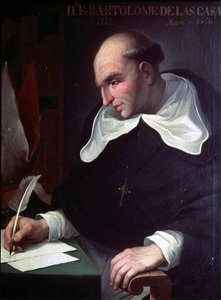
bartolomé de las casas
1484 - 1566 , Spain
プロフィール概要
- Artistic Movement Or Style: German Renaissance/Mannerism
- Artists Or Movements Influenced By This Artist: ['German Renaissance']
- Artists Who Influenced This Artist: ['Albrecht Dürer']
- Date Of Birth: 1484 or 1485
- Date Of Death: September 1545
- Full Name: Hans Baldung
- Nationality: German
- Notable Artworks:
- The Fall of Man
- Saint Sebastian
- Death and the Devil
- Place Of Birth: Schwäbisch Gmünd, Germany

