

 プレビュー
プレビュー
 プリントを購入
 シェアする
シェアする シェアする
シェアする
 詳細を見る
詳細を見る

 ダウンロード
 似ている作品
 X線調査
X線調査 スライドショー
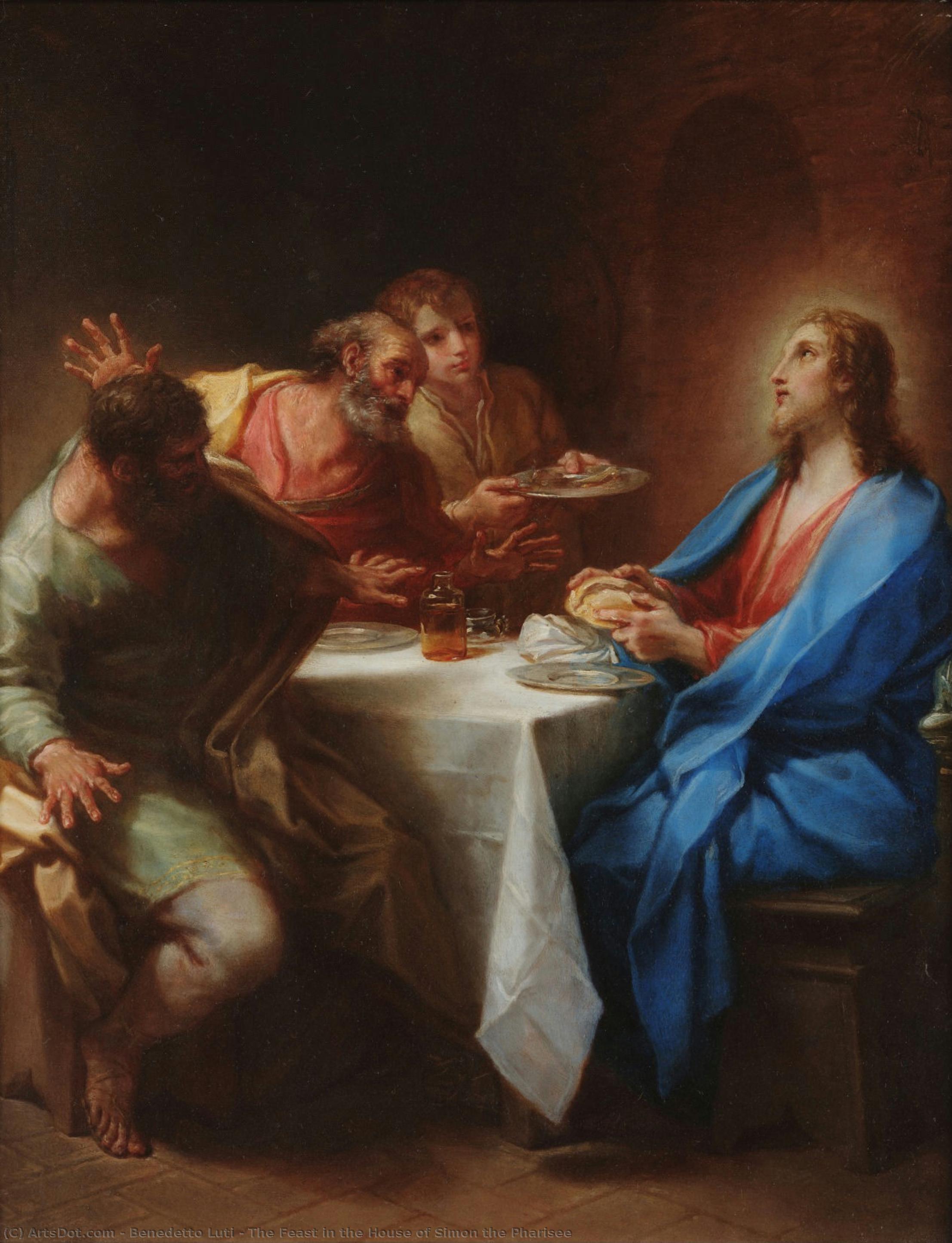
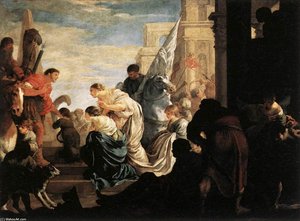
The Feast in the House of Simon the Pharisee


 詳細を見る
詳細を見る
オンラインプレビューをはるかに凌ぐ、高解像度で鮮明なデジタル画像をご購入いただけます。
各ファイルは、社内の専門家が高度なツールと熟練した手作業によるレタッチを用いて、細心の注意を払って準備されています。すべての画像において、卓越した鮮明度、正確な色彩再現性、そして繊細なディテールを保証いたします。
最終ファイルは、プロフェッショナルな編集・印刷環境ですぐにご利用いただけるよう最適化された状態で、72時間以内にメールにてお届けいたします。これは、一流のデザインスタジオ、出版社、ギャラリーから信頼されているものと同等の品質です。
デジタル画像のご注文に付随する特典
高品質なデジタル画像配信を、確かな品質で。
ArtsDot.com を選ぶことは、単に画像を手に入れることではありません。それは、プロの手によって精密に仕上げられ、満足保証が付いた高品質なデジタルアートワークを受け取ることを意味します。ご注文いただいた際に自動的に付随する内容は、以下の通りです:

メールですぐにお届け
ご注文から72時間以内に、高解像度のデジタル画像ファイルがメールでお手元に届きます。すぐにそのままご利用いただけます。

AI技術で最適化されたデジタルファイル
お客様の作品は、高度なAIツールと専門家による手作業の編集を組み合わせてプロフェッショナルに最適化されており、細部のディテール、鮮明さ、そして正確な色再現性を最大限に引き出しています。

一生涯無料の再送サービス
ファイルを誤って削除したり、紛失してしまったりしましたか?ご安心ください。いつでも無料で再送いたします。

輸入手数料は一切かかりません
関税や手数料、配送料を気にすることなく、お気に入りのアートワークをすぐにお楽しみいただけます。デジタルダウンロードは常に免税です。

色彩再現の保証
プロ仕様のツールとカラーマネジメント技術を用いることで、デジタル画像が元の色を最大限に忠実に再現することを保証いたします。

60日間満足保証
ご購入いただいたデジタル画像にご満足いただけない場合は、60日以内であれば、修正または100%の返金(理由を問う必要はありません)をさせていただきます。

100% 返金保証
ご満足いただけない場合は、デジタルファイルを受け取ってから60日以内であれば、理由を問わず全額返金いたします。

まとめ買い割引
3枚購入で10%OFF - 5枚購入で15%OFF - 10枚以上購入で20%OFF。クリエイティブなプロジェクト、ギャラリー、エージェンシーに最適です。
The Feast in the House of Simon the Pharisee: A Baroque Revelation
Benedetto Luti’s “The Feast in the House of Simon the Pharisee,” painted circa 1695, stands as a remarkable testament to the artistic fervor of Rome during its Baroque zenith. More than just a depiction of biblical narrative—the gathering of Jesus with Simon and his companions—it embodies the era's preoccupation with grandeur, dramatic illusionism, and profound spiritual contemplation.
Style and Composition: Drama Embodied
Luti’s masterful command of composition immediately draws the viewer into a scene brimming with palpable energy. The central table dominates the canvas, illuminated by an unseen source that casts long shadows across the room, creating a theatrical depth that transcends mere representation. Figures are arranged in carefully considered poses—Jesus at the apex of calm authority, Simon and his guest engaged in animated discussion—each contributing to the overall sense of movement and dynamism characteristic of Baroque art.
Technique: Pastel’s Delicate Brilliance
What distinguishes Luti's work from its contemporaries is his audacious embrace of pastel – a technique previously considered marginal, relegated primarily to decorative embellishments. Unlike oil paint, which builds up layers gradually, pastel involves applying pigment directly onto prepared paper, resulting in astonishing luminosity and tonal subtlety. This method allowed Luti to achieve unparalleled levels of nuance—capturing the soft glow of candlelight, the delicate textures of fabrics, and the subtle expressions on his subjects’ faces with breathtaking precision.
Historical Context: The Papal Patronage of Baroque Art
Rome under Pope Innocent XII witnessed an explosion of artistic creativity fueled by papal patronage. Artists like Luti were commissioned to adorn churches and palaces with monumental frescoes and opulent sculptures, reflecting the Church's desire to reaffirm its spiritual authority amidst the turbulent political landscape of Europe. “The Feast” exemplifies this ambition—a deliberate effort to inspire piety and convey a sense of divine presence.
Symbolism: Light, Gesture, and Spiritual Resonance
Beyond its visual splendor, the painting resonates with layers of symbolic meaning. The prominent placement of Jesus symbolizes divine grace and compassion, while Simon’s gestures communicate earnest engagement—a plea for understanding and acceptance. Furthermore, the abundance of wine glasses represents communion and fellowship, underscoring the importance of human connection within a spiritual framework. Luti skillfully utilizes these elements to elevate the scene beyond mere storytelling into a profound meditation on faith.
Emotional Impact: A Window Into Baroque Soul
"The Feast in the House of Simon the Pharisee" transcends its formal conventions to evoke a powerful emotional response. The viewer is transported back to 17th-century Rome, enveloped by the atmosphere of opulent celebration and spiritual fervor. Luti’s pastel technique captures not only visual detail but also the intangible essence of Baroque soul—a yearning for transcendence, an appreciation for beauty, and an unwavering belief in the transformative power of art.
- Artist: Benedetto Luti
- Year Painted: Circa 1695
- Medium: Pastel on Paper
- Location: Museo Nazionale Romano, Palazzo Massimo
A stunning reproduction of this masterpiece offers an exceptional opportunity to experience the brilliance of Baroque art firsthand.
関連作品

作家の略歴
A Florentine Master in Roman Splendor: The Life and Art of Benedetto Luti
Benedetto Luti, born in Florence on November 17, 1666, emerged as a pivotal figure bridging the grandeur of the Baroque with the delicate sensibilities of the Rococo. While details surrounding his earliest artistic training remain somewhat elusive, it’s clear he absorbed the vibrant artistic atmosphere of his native city—a cradle of Renaissance heritage and burgeoning creativity. Florence instilled in him a foundational skill set that would later flourish under the Roman sun, but it was in Rome that Luti truly discovered his unique voice, becoming celebrated not merely as a painter, but as an innovator who redefined the possibilities of pastel. His journey wasn’t simply one of technical mastery; it was a testament to artistic curiosity and a willingness to challenge conventional boundaries.Pioneering Pastel: A Revolution in Artistic Technique
Luti's lasting legacy rests upon his groundbreaking exploration of pastels. Prior to the late 17th century, pastel sticks were largely relegated to preparatory studies—a means to an end rather than a finished work in itself. Artists would use them for sketching compositions or underpainting canvases. Luti, however, perceived something more within this seemingly humble medium. He recognized its potential for achieving delicate tonal variations, capturing subtle nuances of light and shadow, and conveying a remarkable sense of intimacy. He elevated pastel to the status of a complete and expressive artistic technique, meticulously building up layers of color to create portraits that possessed an almost ethereal quality. This wasn’t merely about adopting a new material; it was about fundamentally altering the way portraiture could be conceived and executed. His mastery attracted the attention of Cosimo III de' Medici, Grand Duke of Tuscany, who became a crucial patron, enabling Luti to fully explore his artistic vision and establish a reputation that extended beyond Italy’s borders.A Versatile Artist: Beyond the Pastel Portrait
While Benedetto Luti is most readily associated with his exquisite pastel portraits, it's important to recognize the breadth of his artistic capabilities. He was a proficient oil painter and fresco artist, undertaking significant commissions that showcased his versatility. His work at the Basilica di San Giovanni in Laterano stands as evidence of his skill in large-scale decorative projects. Christ and the Woman of Samaria, completed between 1715 and 1720, exemplifies his ability to translate the dramatic narratives of religious scenes onto expansive surfaces with compelling dynamism. Beyond these grand commissions, Luti also produced works like Apollo and Daphne, demonstrating a command of mythological subjects and classical forms. His pastel portraits, however—such as Boy with a Flute (circa 1720)—remain his most iconic creations, capturing the personality and spirit of his sitters with remarkable sensitivity. These works weren’t simply likenesses; they were psychological studies rendered in shimmering color and delicate detail.Influence and Legacy: A Teacher and a Conduit
Luti's impact extended far beyond his own artistic output. He was a sought-after teacher, establishing a drawing school that attracted students from across Europe. Among his pupils were some of the most prominent artists of the following generation, including Giovanni Domenico Piastrini, Giovanni Paolo Panini, and—most notably—Pompeo Batoni. Batoni, who would become one of the leading portraitists of the 18th century, clearly absorbed Luti’s refined technique and sensitivity to character. Luti also operated as a successful art dealer, possessing an astute eye for quality and a deep understanding of the art market. In 1720, he was knighted by the Academy of St Luke in Rome and elected its ‘principe’ (leader)—a testament to his standing within the artistic community, though not without some debate regarding whether his body of work fully warranted such recognition. He continued to contribute to Roman churches until his death in 1724, leaving behind a legacy that continues to inspire artists and captivate audiences today. His pioneering use of pastel bridged the gap between Baroque grandeur and the more intimate style that characterized the Rococo period, solidifying his place as a significant figure in the history of art.Historical Significance: A Bridge Between Eras
Benedetto Luti’s historical significance lies not only in his technical innovations but also in his ability to synthesize diverse artistic influences. He drew inspiration from Baroque masters, evident in his dramatic compositions and attention to detail, yet he forged a path toward the more delicate and refined aesthetic of the Rococo. He was an artist who understood the power of both grandeur and intimacy, capable of creating works that were simultaneously imposing and deeply personal. His influence on subsequent generations of artists—particularly through his students—ensured that his techniques and sensibilities would continue to shape the course of European art. Luti’s work serves as a reminder that artistic progress is rarely about radical departures; it's often about subtle refinements, innovative applications of existing materials, and a willingness to explore new possibilities within established traditions. He remains a compelling figure—a Florentine master who found his true voice in the heart of Rome, leaving an indelible mark on the world of art.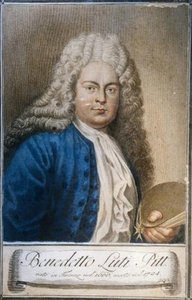
ベネデット・ルティ
1666 - 1724 , イタリア

