

 プレビュー
プレビュー
 シェアする
シェアする シェアする
シェアする
 詳細を見る
詳細を見る

 ダウンロード
 似ている作品
 X線調査
X線調査 スライドショー
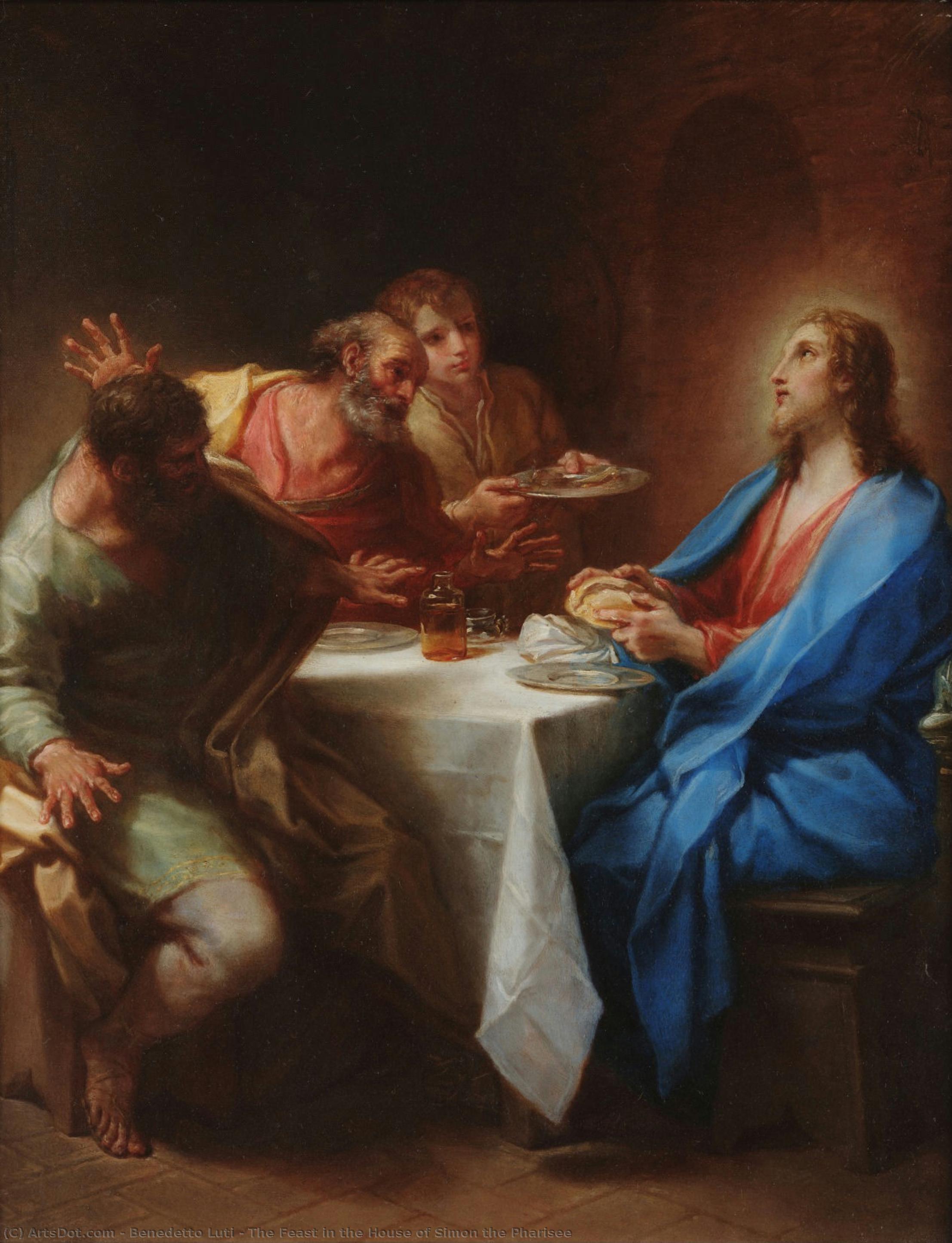
The Feast in the House of Simon the Pharisee


 詳細を見る
詳細を見る
ジークレー/アートプリント
迅速な制作と多彩な仕上げオプションを備えた、ミュージアムクオリティのジークレーまたはキャンバスプリント。 ( 手描きの絵画を購入 画像を購入)




P118B $10

P118H $10

P118W $10

P438Z $10

P508JH $12

P508YH $12

P805H $10

P805Z $10

P919BZ $10

P919G $10

P919XJ $10

P959ZH $10

P968JZ $12

W106C $8

W218G $10

W218JH $8

W218Y $10

W307PJ $10

W316G $10

W316PJ $8

W316Y $10

W398PJ $8

W4111J $10

W500HY $15

W500JH $15

W692G $12

W849H $8

W940BG $15

W953PJ $8




作品のオリジナル比率に合わせた、当店の規定サイズからお選びください。

特定のフレームやスペースに合わせて、ご自身でサイズを指定することも可能です。選択されたサイズが元の画像の比率と一致しない場合、作品をトリミングするか、鏡面反射または単色での塗りつぶしによって画像を拡張いたします。制作を開始する前に、ご確認用のデジタルモックアップをお送りいたします。
画面上のプレビューには、実際のトリミングや拡張は反映されませんのでご注意ください。最終的な構図を正確に確認できるのは、モックアップのみとなります。
カスタムサイズも承っておりますが、元の比率を維持するためには、あらかじめ用意されたリストからサイズを選択することをお勧めいたします。


 ガラスオプションは、110cm未満のサイズでのみご利用いただけます。

The Feast in the House of Simon the Pharisee
ジークレー/アートプリント
複製画のサイズ
-


合計金額
$ 62
The Feast in the House of Simon the Pharisee: A Baroque Revelation
Benedetto Luti’s “The Feast in the House of Simon the Pharisee,” painted circa 1695, stands as a remarkable testament to the artistic fervor of Rome during its Baroque zenith. More than just a depiction of biblical narrative—the gathering of Jesus with Simon and his companions—it embodies the era's preoccupation with grandeur, dramatic illusionism, and profound spiritual contemplation.
Style and Composition: Drama Embodied
Luti’s masterful command of composition immediately draws the viewer into a scene brimming with palpable energy. The central table dominates the canvas, illuminated by an unseen source that casts long shadows across the room, creating a theatrical depth that transcends mere representation. Figures are arranged in carefully considered poses—Jesus at the apex of calm authority, Simon and his guest engaged in animated discussion—each contributing to the overall sense of movement and dynamism characteristic of Baroque art.
Technique: Pastel’s Delicate Brilliance
What distinguishes Luti's work from its contemporaries is his audacious embrace of pastel – a technique previously considered marginal, relegated primarily to decorative embellishments. Unlike oil paint, which builds up layers gradually, pastel involves applying pigment directly onto prepared paper, resulting in astonishing luminosity and tonal subtlety. This method allowed Luti to achieve unparalleled levels of nuance—capturing the soft glow of candlelight, the delicate textures of fabrics, and the subtle expressions on his subjects’ faces with breathtaking precision.
Historical Context: The Papal Patronage of Baroque Art
Rome under Pope Innocent XII witnessed an explosion of artistic creativity fueled by papal patronage. Artists like Luti were commissioned to adorn churches and palaces with monumental frescoes and opulent sculptures, reflecting the Church's desire to reaffirm its spiritual authority amidst the turbulent political landscape of Europe. “The Feast” exemplifies this ambition—a deliberate effort to inspire piety and convey a sense of divine presence.
Symbolism: Light, Gesture, and Spiritual Resonance
Beyond its visual splendor, the painting resonates with layers of symbolic meaning. The prominent placement of Jesus symbolizes divine grace and compassion, while Simon’s gestures communicate earnest engagement—a plea for understanding and acceptance. Furthermore, the abundance of wine glasses represents communion and fellowship, underscoring the importance of human connection within a spiritual framework. Luti skillfully utilizes these elements to elevate the scene beyond mere storytelling into a profound meditation on faith.
Emotional Impact: A Window Into Baroque Soul
"The Feast in the House of Simon the Pharisee" transcends its formal conventions to evoke a powerful emotional response. The viewer is transported back to 17th-century Rome, enveloped by the atmosphere of opulent celebration and spiritual fervor. Luti’s pastel technique captures not only visual detail but also the intangible essence of Baroque soul—a yearning for transcendence, an appreciation for beauty, and an unwavering belief in the transformative power of art.
- Artist: Benedetto Luti
- Year Painted: Circa 1695
- Medium: Pastel on Paper
- Location: Museo Nazionale Romano, Palazzo Massimo
A stunning reproduction of this masterpiece offers an exceptional opportunity to experience the brilliance of Baroque art firsthand.
関連作品

関連記事

The Dramatic Flourish: Exploring the Baroque Movement's Enduring Legacy in Art History
Explore the dramatic world of Baroque art! Discover iconic artists like Caravaggio & Rubens, defining techniques, and its lasting impact on art history. Expert insights for collectors & enthusiasts at ArtsDot.

The Visceral Stage: Exploring Dramatic Narratives & Emotional Intensity in Baroque Art
Explore the dramatic world of Baroque art! Discover iconic masters like Caravaggio & Rembrandt, their techniques, and the movement's lasting impact. Expert insights for collectors & enthusiasts at ArtsDot.

バロック美術を極めた至宝:時代を彩る10大名作の世界
バロック美術の華!カラヴァッジョ、ベルニーニら巨匠が創り上げた10大名作を徹底解剖。ドラマチックな色彩と豪華絢爛の世界観に触れ、至宝のアートプリントで空間を彩ろう。ArtsDot.comで美術館品質の複製と洗練されたインテリアを見つけましょう!

バロックのドラマ:現代のインテリアに壮麗さと情感を取り込む
バロック様式の歴史、絵画、家具の魅力をご紹介。ArtsDotでは、高品質な油絵複製やカスタムポートレートをご提供し、現代のインテリアに壮麗さと情感を取り入れます。アートコンサルテーションも承ります。
Simon Vouet: A Baroque Master's Journey from Italian Influence to French Classicism
Explore the life & art of Simon Vouet, a pivotal French Baroque painter who introduced Italian styles to France. Discover his masterpieces and lasting influence on 17th-century art.

