

 シェアする
シェアする シェアする
シェアする
 詳細を見る
詳細を見る

 ダウンロード
 似ている作品
 スライドショー
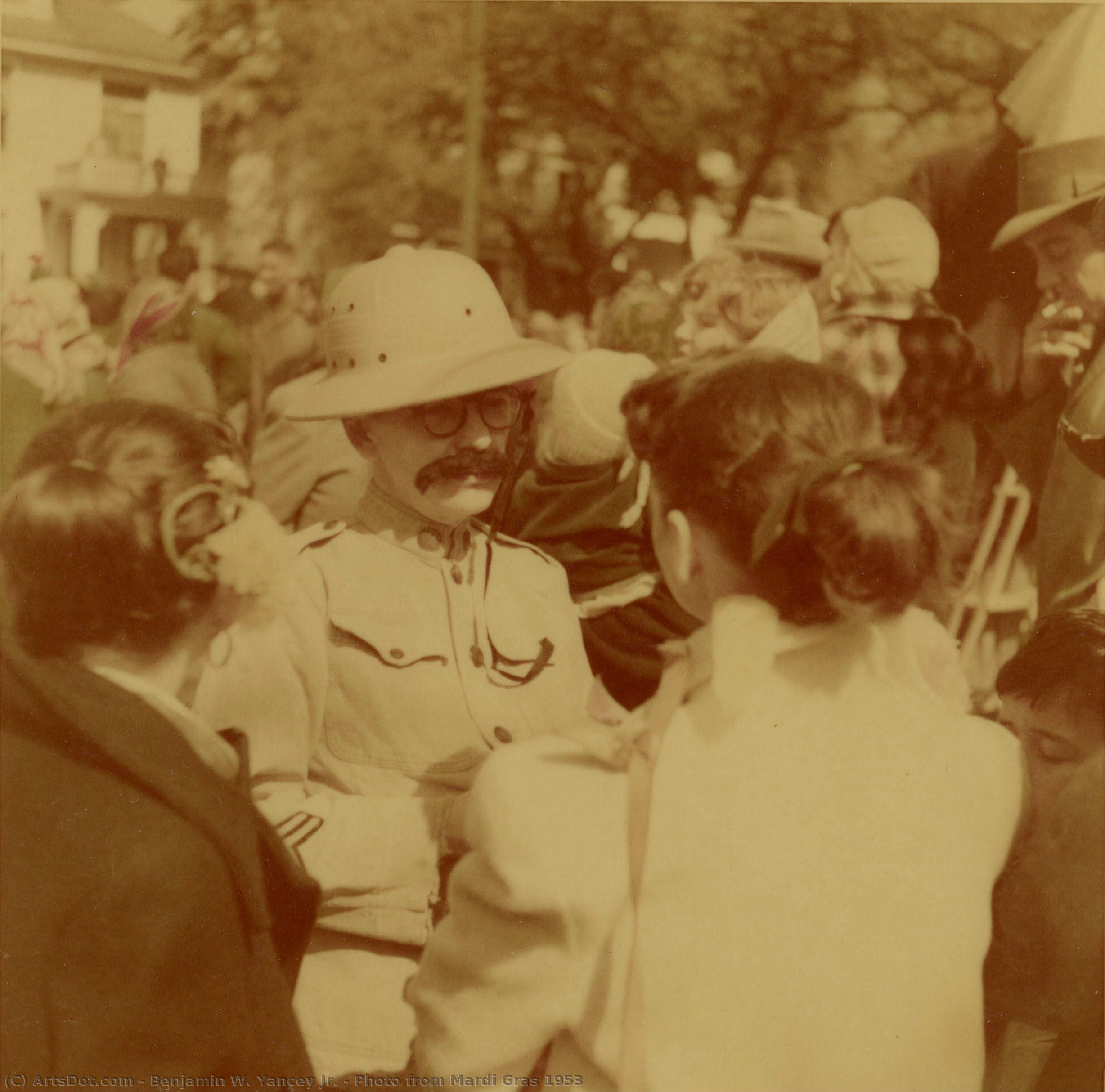
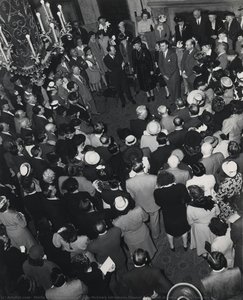
Photo from Mardi Gras 1953


 詳細を見る
詳細を見る
ジークレー/アートプリント
迅速な制作と多彩な仕上げオプションを備えた、ミュージアムクオリティのジークレーまたはキャンバスプリント。 ( 手描きの絵画を購入 画像を購入)




































作品のオリジナル比率に合わせた、当店の規定サイズからお選びください。

特定のフレームやスペースに合わせて、ご自身でサイズを指定することも可能です。選択されたサイズが元の画像の比率と一致しない場合、作品をトリミングするか、鏡面反射または単色での塗りつぶしによって画像を拡張いたします。制作を開始する前に、ご確認用のデジタルモックアップをお送りいたします。
画面上のプレビューには、実際のトリミングや拡張は反映されませんのでご注意ください。最終的な構図を正確に確認できるのは、モックアップのみとなります。
カスタムサイズも承っておりますが、元の比率を維持するためには、あらかじめ用意されたリストからサイズを選択することをお勧めいたします。


 ガラスオプションは、110cm未満のサイズでのみご利用いただけます。

Photo from Mardi Gras 1953
ジークレー/アートプリント
複製画のサイズ
-


合計金額
$ 62
作品詳細説明
A Glimpse into Carnival's Electric Heart
To stand before this photograph from Mardi Gras in 1953 is to be instantly transported across the decades, pulled by the sheer kinetic energy captured within the frame. It is more than just a record of an event; it is a vibrant tableau vivant, a frozen moment of communal ecstasy under the festive glow of New Orleans. The black and white medium lends an immediate patina of nostalgia, softening the edges of time while simultaneously intensifying the drama unfolding among the revelers. One can almost hear the distant strains of brass bands and feel the humid press of the crowd against the skin.
The Subject Matter: Life in Celebration
At the heart of this composition stands a gentleman, distinguished by his hat and spectacles, who seems to command the attention of those around him. He is not merely observing; he is participating in the grand theater of Mardi Gras. The surrounding crowd—a tapestry of faces, gestures, and shared experience—forms an organic counterpoint to the central figure. Notice how the composition guides the eye: from the immediate foreground figures interacting closely with the main subject, sweeping back through the density of the onlookers, and finally resting on the solitary chair placed thoughtfully to the right. This arrangement suggests a narrative pause within a continuous flow of celebration, allowing us, the viewers, a privileged moment of observation.
Historical Resonance and Atmosphere
The year 1953 places this image squarely in a post-war America, yet one deeply rooted in the enduring, almost mythical traditions of New Orleans. Mardi Gras itself is a potent cultural force—a period where social strata momentarily dissolve into shared revelry. The photograph captures that unique liminal space: a place where history, tradition, and spontaneous joy collide. For collectors and designers alike, this piece offers an unparalleled connection to American cultural history, evoking the spirit of gathering, spectacle, and unbridled festivity.
Technique and Emotional Echoes
While presented as a photograph, its reproduction allows us to appreciate the masterful interplay of light and shadow inherent in documentary photography. The contrast achieved in the black and white rendering is crucial; it sculpts the faces and folds of clothing, lending a timeless gravitas to the fleeting moment. Emotionally, the piece resonates with themes of community and ephemeral joy. It speaks to the human need for ritual, for gathering under the banner of celebration. Owning this reproduction is not just acquiring art; it is curating a memory—a sophisticated echo of laughter echoing down centuries of Carnival tradition.
関連作品

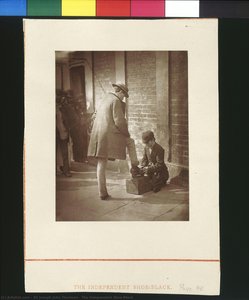
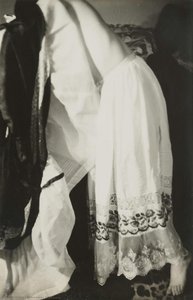
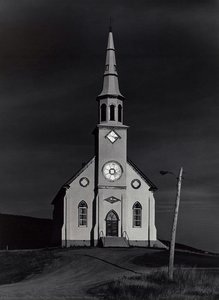
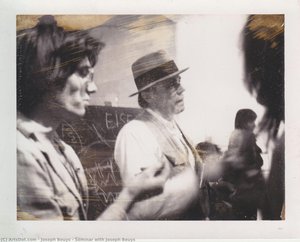
アーティストの略歴
Benjamin W. Yancey Jr.: A Life of Politics, War, and Photography
Early Life and Education
- Born: April 27, 1817, in New Orleans, United States of America.
- Yancey Jr. came from a prominent Southern family; his father was Benjamin Cudworth Yancey Sr., and he was the brother of William Lowndes Yancey, a leading “Fire-Eater” advocating for secession.
- He received a formal education at Franklin College (now part of the University of Georgia), graduating in 1836 with a Bachelor of Arts degree.
- Yancey Jr. continued his studies at Harvard Law School, earning a Bachelor of Laws degree.
Political and Legal Career
- He began his legal career in Edgefield, South Carolina, practicing law from 1846 to 1849.
- Yancey Jr. served as a U.S. Representative for South Carolina from 1849 to 1851, aligning with the Democratic Party.
- Strong Secessionist Views: He became a vocal supporter of slavery and states' rights, advocating for secession in the years leading up to the Civil War.
- He served as a Confederate States Senator from 1862 to 1865 during the American Civil War.
Military Service During the Civil War
- During the Civil War, Yancey Jr. actively participated in the Confederate cause.
- He initially served as a major in Cobb's Legion before being transferred to Georgia with the rank of Colonel, where he commanded state troops.
Transition to Photography
- A Shift in Focus: After the Civil War, Yancey Jr. turned his attention to photography, documenting life in New Orleans and beyond.
- He became known for capturing vibrant scenes of Mardi Gras celebrations, providing a valuable visual record of this cultural tradition.
- His photographs also depicted mid-century American life, offering glimpses into the social and political landscape of the time. Notable subjects included parades and everyday street scenes.
Artistic Style and Themes
- Documentary Approach: Yancey Jr.’s photography is characterized by a documentary style, aiming to realistically portray his subjects without significant artistic manipulation.
- Cultural Preservation: His Mardi Gras photographs are particularly valuable for their preservation of cultural traditions and social customs.
- His work provides insights into the post-war South and the changing dynamics of American society.
Legacy and Historical Significance
- Benjamin W. Yancey Jr.’s life reflects the complexities of 19th-century America, encompassing politics, war, and cultural documentation.
- His photographs offer a unique perspective on New Orleans’ Mardi Gras celebrations and provide valuable historical records of mid-20th century American life.
- A Multifaceted Figure: He remains a notable figure in both Southern history and the development of documentary photography.
- His work can be explored through online platforms like ArtsDot.com and historical archives, ensuring his legacy endures for future generations.
Death
- Yancey Jr. passed away on October 24, 1891.
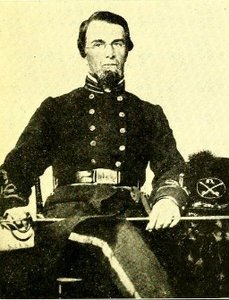
benjamin w. yancey jr.
1817 - 1891 , United States of America
基本情報
- Birth Date: April 27, 1817
- Birth Place: New Orleans, United States of America
- Death Date: October 24, 1891
- Movement: Photography
- Name: Benjamin W. Yancey Jr.
- Nationality: American
- Notable Works:
- Photo from Mardi Gras 1953
- Eisenhower parade, horse and rider, Decatur St.
関連記事

Dark Masterpieces: 10 Iconic Paintings Dominated by Black Tones |
Explore 10 iconic paintings dominated by black tones, from Rembrandt’s chiaroscuro to Goya's dark expressions. Discover the stories behind these masterpieces & find museum-quality art reproductions for your home at .

Mars Black Masterpieces: 10 Iconic Paintings & Timeless Art Decor Ideas
Delve into the power of 'Mars Black' with 10 iconic paintings by masters like Rembrandt & Caravaggio. Explore dramatic chiaroscuro, gothic art, and timeless beauty. Find museum-quality reproductions & elevate your home decor on .
Beyond Graffiti: Exploring the Evolution & Cultural Impact of Street Art for Collectors
Explore the evolution of street art from rebellious origins to a respected fine art form. Discover key artists like Banksy & learn how to collect urban art with confidence. Expert insights for discerning investors.
Lamp Black & Masterpieces: 10 Paintings That Define Shadow & Light |
Delve into the captivating world of 'Lamp Black' tones with 10 iconic paintings by masters like Rembrandt & Caravaggio. Explore Baroque chiaroscuro, dramatic lighting & shadow in art history. Find museum-quality reproductions at
現代ストリート・アートの隆盛:ギャラリーの壁を超えた文化的反省と歴史的背景
現代ストリート・アートの隆盛を歴史的背景と社会的反省の視点から深く掘り下げます。ギャラリーとの関係性、日本における独自性、コレクターズ視点まで網羅。高品質なアートコレクションのための情報を提供します。

