

 プレビュー
プレビュー
 プリントを購入
 シェアする
シェアする シェアする
シェアする
 詳細を見る
詳細を見る

 ダウンロード
 似ている作品
 X線調査
X線調査 スライドショー
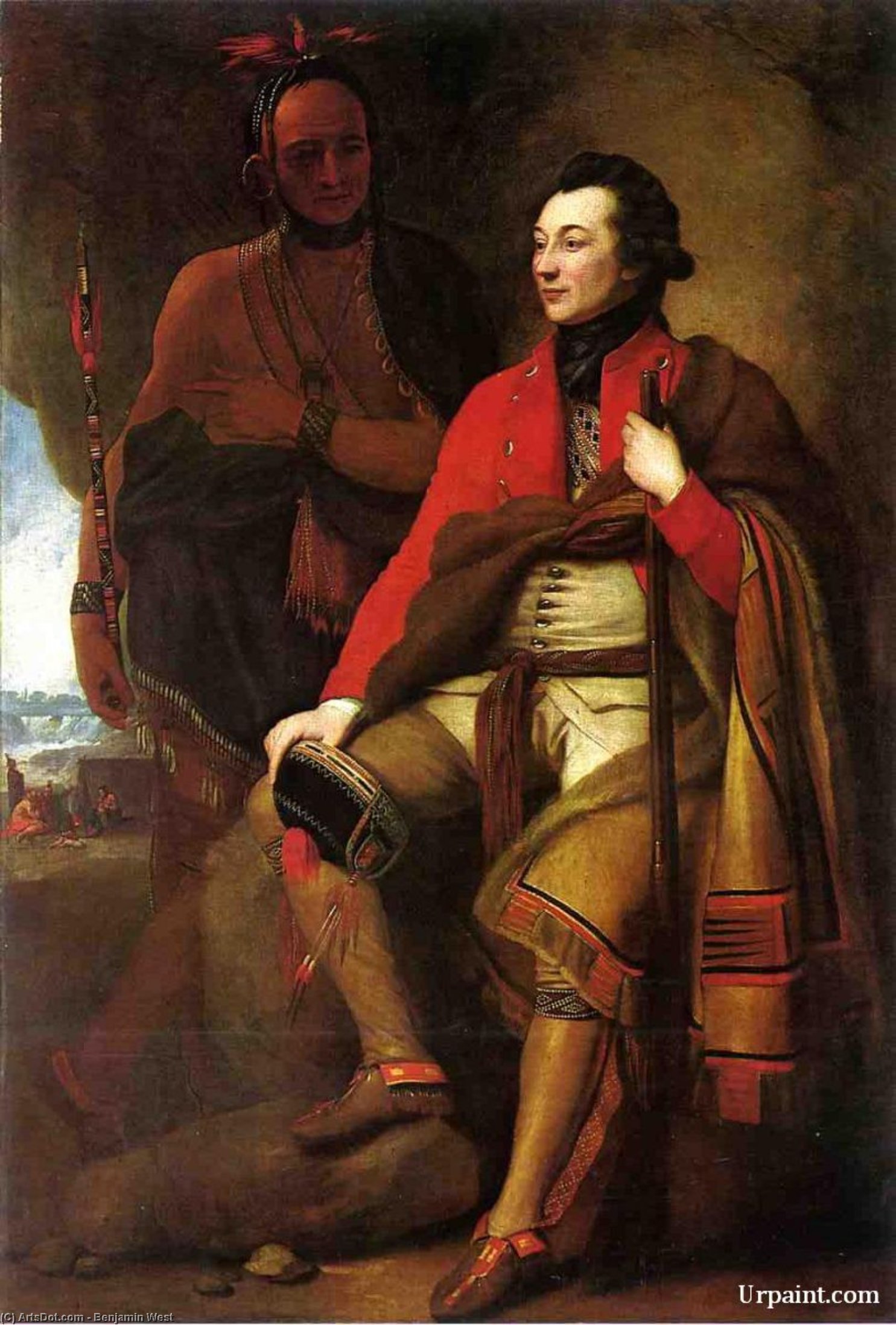
Portrait of Colonel Guy Johnson and Karonghyontye


 詳細を見る
詳細を見る
オンラインプレビューをはるかに凌ぐ、高解像度で鮮明なデジタル画像をご購入いただけます。
各ファイルは、社内の専門家が高度なツールと熟練した手作業によるレタッチを用いて、細心の注意を払って準備されています。すべての画像において、卓越した鮮明度、正確な色彩再現性、そして繊細なディテールを保証いたします。
最終ファイルは、プロフェッショナルな編集・印刷環境ですぐにご利用いただけるよう最適化された状態で、72時間以内にメールにてお届けいたします。これは、一流のデザインスタジオ、出版社、ギャラリーから信頼されているものと同等の品質です。
デジタル画像のご注文に付随する特典
高品質なデジタル画像配信を、確かな品質で。
ArtsDot.com を選ぶことは、単に画像を手に入れることではありません。それは、プロの手によって精密に仕上げられ、満足保証が付いた高品質なデジタルアートワークを受け取ることを意味します。ご注文いただいた際に自動的に付随する内容は、以下の通りです:

メールですぐにお届け
ご注文から72時間以内に、高解像度のデジタル画像ファイルがメールでお手元に届きます。すぐにそのままご利用いただけます。

AI技術で最適化されたデジタルファイル
お客様の作品は、高度なAIツールと専門家による手作業の編集を組み合わせてプロフェッショナルに最適化されており、細部のディテール、鮮明さ、そして正確な色再現性を最大限に引き出しています。

一生涯無料の再送サービス
ファイルを誤って削除したり、紛失してしまったりしましたか?ご安心ください。いつでも無料で再送いたします。

輸入手数料は一切かかりません
関税や手数料、配送料を気にすることなく、お気に入りのアートワークをすぐにお楽しみいただけます。デジタルダウンロードは常に免税です。

色彩再現の保証
プロ仕様のツールとカラーマネジメント技術を用いることで、デジタル画像が元の色を最大限に忠実に再現することを保証いたします。

60日間満足保証
ご購入いただいたデジタル画像にご満足いただけない場合は、60日以内であれば、修正または100%の返金(理由を問う必要はありません)をさせていただきます。

100% 返金保証
ご満足いただけない場合は、デジタルファイルを受け取ってから60日以内であれば、理由を問わず全額返金いたします。

まとめ買い割引
3枚購入で10%OFF - 5枚購入で15%OFF - 10枚以上購入で20%OFF。クリエイティブなプロジェクト、ギャラリー、エージェンシーに最適です。
作品の詳細
Portrait of Colonel Guy Johnson and Karonghyontye – A Testament to Colonial Diplomacy
The painting Portrait of Colonel Guy Johnson and Karonghyontye by Benjamin West stands as an arresting emblem of the fraught relationship between British colonial ambition and Native American resistance during the tumultuous years preceding the American Revolution. Executed in 1776, this oil on canvas masterpiece resides within the National Gallery of Art’s collection, offering a glimpse into a pivotal moment in transatlantic history—a carefully orchestrated negotiation for alliance and survival. West's masterful depiction transcends mere portraiture; it embodies an intellectual engagement with cultural differences and the complexities of political maneuvering.- Subject Matter: The central figures are Colonel Guy Johnson, representing British authority, and Karonghyontye, a prominent Mohawk chieftain symbolizing Native American sovereignty. Their positioning—Johnson dominating the left side, Karonghyontye gazing towards him from the shadows—immediately establishes a dynamic interplay of power and deference.
- Style & Technique: West’s neoclassical style is evident in the idealized poses and expressions of his subjects, mirroring the artistic conventions prevalent during his time. He employs meticulous detail to capture textures – the fur trim on Johnson's cloak, the intricate patterns of Karonghyontye’s attire – demonstrating a profound understanding of artistic craftmanship. The chiaroscuro technique skillfully illuminates the faces and hands of both men, enhancing their psychological depth.
- Historical Context: Commissioned during the escalating tensions between Britain and its American colonies, this portrait reflects the British government's strategic imperative to secure the allegiance of Native American tribes like the Mohawk Confederacy. The depiction underscores the precarious balance between diplomacy and military preparedness—a reflection of the era’s anxieties about the unfolding revolution.
- Symbolism: Beyond the figures themselves, symbolic elements contribute to the painting’s narrative richness. The musket held by Johnson symbolizes British military strength, while Karonghyontye's gesture towards the peace pipe signifies the importance of maintaining harmonious relations between cultures. The rocky background serves as a grounding element, mirroring the rugged landscape of North America and reinforcing the scene’s authenticity.
Benjamin West: Bridging Worlds Through Artistic Vision
Benjamin West (1738-1820) was an artist who defied convention by forging his own path—a self-taught prodigy who captivated audiences with his ability to portray both grandeur and intimacy. His early exposure to Native American artistry instilled within him a unique perspective that would permeate his oeuvre, shaping his distinctive neoclassical style. Unlike many of his contemporaries who adhered rigidly to established artistic formulas, West embraced experimentation and innovation, constantly pushing the boundaries of technique and expression.- Early Influences: West’s formative years in Pennsylvania witnessed firsthand the blending of European and Native American traditions—a fusion that would profoundly impact his artistic sensibilities. His fascination with capturing the essence of human emotion and experience fueled his ambition to create works that resonated deeply with viewers.
- Neoclassical Mastery: West's unwavering commitment to classical ideals—proportion, balance, and idealized beauty—defined his artistic style. He meticulously studied ancient sculptures and architectural ruins, absorbing the principles of Greek and Roman art and integrating them into his paintings. This stylistic choice reflects a broader intellectual movement that sought to revive the glories of antiquity as a counterpoint to the excesses of Rococo.
- Royal Patronage & Legacy: West’s success in securing royal patronage—particularly from King George III—established him as one of Britain's most celebrated artists. His role as president of the Royal Academy cemented his influence on artistic discourse and ensured that his legacy would endure for generations to come.
A Detailed Examination of Composition & Technique
West’s meticulous attention to detail is palpable throughout Portrait of Colonel Guy Johnson and Karonghyontye. The artist skillfully utilizes chiaroscuro—the dramatic interplay of light and shadow—to sculpt the figures, emphasizing their musculature and conveying a sense of psychological realism. Furthermore, West's masterful rendering of textures – from the velvety fur lining of Johnson’s cloak to the rough stone backdrop – contributes to the painting’s immersive quality. The artist’s compositional choices—the positioning of the subjects, the framing of the scene—serve to heighten the drama and underscore the symbolic significance of each element.- Color Palette: West employs a restrained color palette dominated by earthy tones – browns, reds, and greys – reflecting the rugged landscape of North America and grounding the figures in their environment.
- Brushwork: The artist’s brushstrokes are deliberate and controlled, conveying both precision and fluidity. He achieves remarkable textural effects through layering paint—creating a palpable sense of depth and realism.
- Lighting Effects: Dramatic lighting illuminates Johnson's face and hand, highlighting his confidence and authority, while Karonghyontye is bathed in softer light, symbolizing his contemplative gaze.
The Painting Today & Its Enduring Appeal
Portrait of Colonel Guy Johnson and Karonghyontye continues to captivate viewers with its masterful execution and profound symbolic resonance. As a testament to Benjamin West’s artistic genius and his ability to capture the spirit of an era, it remains a cornerstone of American art history—a captivating visual narrative that speaks to themes of diplomacy, cultural understanding, and the complexities of political alliances. Its enduring appeal lies in its timeless beauty and its capacity to inspire contemplation about the forces shaping human experience. Hand-painted reproductions are available on ArtsDot.com for those wishing to own a piece of this remarkable artistic achievement.関連作品

作家の略歴
ペンシルベニアの若き才能:ベンジャミン・ウェストの生い立ちと初期のキャリア
1738年、植民地時代のペンシルベニアに生まれたベンジャミン・ウェストは、新旧大陸を繋ぐ芸術家として頭角を現しました。彼の生涯は、並外れた独学精神、揺るぎない野心、そして貴族のパトロンと革命的な思想の両方と繋がりを持つ類まれな能力によって彩られています。スプリングフィールドで宿屋の息子として生まれたウェストは、幼少の頃から芸術に触れ、正式な訓練を受ける前にネイティブ・アメリカンから基本的な技術を学んだと言われています。この型破りな始まりが、彼のキャリア全体を通して見られる革新的な精神を育みました。彼はフィラデルフィアやニューヨークで求められる肖像画家としてすぐに頭角を現しましたが、より深い芸術的知識への渇望は彼を1760年にヨーロッパへと導き、アメリカ美術の進路を永遠に変える旅に出発しました。イタリアからロンドンへ:名声への道
ウェストがイタリアに到着したことは転換点となりました。ヨーロッパの芸術の中心地で没頭し、彼はティツィアーノやラファエロなどの巨匠を研究し、アントン・ラファエル・メングスやアンジェリカ・カウフマンのような同時代の新古典主義思想家と交流しました。この時期は彼の美的感性を形成する上で非常に重要であり、古典的な形式と歴史的物語への理解を深めました。しかし、最終的にロンドンが彼の帰身の地となり、芸術の中心地となりました。1763年に到着したウェストは、野心的なキャンバスで観客を魅了し、ジョージ3世国王の後援を得て、瞬く間にイギリス美術界のランクを駆け上がりました。この王室からの支持は経済的安定をもたらしただけでなく、彼の地位を確立しました。1769年のロイヤル・アカデミーへの選出は画期的な瞬間であり、彼は後に1892年から亡くなるまで会長を務めることになります。彼の影響力は自身の芸術作品の制作を超え、アメリカ人アーティストが海外で訓練を受けるための支援と指導を提供し、アリストンやコプリー、モースといった次世代の画家たちを育てました。歴史画の革新:技法と論争
ウェストの芸術世界への影響は、単に技術的な習熟度を達成することだけではありませんでした。それは慣習に挑戦することについてでした。彼は歴史画を再考し、古典的な先例への厳格な遵守から離れ、より現代的な感性を取り入れました。おそらく彼の最も有名な作品である「ウォルフ将軍の死」(1770)は、この革新的なアプローチを具体的に示しています。従来のローマ風の衣装ではなく、*同時代の*軍服を着た人物を描くことで、ウェストは大きな議論を巻き起こしました。批評家たちは歴史的正確性を疑問視しましたが、観客はそのシーンの即時性と感情的な共鳴に魅了されました。この大胆な動きは、より現実主義と物語性のある歴史画へのシフトを示し、それに続く無数のアーティストに影響を与えました。彼のスタイルは時間の経過とともに進化し、後の作品にはロマン主義の要素を取り入れましたが、常に野心的な構成と詳細な実行へのコミットメントを維持しました。他の注目すべき作品であるテティスが鎧をもたらす、三姉妹、アステュアナクスの恐怖、絶望の洞窟は、彼の多様性と神話や歴史的テーマにおける習熟度を示しています。永続的な遺産:芸術的アイデンティティの形成
ベンジャミン・ウェストの遺産は、彼が制作したキャンバスを超えています。彼はアメリカ美術の風景を根本的に変え、歴史画をアメリカ人アーティストにとって実行可能なジャンルとして確立し、国民的な芸術的アイデンティティの感覚を育みました。ロイヤル・アカデミーの会長としての彼の地位は、イギリス美術への影響力を確固たるものにし、革新を促進し、新たな才能を支援しました。- 彼は、よりアクセスしやすく感情的に魅力的な歴史表現のスタイルを提唱しました。
- 彼のスタジオは、ヨーロッパで訓練を受けるアメリカ人アーティストのための避難所となりました。
- 彼は、新古典主義の理想と勃興するロマン派運動との間の架け橋となりました。
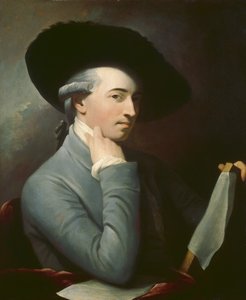
ベンジャミン・ウェスト
1738 - 1820 , アメリカ合衆国
プロフィール概要
- Artistic Movement Or Style: 新古典主義、ロマン主義
- Artists Or Movements Influenced By This Artist:
- オールストン
- コプリー
- モース
- Artists Who Influenced This Artist:
- ティツィアーノ
- ラファエロ
- メングス
- Date Of Birth: 1738年10月10日
- Date Of Death: 1820年3月11日
- Full Name: ベンジャミン・ウェスト
- Nationality: アメリカ人
- Notable Artworks:
- 「ウォルフ将軍の死」
- 「テティスの武具」
- Place Of Birth (City And Country): ペンシルベニア州スプリングフィールド

