

 プレビュー
プレビュー
 プリントを購入
 シェアする
シェアする シェアする
シェアする
 詳細を見る
詳細を見る

 ダウンロード
 似ている作品
 X線調査
X線調査 スライドショー
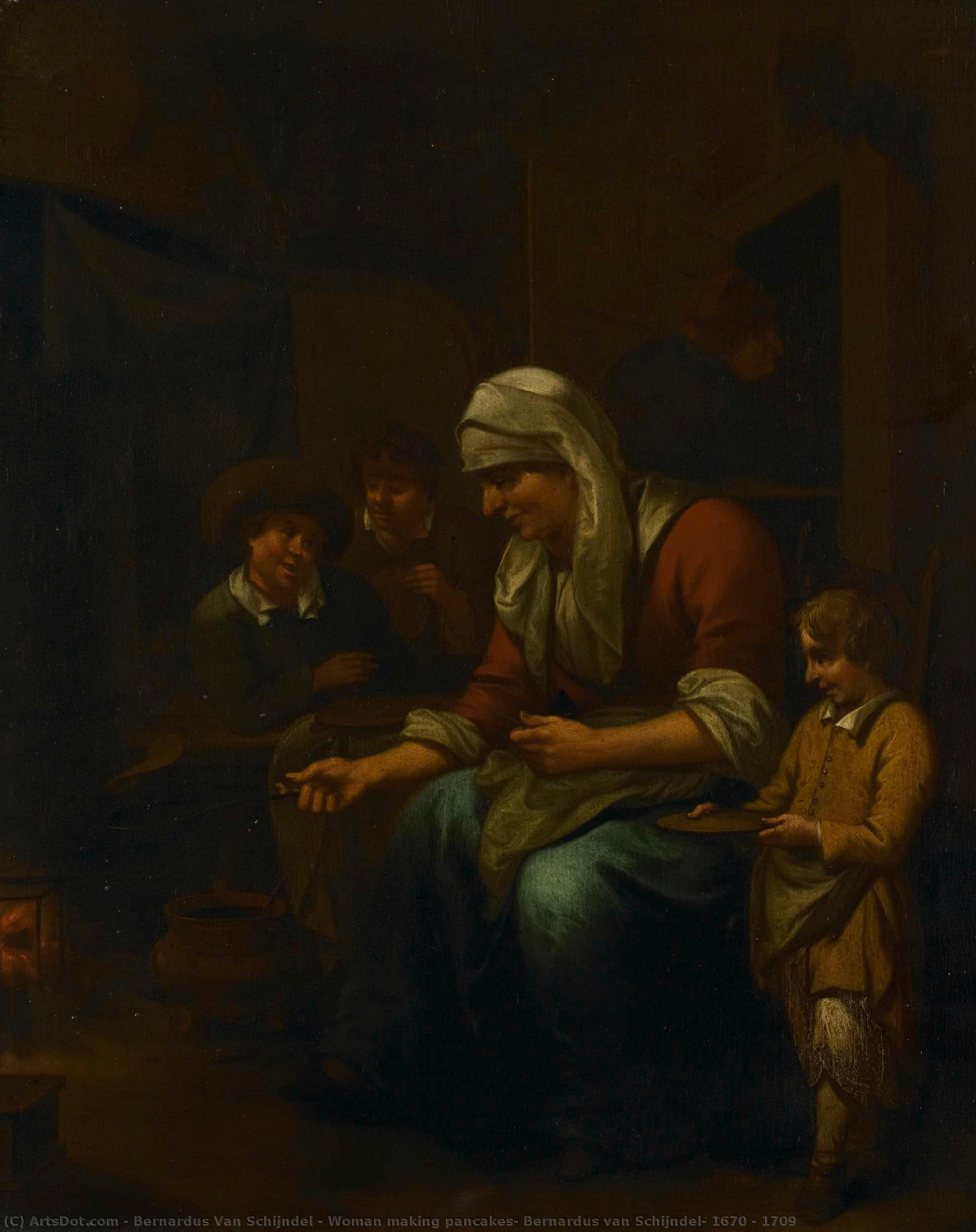
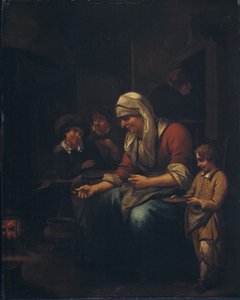
Woman making pancakes, Bernardus van Schijndel, 1670 - 1709
 Dutch Golden Age
 1709
1709 49.0 x 39.0 cm
 詳細を見る
詳細を見る




































作品のオリジナル比率に合わせた、当店の規定サイズからお選びください。

特定のフレームやスペースに合わせて、ご希望のサイズをご入力いただけます。選択されたサイズが元の画像の比率と異なる場合、アートワークをトリミングするか、手描きで要素を追加して絵画を拡張いたします。デジタルモックアップ を制作し、制作開始前にご確認(承認)をいただきます。
画面上のプレビューは、実際のトリミングや拡張を正確に反映しているものではありません。最終的な構図は、モックアップによってのみ正確にご確認いただけます。
カスタムサイズもご利用いただけますが、元の比率を維持するためには、あらかじめ用意されたリストからサイズを選択することをお勧めいたします。
ご注文後、ArtsDot.com チームより詳細な指示をお送りするとともに、仕上がりイメージ(モックアップ)をご提供いたします。


 ガラスオプションは、110cm未満のサイズでのみご利用いただけます。

Woman making pancakes, Bernardus van Schijndel, 1670 - 1709
複製技法
複製画のサイズ
-


合計金額
$ 338
関連作品

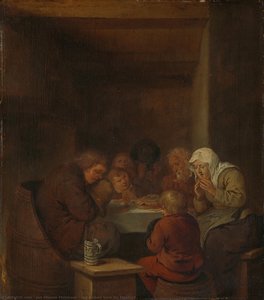
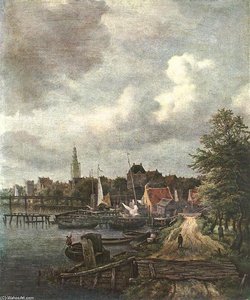
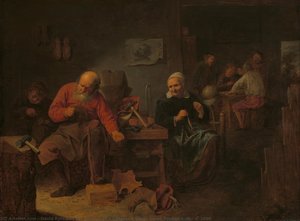
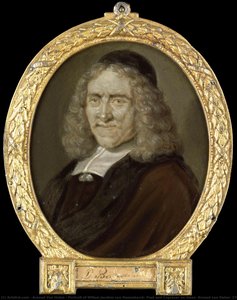
アーティストの略歴
A Quiet Observer of Dutch Life: Bernardus van Schijndel
Bernardus van Schijndel, a name perhaps less celebrated than some of his Golden Age contemporaries, nevertheless occupies a charming and significant niche in the pantheon of 17th-century Dutch painters. Born in Weesp in 1647, not Haarlem as often mistakenly recorded, Van Schijndel dedicated himself to capturing the intimate moments of everyday life with a delicate touch and an almost photographic realism. His career unfolded across several decades, marked by a subtle evolution in style and subject matter, yet consistently characterized by small-scale genre scenes brimming with quiet narrative and domestic warmth. While biographical details remain somewhat sparse, piecing together accounts from sources like Arnold Houbraken reveals a life spent traversing the artistic landscapes of the Netherlands, leaving behind a legacy of captivating glimpses into the world he observed.Early Life and Apprenticeship
Van Schijndel’s early training remains largely undocumented, but his association with Reinier (Richard) Brakenburg in Leeuwarden provides valuable insight into his formative years. Houbraken, the esteemed 18th-century art historian, noted Van Schijndel as a companion to Brakenburg, suggesting a period of collaboration and shared artistic influence. More importantly, it’s recorded that Van Schijndel served as a teacher to Jelle Sibrandsz, a young painter who would later journey to Italy in 1669. This mentorship underscores Van Schijndel's developing skill and reputation within the local art community. His marriage to Lysbet Sanderius in 1677 near Weesp indicates a period of stability, though records show his residence shifting between Leeuwarden from 1671-1696 before ultimately settling in Haarlem, where he passed away in 1709. This peripatetic existence likely broadened his exposure to diverse regional styles and subject matter, subtly shaping his artistic vision.The Charm of Domesticity: Van Schijndel’s Signature Style
Van Schijndel carved out a distinctive space for himself by focusing on small-scale genre paintings—intimate depictions of daily life within the homes of ordinary Dutch citizens. Unlike the grand historical narratives or opulent portraits favored by some artists, Van Schijndel found beauty in the commonplace. His most recognizable works often feature scenes of women engaged in domestic tasks: a woman meticulously making pancakes, a schoolmaster imparting knowledge to eager pupils, or families gathered around a simple meal. These are not idealized representations; rather, they possess a remarkable degree of realism, capturing the textures of fabrics, the play of light on surfaces, and the subtle expressions of his subjects. His paintings exude a sense of tranquility and authenticity, inviting viewers to step into these quiet moments and share in the lives of those depicted. The meticulous detail and skillful use of *chiaroscuro*—the dramatic contrast between light and shadow—lend depth and atmosphere to his compositions, further enhancing their emotional resonance.Influences and Artistic Development
While Van Schijndel’s style is uniquely his own, echoes of other Dutch masters can be discerned in his work. The influence of Pieter de Hooch, known for his courtyard scenes and architectural precision, is evident in Van Schijndel's attention to interior spaces and perspective. Similarly, the genre paintings of Jan Steen, with their lively depictions of everyday life, may have informed his narrative approach. However, Van Schijndel distinguishes himself through a more restrained palette and a greater emphasis on psychological realism. His later works demonstrate a refinement in technique, with smoother brushstrokes and a heightened sensitivity to color and light. He never embraced the flamboyant drama of some of his contemporaries, instead opting for a quiet intimacy that speaks volumes about the values and sensibilities of Dutch society during the Golden Age.Legacy and Historical Significance
Though not widely recognized during his lifetime, Bernardus van Schijndel’s work has experienced a resurgence in appreciation in recent years. His paintings offer invaluable insights into the domestic lives of 17th-century Dutch citizens, providing a glimpse beyond the grand narratives of history and politics.- His meticulous attention to detail and realistic portrayal of everyday scenes make his works particularly appealing to modern viewers.
- Van Schijndel’s focus on women engaged in domestic tasks challenges traditional art historical narratives that often marginalized female subjects.
- The quiet intimacy and emotional resonance of his paintings offer a poignant reflection on the values and sensibilities of Dutch society during the Golden Age.
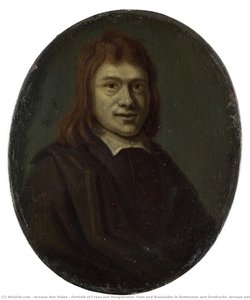
bernardus van schijndel
1647 - 1709 , Netherlands
基本情報
- Artistic Movement Or Style: Dutch Golden Age painting
- Artists Who Influenced This Artist: ['Reinier Brakenburg']
- Date Of Birth: 1647
- Date Of Death: 1709
- Full Name: Bernardus van Schijndel
- Nationality: Dutch
- Notable Artworks:
- The Schoolmaster
- Woman making pancakes
- Place Of Birth: Weesp, Netherlands
関連記事

黄金世紀の巨匠たち:バロック絵画が彩る10選|ArtsDot
オランダ黄金時代の10大傑作を紐解く!レンブラント、フェルメール…バロック絵画の魅力と時代背景を深く探求。ArtsDotで、至高のアートコレクションと空間演出のヒントを見つけよう。高品質なアートプリントで、お部屋を華やかに。
Genre Painting: A Window into Daily Life & Societal Values of the Dutch Golden Age
Explore the captivating world of Dutch Golden Age genre painting! Discover realistic depictions of daily life, masterful artists like Ostade & Metsu, and hidden symbolism. Learn about this influential art movement with ArtsDot.

レンブラント傑作25選:光と影の巨匠、魂を揺さぶる名画の世界 | ArtsDot
レンブラントの傑作25選。光と影の魔術師が描いた魂を揺さぶる名画の世界へ。美術史に残る自画像、夜警、宗教画…ArtsDotで高品質なアートプリントやインテリアアートをお楽しみください。コレクションはこちら→
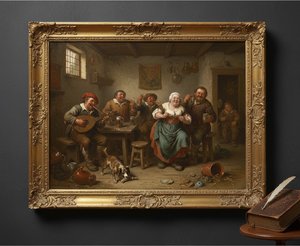
Adriaen van Ostade: A Master of Dutch Genre Painting & Social Commentary
Explore the life & work of Adriaen van Ostade, a leading Dutch Golden Age painter. Discover his realistic genre scenes, social commentary, and lasting influence on art history. Learn more at ArtsDot.

Golden Age Reflections: Dutch Baroque Painting & Cultural Innovation
Explore the Dutch Golden Age of painting! Discover key artists like Vermeer & ter Borch, their innovative techniques, and the rich cultural context behind these Baroque masterpieces. Learn about collecting & appreciating this iconic art period.