 プレビュー
プレビュー
 シェアする
シェアする シェアする
シェアする
 詳細を見る
詳細を見る

 ダウンロード
 似ている作品
 X線調査
X線調査 スライドショー
 Stats
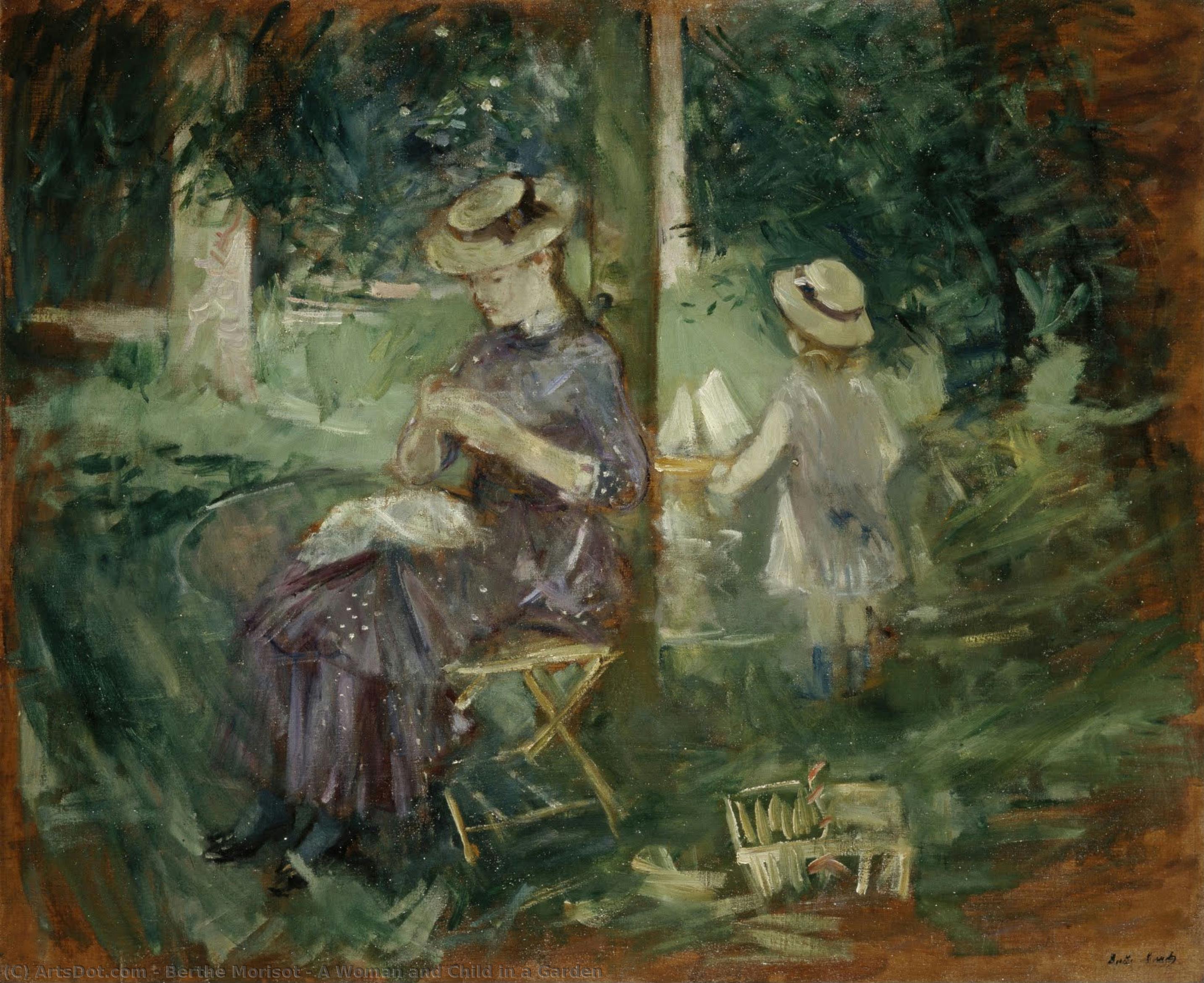
StatsA Woman and Child in a Garden


 詳細を見る
詳細を見る
手描き油彩複製画
当社のアーティストが、お客様のご希望のサイズと額縁に合わせて、キャンバスに手描きで制作する油彩画です。 ( Switch to Print Switch to Digital Image)




P118B $10

P118H $10

P118W $10

P438Z $10

P508JH $12

P508YH $12

P805H $10

P805Z $10

P919BZ $10

P919G $10

P919XJ $10

P959ZH $10

P968JZ $12

W106C $8

W218G $10

W218JH $8

W218Y $10

W307PJ $10

W316G $10

W316PJ $8

W316Y $10

W398PJ $8

W4111J $10

W500HY $15

W500JH $15

W692G $12

W849H $8

W940BG $15

W953PJ $8




作品のオリジナル比率に合わせた、当店の規定サイズからお選びください。

特定のフレームやスペースに合わせて、ご希望のサイズをご入力いただけます。選択されたサイズが元の画像の比率と異なる場合、アートワークをトリミングするか、手描きで要素を追加して絵画を拡張いたします。デジタルモックアップ を制作し、制作開始前にご確認(承認)をいただきます。
画面上のプレビューは、実際のトリミングや拡張を正確に反映しているものではありません。最終的な構図は、モックアップによってのみ正確にご確認いただけます。
カスタムサイズもご利用いただけますが、元の比率を維持するためには、あらかじめ用意されたリストからサイズを選択することをお勧めいたします。
ご注文後、ArtsDot.com チームより詳細な指示をお送りするとともに、仕上がりイメージ(モックアップ)をご提供いたします。


 ガラスオプションは、110cm未満のサイズでのみご利用いただけます。

A Woman and Child in a Garden
複製技法
複製画のサイズ
-


合計金額
$ 263
A Moment of Quietude: Berthe Morisot’s “A Woman and Child in a Garden”
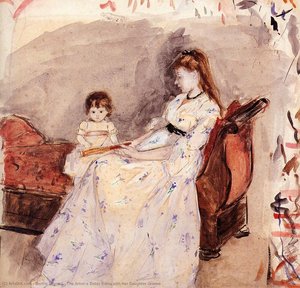
Berthe Morisot's "A Woman and Child in a Garden," painted between 1883 and 1884, isn’t merely a depiction of a domestic scene; it’s a carefully constructed tableau brimming with subtle symbolism and an exquisite sensitivity to light. This intimate portrait, housed within the Scottish National Gallery in Edinburgh, offers a rare glimpse into the private world of a French bourgeois family during the late 19th century – a world where leisure, familial connection, and the fleeting beauty of nature held profound significance. Morisot, a key figure within the Impressionist movement, masterfully captures this atmosphere through her distinctive technique and evocative use of color, inviting us to step into this serene moment of domestic tranquility.
The painting immediately draws the eye to its central figures: a woman seated on a simple chair, diligently knitting, and her young child standing nearby. The composition is deliberately asymmetrical, with the woman angled slightly towards the viewer, creating a sense of intimacy and drawing us into their shared space. Her posture suggests absorption in her task, while the child’s stance – poised and alert – hints at playful curiosity. Notice how Morisot avoids rigid formality; there's an inherent grace and informality to their arrangement, reflecting the relaxed atmosphere of a summer afternoon spent outdoors.
Impressionistic Techniques and Light
Morisot’s approach to painting is immediately recognizable as distinctly Impressionist. She eschews meticulous detail in favor of capturing the *impression* of light and color – the way sunlight filters through foliage, dances on surfaces, and transforms a scene with its ever-changing qualities. Her brushstrokes are loose and visible, creating a shimmering effect that mimics the dappled light filtering through the garden’s trees. The palette is dominated by soft blues, greens, and browns, punctuated by touches of brighter hues in the woman's dress and the child’s clothing. This careful orchestration of color isn’t about photographic realism; it’s about conveying a feeling – the warmth of the sun, the freshness of the air, and the contentment of shared moments.
The artist skillfully employs *plein air* painting—working directly from nature—a hallmark of the Impressionist movement. This technique allowed Morisot to observe and record light and color with unprecedented accuracy, resulting in paintings that are remarkably vibrant and alive. She used short, broken brushstrokes to build up layers of paint, creating a sense of depth and atmosphere. The background is deliberately blurred, emphasizing the foreground figures and contributing to the overall feeling of intimacy.
Symbolism and Context
Beyond its immediate visual appeal, “A Woman and Child in a Garden” carries subtle symbolic weight. The act of knitting represents domesticity, nurturing, and the quiet rhythms of family life – values highly prized within 19th-century French society. The garden itself serves as a sanctuary—a space for respite from the demands of daily life, a place where nature’s beauty can be appreciated. The presence of the bird perched on a branch above the figures adds another layer of symbolism, representing freedom and connection to the natural world.
Furthermore, the painting reflects Morisot's own personal circumstances. She spent summers at a house in Bougival, northwest of Paris, often painting in the Bois de Boulogne – locations that undoubtedly informed her depiction of this idyllic scene. Her marriage to Eugène Manet, brother of Édouard Manet, provided a supportive artistic environment, and their shared life offered countless opportunities for observing and capturing intimate moments like these.
Emotional Resonance and Artistic Legacy
“A Woman and Child in a Garden” is more than just a pretty picture; it’s a poignant meditation on family, nature, and the beauty of everyday life. Morisot's ability to capture such subtle emotions—a sense of peace, contentment, and quiet connection—is truly remarkable. The painting resonates with viewers today because it speaks to universal themes of love, family, and the simple pleasures of life.
Morisot’s work has been celebrated for its delicate beauty, innovative technique, and insightful portrayal of modern life. She remains one of the most important figures in Impressionism, a testament to her artistic vision and enduring legacy. Reproductions of this captivating painting offer a wonderful opportunity to bring a touch of Morisot's serene world into your own home – a reminder to appreciate the beauty that surrounds us and cherish the moments we share with loved ones.
関連作品
アーティストの略歴
光と親密さに浸された生涯
1841年、フランスのブールジュに生まれたベルト・モリゾは、印象派運動における極めて重要な人物としてその名を刻みました。しかし、彼女の物語は単なる「女性印象派画家」という言葉の枠組みを遥かに超えています。彼女を性別のみで定義することは、その芸術的ビジョンの深い独創性と、現代生活の移ろいゆきゆく瞬間を捉えようとした揺るぎない情熱を軽視することに他なりません。ロココ様式の巨匠ジャン=オノレ・フラゴナールとも縁のある、芸術的な血筋を持つブルジョワ家庭に生まれたモリゾは、当時の女性としては珍しい教育を受けました。その教育は彼女の天賦の才能を育み、生涯にわたる絵画への献身を形作ることとなったのです。ジョフロワ=アルフォンス・ショカルヌやジョゼフ・ギュシャールによる初期のレッスンが基礎的な技術を授けましたが、彼女の芸術的感性を真に燃え上がらせたのは、ルーヴル美術館で名画に触れ、巨匠たちの作品を模写した経験でした。この厳格な修練の時期が、後の光、色彩、そして形態への探求の礎となったのです。特にジャン=バティスト=カミーユ・コローの影響は甚大であり、自然から直接描く「外光派(プレネール)」の手法はモリゾの画風の柱となり、光と大気の儚い性質を驚くほど繊細に捉えることを可能にしました。印象派の輪の中で
モリゾの芸術的な歩みは、1864年に出会ったエドゥアール・マネの軌跡と密接に絡み合っています。二人の関係は相互の尊敬と知的な交流に満ちたものであり、マネは師であり友人でもありました。彼は彼女を何度も描き、自身の進化し続ける画風の中に彼女の存在を永遠に刻み込みました。しかし、モリゾは単なるモデルに留まりませんでした。彼女は勃興しつつあった印象派運動に積極的に参画し、モネ、ドガ、ルノワール、ピサロと共に創設メンバーの一人となったのです。1874年、彼女は公式サロンの保守的な基準に抗い、「拒絶された」芸術家たちと共に大胆にも展覧会を開催しました。この第1回印象派展は、伝統的なアカデズムの慣習に挑戦し、新たな芸術表現の道を切り拓いた美術史の転換点となりました。その後もモリゾはほぼすべての印象派展に参加し続け、独自の視点を提示することでアヴァンギャルド(前衛)における地位を確固たるものにしました。読書にふける女性、子供を抱く母親、庭園での穏やかなひとときといった、親密な家庭生活の情景を描いた彼女の作品は、明確に「女性的な眼差し」を提示し、当時の社会規範に挑みながら、女性画家が描くべき主題の範囲を大きく広げたのです。独自の芸術的語り口
モリゾを際立たせているのは、単に「何を描いたか」ではなく、「いかに描いたか」という点にあります。彼女の筆致は繊細な流動性を特徴とし、その軽やかなタッチは、即興性と直接的な感覚を伝えてくれます。彼女は「筆触分割(分割された色彩)」を見事に操り、純粋な顔料の小さなストロークを隣り合わせに置くことで、光と大気がきらめくような効果を生み出しました。壮大な風景や賑やかな街並みに焦点を当てた他の印象派の仲間たちとは異なり、モリゾはしばしば親密な室内画や肖像画を選び、人間関係の機微や日常の静かな美しさを探求しました。そのパレットは概して柔らかく調和しており、パステル調の色合いや繊細な色彩の階調を好みました。これは彼女の作品に力強さが欠けているという意味ではありません。むしろ、洗練された優雅さと感情的な深みを備えており、それは現代の鑑賞者の心にも深く響き続けています。ギュスターヴ・ジェフロのような批評家もこの比類なき質を見抜き、マリー・ブラックモンやメアリー・カスットと並び、彼女を印象派の「三人の偉大な女性(les trois grandes dames)」の一人と称え、運動への多大な貢献を認めました。遺産と永続する影響
ベルト・モリゾの生涯は1895年に悲劇的な早すぎる死によって断たれましたが、彼女の芸術的遺産は今もなお生き続けています。エドゥアールの弟であるウジェーヌ・マネと結婚し、女性画家が過小評価されがちな世界を歩みながらも、彼女は揺るぎない決意を持って前進し続けました。彼女はあえて旧姓のまま展示を行い、それは自立と自己主張を示す密かな抵抗でもありました。彼女の作品は、その繊細な美しさ、感情的な誠実さ、そして革新的な技法によって、今も観る者を魅了して止みません。モリゾの影響は印象派という領域を超え、女性が芸術的な卓越性を達成し、美術史の進化に有意義に貢献できることを証明することで、次世代の女性アーティストたちの道を切り拓きました。今日、彼女の絵画は世界中の権威あるコレクションに収蔵されており、その不朽の才能と、近代美術を形作る上で果たした極めて重要な役割の証となっています。『緑のドレスの女』、『ゆりかご』、そして『夏の日』といった作品は、彼女の熟練した技法の象徴として、光と親密さ、そして静かな瞑想の世界へと私たちを誘い続けています。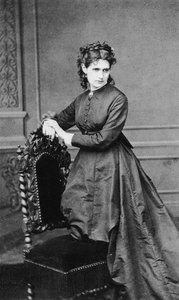
ベルト・モリゾ
1841 - 1895 , フランス
基本情報
- Artistic Movement Or Style: 印象派
- Artists Or Movements Influenced By This Artist: ['印象派']
- Artists Who Influenced This Artist:
- コロー
- マネ
- Date Of Birth: 1841年1月14日
- Date Of Death: 1895年3月2日
- Full Name: ベルト・モリゾ
- Nationality: フランス人
- Notable Artworks (List Of Titles):
- 緑のドレスの女
- ゆりかご
- 読書
- Place Of Birth (City And Country): フランス、ブールジュ
関連記事
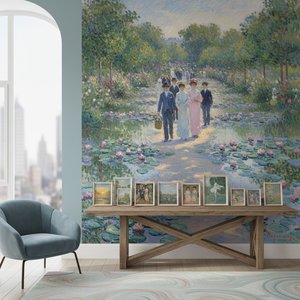
印象派を定義する至宝:時代を超えた10傑 – 美術、画家、そして洗練された空間演出
印象派を代表する10傑の世界へ。モネ、ルノワールら巨匠の技と色彩が織りなす至高の名作を紐解きます。美術、インテリアに新たなインスピレーションを。ArtsDot.comで、博物館品質のアート複製と洗練された空間演出を見つけましょう。
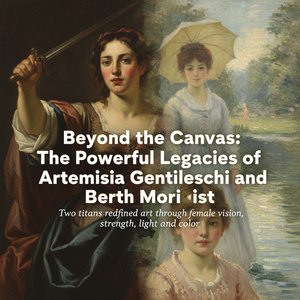
Beyond the Shadows: The Powerful Legacies of Artemisia Gentileschi and Berthe Morisot
Explore the profound legacies of Artemisia Gentileschi and Berthe Morisot. Discover how these female masters redefined the Baroque and Impressionist eras through dramatic chiaroscuro and luminous light, leaving an indelible mark on art history and modern aesthetics.
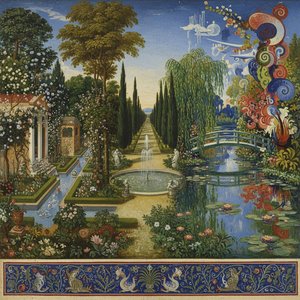
Cultivating Paradise: A Historical & Artistic Exploration of Gardens in Painting
Explore the rich history of gardens in painting! Discover masterpieces from Renaissance to Impressionism & beyond. Learn about symbolism, artists like Monet & Klimt, and find your perfect artwork at ArtsDot.
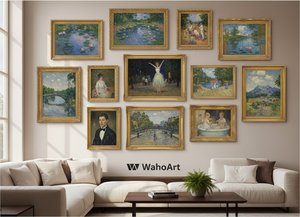
印象派絵画を定義づけた至宝:トップ10必見の傑作の世界
印象派絵画の歴史を彩る、時代を超越した10選。モネ、ルノワールら巨匠の名作に迫り、その技と物語を紐解きます。色彩豊かなアートで空間を演出!ArtsDot.comで至高のアートレプリカを見つけましょう。

Impressionism's Masterpieces: 10 Paintings That Defined a Movement | ArtsDot
Journey through Impressionism's heart with 10 iconic paintings by Monet, Renoir & Degas. Explore light, color & the stories behind these masterpieces. Find museum-quality art reproductions and elevate your home decor on ArtsDot.com.