

 プレビュー
プレビュー
 シェアする
シェアする シェアする
シェアする
 詳細を見る
詳細を見る

 ダウンロード
 似ている作品
 X線調査
X線調査 スライドショー
 Stats
StatsUntitled


 詳細を見る
詳細を見る
手描き油彩複製画
当社のアーティストが、お客様のご希望のサイズと額縁に合わせて、キャンバスに手描きで制作する油彩画です。 ( Switch to Print Switch to Digital Image)




































作品のオリジナル比率に合わせた、当店の規定サイズからお選びください。

特定のフレームやスペースに合わせて、ご希望のサイズをご入力いただけます。選択されたサイズが元の画像の比率と異なる場合、アートワークをトリミングするか、手描きで要素を追加して絵画を拡張いたします。デジタルモックアップ を制作し、制作開始前にご確認(承認)をいただきます。
画面上のプレビューは、実際のトリミングや拡張を正確に反映しているものではありません。最終的な構図は、モックアップによってのみ正確にご確認いただけます。
カスタムサイズもご利用いただけますが、元の比率を維持するためには、あらかじめ用意されたリストからサイズを選択することをお勧めいたします。
ご注文後、ArtsDot.com チームより詳細な指示をお送りするとともに、仕上がりイメージ(モックアップ)をご提供いたします。


 ガラスオプションは、110cm未満のサイズでのみご利用いただけます。

Untitled
複製技法
複製画のサイズ
-


合計金額
$ 263
A Dance of Shadow and Light
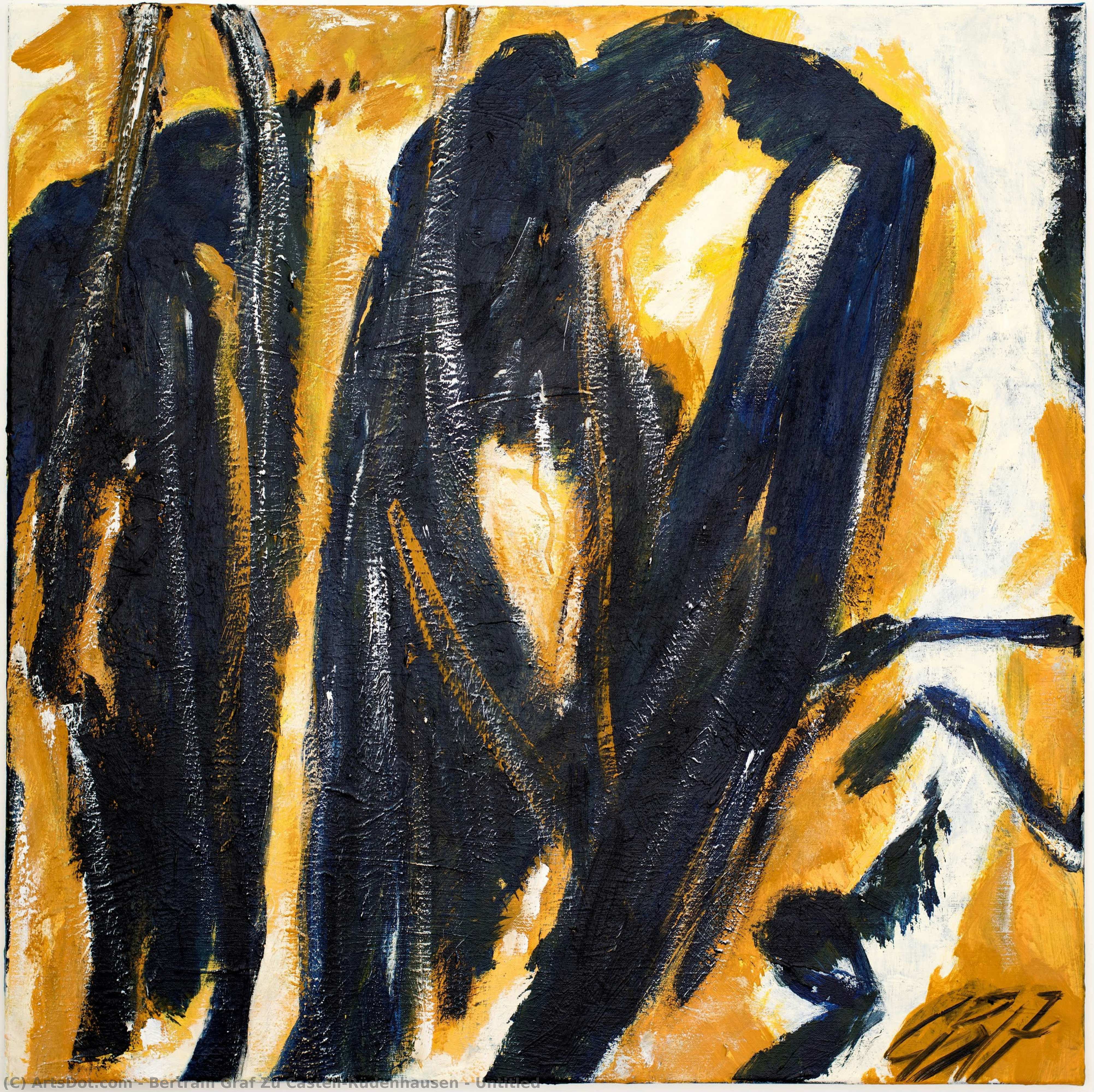
In this evocative piece from the year 2000, the artist Bertram Graf zu Castell-Rüdenhausen invites us into a dreamlike realm where the boundaries between humanity and nature blur into a singular, poetic vision. The canvas is dominated by a profound, deep blue background that serves as an infinite nocturnal stage, casting a sense of quiet introspection upon the viewer. At the heart of this celestial void, two figures emerge, rendered in striking contrasts of black and yellow. These silhouettes do not merely occupy the space; they seem to vibrate against the cool azure backdrop, their forms captured in a moment of stillness that feels both monumental and fleeting. The use of bold, primary-adjacent tones creates a visual tension that draws the eye inward, compelling the observer to contemplate the relationship between the subjects and the vastness surrounding them.
The technique employed here speaks to the artist's mastery of gestural abstraction, a style he refined through his classical training in Vienna. While the figures possess a recognizable human essence, they are treated with an expressive fluidity that prioritizes emotional resonance over anatomical precision. The subtle inclusion of trees in the background adds a layer of organic complexity, providing a sense of depth and dimension that prevents the composition from feeling flat. These natural elements act as anchors, grounding the ethereal blue expanse with the tangible textures of the earth. Through this delicate balance of abstract form and representational suggestion, the painting achieves a rhythmic harmony, much like a visual melody composed of light and shadow.
Symbolism and Emotional Resonance
Beyond its striking aesthetic, the artwork carries a profound symbolic weight that resonates with the human condition. The interplay between the dark silhouettes and the luminous yellow highlights can be interpreted as the eternal struggle between the known and the unknown, or perhaps the spark of life persisting within the vastness of the cosmos. There is an inherent intimacy in the way the two figures stand together, suggesting themes of companionship, shared destiny, or the quiet strength found in connection amidst a lonely universe. For the collector or interior designer, this piece offers more than mere decoration; it provides a focal point for contemplation, capable of transforming a room into a sanctuary of thought.
For those seeking to integrate fine art into a contemporary living space, this reproduction serves as a sophisticated statement of elegance and depth. Its ability to evoke a sense of calm while maintaining a commanding visual presence makes it an ideal choice for high-end residential or gallery settings. The painting does not demand attention through noise, but rather captures it through a sophisticated, quiet intensity that lingers in the mind long after one has turned away. It is a testament to the enduring power of abstraction to communicate the most complex of human emotions through the simple, masterful application of color and form.
関連作品
アーティストの略歴
The Soul of Gestural Abstraction: The Life and Legacy of Bertram Graf zu Castell-Rüdenhausen
In the landscape of postwar European art, few voices capture the delicate tension between classical discipline and the raw, unbridled energy of abstraction as poignantly as Bertram Graf zu Castell-Rüdenhausen. Born in Berlin in 1932, his life began in the shadow of a world being rebuilt, a period that would profoundly influence his perception of form, color, and the very necessity of artistic expression. His journey is not merely one of technical mastery, but a profound exploration of how the human hand can translate deep-seated philosophical inquiries onto the canvas.
The foundation of his artistry was laid within the hallowed halls of the Akademie der bildenden Künste Wien. Under the mentorship of the esteemed Professor Herbert Boeckl, Castell-Ruldenhausen underwent a transformative education that bridged the gap between tradition and innovation. Boeckl did more than teach the mechanics of paint; he instilled a humanist perspective that viewed art as a vital dialogue with the world's most profound questions. This rigorous training in traditional techniques provided the essential scaffolding upon which the artist would later build his experiments in gestural abstraction, allowing him to manipulate color and texture with both precision and passion.
A Journey Through Color and Form
Upon graduating in 1965, Castell-Rüdenhausen stepped into the world as a freelance practitioner, driven by an insatiable desire to explore uncharted territories of visual language. His decision to join the Künstlerzentrum Parz—a collaborative collective dedicated to challenging conventional norms—marked a significant milestone in his career. It was within this environment of experimentation that his style truly began to coalesce, moving away from mere representation toward a more visceral, emotive form of expression. His work became a playground for light and movement, where the boundaries between subject and atmosphere often dissolved into breathtaking compositions.
The essence of his technique lies in the deliberate use of color and the rhythmic application of paint. To observe a Castell-Rüdenhausen canvas is to witness a dance of intention; there is a meticulous attention to detail that anchors the viewer, even as bold, sweeping strokes suggest a sense of spontaneous creation. His paintings often evoke a sense of depth that transcends the two-dimensional surface, inviting the observer into a space where emotion and intellect converge. This mastery of gestural abstraction allows him to convey not just the visual reality of a scene, but the underlying psychological resonance of the moment.
Historical Significance and Artistic Endurance
Since 1966, Castell-Rüdenhausen has maintained an extensive exhibition record throughout Europe, earning critical acclaim that solidified his place within the contemporary German art movement. His contribution to the art world is characterized by a refusal to remain static; he has consistently pushed against the limits of his medium, ensuring that his work remains as relevant today as it was during the height of the postwar era. His legacy is defined by several key elements:
- The Synthesis of Eras: The seamless integration of classical Viennese training with the avant-garde spirit of modern abstraction.
- Humanist Expression: A commitment to using art as a vehicle for philosophical and emotional exploration rather than mere decoration.
- Collaborative Spirit: His role in the Künstlerzentrum Parz, which helped foster a culture of experimentation in the German art scene.
- Visual Poetics: The ability to use color and form to create works that resonate with both intellectual depth and sensory beauty.
Today, the works of Bertram Graf zu Castell-Rüdenhausen stand as enduring testaments to the power of the individual spirit. He remains a pivotal figure for those seeking to understand the evolution of European abstraction, reminding us that even in the most abstract of gestures, there lies a profound connection to our shared human experience.
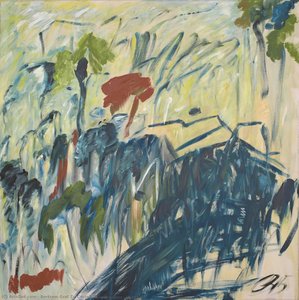
bertram graf zu castell-rüdenhausen
1932 - , Germany
基本情報
- Artistic Movement Or Style: Postwar & Contemporary Art; Abstract Expressionism
- Artists Who Influenced This Artist: ['Herbert Boeckl']
- Date Of Birth: 1932
- Full Name: Bertram Graf zu Castell-Rüdenhausen
- Nationality: German
- Notable Artworks: ['Untitled']
- Place Of Birth: Berlin, Germany
関連記事
抽象表現主義を定義する十大傑作:芸術と装飾の深遠な旅
抽象表現主義を定義する10の傑作。ポロック、ロスコら巨匠たちの情熱と色彩の世界へ。各作品に込められた物語と技法を紐解き、至高のアート体験を。ArtsDot.comで、ミュージアムクオリティの複製画や洗練されたインテリアアイデアを発見してください。

幾何学的抽象絵画を定義した傑作10選|アート、アーティスト、インテリア装飾
モンドリアン、マレーヴィチ…幾何学的抽象絵画を代表する傑作10選。各作品の背景や色彩構成、アーティストの情熱に迫ります。美術館品質の複製画はArtsDot.comで。オンラインでアートコレクションをご覧ください。

Dark Masterpieces: 10 Iconic Paintings Dominated by Black Tones |
Explore 10 iconic paintings dominated by black tones, from Rembrandt’s chiaroscuro to Goya's dark expressions. Discover the stories behind these masterpieces & find museum-quality art reproductions for your home at .
Kandinsky's Masterpieces: 25 Paintings That Define Abstract Art | ArtsDot
Journey through Wassily Kandinsky's 25 most iconic abstract paintings. Explore his revolutionary use of color, form & spiritual expressionism. Find museum-quality Kandinsky reproductions and elevate your home decor with ArtsDot.com. Discover all masterpieces on ArtsDot.com!
Slate Blue Masterpieces: 10 Iconic Paintings & Timeless Home Decor Ideas
Immerse yourself in the captivating world of slate blue! Explore 10 iconic paintings by Monet, Van Gogh & Renoir. Discover their stories, techniques & find museum-quality art reproductions for your home at .