

 プレビュー
プレビュー
 プリントを購入
 シェアする
シェアする シェアする
シェアする
 詳細を見る
詳細を見る

 ダウンロード
 似ている作品
 X線調査
X線調査 スライドショー
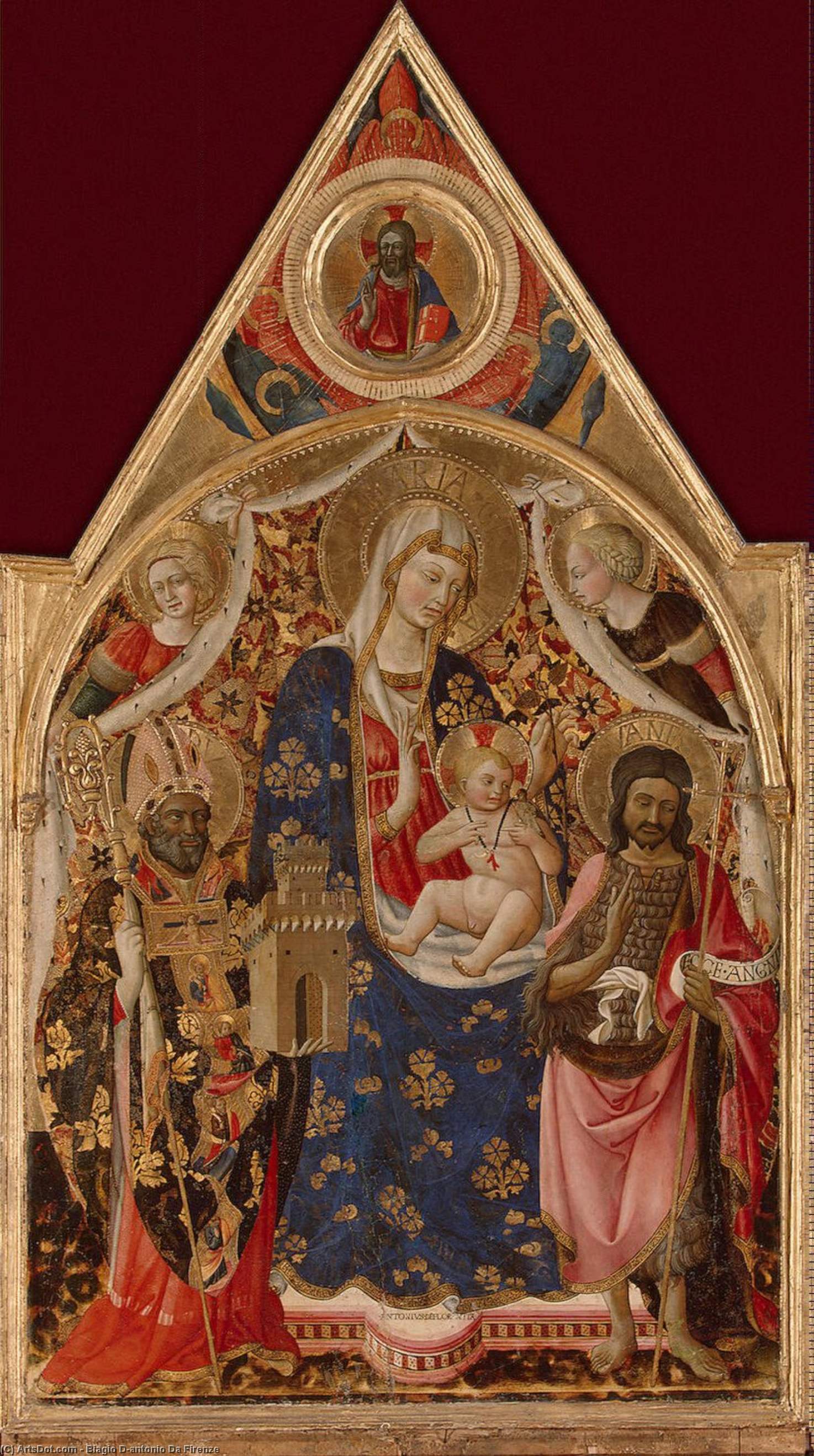
Madonna and Child with Saints
 Oil On Canvas
- WallArt
- Renaissance
 1400
1400- Renaissance
 151.0 x 85.0 cm
 エルミタージュ美術館
 詳細を見る
詳細を見る




P118B $10

P118H $10

P118W $10

P438Z $10

P508JH $12

P508YH $12

P805H $10

P805Z $10

P919BZ $10

P919G $10

P919XJ $10

P959ZH $10

P968JZ $12

W106C $8

W218G $10

W218JH $8

W218Y $10

W307PJ $10

W316G $10

W316PJ $8

W316Y $10

W398PJ $8

W4111J $10

W500HY $15

W500JH $15

W692G $12

W849H $8

W940BG $15

W953PJ $8




作品のオリジナル比率に合わせた、当店の規定サイズからお選びください。

特定のフレームやスペースに合わせて、ご希望のサイズをご入力いただけます。選択されたサイズが元の画像の比率と異なる場合、アートワークをトリミングするか、手描きで要素を追加して絵画を拡張いたします。デジタルモックアップ を制作し、制作開始前にご確認(承認)をいただきます。
画面上のプレビューは、実際のトリミングや拡張を正確に反映しているものではありません。最終的な構図は、モックアップによってのみ正確にご確認いただけます。
カスタムサイズもご利用いただけますが、元の比率を維持するためには、あらかじめ用意されたリストからサイズを選択することをお勧めいたします。
ご注文後、ArtsDot.com チームより詳細な指示をお送りするとともに、仕上がりイメージ(モックアップ)をご提供いたします。


 ガラスオプションは、110cm未満のサイズでのみご利用いただけます。

Madonna and Child with Saints
複製技法
複製画のサイズ
-


合計金額
$ 263
作品解説
A Divine Gathering in Florentine Splendor
Gaze upon this magnificent vision, Madonna and Child with Saints, a breathtaking testament to the artistic fervor of the early Renaissance. This large-scale canvas, measuring 151 x 85 cm, immediately draws the viewer into a sacred moment brimming with human emotion and divine grace. At its heart stand the Virgin Mary, radiating maternal tenderness as she cradles the Christ Child—a focal point of unparalleled serenity. They are not isolated in heavenly ether; rather, they are grounded within a tangible space, suggested by the architectural elements, most notably the cross visible on the wall behind them, anchoring the divine narrative to the earthly realm.
The Hand of Biagio d'Antonio da Firenze
The masterful touch belongs to Biagio d'Antonio da Firenze, an artist whose career blossomed during a period of profound cultural awakening in Florence. His style is a captivating synthesis, blending the lofty ideals of Humanism with subtle influences perhaps drawn from Northern European traditions. To study this work is to witness an innovator at work; his ability to imbue religious subjects with such palpable life suggests a deep understanding not only of divine iconography but also of the nuances of human interaction. The surrounding saints are depicted in various states—some in quiet contemplation, others engaged in hushed conversation—lending the composition a rich, narrative complexity that invites prolonged study.
Symbolism and Sacred Space
Every element within this painting seems imbued with symbolic weight. The grouping of figures is not arbitrary; it represents a celestial community gathered before the divine mystery. The presence of multiple saints suggests an intercessory power, their gazes perhaps directed toward Mary and Jesus, or perhaps reflecting on the viewer's own spiritual journey. The setting itself, framed by what appears to be church architecture, grounds the sacred event within the context of Christian devotion. These details transform the painting from a mere portrait into a profound theological statement, inviting meditation upon faith, lineage, and salvation.
Technique and Enduring Vibrancy
The technical execution is nothing short of exquisite. The vibrant colors, characteristic of the period's finest workshops, remain remarkably alive even after centuries. One can almost feel the texture beneath the paint as one observes the intricate details—the folds in Mary’s drapery, the gentle curve of Jesus’ arm, the varied expressions on the faces of the surrounding figures. This level of detail speaks to a painstaking dedication to craft, hallmarks that make this piece such a coveted treasure for collectors and those seeking art with historical depth. Owning or displaying a reproduction of this work allows one to bring the luminous quality of Renaissance mastery into a modern sanctuary.
関連作品
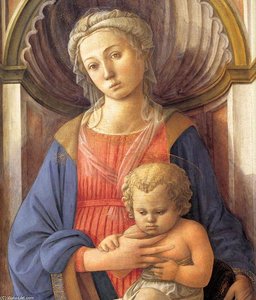
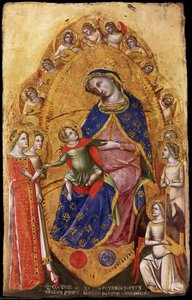
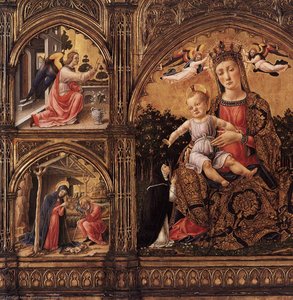
アーティストの略歴
Biagio d'Antonio Tucci (1446 – 1 June 1516): A Florentine Renaissance Innovator
Biagio d’Antonio Tucci, often referred to as Biagio d’Antonio da Firenze, was a pivotal figure in the Florentine Renaissance art scene—a painter whose distinctive style blended humanist ideals with Northern European artistic traditions. Born around 1446 in Florence, Italy, he emerged during a period of intense artistic experimentation and cultural exchange, marking him as an artist deeply embedded within the broader context of his time. Despite scholarly debates surrounding his precise identity and biographical details—confused with several other painters bearing similar names—his contribution to Florentine art remains undeniable, evidenced by his prolific output and enduring legacy. Lightbown excludes the suggestion that he is the Biagio apprenticed to Andrea Verrocchio, whose workshop was a crucible of artistic innovation during this era.- Early Life & Training: Limited biographical information exists regarding Tucci’s formative years. He began his artistic journey in Florence under the tutelage of Andrea Verrocchio—a renowned sculptor and painter whose workshop served as a hub for artistic development. This association undoubtedly instilled in him a foundational understanding of sculptural techniques alongside painting, shaping his aesthetic sensibilities from an early age. The influence of Verrocchio’s humanist approach to art is palpable throughout Tucci's oeuvre.
Style & Influences: Bridging Florentine Tradition and Northern Innovation
Tucci’s artistic style represents a fascinating confluence of stylistic currents prevalent in Florence during the mid-15th century. He absorbed the humanist spirit championed by Lorenzo de Medici—characterized by meticulous observation of nature and an emphasis on classical ideals—while simultaneously embracing techniques borrowed from Northern European painting, particularly those practiced in Flanders and Burgundy. This dual influence is strikingly apparent in his use of perspective, chiaroscuro (the dramatic interplay of light and shadow), and decorative ornamentation—elements that distinguished him from many of his contemporaries.- Notable Influences: Filippo Lippi: Tucci’s artistic vision was profoundly shaped by Lippi's masterful handling of color and composition, reflecting Lippi’s commitment to portraying human emotion with sensitivity and realism.
- Andrea Verrocchio: His apprenticeship under Verrocchio cemented his understanding of sculptural techniques alongside painting.
- Domenico Ghirlandaio: Ghirlandaio’s workshop fostered a collaborative environment where artists honed their skills and exchanged ideas—a tradition that undoubtedly contributed to Tucci's artistic development.
Major Works & Commissions
Tucci’s artistic output spanned across various mediums, including frescoes, cassone panels (elaborate wooden chests adorned with painted decoration), and altarpieces. His most celebrated commissions included participation in the decoration of the Sistine Chapel under Lorenzo de Medici—specifically the monumental frescoes depicting the Last Supper and the Crossing of the Red Sea—a project that cemented his reputation as one of Florence’s foremost artists. He collaborated closely with Pietro Perugino on the Palazzo della Signoria, furthering the dissemination of Florentine artistic ideals.- Significant Projects: The Sistine Chapel Frescoes: Tucci's contribution to this iconic artwork showcased his mastery of perspective and dramatic composition—elements that exemplify the Renaissance preoccupation with humanist observation and classical grandeur.
- Palazzo della Signoria Decorations: His involvement in decorating the Palazzo della Signoria underscored Florence’s role as a cultural epicenter during the Renaissance.
- Cassone Panels: Tucci's cassone panels—particularly those featuring intricate floral motifs and vibrant colors—demonstrate his exceptional skill in decorative painting and reflect the opulent tastes of Florentine aristocratic families.
Legacy & Historical Significance
Biagio d’Antonio da Firenze’s artistic legacy extends beyond his individual masterpieces—it embodies the spirit of Renaissance Florence itself: a period characterized by intellectual curiosity, artistic innovation, and a fervent embrace of classical ideals. His stylistic synthesis—combining Florentine tradition with Northern European influences—established him as a pivotal figure in shaping the visual culture of his era. Furthermore, his participation in monumental projects like the Sistine Chapel underscored Florence’s prominence on the European stage—solidifying Tucci's place among the artists who defined the Renaissance aesthetic and continue to inspire admiration centuries later.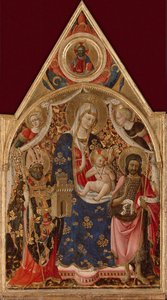
biagio d'antonio da firenze
1446 - 1516 , Italy
基本情報
- Artistic Movement Or Style: Renaissance
- Artists Or Movements Influenced By This Artist: ['Antonio da Correggio']
- Artists Who Influenced This Artist:
- Filippo Lippi
- Andrea Verrocchio
- Domenico Ghirlandaio
- Date Of Birth: 1446
- Full Name: Biagio d'Antonio Tucci
- Nationality: Italian
- Notable Artworks:
- Madonna and Child with Saints
- Crucifixion with Mary and St John the Evangelist
- Place Of Birth: Florence
関連記事

ラファエロ傑作25選:ルネサンス巨匠の物語と芸術の世界 | ArtsDot
ラファエロの傑作25選🎨 ルネサンス巨匠の物語と芸術の世界を紐解きます。美しい絵画複製や壁掛けアートで、お部屋に名画の彩りを。ArtsDot.comで、美術史に残る作品群をご覧ください✨
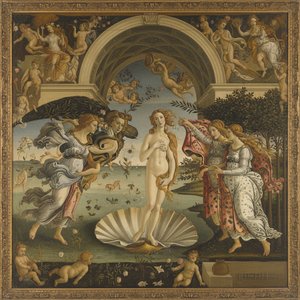
ボッティチェリの至宝25選:ルネサンス美術の華麗なる世界 | ArtsDot
ボッティチェリの至宝25選。ルネサンス美術を代表する「春」「ヴィーナスの誕生」など、名画の物語と芸術史を紐解きます。ArtsDotで高品質な複製画やインテリアアートを見つけ、お部屋に永遠の美を。今すぐコレクションをご覧ください。
Civic Virtue and Artistic Rivalry: Patronage and Innovation in the Italian Renaissance Republics, 1400–1600
Explore the Italian Renaissance! Discover how competitive patronage & humanist ideals fueled artistic innovation in republics like Florence & Venice. Expert insights for art lovers and collectors.
ウフィツィ美術館の至宝25選:ルネサンス巨匠たちの傑作とアートデコレーション
ウフィツィ美術館の至宝25選:ボッティチェリ、レオナルド・ダ・ヴィンチ…ルネサンス巨匠たちの傑作と感動的な物語を紐解きます。高品質な絵画複製やアートプリントで、お部屋に名画の輝きを。ArtsDot.comで芸術の世界へ。

フラ・アンジェリコの傑作25選:ルネサンス美術の神髄と至高の装飾 | ArtsDot
フラ・アンジェリコの傑作25選。ルネサンス美術の神髄を紐解き、天使のような静謐な色彩と宗教画の世界へ誘います。壁画やフレスコ画の技法、修道院に息づく祈りの絵…ArtsDotで至高のアートプリントをお手軽に。コレクションを探索する。

