

 プレビュー
プレビュー
 プリントを購入
 シェアする
シェアする シェアする
シェアする
 詳細を見る
詳細を見る

 ダウンロード
 似ている作品
 X線調査
X線調査 スライドショー
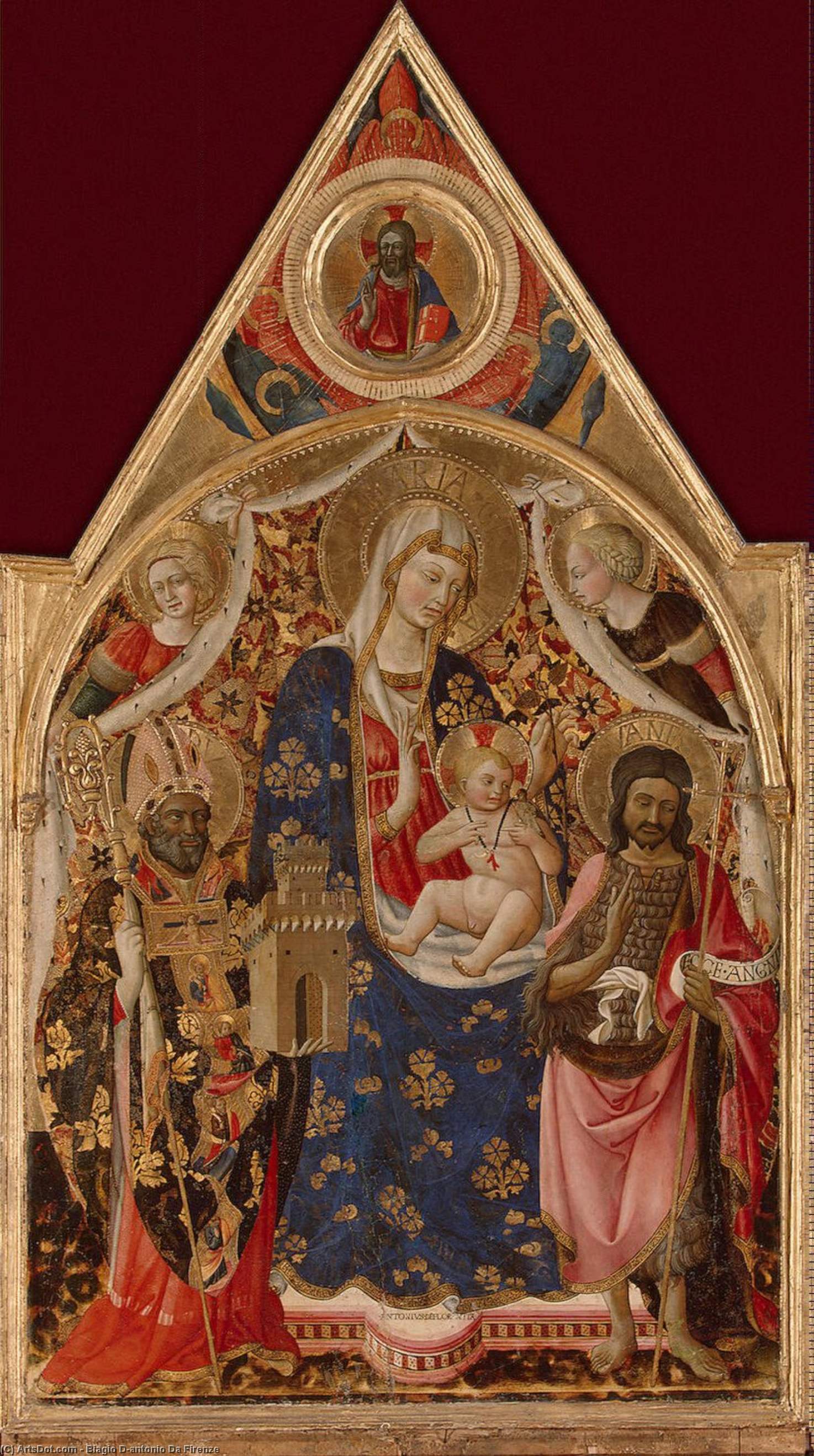
Madonna and Child with Saints
 Oil On Canvas
- WallArt
- Renaissance
 1400
1400- Renaissance
 151.0 x 85.0 cm
 エルミタージュ美術館
 詳細を見る
詳細を見る
オンラインプレビューをはるかに凌ぐ、高解像度で鮮明なデジタル画像をご購入いただけます。
各ファイルは、社内の専門家が高度なツールと熟練した手作業によるレタッチを用いて、細心の注意を払って準備されています。すべての画像において、卓越した鮮明度、正確な色彩再現性、そして繊細なディテールを保証いたします。
最終ファイルは、プロフェッショナルな編集・印刷環境ですぐにご利用いただけるよう最適化された状態で、72時間以内にメールにてお届けいたします。これは、一流のデザインスタジオ、出版社、ギャラリーから信頼されているものと同等の品質です。
デジタル画像のご注文に付随する特典
高品質なデジタル画像配信を、確かな品質で。
ArtsDot.com を選ぶことは、単に画像を手に入れることではありません。それは、プロの手によって精密に仕上げられ、満足保証が付いた高品質なデジタルアートワークを受け取ることを意味します。ご注文いただいた際に自動的に付随する内容は、以下の通りです:

メールですぐにお届け
ご注文から72時間以内に、高解像度のデジタル画像ファイルがメールでお手元に届きます。すぐにそのままご利用いただけます。

AI技術で最適化されたデジタルファイル
お客様の作品は、高度なAIツールと専門家による手作業の編集を組み合わせてプロフェッショナルに最適化されており、細部のディテール、鮮明さ、そして正確な色再現性を最大限に引き出しています。

一生涯無料の再送サービス
ファイルを誤って削除したり、紛失してしまったりしましたか?ご安心ください。いつでも無料で再送いたします。

輸入手数料は一切かかりません
関税や手数料、配送料を気にすることなく、お気に入りのアートワークをすぐにお楽しみいただけます。デジタルダウンロードは常に免税です。

色彩再現の保証
プロ仕様のツールとカラーマネジメント技術を用いることで、デジタル画像が元の色を最大限に忠実に再現することを保証いたします。

60日間満足保証
ご購入いただいたデジタル画像にご満足いただけない場合は、60日以内であれば、修正または100%の返金(理由を問う必要はありません)をさせていただきます。

100% 返金保証
ご満足いただけない場合は、デジタルファイルを受け取ってから60日以内であれば、理由を問わず全額返金いたします。

まとめ買い割引
3枚購入で10%OFF - 5枚購入で15%OFF - 10枚以上購入で20%OFF。クリエイティブなプロジェクト、ギャラリー、エージェンシーに最適です。
作品の詳細
A Divine Gathering in Florentine Splendor
Gaze upon this magnificent vision, Madonna and Child with Saints, a breathtaking testament to the artistic fervor of the early Renaissance. This large-scale canvas, measuring 151 x 85 cm, immediately draws the viewer into a sacred moment brimming with human emotion and divine grace. At its heart stand the Virgin Mary, radiating maternal tenderness as she cradles the Christ Child—a focal point of unparalleled serenity. They are not isolated in heavenly ether; rather, they are grounded within a tangible space, suggested by the architectural elements, most notably the cross visible on the wall behind them, anchoring the divine narrative to the earthly realm.
The Hand of Biagio d'Antonio da Firenze
The masterful touch belongs to Biagio d'Antonio da Firenze, an artist whose career blossomed during a period of profound cultural awakening in Florence. His style is a captivating synthesis, blending the lofty ideals of Humanism with subtle influences perhaps drawn from Northern European traditions. To study this work is to witness an innovator at work; his ability to imbue religious subjects with such palpable life suggests a deep understanding not only of divine iconography but also of the nuances of human interaction. The surrounding saints are depicted in various states—some in quiet contemplation, others engaged in hushed conversation—lending the composition a rich, narrative complexity that invites prolonged study.
Symbolism and Sacred Space
Every element within this painting seems imbued with symbolic weight. The grouping of figures is not arbitrary; it represents a celestial community gathered before the divine mystery. The presence of multiple saints suggests an intercessory power, their gazes perhaps directed toward Mary and Jesus, or perhaps reflecting on the viewer's own spiritual journey. The setting itself, framed by what appears to be church architecture, grounds the sacred event within the context of Christian devotion. These details transform the painting from a mere portrait into a profound theological statement, inviting meditation upon faith, lineage, and salvation.
Technique and Enduring Vibrancy
The technical execution is nothing short of exquisite. The vibrant colors, characteristic of the period's finest workshops, remain remarkably alive even after centuries. One can almost feel the texture beneath the paint as one observes the intricate details—the folds in Mary’s drapery, the gentle curve of Jesus’ arm, the varied expressions on the faces of the surrounding figures. This level of detail speaks to a painstaking dedication to craft, hallmarks that make this piece such a coveted treasure for collectors and those seeking art with historical depth. Owning or displaying a reproduction of this work allows one to bring the luminous quality of Renaissance mastery into a modern sanctuary.
関連作品
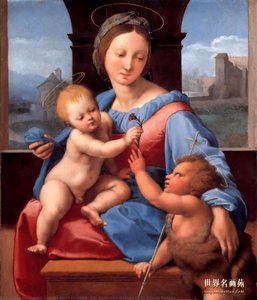
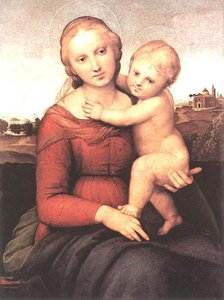
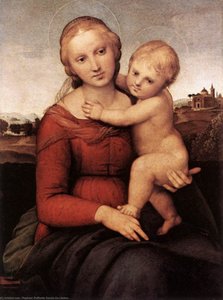
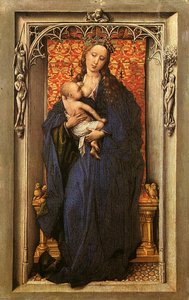
作家の略歴
Biagio d'Antonio Tucci (1446 – 1 June 1516): A Florentine Renaissance Innovator
Biagio d’Antonio Tucci, often referred to as Biagio d’Antonio da Firenze, was a pivotal figure in the Florentine Renaissance art scene—a painter whose distinctive style blended humanist ideals with Northern European artistic traditions. Born around 1446 in Florence, Italy, he emerged during a period of intense artistic experimentation and cultural exchange, marking him as an artist deeply embedded within the broader context of his time. Despite scholarly debates surrounding his precise identity and biographical details—confused with several other painters bearing similar names—his contribution to Florentine art remains undeniable, evidenced by his prolific output and enduring legacy. Lightbown excludes the suggestion that he is the Biagio apprenticed to Andrea Verrocchio, whose workshop was a crucible of artistic innovation during this era.- Early Life & Training: Limited biographical information exists regarding Tucci’s formative years. He began his artistic journey in Florence under the tutelage of Andrea Verrocchio—a renowned sculptor and painter whose workshop served as a hub for artistic development. This association undoubtedly instilled in him a foundational understanding of sculptural techniques alongside painting, shaping his aesthetic sensibilities from an early age. The influence of Verrocchio’s humanist approach to art is palpable throughout Tucci's oeuvre.
Style & Influences: Bridging Florentine Tradition and Northern Innovation
Tucci’s artistic style represents a fascinating confluence of stylistic currents prevalent in Florence during the mid-15th century. He absorbed the humanist spirit championed by Lorenzo de Medici—characterized by meticulous observation of nature and an emphasis on classical ideals—while simultaneously embracing techniques borrowed from Northern European painting, particularly those practiced in Flanders and Burgundy. This dual influence is strikingly apparent in his use of perspective, chiaroscuro (the dramatic interplay of light and shadow), and decorative ornamentation—elements that distinguished him from many of his contemporaries.- Notable Influences: Filippo Lippi: Tucci’s artistic vision was profoundly shaped by Lippi's masterful handling of color and composition, reflecting Lippi’s commitment to portraying human emotion with sensitivity and realism.
- Andrea Verrocchio: His apprenticeship under Verrocchio cemented his understanding of sculptural techniques alongside painting.
- Domenico Ghirlandaio: Ghirlandaio’s workshop fostered a collaborative environment where artists honed their skills and exchanged ideas—a tradition that undoubtedly contributed to Tucci's artistic development.
Major Works & Commissions
Tucci’s artistic output spanned across various mediums, including frescoes, cassone panels (elaborate wooden chests adorned with painted decoration), and altarpieces. His most celebrated commissions included participation in the decoration of the Sistine Chapel under Lorenzo de Medici—specifically the monumental frescoes depicting the Last Supper and the Crossing of the Red Sea—a project that cemented his reputation as one of Florence’s foremost artists. He collaborated closely with Pietro Perugino on the Palazzo della Signoria, furthering the dissemination of Florentine artistic ideals.- Significant Projects: The Sistine Chapel Frescoes: Tucci's contribution to this iconic artwork showcased his mastery of perspective and dramatic composition—elements that exemplify the Renaissance preoccupation with humanist observation and classical grandeur.
- Palazzo della Signoria Decorations: His involvement in decorating the Palazzo della Signoria underscored Florence’s role as a cultural epicenter during the Renaissance.
- Cassone Panels: Tucci's cassone panels—particularly those featuring intricate floral motifs and vibrant colors—demonstrate his exceptional skill in decorative painting and reflect the opulent tastes of Florentine aristocratic families.
Legacy & Historical Significance
Biagio d’Antonio da Firenze’s artistic legacy extends beyond his individual masterpieces—it embodies the spirit of Renaissance Florence itself: a period characterized by intellectual curiosity, artistic innovation, and a fervent embrace of classical ideals. His stylistic synthesis—combining Florentine tradition with Northern European influences—established him as a pivotal figure in shaping the visual culture of his era. Furthermore, his participation in monumental projects like the Sistine Chapel underscored Florence’s prominence on the European stage—solidifying Tucci's place among the artists who defined the Renaissance aesthetic and continue to inspire admiration centuries later.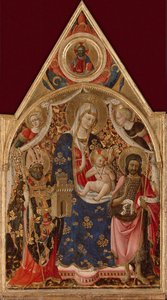
biagio d'antonio da firenze
1446 - 1516 , Italy
プロフィール概要
- Artistic Movement Or Style: Renaissance
- Artists Or Movements Influenced By This Artist: ['Antonio da Correggio']
- Artists Who Influenced This Artist:
- Filippo Lippi
- Andrea Verrocchio
- Domenico Ghirlandaio
- Date Of Birth: 1446
- Full Name: Biagio d'Antonio Tucci
- Nationality: Italian
- Notable Artworks:
- Madonna and Child with Saints
- Crucifixion with Mary and St John the Evangelist
- Place Of Birth: Florence

