

 プレビュー
プレビュー
 シェアする
シェアする シェアする
シェアする
 詳細を見る
詳細を見る

 ダウンロード
 似ている作品
 X線調査
X線調査 スライドショー
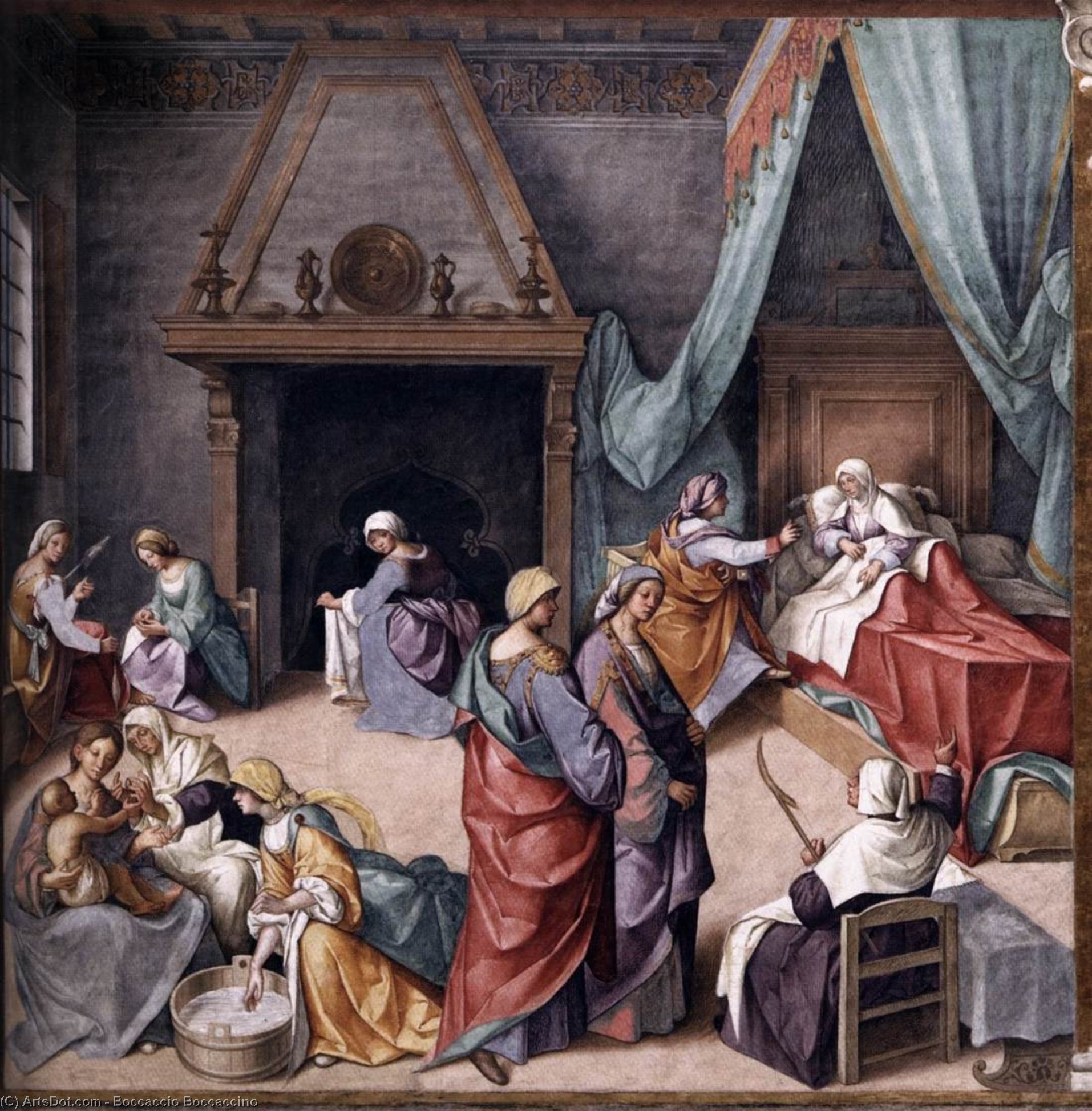
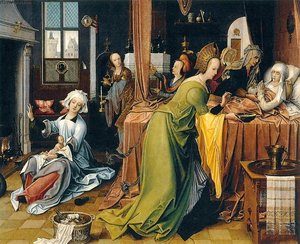
Birth of Mary


 詳細を見る
詳細を見る
ジークレー/アートプリント
迅速な制作と多彩な仕上げオプションを備えた、ミュージアムクオリティのジークレーまたはキャンバスプリント。 ( 手描きの絵画を購入 画像を購入)




P118B $10

P118H $10

P118W $10

P438Z $10

P508JH $12

P508YH $12

P805H $10

P805Z $10

P919BZ $10

P919G $10

P919XJ $10

P959ZH $10

P968JZ $12

W106C $8

W218G $10

W218JH $8

W218Y $10

W307PJ $10

W316G $10

W316PJ $8

W316Y $10

W398PJ $8

W4111J $10

W500HY $15

W500JH $15

W692G $12

W849H $8

W940BG $15

W953PJ $8




作品のオリジナル比率に合わせた、当店の規定サイズからお選びください。

特定のフレームやスペースに合わせて、ご自身でサイズを指定することも可能です。選択されたサイズが元の画像の比率と一致しない場合、作品をトリミングするか、鏡面反射または単色での塗りつぶしによって画像を拡張いたします。制作を開始する前に、ご確認用のデジタルモックアップをお送りいたします。
画面上のプレビューには、実際のトリミングや拡張は反映されませんのでご注意ください。最終的な構図を正確に確認できるのは、モックアップのみとなります。
カスタムサイズも承っておりますが、元の比率を維持するためには、あらかじめ用意されたリストからサイズを選択することをお勧めいたします。


 ガラスオプションは、110cm未満のサイズでのみご利用いただけます。

Birth of Mary
ジークレー/アートプリント
複製画のサイズ
-


合計金額
$ 62
関連作品
アーティストの略歴
The Luminescent Legacy of Boccaccio Boccaccino
In the golden twilight of the Quattrocento, a period defined by the profound rebirth of classical ideals, Boccaccio Boccaccino emerged as a vital architect of the Emilian school's visual language. Born near Ferrara around 1460, Boccaccino’s life was woven into the very fabric of the Italian Renaissance, a time when the boundaries between sculpture and painting were fluid and the pursuit of naturalism was an all-consuming passion. While the historical record offers only fragmented glimpses into his early years, the sheer majesty of his surviving works allows us to reconstruct a narrative of immense talent and profound influence. His journey from the humanist traditions of Ferrara to the grander stages of Cremona and Venice represents more than just a personal career; it mirrors the expansion of an artistic movement that sought to harmonize the divine with the earthly through light, color, and meticulous detail.
The foundations of Boccaccino’s aesthetic were likely laid under the tutelage of Domenico Panetti, a master whose devotion to humanist precision instilled in the young artist a reverence for classical form. This early training provided the essential scaffolding upon which Boccaccino would build his later, more complex compositions. As he moved through the artistic landscapes of Northern Italy, his style began to coalesce into something uniquely distinctive—a blend of the delicate grace found in Venetian works and the structural rigor characteristic of the Emilian tradition. His ability to manipulate trompe l'oeil effects and master atmospheric perspective suggests an artist who was not merely a decorator of walls, but a storyteller capable of manipulating space to evoke deep spiritual resonance.
A Master of the Cremonese Fresco
The true zenith of Boccaccino’s career is inextricably linked to the Cathedral of Cremona. Between 1506 and 1519, he became a central figure in a prolific workshop alongside luminaries such as Pietro Parmeggiani and Andrea Altobello Melone. This period was marked by an extraordinary collaborative energy that transformed the cathedral into a sanctuary of Renaissance innovation. His frescoes are not merely religious illustrations; they are immersive environments where the boundaries between the viewer's world and the sacred realm begin to dissolve. Through the use of soft, luminous transitions and a sophisticated understanding of light, Boccaccino achieved a sense of sfumato that brought a breathing, organic quality to his figures.
His mastery extended far beyond the monumental scale of fresco painting into the intimate realm of devotional works. The artist possessed a singular gift for rendering the Virgin and Child with a tenderness that felt both timeless and profoundly human. In these compositions, one finds:
- A harmonious balance between landscape and figure, where nature serves as a silent participant in the divine narrative.
- An exquisite attention to the textures of fabric and the subtle glow of skin, achieved through layered glazes and careful pigment selection.
- The integration of classical motifs that reflect the humanist intellectual climate of his era.
Historical Significance and Enduring Influence
Though the passage of centuries has occasionally obscured the specific biographical milestones of Boccaccio Boccaccino, his impact on the trajectory of Italian art remains undeniable. As documented by Giorgio Vasari in his seminal Lives of Eminent Painters, Sculptors, and Architects, Boccaccino was a figure of significant repute whose technical prowess commanded respect across regional borders. His workshop served as a crucible for the next generation of artists, most notably influencing the development of Garofalo, who would go on to carry the torch of the Emilian style into the High Renaissance.
The historical significance of Boccaccino lies in his role as a bridge between the meticulous detail of the early Renaissance and the more fluid, emotive grandeur of the later period. He helped establish Cremona as a vital center of artistic production, proving that the periphery of the Italian peninsula could produce art of equal complexity and spiritual depth to the great centers of Florence or Rome. Today, when we gaze upon the remnants of his frescoes or the quiet dignity of his Madonnas, we are witnessing the enduring triumph of an artist who mastered the art of making the eternal visible.
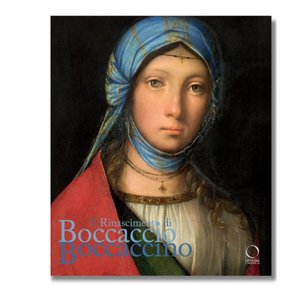
Boccaccio Boccaccino
1460 - 1525 , Italy
基本情報
- Artistic Movement Or Style: Early Italian Renaissance; Emilian School
- Artists Or Movements Influenced By This Artist: ['Garofalo']
- Artists Who Influenced This Artist: ['Domenico Panetti']
- Date Of Birth: c. 1460
- Date Of Death: c. 1525
- Full Name: Boccaccio Boccaccino
- Nationality: Italian
- Notable Artworks:
- Virgin and Child
- Marriage of Saint Catherine
- Holy Family
- Place Of Birth: Ferrara, Italy
関連記事

The Enduring Legacy of Oil on Canvas: Technique, History & Aesthetic Impact
Explore the rich history & techniques of oil painting – from Renaissance masters to Impressionism. Discover pigments, layering methods, and why this timeless medium endures. Expert insights for artists & art enthusiasts.

Oil on Canvas: A Historical & Technical Exploration of a Timeless Artistic Medium
Explore the rich history & enduring techniques of oil painting on canvas. Discover the science behind its longevity, conservation practices, and contemporary relevance. Expert insights for art enthusiasts.

The Enduring Power of Painting: A Historical & Contemporary Exploration of Form and Emotion
Explore the rich history & enduring techniques of oil painting with ArtsDot. Discover masterpieces, learn about art collecting, and find authentic handmade reproductions crafted by skilled artists.

油彩のキャンバス:技法、歴史、そして現代の実践 - 古典美術愛好家へ
油彩の技法、歴史、巨匠たちの秘密を徹底解説。古典美術愛好家向けに、初期フランドル絵画から現代の実践まで深く掘り下げます。ArtsDotで高品質な複製画やカスタムオーダーも承ります。
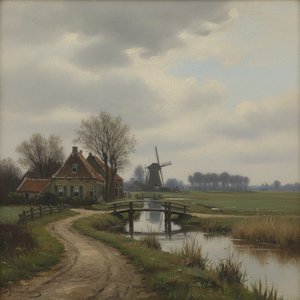
Jacob Henricus Maris: A Master of Dutch Atmospheric Realism & the Intimate Landscape
Explore the captivating world of Jacob Henricus Maris, a leading figure of the Dutch Hague School. Discover his atmospheric landscapes, signature brushstrokes & lasting influence on 19th-century art. Learn more at ArtsDot.

