

 プリントを購入
 シェアする
シェアする シェアする
シェアする
 詳細を見る
詳細を見る

 ダウンロード
 似ている作品
 スライドショー
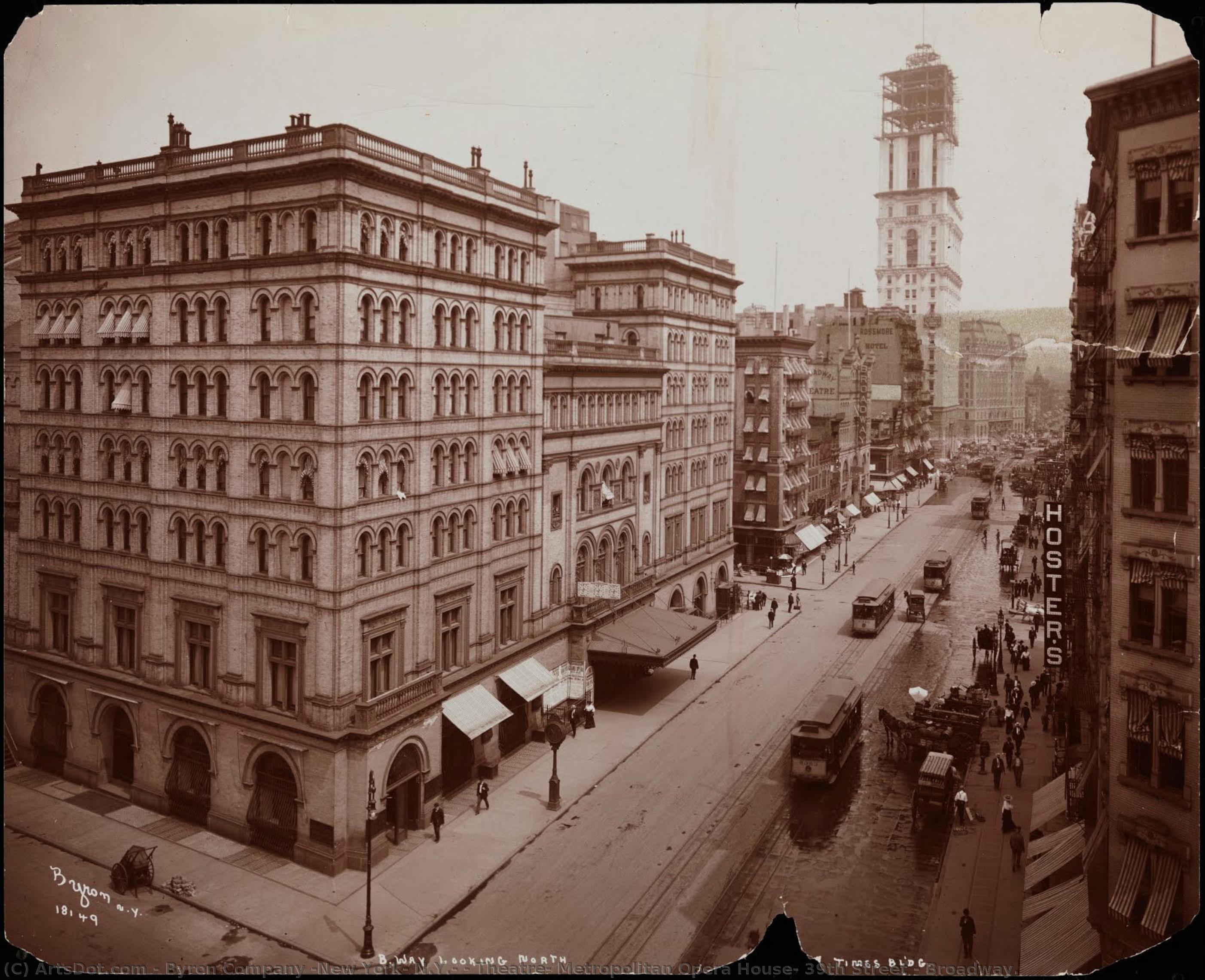
Theatre, Metropolitan Opera House, 39th Street & Broadway.


 詳細を見る
詳細を見る




































作品のオリジナル比率に合わせた、当店の規定サイズからお選びください。

特定のフレームやスペースに合わせて、ご希望のサイズをご入力いただけます。選択されたサイズが元の画像の比率と異なる場合、アートワークをトリミングするか、手描きで要素を追加して絵画を拡張いたします。デジタルモックアップ を制作し、制作開始前にご確認(承認)をいただきます。
画面上のプレビューは、実際のトリミングや拡張を正確に反映しているものではありません。最終的な構図は、モックアップによってのみ正確にご確認いただけます。
カスタムサイズもご利用いただけますが、元の比率を維持するためには、あらかじめ用意されたリストからサイズを選択することをお勧めいたします。
ご注文後、ArtsDot.com チームより詳細な指示をお送りするとともに、仕上がりイメージ(モックアップ)をご提供いたします。


 ガラスオプションは、110cm未満のサイズでのみご利用いただけます。

Theatre, Metropolitan Opera House, 39th Street & Broadway.
複製技法
複製画のサイズ
-


合計金額
$ 263
関連作品


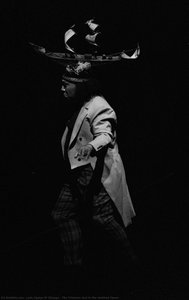
アーティストの略歴
A Glimpse into the World of Byron Company
Byron Company, a New York-based artist, remains an intriguing figure whose work offers a fascinating window into the visual culture surrounding the Metropolitan Opera House during its early years. While biographical details are currently scarce, his surviving artwork—specifically his depictions of the iconic theatre itself—provides compelling evidence of his skill and the importance he placed on capturing this architectural marvel. Company’s artistic output appears to be centered around the late 19th or early 20th century, a period marked by significant growth in both the arts and urban development within New York City. His work isn't about grand narratives or personal expression; instead, it is a meticulous documentation of place, imbued with an appreciation for detail and a sense of civic pride.Documenting the Metropolitan Opera House
The core of Byron Company’s known oeuvre consists of views of the Metropolitan Opera House, located on 39th Street & Broadway. These aren't merely architectural renderings; they are vibrant snapshots of a bustling cultural hub. His painting, “Theatre, Metropolitan Opera House, 39th Street & Broadway,” exemplifies this approach. The artwork isn’t simply about the building’s façade—though it is rendered with impressive precision—but also conveys the energy of the surrounding streets, hinting at the social life that flourished around the opera house. This suggests Company wasn't solely interested in architectural form but also in the theatre’s role as a focal point for New York society. The composition invites viewers to imagine themselves amidst the activity, experiencing the excitement and grandeur of an evening at the Opera.Technique and Style
Company’s technique leans towards realism, with a clear emphasis on accurate representation. His brushwork is detailed yet not overly labored, creating a sense of immediacy and capturing the textures of brick, stone, and glass. The use of light and shadow further enhances the depth and dimensionality of his scenes, drawing attention to key architectural features and highlighting the building’s imposing presence. While it's difficult to pinpoint specific artistic influences without more extensive biographical information, one can detect echoes of the American Realist movement in his commitment to depicting everyday life and urban landscapes. His style is accessible and inviting, appealing to a broad audience interested in capturing memories or celebrating local landmarks.Historical Significance
Byron Company’s work holds historical significance as a visual record of a pivotal moment in New York City's cultural development. The Metropolitan Opera House, opened in 1883, quickly became a symbol of the city’s growing sophistication and artistic ambition. Company’s paintings offer valuable insights into how this landmark was perceived by contemporaries—not just as an architectural achievement but also as a vibrant center for social interaction and entertainment. His art provides a tangible link to the past, allowing us to glimpse the atmosphere and energy of late 19th-century New York. While his name may not be widely recognized today, Byron Company’s contribution lies in his dedication to documenting a beloved institution and preserving its legacy through his skillful artwork. His paintings serve as important historical artifacts, offering a unique perspective on a bygone era.Further Research
- Uncovering Biographical Details: Further research into New York City directories, census records, and art historical archives may reveal more information about Byron Company’s life, artistic training, and connections within the local art community.
- Identifying Additional Works: Expanding the search for paintings signed by Byron Company could uncover additional examples of his work, providing a broader understanding of his artistic range and stylistic development.
- Exploring Contemporary Reception: Investigating contemporary art reviews or exhibition records may shed light on how Company’s work was received by critics and the public during his lifetime.

関連記事
Beyond Graffiti: Exploring the Evolution & Cultural Impact of Street Art for Collectors
Explore the evolution of street art from rebellious origins to a respected fine art form. Discover key artists like Banksy & learn how to collect urban art with confidence. Expert insights for discerning investors.

現代ストリート・アートの隆盛:ギャラリーの壁を超えた文化的反省と歴史的背景
現代ストリート・アートの隆盛を歴史的背景と社会的反省の視点から深く掘り下げます。ギャラリーとの関係性、日本における独自性、コレクターズ視点まで網羅。高品質なアートコレクションのための情報を提供します。
Berenice Abbott: Documenting a Changing America Through Photographic Vision
Explore the groundbreaking work of Berenice Abbott, a pioneer of documentary photography. Discover her iconic images of New York City, portraits, and scientific studies. Learn about her unique style & lasting legacy at ArtsDot.

Grahame Sydney: Evoking Otago's Soul Through Light & Landscape
Explore the captivating landscapes of Sir Grahame Sydney, a leading New Zealand artist renowned for his magic realism & evocative depictions of Otago's beauty. Discover key works and delve into his artistic legacy.

