

 プリントを購入
 シェアする
シェアする シェアする
シェアする
 詳細を見る
詳細を見る

 ダウンロード
 似ている作品
 スライドショー
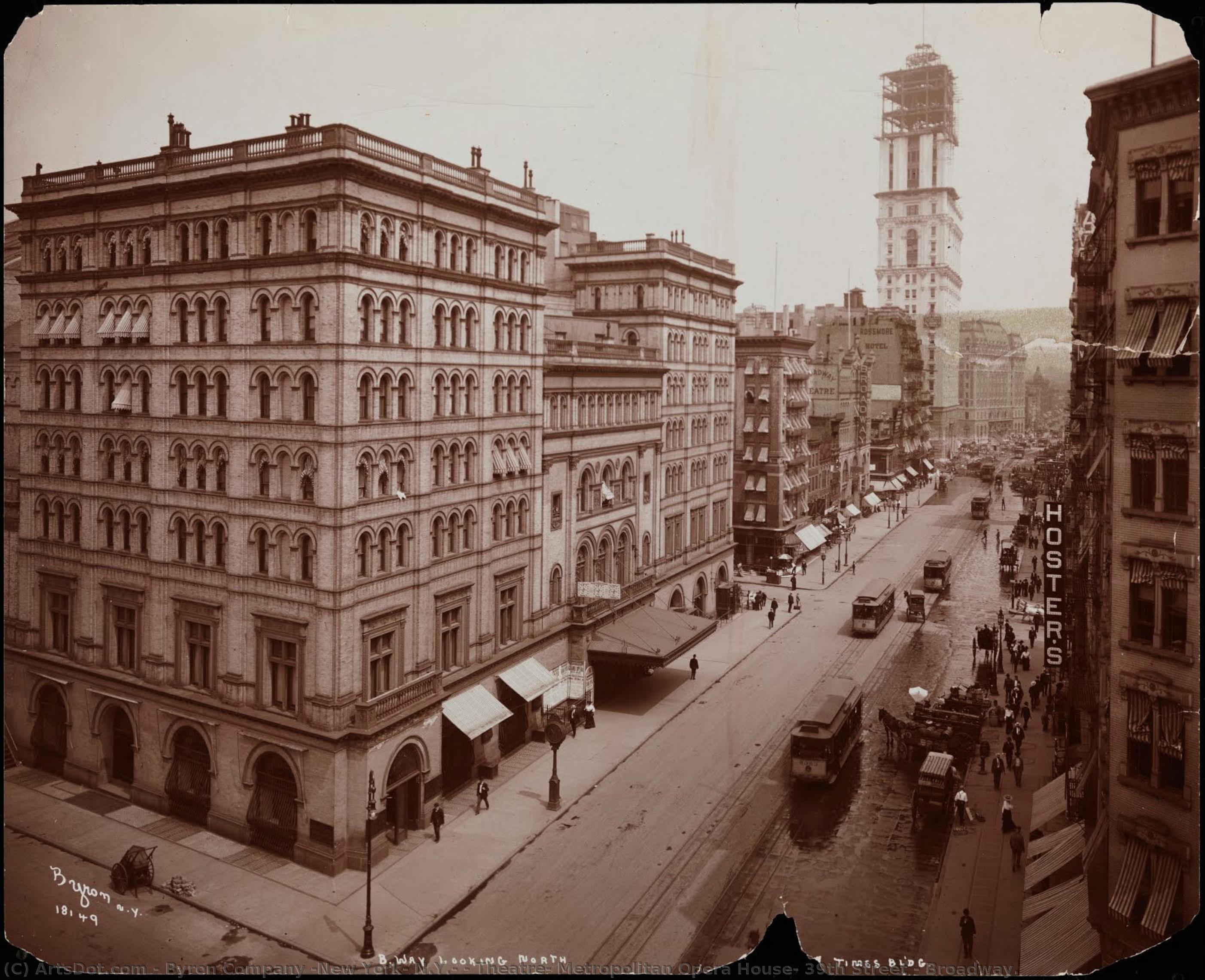
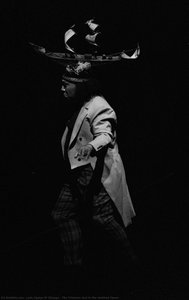
Theatre, Metropolitan Opera House, 39th Street & Broadway.


 詳細を見る
詳細を見る
オンラインプレビューをはるかに凌ぐ、高解像度で鮮明なデジタル画像をご購入いただけます。
各ファイルは、社内の専門家が高度なツールと熟練した手作業によるレタッチを用いて、細心の注意を払って準備されています。すべての画像において、卓越した鮮明度、正確な色彩再現性、そして繊細なディテールを保証いたします。
最終ファイルは、プロフェッショナルな編集・印刷環境ですぐにご利用いただけるよう最適化された状態で、72時間以内にメールにてお届けいたします。これは、一流のデザインスタジオ、出版社、ギャラリーから信頼されているものと同等の品質です。
デジタル画像のご注文に付随する特典
高品質なデジタル画像配信を、確かな品質で。
ArtsDot.com を選ぶことは、単に画像を手に入れることではありません。それは、プロの手によって精密に仕上げられ、満足保証が付いた高品質なデジタルアートワークを受け取ることを意味します。ご注文いただいた際に自動的に付随する内容は、以下の通りです:

メールですぐにお届け
ご注文から72時間以内に、高解像度のデジタル画像ファイルがメールでお手元に届きます。すぐにそのままご利用いただけます。

AI技術で最適化されたデジタルファイル
お客様の作品は、高度なAIツールと専門家による手作業の編集を組み合わせてプロフェッショナルに最適化されており、細部のディテール、鮮明さ、そして正確な色再現性を最大限に引き出しています。

一生涯無料の再送サービス
ファイルを誤って削除したり、紛失してしまったりしましたか?ご安心ください。いつでも無料で再送いたします。

輸入手数料は一切かかりません
関税や手数料、配送料を気にすることなく、お気に入りのアートワークをすぐにお楽しみいただけます。デジタルダウンロードは常に免税です。

色彩再現の保証
プロ仕様のツールとカラーマネジメント技術を用いることで、デジタル画像が元の色を最大限に忠実に再現することを保証いたします。

60日間満足保証
ご購入いただいたデジタル画像にご満足いただけない場合は、60日以内であれば、修正または100%の返金(理由を問う必要はありません)をさせていただきます。

100% 返金保証
ご満足いただけない場合は、デジタルファイルを受け取ってから60日以内であれば、理由を問わず全額返金いたします。

まとめ買い割引
3枚購入で10%OFF - 5枚購入で15%OFF - 10枚以上購入で20%OFF。クリエイティブなプロジェクト、ギャラリー、エージェンシーに最適です。
関連作品


作家の略歴
A Glimpse into the World of Byron Company
Byron Company, a New York-based artist, remains an intriguing figure whose work offers a fascinating window into the visual culture surrounding the Metropolitan Opera House during its early years. While biographical details are currently scarce, his surviving artwork—specifically his depictions of the iconic theatre itself—provides compelling evidence of his skill and the importance he placed on capturing this architectural marvel. Company’s artistic output appears to be centered around the late 19th or early 20th century, a period marked by significant growth in both the arts and urban development within New York City. His work isn't about grand narratives or personal expression; instead, it is a meticulous documentation of place, imbued with an appreciation for detail and a sense of civic pride.Documenting the Metropolitan Opera House
The core of Byron Company’s known oeuvre consists of views of the Metropolitan Opera House, located on 39th Street & Broadway. These aren't merely architectural renderings; they are vibrant snapshots of a bustling cultural hub. His painting, “Theatre, Metropolitan Opera House, 39th Street & Broadway,” exemplifies this approach. The artwork isn’t simply about the building’s façade—though it is rendered with impressive precision—but also conveys the energy of the surrounding streets, hinting at the social life that flourished around the opera house. This suggests Company wasn't solely interested in architectural form but also in the theatre’s role as a focal point for New York society. The composition invites viewers to imagine themselves amidst the activity, experiencing the excitement and grandeur of an evening at the Opera.Technique and Style
Company’s technique leans towards realism, with a clear emphasis on accurate representation. His brushwork is detailed yet not overly labored, creating a sense of immediacy and capturing the textures of brick, stone, and glass. The use of light and shadow further enhances the depth and dimensionality of his scenes, drawing attention to key architectural features and highlighting the building’s imposing presence. While it's difficult to pinpoint specific artistic influences without more extensive biographical information, one can detect echoes of the American Realist movement in his commitment to depicting everyday life and urban landscapes. His style is accessible and inviting, appealing to a broad audience interested in capturing memories or celebrating local landmarks.Historical Significance
Byron Company’s work holds historical significance as a visual record of a pivotal moment in New York City's cultural development. The Metropolitan Opera House, opened in 1883, quickly became a symbol of the city’s growing sophistication and artistic ambition. Company’s paintings offer valuable insights into how this landmark was perceived by contemporaries—not just as an architectural achievement but also as a vibrant center for social interaction and entertainment. His art provides a tangible link to the past, allowing us to glimpse the atmosphere and energy of late 19th-century New York. While his name may not be widely recognized today, Byron Company’s contribution lies in his dedication to documenting a beloved institution and preserving its legacy through his skillful artwork. His paintings serve as important historical artifacts, offering a unique perspective on a bygone era.Further Research
- Uncovering Biographical Details: Further research into New York City directories, census records, and art historical archives may reveal more information about Byron Company’s life, artistic training, and connections within the local art community.
- Identifying Additional Works: Expanding the search for paintings signed by Byron Company could uncover additional examples of his work, providing a broader understanding of his artistic range and stylistic development.
- Exploring Contemporary Reception: Investigating contemporary art reviews or exhibition records may shed light on how Company’s work was received by critics and the public during his lifetime.


