

 プレビュー
プレビュー
 プリントを購入
 シェアする
シェアする シェアする
シェアする
 詳細を見る
詳細を見る

 ダウンロード
 似ている作品
 X線調査
X線調査 スライドショー
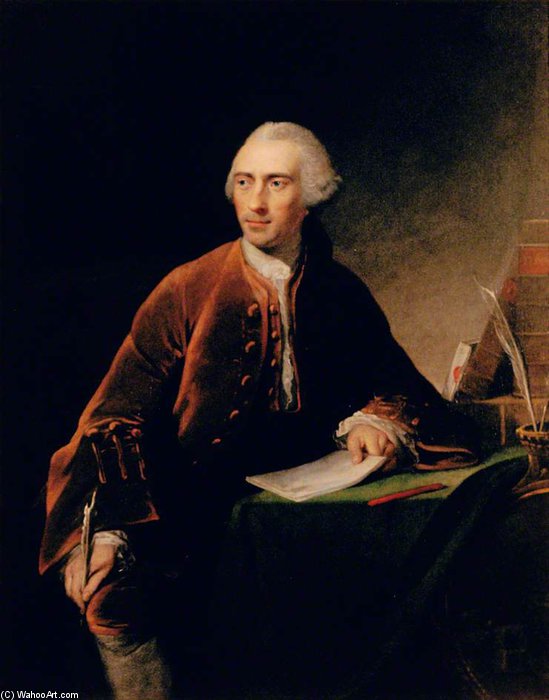
Samuel Vaughan, Trader, President Of The American Philosophical Society

 詳細を見る
詳細を見る
オンラインプレビューをはるかに凌ぐ、高解像度で鮮明なデジタル画像をご購入いただけます。
各ファイルは、社内の専門家が高度なツールと熟練した手作業によるレタッチを用いて、細心の注意を払って準備されています。すべての画像において、卓越した鮮明度、正確な色彩再現性、そして繊細なディテールを保証いたします。
最終ファイルは、プロフェッショナルな編集・印刷環境ですぐにご利用いただけるよう最適化された状態で、72時間以内にメールにてお届けいたします。これは、一流のデザインスタジオ、出版社、ギャラリーから信頼されているものと同等の品質です。
デジタル画像のご注文に付随する特典
高品質なデジタル画像配信を、確かな品質で。
ArtsDot.com を選ぶことは、単に画像を手に入れることではありません。それは、プロの手によって精密に仕上げられ、満足保証が付いた高品質なデジタルアートワークを受け取ることを意味します。ご注文いただいた際に自動的に付随する内容は、以下の通りです:

メールですぐにお届け
ご注文から72時間以内に、高解像度のデジタル画像ファイルがメールでお手元に届きます。すぐにそのままご利用いただけます。

AI技術で最適化されたデジタルファイル
お客様の作品は、高度なAIツールと専門家による手作業の編集を組み合わせてプロフェッショナルに最適化されており、細部のディテール、鮮明さ、そして正確な色再現性を最大限に引き出しています。

一生涯無料の再送サービス
ファイルを誤って削除したり、紛失してしまったりしましたか?ご安心ください。いつでも無料で再送いたします。

輸入手数料は一切かかりません
関税や手数料、配送料を気にすることなく、お気に入りのアートワークをすぐにお楽しみいただけます。デジタルダウンロードは常に免税です。

色彩再現の保証
プロ仕様のツールとカラーマネジメント技術を用いることで、デジタル画像が元の色を最大限に忠実に再現することを保証いたします。

60日間満足保証
ご購入いただいたデジタル画像にご満足いただけない場合は、60日以内であれば、修正または100%の返金(理由を問う必要はありません)をさせていただきます。

100% 返金保証
ご満足いただけない場合は、デジタルファイルを受け取ってから60日以内であれば、理由を問わず全額返金いたします。

まとめ買い割引
3枚購入で10%OFF - 5枚購入で15%OFF - 10枚以上購入で20%OFF。クリエイティブなプロジェクト、ギャラリー、エージェンシーに最適です。
作品の詳細
A Glimpse into 18th-Century Society: Samuel Vaughan, Trader, President of the American Philosophical Society
This striking portrait by c Robert Edge Pine offers a captivating window into the world of 18th-century Philadelphia. It depicts Samuel Vaughan, a prominent figure known as a successful trader and, significantly, the President of the prestigious American Philosophical Society. The artwork embodies the formality and dignity characteristic of classical oil painting during this period, presenting Vaughan not merely as an individual but as a symbol of intellect, commerce, and societal leadership. Pine masterfully uses light and shadow to draw attention to Vaughan’s face and upper body, creating a dramatic effect that emphasizes his presence and conveys a sense of quiet contemplation. The warm color palette—rich reds, browns, and golds against a dark backdrop—further enhances the portrait's gravitas and timeless appeal.The Artist & His Technique
c Robert Edge Pine (1730-1788), born in London, was a pioneering figure in American art history. He stands out as one of the first artists to document events related to the American Revolution through his paintings. Having trained under his father, engraver John Pine, Robert Edge Pine honed his skills and gained recognition for his portraits of notable figures like George II and the Duke of Northumberland in London before relocating to Philadelphia. This portrait exemplifies his meticulous oil painting technique, characterized by careful layering and blending to achieve smooth transitions and realistic textures. The shallow perspective focuses attention on Vaughan, while subtle shading creates a sense of depth and atmosphere. Pine’s skill lies not only in capturing likeness but also in conveying character and status through nuanced details.Symbolism & Historical Context
Beyond a mere representation of Samuel Vaughan, the portrait is rich with symbolic meaning reflecting his position within colonial society. His formal attire—a velvet jacket and powdered wig—immediately signifies wealth and social standing. The desk setting suggests intellectual pursuits and involvement in scholarly endeavors, underscored by his role as President of the American Philosophical Society, a leading center for scientific inquiry and philosophical discussion during that era. The painting’s creation coincides with a period of significant growth and change in Philadelphia, which was rapidly emerging as a major commercial hub and intellectual center. It serves as a visual record of this burgeoning society and its influential members.Emotional Impact & Artistic Legacy
This portrait evokes a sense of quiet authority and thoughtful introspection. Vaughan’s gaze is direct yet reserved, inviting the viewer to contemplate his character and accomplishments. The overall impression is one of dignity, intelligence, and understated power. Pine's work, including this portrait, provides invaluable insights into the lives and values of prominent individuals during a pivotal moment in American history. Owning a reproduction of "Samuel Vaughan, Trader, President Of The American Philosophical Society" allows you to bring a piece of 18th-century elegance and historical significance into your home or office—a conversation starter and a testament to the enduring power of portraiture.関連作品
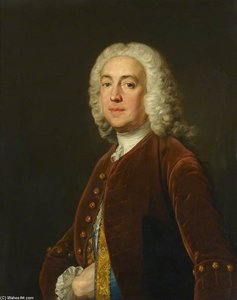
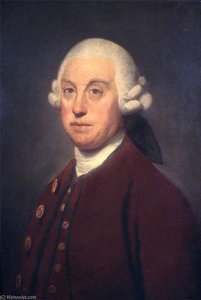
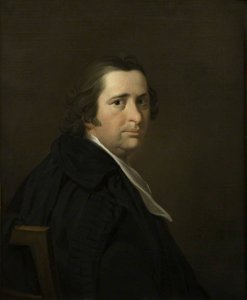
作家の略歴
The Visionary Brush of Robert Edge Pine
In the grand tapestry of the eighteenth century, few artists captured the profound transition from colonial tension to national identity as poignantly as Robert Edge Pine. Born in London in 1730, Pine was a man of two worlds, an Anglo-American painter whose life and work bridged the gap between the established elegance of the British Enlightenment and the raw, burgeoning spirit of the American Revolution. His artistic lineage was rooted in the meticulous precision of his father, John Pine, a renowned engraver and cartographer. This early exposure to the disciplined world of printmaking instilled in Robert a foundational reverence for detail and an uncanny ability to translate complex narratives into visual reality, a skill that would later serve him as he documented the faces of history.
Pine’s early career in London was marked by significant prestige, as his talent for portraiture earned him the attention of the era's most influential figures. He moved within the sophisticated circles of the Society of Artists and the Free Society of Artists, painting luminaries such as George II and the celebrated actor David Garrick. His work during this period was characterized by a refined mastery of character, capturing not just the physical likeness of his subjects but the subtle psychological nuances that defined the European elite. Yet, beneath this polished exterior lay an artist deeply attuned to the shifting political tides of the Atlantic world, a sensitivity that would eventually draw him across the ocean to the shores of a new nation.
A Witness to Revolution and Allegory
The final chapter of Pine’s life saw him relocate to Philadelphia, where he became an essential visual chronicler of the American struggle for independence. During these transformative years, his art transcended mere portraiture to embrace the profound weight of history painting. His masterpiece, “America,” painted in 1778, stands as a breathtaking testament to his allegorical prowess. In this work, Pine did not merely paint a landscape or a person; he painted an idea. By depicting America as a suffering figure receiving solace from symbols of liberty, concord, plenty, and peace, he provided a visual language for the very ideals that fueled the revolution, offering hope and moral clarity to a nation in the throes of war.
Beyond his allegorical triumphs, Pine’s commitment to documenting the American cause is perhaps most famously realized in his ambitious, though unfinished, work, “Congress Voting Independence.” This monumental composition sought to immortalize the interior of Independence Hall, populating it with the portraits of the signers of the Declaration of Independence. Through this project, Pine attempted to weave together the individual identities of the Founding Fathers into a singular, cohesive narrative of democratic birth. His ability to capture figures like George Washington—specifically in his rare, mature portrait executed at Mt. Vernon—demonstrates his unique capacity to document the human element behind the political icons.
Legacy and Historical Significance
Though his life was cut short in 1788, the legacy of Robert Edge Pine remains an indispensable part of the American artistic canon. He occupied a critical historical interlude, a period between the departure of masters like Copley and the return of Stuart, where his work served as a precious record of a society on the precipice of change. His contributions can be summarized through several enduring impacts:
- Documentary Value: He provided some of the most significant visual records of the American Founding Fathers during their most pivotal moments.
- Allegorical Depth: Through works like “America,” he elevated political struggle into the realm of high art, using symbolism to bolster national morale.
- Technical Bridge: His training in London engraving allowed him to bring a level of meticulous detail and structural integrity to American portraiture that was rare for the time.
Today, the works of Robert Edge Pine are cherished not merely as beautiful objects of art, but as historical windows. They allow us to peer into the very heart of the eighteenth century, witnessing the faces of those who shaped a continent and feeling the pulse of a revolution through the evocative strokes of his brush.
c robert edge pine
1730 - 1788 , United Kingdom
プロフィール概要
- Artistic Movement Or Style: Portraiture
- Artists Or Movements Influenced By This Artist: ['Classical Art']
- Artists Who Influenced This Artist: ['John Pine']
- Date Of Birth: London, United Kingdom (1730)
- Date Of Death: Philadelphia, United States (1788)
- Full Name: Robert Edge Pine
- Nationality: British
- Notable Artworks:
- The surrender of Calais to Richard III
- America
- Portraits of George Washington
- Place Of Birth: London

