

 プレビュー
プレビュー
 プリントを購入
 シェアする
シェアする シェアする
シェアする
 詳細を見る
詳細を見る

 ダウンロード
 似ている作品
 X線調査
X線調査 スライドショー
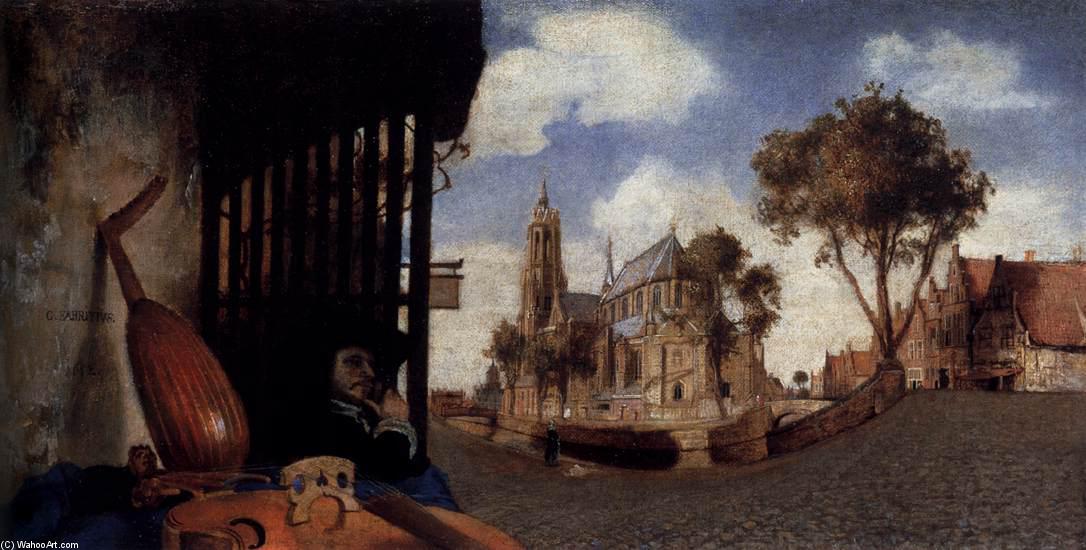
View of the City of Delft
 Acrylic On Canvas
- WallArt
- Baroque
 1652
1652 15.0 x 31.0 cm
 ナショナル・ギャラリー
 詳細を見る
詳細を見る




P118B $10

P118H $10

P118W $10

P438Z $10

P508JH $12

P508YH $12

P805H $10

P805Z $10

P919BZ $10

P919G $10

P919XJ $10

P959ZH $10

P968JZ $12

W106C $8

W218G $10

W218JH $8

W218Y $10

W307PJ $10

W316G $10

W316PJ $8

W316Y $10

W398PJ $8

W4111J $10

W500HY $15

W500JH $15

W692G $12

W849H $8

W940BG $15

W953PJ $8




作品のオリジナル比率に合わせた、当店の規定サイズからお選びください。

特定のフレームやスペースに合わせて、ご希望のサイズをご入力いただけます。選択されたサイズが元の画像の比率と異なる場合、アートワークをトリミングするか、手描きで要素を追加して絵画を拡張いたします。デジタルモックアップ を制作し、制作開始前にご確認(承認)をいただきます。
画面上のプレビューは、実際のトリミングや拡張を正確に反映しているものではありません。最終的な構図は、モックアップによってのみ正確にご確認いただけます。
カスタムサイズもご利用いただけますが、元の比率を維持するためには、あらかじめ用意されたリストからサイズを選択することをお勧めいたします。
ご注文後、ArtsDot.com チームより詳細な指示をお送りするとともに、仕上がりイメージ(モックアップ)をご提供いたします。


 ガラスオプションは、110cm未満のサイズでのみご利用いただけます。

View of the City of Delft
複製技法
複製画のサイズ
-


合計金額
$ 263
A Window on Delft: Carel Fabritius’s ‘View of the City’
Carel Fabritius's “View of the City of Delft,” painted in 1652, isn’t merely a cityscape; it’s a meticulously crafted illusion, a fleeting moment captured with an almost unsettling precision. This small canvas—measuring just 15 x 31 centimeters—holds within it a profound exploration of perspective, light, and the very nature of seeing. It's a work that invites prolonged contemplation, revealing new details and subtle complexities with each viewing.
Fabritius, a pupil of Rembrandt and a key figure in the Delft School, possessed an extraordinary talent for manipulating spatial relationships. He wasn’t simply depicting a scene; he was constructing a visual experience. The painting immediately draws the eye to the Nieuwe Kerk (New Church) dominating the background, its towering spire anchoring the composition. However, it's not the church itself that commands attention, but rather the intricate network of streets and buildings receding into the distance—a feat achieved through masterful use of linear perspective.
The Illusion of Depth: Technique and Innovation
What sets “View of Delft” apart is Fabritius’s daring experimentation with perspective. He employed a technique that suggests the painting was intended to be viewed through a specially designed ‘perspective box,’ a device used in the 17th century to create an immersive, three-dimensional experience. The buildings on the left side of the canvas appear dramatically foreshortened, creating a powerful sense of depth and drawing the viewer’s eye into the scene. This isn't just a clever trick; it demonstrates Fabritius’s deep understanding of optics and his desire to push the boundaries of artistic representation.
The artist’s brushwork is remarkably delicate and controlled, contributing significantly to the painting’s realism. Notice how he renders the textures of the buildings—the rough brickwork, the weathered wood—with subtle variations in tone and detail. The use of chiaroscuro – the dramatic contrast between light and shadow – further enhances the sense of depth and volume, creating a palpable atmosphere within the scene. The inclusion of a musical instrument seller’s stall adds an element of everyday life to the composition, grounding the fantastical perspective in a recognizable reality.
Symbolism and Context
Delft in 1652 was a thriving center of trade and commerce, and the painting offers a glimpse into the city's vibrant urban landscape. The Nieuwe Kerk, as the focal point, represented the heart of Delft’s civic life. The presence of the instrument seller hints at the importance of music and entertainment in the city’s culture. Some scholars believe that Fabritius may have been subtly commenting on the social dynamics of Delft through this scene – a commentary lost to us now.
Interestingly, the painting's small size suggests it was intended for display within such a perspective box, a device designed to create an immersive viewing experience. This reinforces the idea that Fabritius wasn’t simply creating a static image but rather designing a dynamic illusion—a window into another world.
A Timeless Masterpiece
“View of the City of Delft” is more than just a beautiful painting; it's a testament to Carel Fabritius’s artistic genius and his innovative approach to perspective. It remains one of the most captivating works in the National Gallery’s collection, offering viewers an enduring sense of wonder and prompting us to reconsider how we perceive space and reality. Its delicate beauty and complex construction continue to fascinate art historians and enthusiasts alike, solidifying its place as a cornerstone of Dutch Golden Age painting.
関連作品
アーティストの略歴
光と知覚の探求者:カレル・ファブリティウスの世界
17世紀オランダ黄金時代の画家、カレル・ファブリティウスは、短い生涯にも関わらず、絵画の発展に深い影響を与えた謎めいた人物として語り継がれています。1622年にミッデンベームステルで生まれ、1654年のデルフトの火薬庫爆発事故により32歳の若さで命を落としたファブリティウスは、わずかではあるものの、強烈な力を持つ作品群を残し、今もなお多くの人々を魅了し続けています。彼の絵画は単なる現実の再現ではなく、光、知覚、そして視覚体験の本質を探求する試みなのです。
ファブリティウスの芸術的な旅は、家族に育まれた環境から始まりました。父ピーテル・カレルスズ・ファブリティウス自身も画家であり、学校教師として絵画を教えながら制作活動を行っていたため、幼い頃から芸術への深い理解と愛情を育みました。この基盤が、1641年頃のアムステルダムへと彼を導き、レンブラント・ファン・レインの工房に入ることになります。彼の修業期間は正確には分かっていませんが、巨匠の影響は否定できません。しかし、ファブリティウスは単なる模倣者ではありませんでした。彼はすぐに独自の道を切り開き、レンブラントの特徴的な暗明法から脱却し、明瞭さ、冷たい調和、そして光の効果に対する科学的な観察を重視する独自のスタイルを確立していきました。
デルフト派と独特のビジョン
レンブラントのもとでの修行の後、ファブリティウスはデルフトに移り住み、1652年に地元の画家ギルドに加入しました。ここで、活気あふれる芸術コミュニティであるデルフト派の中で、彼の成熟したスタイルが開花しました。同時代の多くの画家たちが壮大な歴史的物語や賑やかな風俗画を描いていたのに対し、ファブリティウスは親密な家庭内部や日常的な物体の注意深い研究に魅力を感じました。彼の絵画は特筆すべき静けさを持ち、静かな緊張感が鑑賞者を時が止まったかのような世界へと引き込みます。
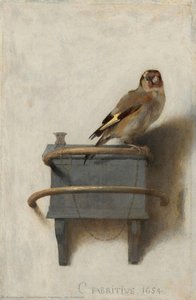
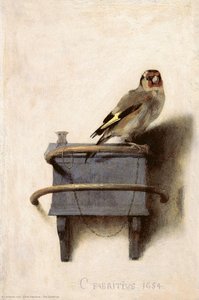
ファブリティウスを際立たせているのは、光の巧みな操作です。彼は単に光を描写したのではなく、*分析*し、その微妙なグラデーションと形を定義し、雰囲気を創造する能力をとらえました。この光学への関心は、彼に遠近法を実験させることになり、しばしば現実感を高め、鑑賞者をシーンへと引き込むような珍しい視点を取り入れました。彼の最も有名な作品である『金鳥』は、まさにその完璧な例です。一見するとシンプルな鎖につながれた金鳥の描写ですが、実際には騙し絵の技術と空間的な錯覚の見事な成果なのです。鳥は画面の外に浮かんでいるかのように見え、その羽毛は驚くほど詳細に描かれ、光と影の相互作用がほとんど触覚的な深みを生み出しています。
主要作品と永続的な遺産
『金鳥』以外にも、ファブリティウスの作品群には彼の独特なビジョンを示す魅力的な作品が含まれています。1652年に描かれた『デルフトの眺め』は、そのユニークな視点と街の建築物の雰囲気豊かな表現が注目される都市景観です。この絵画は単なる地形図ではなく、静けさと詩的な美しさが込められた場所の喚起なのです。『見張り兵』は彼の死の直前に描かれたものであり、最も謎めいた作品の一つであり、義務、孤立、そして人間の条件というテーマについて考察を促します。
ファブリティウスの短いキャリアは、彼がわずか12点ほどの現存する絵画しか残さなかったことを意味しました。しかし、これらの限られた作品は後世の芸術家に大きな影響を与えました。彼の革新的な光と遠近法の使用は、光学効果や家庭内部に同様の関心を持っていたヨハネス・フェルメールに深く影響を与えたと考えられています。フェルメールの傑作を特徴づける冷たい色調、正確な描写、そして静かな親密さは、ファブリティウスの先駆的な作品に遡ることができます。
時代を先取りした画家
デルフトでの爆発事故は、ファブリティウスの命だけでなく、潜在的に革命的な芸術的軌跡も断ち切ってしまいました。彼の絵画は、表現の境界線を押し広げ、見ることと知覚の本質を探求していた芸術家の心を垣間見せてくれます。同時代の画家たちが物語や象徴に熱中していたのに対し、ファブリティウスは絵画の基本的な要素—光、色、形—に焦点を当て、視覚的に素晴らしいだけでなく、知的に刺激的な作品を生み出しました。
今日、カレル・ファブリティウスはオランダ黄金時代の重要な人物として認められており、彼の短いながらも輝かしいキャリアは芸術の歴史に消えない足跡を残しました。彼の絵画は今もなお多くの人々を魅了し続け、観察力、革新性、そして光の永続的な美しさに対する不朽の証となっています。
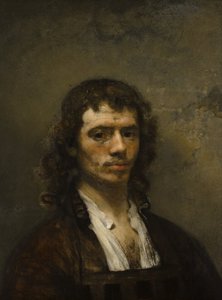
カレル・ファブリティウス
1622 - 1654 , オランダ
基本情報
- Artistic Movement Or Style: バロック美術
- Artists Or Movements Influenced By This Artist: ['ヨハネス・フェルメール']
- Artists Who Influenced This Artist: ['レンブラント・ファン・レイン']
- Date Of Birth: 1622年2月27日
- Date Of Death: 1654年10月12日
- Full Name: カレル・ファブリティウス
- Nationality: オランダ人
- Notable Artworks (List Of Titles):
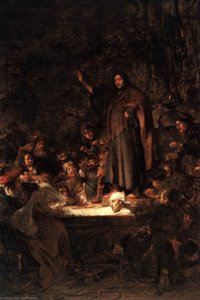
- 「ラザロの復活」
- 「デルフトの眺め」
- 「金鳥」
- Place Of Birth (City And Country): ミッデンベームステル、オランダ
関連記事

Golden Age Reflections: Dutch Baroque Painting & Cultural Innovation
Explore the Dutch Golden Age of painting! Discover key artists like Vermeer & ter Borch, their innovative techniques, and the rich cultural context behind these Baroque masterpieces. Learn about collecting & appreciating this iconic art period.

黄金世紀の巨匠たち:バロック絵画が彩る10選|ArtsDot
オランダ黄金時代の10大傑作を紐解く!レンブラント、フェルメール…バロック絵画の魅力と時代背景を深く探求。ArtsDotで、至高のアートコレクションと空間演出のヒントを見つけよう。高品質なアートプリントで、お部屋を華やかに。

Illuminating Innovation: Exploring the Dutch Golden Age of Painting
Explore the Dutch Golden Age of painting with ArtsDot. Discover Rembrandt, Vermeer & other Masters. Learn about key characteristics, iconic artworks, and lasting influence. Expert insights for collectors & enthusiasts.

Dutch Baroque Masters: 10 Paintings That Shaped an Era | ArtsDot
Journey through the Golden Age with our guide to the Top 10 Dutch Baroque masterpieces! Explore iconic paintings by Rembrandt, Vermeer & Frans Hals. Find museum-quality art reproductions and elevate your home decor at ArtsDot.com.

Illuminating Realism: Exploring the Dutch Golden Age of Painting (1600-1700)
Explore the Dutch Golden Age of painting (1600-1700) with ArtsDot. Discover Rembrandt, Vermeer & other masters. Learn about techniques, history & find museum-quality reproductions.

