

 プレビュー
プレビュー
 プリントを購入
 シェアする
シェアする シェアする
シェアする
 詳細を見る
詳細を見る

 ダウンロード
 似ている作品
 X線調査
X線調査 スライドショー
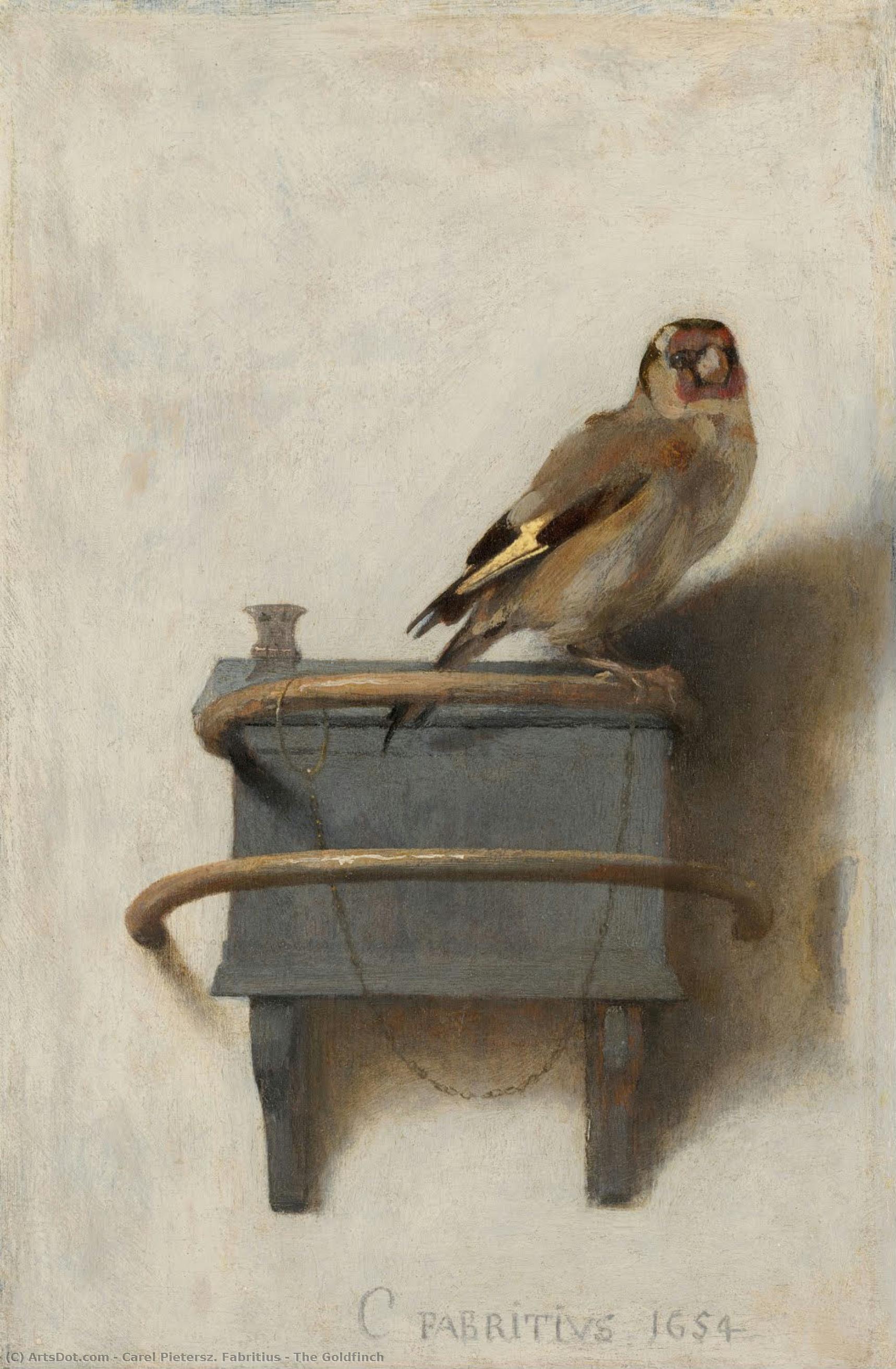
The Goldfinch
 Acrylic On Canvas
- WallArt
- Dutch Golden Age Painting
 1654
1654 33.0 x 22.0 cm
 モウリツハウイス
 詳細を見る
詳細を見る




P118B $10

P118H $10

P118W $10

P438Z $10

P508JH $12

P508YH $12

P805H $10

P805Z $10

P919BZ $10

P919G $10

P919XJ $10

P959ZH $10

P968JZ $12

W106C $8

W218G $10

W218JH $8

W218Y $10

W307PJ $10

W316G $10

W316PJ $8

W316Y $10

W398PJ $8

W4111J $10

W500HY $15

W500JH $15

W692G $12

W849H $8

W940BG $15

W953PJ $8




作品のオリジナル比率に合わせた、当店の規定サイズからお選びください。

特定のフレームやスペースに合わせて、ご希望のサイズをご入力いただけます。選択されたサイズが元の画像の比率と異なる場合、アートワークをトリミングするか、手描きで要素を追加して絵画を拡張いたします。デジタルモックアップ を制作し、制作開始前にご確認(承認)をいただきます。
画面上のプレビューは、実際のトリミングや拡張を正確に反映しているものではありません。最終的な構図は、モックアップによってのみ正確にご確認いただけます。
カスタムサイズもご利用いただけますが、元の比率を維持するためには、あらかじめ用意されたリストからサイズを選択することをお勧めいたします。
ご注文後、ArtsDot.com チームより詳細な指示をお送りするとともに、仕上がりイメージ(モックアップ)をご提供いたします。


 ガラスオプションは、110cm未満のサイズでのみご利用いただけます。

The Goldfinch
複製技法
複製画のサイズ
-


合計金額
$ 263
The Goldfinch - A Masterpiece of Illusion and Symbolism
Carel Fabritius’s “The Goldfinch,” completed in 1654, stands as an emblem of the Dutch Golden Age—a period defined by artistic innovation, meticulous observation, and a profound engagement with humanist ideals. More than just a depiction of a bird perched atop a simple wooden container, it embodies Fabritius's groundbreaking approach to painting, showcasing his mastery of perspective and illusionary techniques that continue to fascinate viewers today.
- Subject Matter: The painting portrays a goldfinch—a small yellow and black songbird—resting on the edge of what appears to be a bucket or barrel. Fabritius’s choice of subject was deliberate, reflecting the burgeoning interest in naturalism within Dutch art circles during this era.
- Style & Technique: Fabritius adhered to the Delft School style, characterized by its subtle tonal gradations and masterful use of chiaroscuro—the interplay between light and shadow—to create a remarkably realistic effect. He employed Trompe-l'œil, an artistic technique designed to deceive the eye into perceiving something that isn’t actually present, skillfully blending the painted surface with the illusion of a wooden container.
- Historical Context: Created during Fabritius’s tragically brief career—he died in Delft just months after completing “The Goldfinch”—the painting reflects the anxieties and aspirations of his time. The explosion of the Delft gunpowder magazine, which claimed Fabritius's life along with many others, underscored the precariousness of existence amidst rapid scientific advancement and societal upheaval.
- Symbolism: Beyond its aesthetic qualities, “The Goldfinch” carries symbolic weight. The goldfinch itself was considered a symbol of Christian redemption—a bird that migrates south for winter and returns triumphant in spring—reflecting the humanist preoccupation with moral virtue and spiritual renewal prevalent during the Baroque period.
- Emotional Impact: Fabritius’s meticulous attention to detail—the delicate feathers, the subtle shading—captures not only the visual appearance of the bird but also its inherent stillness and tranquility. The painting invites contemplation on themes of beauty, fragility, and resilience, resonating with viewers across centuries.
The enduring allure of “The Goldfinch” lies in Fabritius’s ability to transform a seemingly simple subject into an emotionally resonant artwork—a testament to the transformative power of artistic vision and technique. Its preservation as one of the few surviving paintings from Rembrandt's workshop ensures its place as a cornerstone of Dutch Baroque art history.
関連作品

アーティストの略歴
early life and training
carel pietersz. fabritius, a prominent dutch painter, was born in middenbeemster, netherlands in 1622. he was the son of pieter carelsz., a painter and schoolteacher, and had two younger brothers who were also painters. initially, he worked as a carpenter before studying at rembrandt's studio in amsterdam in the early 1640s.artistic style and notable works
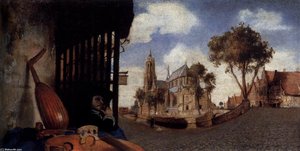
fabritius was a member of the delft school and developed his own artistic style, experimenting with perspective and lighting. some of his notable works include:- a view of delft (1652), showcasing his mastery of light and shadow.
- the goldfinch (1654), a testament to his attention to detail.
- the sentry (1654), demonstrating his ability to capture the subtleties of human emotion.
tragic end and lasting legacy
fabritius's life was cut short when he died in delft in 1654, caught in the explosion of the delft gunpowder magazine. despite his brief career, his works continue to inspire art lovers worldwide. view some of fabritius' works and other dutch masters on ArtsDot.com:- carel pietersz. fabritius | explore his biography and artworks.
- cornelis troost: portrait of a man | discover another dutch master's work.
- vincent van gogh: farm with stacks of peat | learn about the post-impressionist movement.
museums and collections
fabritius' works can be found in various museums, including the mauritshuis (the hague, netherlands), which also features an extensive collection of dutch art. visit ArtsDot.com to learn more about dutch masters and their contributions to the art world: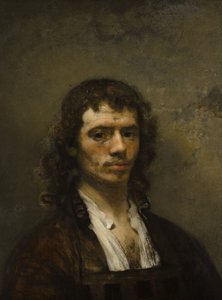
carel pietersz. fabritius
1622 - 1654 , Netherlands
基本情報
- Artistic Movement Or Style: Delft School
- Artists Who Influenced This Artist: ['Rembrandt']
- Date Of Birth: 1622
- Full Name: Carel Pietersz Fabritius
- Nationality: Dutch
- Notable Artworks:
- A View of Delft
- The Goldfinch
- The Sentry
- Place Of Birth: Muiden, Netherlands
関連記事

黄金世紀の巨匠たち:バロック絵画が彩る10選|ArtsDot
オランダ黄金時代の10大傑作を紐解く!レンブラント、フェルメール…バロック絵画の魅力と時代背景を深く探求。ArtsDotで、至高のアートコレクションと空間演出のヒントを見つけよう。高品質なアートプリントで、お部屋を華やかに。

Illuminating Innovation: Exploring the Dutch Golden Age of Painting
Explore the Dutch Golden Age of painting with ArtsDot. Discover Rembrandt, Vermeer & other Masters. Learn about key characteristics, iconic artworks, and lasting influence. Expert insights for collectors & enthusiasts.

Golden Age Reflections: Dutch Baroque Painting & Cultural Innovation
Explore the Dutch Golden Age of painting! Discover key artists like Vermeer & ter Borch, their innovative techniques, and the rich cultural context behind these Baroque masterpieces. Learn about collecting & appreciating this iconic art period.
Illuminating Realism: Exploring the Dutch Golden Age of Painting (1600-1700)
Explore the Dutch Golden Age of painting (1600-1700) with ArtsDot. Discover Rembrandt, Vermeer & other masters. Learn about techniques, history & find museum-quality reproductions.
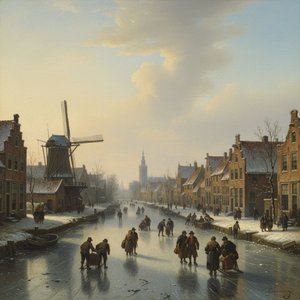
Charles Leickert: Capturing the Dutch Golden Age Light – A Comprehensive Study of Technique, Context, and Legacy
Explore the captivating winter landscapes of Charles Leickert, a master of Dutch Golden Age light & atmosphere. Discover his techniques, symbolism, and lasting legacy – a comprehensive study for art enthusiasts and collectors.

