

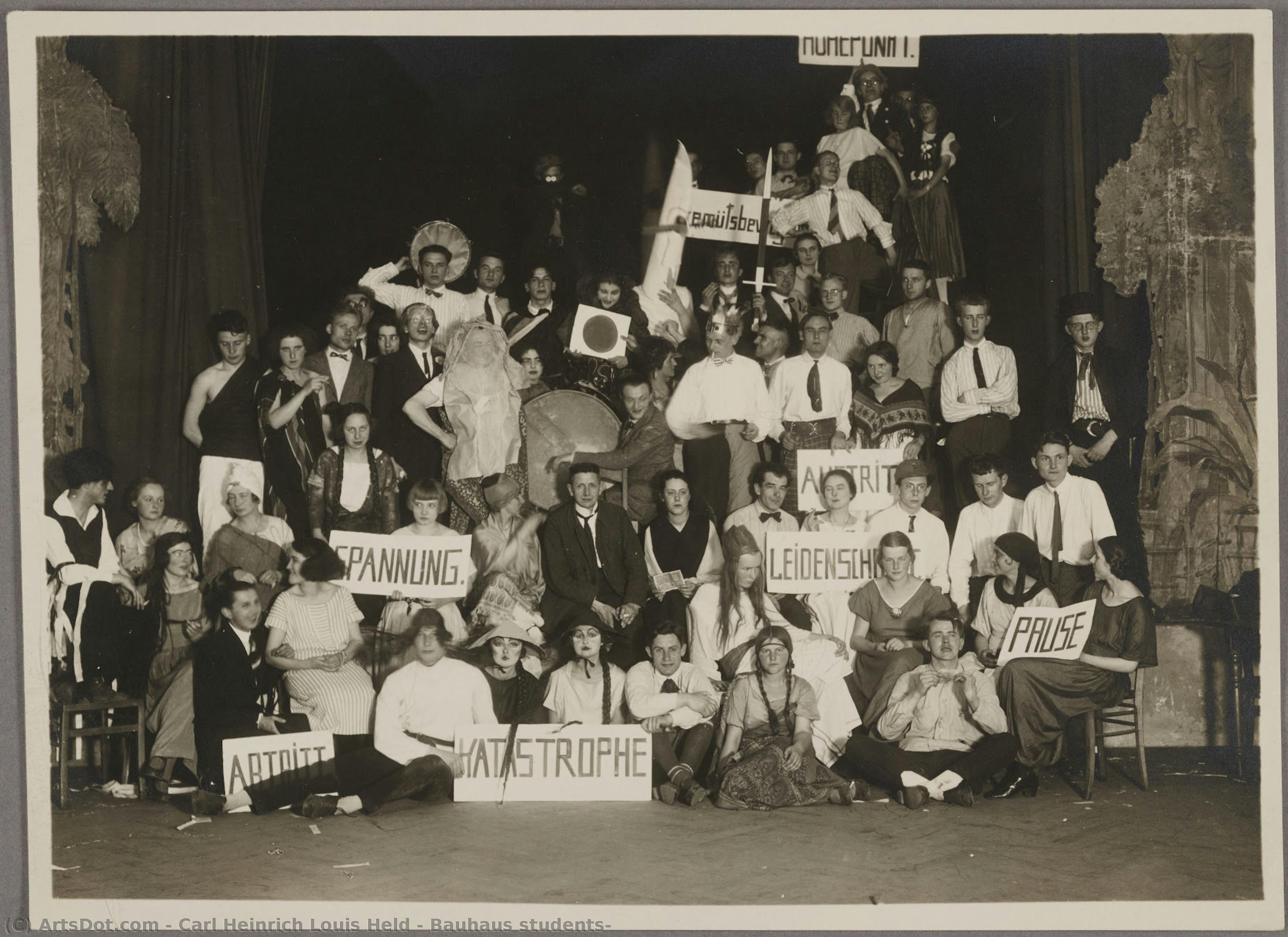
 プレビュー
プレビュー
 シェアする
シェアする シェアする
シェアする
 詳細を見る
詳細を見る

 ダウンロード
 似ている作品
 X線調査
X線調査 スライドショー
 Stats
StatsBauhaus students


 詳細を見る
詳細を見る
オンラインプレビューをはるかに凌ぐ、高解像度で鮮明なデジタル画像をご購入いただけます。
各ファイルは、社内の専門家が高度なツールと熟練した手作業によるレタッチを用いて、細心の注意を払って準備されています。すべての画像において、卓越した鮮明度、正確な色彩再現性、そして繊細なディテールを保証いたします。
最終ファイルは、プロフェッショナルな編集・印刷環境ですぐにご利用いただけるよう最適化された状態で、72時間以内にメールにてお届けいたします。これは、一流のデザインスタジオ、出版社、ギャラリーから信頼されているものと同等の品質です。
デジタルアート
個人での鑑賞、印刷、クリエイティブなプロジェクト用に、高解像度ファイルをダウンロードできます。 ( Switch to Print 手描きの絵画を購入)
デジタル画像のご注文に付随する特典
高品質なデジタル画像配信を、確かな品質で。
ArtsDot.com を選ぶことは、単に画像を手に入れることではありません。それは、プロの手によって精密に仕上げられ、満足保証が付いた高品質なデジタルアートワークを受け取ることを意味します。ご注文いただいた際に自動的に付随する内容は、以下の通りです:

メールですぐにお届け
ご注文から72時間以内に、高解像度のデジタル画像ファイルがメールでお手元に届きます。すぐにそのままご利用いただけます。

AI技術で最適化されたデジタルファイル
お客様の作品は、高度なAIツールと専門家による手作業の編集を組み合わせてプロフェッショナルに最適化されており、細部のディテール、鮮明さ、そして正確な色再現性を最大限に引き出しています。

一生涯無料の再送サービス
ファイルを誤って削除したり、紛失してしまったりしましたか?ご安心ください。いつでも無料で再送いたします。

輸入手数料は一切かかりません
関税や手数料、配送料を気にすることなく、お気に入りのアートワークをすぐにお楽しみいただけます。デジタルダウンロードは常に免税です。

色彩再現の保証
プロ仕様のツールとカラーマネジメント技術を用いることで、デジタル画像が元の色を最大限に忠実に再現することを保証いたします。

100日間満足保証
ご購入いただいたデジタル画像にご満足いただけない場合は、100日以内であれば、理由を問わず修正または100%の返金対応をさせていただきます。

100% 返金保証
ご満足いただけない場合は、デジタルファイルを受け取ってから100日以内であれば、理由を問わず全額返金いたします。

まとめ買い割引
3枚購入で10%OFF - 5枚購入で15%OFF - 10枚以上購入で20%OFF。クリエイティブなプロジェクト、ギャラリー、エージェンシーに最適です。
関連作品







作家の略歴
Joseph Mallord William Turner: A Pioneer of Light and Emotion
Joseph Mallord William Turner, a name synonymous with Romanticism’s most evocative landscapes, was far more than just a painter; he was a revolutionary who fundamentally altered the course of Western art. Born in London in 1775, his life was one of intense creativity, profound solitude, and a relentless pursuit of capturing the ephemeral beauty of light and atmosphere. Despite initially training as an architectural draftsman – a skill that informed his early topographical studies – Turner quickly abandoned conventional artistic constraints, forging a unique style characterized by vibrant color, dynamic brushwork, and a deeply personal vision of the world. He died in 1851, leaving behind a legacy that continues to inspire awe and debate.
Turner’s formative years were marked by a keen observation of nature and an early exposure to art. His father, a beer dealer, struggled financially, but provided his son with access to London's artistic circles. He began studying at the Royal Academy of Arts in 1789, a relatively young age for entry, and quickly demonstrated prodigious talent. However, he was also a difficult student, often clashing with instructors and exhibiting a rebellious streak that would characterize much of his life. This independent spirit fueled his desire to break free from academic tradition and develop an entirely original approach to painting.
Early influences on Turner’s work were diverse. He admired the Dutch Golden Age painters, particularly Rembrandt and Jacob van Ruysdael, for their masterful use of light and shadow. He also drew inspiration from history paintings, though he quickly moved beyond their formal conventions. Crucially, his travels throughout Europe – beginning in 1802 – profoundly shaped his artistic vision. These journeys exposed him to the dramatic landscapes of Switzerland, Italy, and France, as well as the bustling ports and waterways of England. He meticulously documented these experiences through countless sketches and watercolors, which served as the foundation for many of his most celebrated paintings.
The Development of a Unique Style
Turner’s artistic style evolved dramatically over his long career. Initially, his work reflected a more traditional approach, characterized by detailed renderings of landscapes and architectural subjects. However, starting in the 1830s, he began to experiment with looser brushwork, brighter colors, and increasingly expressive compositions. This shift marked a decisive break from Romanticism’s emphasis on picturesque beauty and ushered in a new era of artistic exploration. His use of color became particularly distinctive – not simply to represent reality but to evoke mood and atmosphere. He often employed complementary colors side-by-side, creating dazzling visual effects that seemed to shimmer and vibrate.
Turner’s mastery of watercolor was unparalleled. He used the medium to capture fleeting moments of light and color with remarkable sensitivity. His watercolors are not merely copies of landscapes but rather interpretations – imbued with his own emotional response to the natural world. He also excelled in oil painting, developing a unique technique that involved layering colors directly onto the canvas, often scraping away at the surface to reveal underlying tones. This process created a sense of depth and movement that was characteristic of his most powerful works.
Major Works and Themes
Turner’s oeuvre is vast and remarkably diverse, encompassing landscapes, seascapes, cityscapes, and portraits. Some of his most celebrated paintings include *The Fighting Temeraire* (1839), a dramatic depiction of a naval warship being towed to its final resting place; *Rain, Steam and Speed – The Great Western Railway* (1844), an iconic image of industrial progress; and *Snow Storm: Hannibal Crossing the Alps* (1812-1815), a turbulent portrayal of a historical event. These works demonstrate his ability to capture not only the visual aspects of his subjects but also their emotional resonance.
Recurring themes in Turner’s work include light, atmosphere, and the sublime—the experience of awe and terror evoked by nature's power. He was fascinated by the effects of weather – particularly storms – and often depicted them with a visceral intensity. His paintings frequently convey a sense of movement and energy, as if capturing the very essence of the natural world. He also explored themes of mortality and transience, reflecting on the fleeting nature of life and the inevitability of decay.
Legacy and Influence
Despite facing criticism during his lifetime for his unconventional style and perceived lack of technical skill, Turner’s reputation steadily grew in the decades following his death. John Ruskin, a prominent art critic, championed his work, declaring him “the greatest that ever lived.” Today, Turner is widely regarded as one of the most important artists in Western history. His influence on subsequent generations of painters – including Impressionists and Abstract Expressionists – is undeniable.
Turner’s legacy extends beyond his individual paintings. He fundamentally changed the way landscape painting was conceived and executed, paving the way for a more subjective and expressive approach to art. His exploration of light, color, and atmosphere continues to inspire artists today, reminding us of the power of art to capture the beauty and mystery of the natural world.

carl heinrich louis held
1851 - 1927 , Germany
プロフィール概要
- Artistic Movement Or Style: Romanticism, Precursor of Impressionism
- Artists Or Movements Influenced By This Artist:
- Impressionism
- Abstract Art
- Artists Who Influenced This Artist:
- Claude Lorrain
- J.M.W. Turner
- Date Of Birth: 23 April 1775
- Date Of Death: 19 December 1851
- Full Name: Joseph Mallord William Turner
- Nationality: English
- Notable Artworks:
- Rain, Steam and Speed – The Great Western Railway
- The Fighting Temeraire
- Snow Storm: Hannibal Crossing the Alps
- Place Of Birth: London, England