

 プレビュー
プレビュー
 シェアする
シェアする シェアする
シェアする
 詳細を見る
詳細を見る

 ダウンロード
 似ている作品
 X線調査
X線調査 スライドショー
 統計情報
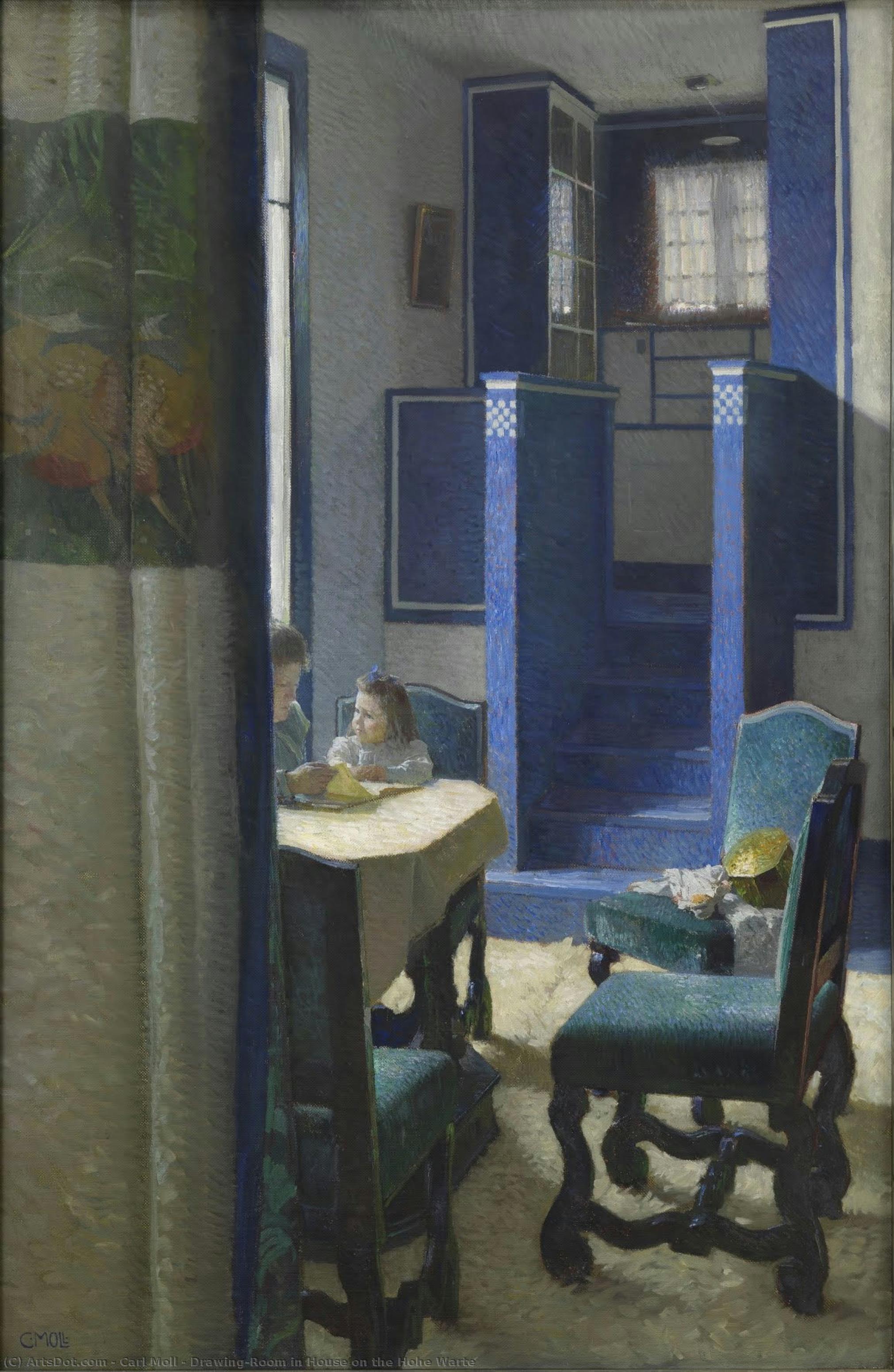
統計情報Drawing-Room in House on the Hohe Warte
 Oil On Canvas
- WallArt
- Vienna Secession
 1903
1903 135.0 x 89.0 cm
 Wien Museum
 詳細を見る
詳細を見る
オンラインプレビューをはるかに凌ぐ、高解像度で鮮明なデジタル画像をご購入いただけます。
各ファイルは、社内の専門家が高度なツールと熟練した手作業によるレタッチを用いて、細心の注意を払って準備されています。すべての画像において、卓越した鮮明度、正確な色彩再現性、そして繊細なディテールを保証いたします。
最終ファイルは、プロフェッショナルな編集・印刷環境ですぐにご利用いただけるよう最適化された状態で、72時間以内にメールにてお届けいたします。これは、一流のデザインスタジオ、出版社、ギャラリーから信頼されているものと同等の品質です。
デジタルアート
個人での鑑賞、印刷、クリエイティブなプロジェクト用に、高解像度ファイルをダウンロードできます。 ( プリント版に切り替え 手描きの絵画を購入)
デジタル画像のご注文に付随する特典
高品質なデジタル画像配信を、確かな品質で。
ArtsDot.com を選ぶことは、単に画像を手に入れることではありません。それは、プロの手によって精密に仕上げられ、満足保証が付いた高品質なデジタルアートワークを受け取ることを意味します。ご注文いただいた際に自動的に付随する内容は、以下の通りです:

メールですぐにお届け
ご注文から72時間以内に、高解像度のデジタル画像ファイルがメールでお手元に届きます。すぐにそのままご利用いただけます。

AI技術で最適化されたデジタルファイル
お客様の作品は、高度なAIツールと専門家による手作業の編集を組み合わせてプロフェッショナルに最適化されており、細部のディテール、鮮明さ、そして正確な色再現性を最大限に引き出しています。

一生涯無料の再送サービス
ファイルを誤って削除したり、紛失してしまったりしましたか?ご安心ください。いつでも無料で再送いたします。

輸入手数料は一切かかりません
関税や手数料、配送料を気にすることなく、お気に入りのアートワークをすぐにお楽しみいただけます。デジタルダウンロードは常に免税です。

色彩再現の保証
プロ仕様のツールとカラーマネジメント技術を用いることで、デジタル画像が元の色を最大限に忠実に再現することを保証いたします。

100日間満足保証
ご購入いただいたデジタル画像にご満足いただけない場合は、100日以内であれば、理由を問わず修正または100%の返金対応をさせていただきます。

100% 返金保証
ご満足いただけない場合は、デジタルファイルを受け取ってから100日以内であれば、理由を問わず全額返金いたします。

まとめ買い割引
3枚購入で10%OFF - 5枚購入で15%OFF - 10枚以上購入で20%OFF。クリエイティブなプロジェクト、ギャラリー、エージェンシーに最適です。
Drawing-Room in House on the Hohe Warte - Carl Moll
The artwork presents a meticulously crafted interior scene—a drawing room bathed in diffused light—that encapsulates the spirit of Viennese Modernism at the turn of the century. Painted in 1903 by Carl Moll, a prominent figure within the Vienna Secession movement, this piece transcends mere representation; it’s an exploration of atmosphere, form, and emotion, reflecting the artistic fervor of its time.- Subject Matter: The composition depicts a comfortable domestic setting—a drawing room furnished with elegant furniture and populated by figures engaged in leisurely conversation. Moll skillfully captures a moment of everyday life, imbued with warmth and intimacy.
- Style & Technique: Executed in oil paint on canvas, Moll’s technique is characterized by Pointillist methods—a deliberate fragmentation of color achieved through the application of tiny dots—inspired by Impressionistic principles. This approach lends an ethereal quality to the scene, emphasizing luminosity and textural nuances.
- Composition: A central vanishing point directs the viewer's gaze towards a large window, establishing depth and perspective. Furniture placement contributes to spatial relationships, while a curtain partially obscures part of the room, adding an element of mystery.
- Color Palette: Dominantly featuring muted blues—reflecting in the walls and drapery—the palette is contrasted with warmer tones emanating from the table cloth and figures. Subtle shades of green appear in the potted plant, creating a harmonious visual balance.
- Historical Context: Moll’s work aligns perfectly with the Secession's rejection of academic conventions and embrace of innovative artistic expressions. It embodies the movement’s fascination with capturing fleeting moments of beauty and conveying profound emotional resonance—a legacy that continues to inspire artists today.
関連作品
作家の略歴
Carl Moll: A Pioneer of Austrian Modernism
Early Life and Education
- Born Carl Julius Rudolf Moll on April 23, 1861, in Vienna, Austria.
- He received his artistic training at the prestigious Academy of Fine Arts Vienna.
- Moll studied under Christian Griepenkerl and later with Emil Jakob Schindler, father of Alma Mahler-Werfel.
- A significant personal event occurred in 1892 when he married Anna von Bergen, Schindler’s widow, following a prior romantic involvement.
Artistic Development and Influences
- Initially influenced by the atmospheric realism prevalent in Vienna during his early career.
- Moll embraced the techniques of French Impressionism, particularly Pointillism, which became a defining characteristic of his style.
- He skillfully integrated Pointillist methods with a meticulous organization of the painting’s surface, creating unique visual effects.
- His work demonstrates an interest in capturing light and atmosphere, alongside detailed depictions of interiors and landscapes.
The Vienna Secession and Modern Art
- In 1897, Moll became a founding member of the Vienna Secession, a group of artists who broke away from traditional artistic institutions.
- He played a crucial role in advocating for modern art exhibitions, notably encouraging the use of the Belvedere Gallery for this purpose in 1903.
- In 1905, alongside Gustav Klimt, Moll left the Secession, though he remained actively involved in Vienna’s vibrant art scene.
- He was instrumental in introducing new artistic movements to Vienna, including organizing the first exhibition of Vincent van Gogh's work in the city.
Major Works and Themes
- Moll is celebrated for his interior scenes, such as “Der Frühstückstisch (The Breakfast Table)” and “Drawing-Room in House on the Hohe Warte,” which showcase opulent settings and detailed realism.
- His landscapes, like "Baumallee in Bruntál," demonstrate his mastery of Pointillist techniques and atmospheric perspective.
- Recurring themes in his work include domesticity, leisure, and the beauty of the natural world.
- He also created still life paintings, demonstrating a keen eye for composition and color.
Historical Significance and Legacy
- Carl Moll was a pivotal figure in the development of Austrian Modernism, bridging the gap between traditional academic painting and avant-garde movements.
- His contributions to the Vienna Secession helped establish Vienna as a major center for artistic innovation at the turn of the 20th century.
- Despite his later association with Nazism, his artistic achievements continue to be recognized and appreciated today.
- In recent years, Moll’s works have achieved record prices at auction, reflecting growing interest in his oeuvre.
Final Years and Death
- Tragically, Carl Moll committed suicide in Vienna at the end of World War II, along with his daughter Maria and son-in-law Richard Eberstaller.
- This act occurred as Soviet forces approached the city, and all three had been early supporters of the Nazi party.
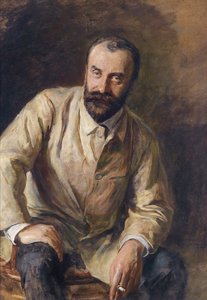
Carl Moll
1861 - 1945 , Austria
プロフィール概要
- Birth Date: 1861-04-23
- Birth Place: Vienna, Austria
- Death Date: 1945-04-12
- Influenced By: French Impressionists
- Movement: Art Nouveau, Vienna Secession, Pointillism
- Name: Carl Moll
- Nationality: Austrian
- Notable Works:
- Drawing-Room in House on the Hohe Warte
- Der Frühstückstisch (The Breakfast Table)
- Baumallee in Bruntál