

 プレビュー
プレビュー
 プリントを購入
 シェアする
シェアする シェアする
シェアする
 詳細を見る
詳細を見る

 ダウンロード
 似ている作品
 X線調査
X線調査 スライドショー
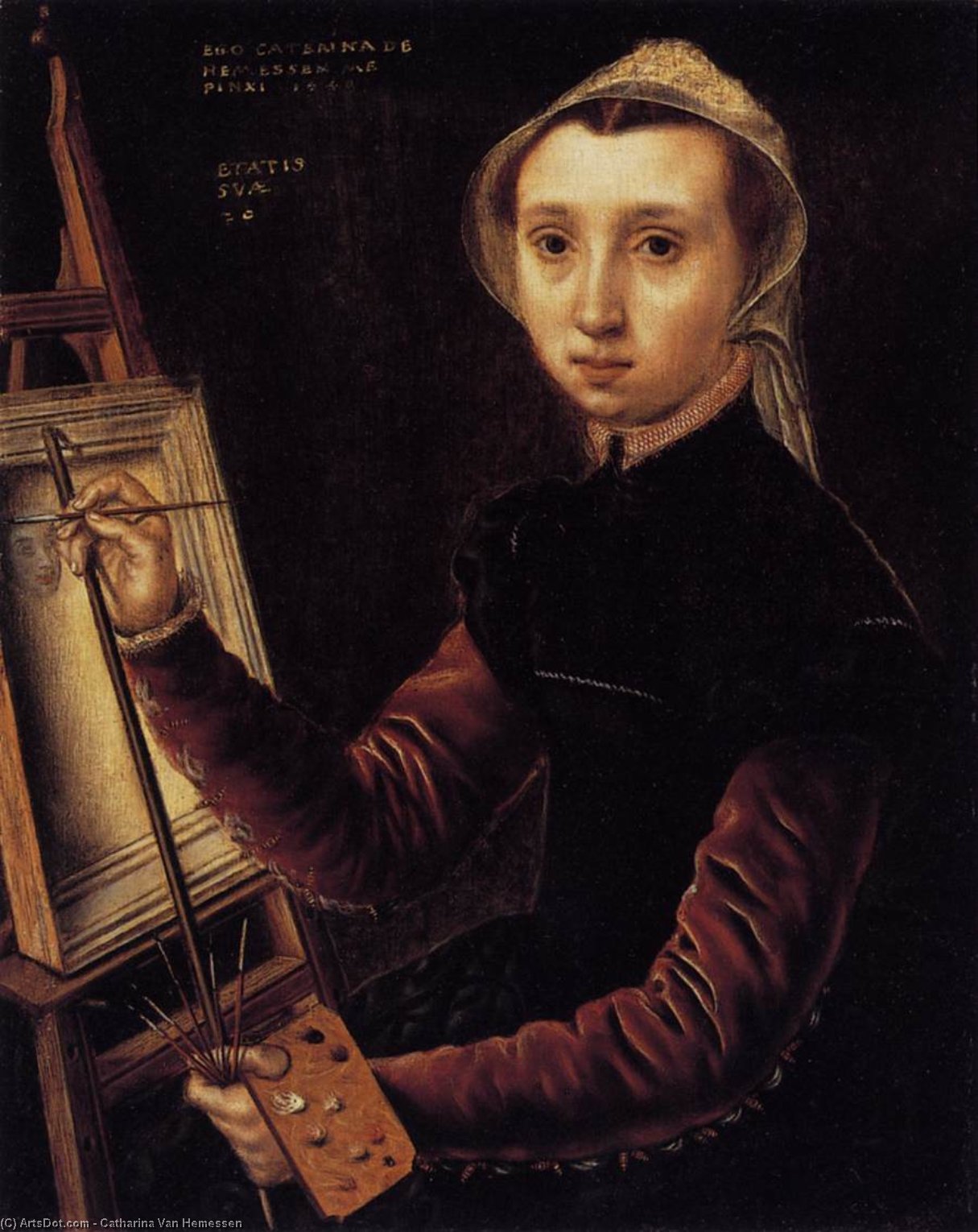
Self-Portrait
 Oil On Canvas
- WallArt
- Early Netherlandish Painting
 1548
1548 32.0 x 25.0 cm
 バーゼルの公立美術館 (Basel Kunstmuseum)
 詳細を見る
詳細を見る
オンラインプレビューをはるかに凌ぐ、高解像度で鮮明なデジタル画像をご購入いただけます。
各ファイルは、社内の専門家が高度なツールと熟練した手作業によるレタッチを用いて、細心の注意を払って準備されています。すべての画像において、卓越した鮮明度、正確な色彩再現性、そして繊細なディテールを保証いたします。
最終ファイルは、プロフェッショナルな編集・印刷環境ですぐにご利用いただけるよう最適化された状態で、72時間以内にメールにてお届けいたします。これは、一流のデザインスタジオ、出版社、ギャラリーから信頼されているものと同等の品質です。
デジタル画像のご注文に付随する特典
高品質なデジタル画像配信を、確かな品質で。
ArtsDot.com を選ぶことは、単に画像を手に入れることではありません。それは、プロの手によって精密に仕上げられ、満足保証が付いた高品質なデジタルアートワークを受け取ることを意味します。ご注文いただいた際に自動的に付随する内容は、以下の通りです:

メールですぐにお届け
ご注文から72時間以内に、高解像度のデジタル画像ファイルがメールでお手元に届きます。すぐにそのままご利用いただけます。

AI技術で最適化されたデジタルファイル
お客様の作品は、高度なAIツールと専門家による手作業の編集を組み合わせてプロフェッショナルに最適化されており、細部のディテール、鮮明さ、そして正確な色再現性を最大限に引き出しています。

一生涯無料の再送サービス
ファイルを誤って削除したり、紛失してしまったりしましたか?ご安心ください。いつでも無料で再送いたします。

輸入手数料は一切かかりません
関税や手数料、配送料を気にすることなく、お気に入りのアートワークをすぐにお楽しみいただけます。デジタルダウンロードは常に免税です。

色彩再現の保証
プロ仕様のツールとカラーマネジメント技術を用いることで、デジタル画像が元の色を最大限に忠実に再現することを保証いたします。

100日間満足保証
ご購入いただいたデジタル画像にご満足いただけない場合は、100日以内であれば、修正または100%の返金(理由を問う必要はありません)をさせていただきます。

100% 返金保証
ご満足いただけない場合は、デジタルファイルを受け取ってから100日以内であれば、理由を問わず全額返金いたします。

まとめ買い割引
3枚購入で10%OFF - 5枚購入で15%OFF - 10枚以上購入で20%OFF。クリエイティブなプロジェクト、ギャラリー、エージェンシーに最適です。
A Pioneer's Vision: Catharina van Hemessen’s Self-Portrait – A Window into Renaissance Femininity
Catharina van Hemessen (1528 – after 1565) stands as a beacon of artistic achievement amidst the constraints imposed upon women during the sixteenth century. Her legacy transcends mere biographical details; it resides in her groundbreaking self-portrait, executed in 1548 at the tender age of twenty, which remains one of the earliest paintings depicting an artist actively engaged in their craft—a bold assertion of identity and creativity rarely celebrated within the artistic circles of her time. This remarkable artwork isn’t simply a depiction of herself; it's a meticulously crafted symbol reflecting the burgeoning spirit of Renaissance humanism and offering invaluable insight into the challenges faced by female artists striving for recognition.- Subject Matter: The portrait captures Van Hemessen seated at an easel, holding a paintbrush poised above a blank canvas—a deliberate gesture signifying her role as creator and embodying the humanist ideal of active engagement with the world. Her gaze directs outwards, establishing a direct connection with the viewer and inviting contemplation on the act of artistic representation itself.
- Style: Van Hemessen’s style aligns closely with Early Netherlandish painting traditions—characterized by exceptional realism and an unwavering attention to detail. The composition is centered around her figure, prioritizing intimacy and conveying a profound sense of dignity.
- Technique: Employing the masterful technique of oil paint on panel, Van Hemessen achieved remarkable luminosity and textural nuance through layering thin glazes – a hallmark of Renaissance painting that allowed for subtle variations in color and depth. This meticulous approach underscores her dedication to capturing the essence of her subject with unparalleled accuracy.
Historical Context: Challenging Societal Norms
Symbolism and Emotional Resonance
Legacy and Influence
関連作品

作家の略歴
A Pioneering Vision: The Life and Art of Catharina van Hemessen
The 16th century, a period synonymous with the flourishing Renaissance, witnessed an extraordinary surge in artistic innovation. Yet, within this vibrant landscape, the contributions of women artists often remained obscured by societal constraints. Among those who dared to challenge these norms was Catharina van Hemessen, a Flemish painter whose talent and determination carved a unique space for her in art history. Born in Antwerp around 1528, into a family steeped in artistic tradition—her father, Jan Sanders van Hemessen, being a prominent Mannerist painter—Catharina benefited from an unusual advantage: direct tutelage within the home. This familial arrangement circumvented the typical obstacles faced by aspiring female artists of the time, namely the restrictive apprenticeship system that demanded years of living and working under the guidance of a master, a situation often impractical or unacceptable for women. Her father’s influence was foundational, providing her with not only technical skills but also access to a network within the burgeoning Antwerp art scene.Intimate Worlds: Style and Subject Matter
Van Hemessen's artistic focus centered primarily on portraiture, specifically small-scale depictions of women. These works are characterized by an exquisite realism, delicate rendering of features, and meticulous attention to costume—all set against dark, atmospheric backgrounds that create a sense of intimacy and quiet contemplation. Her portraits weren’t merely representations of physical likeness; they offered glimpses into the inner lives of her sitters, hinting at their social standing, education, and perhaps even their personalities. Girl at the Virginal (1548), possibly portraying her sister Christina, exemplifies this approach, showcasing a young woman engaged in music-making—a symbol of refinement and cultural accomplishment. The careful depiction of the instrument itself, along with the sitter’s poised demeanor, speaks to a world of privilege and artistic appreciation. While she also ventured into religious compositions, it was within the realm of portraiture that her talent truly shone, capturing a nuanced humanity often absent in more formal or grandiose depictions.A Self-Portrait for the Ages: Breaking Barriers
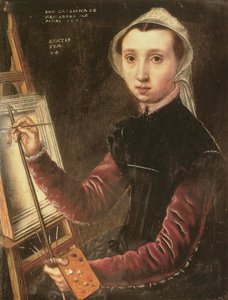
However, Catharina van Hemessen’s most enduring legacy rests upon her Self-Portrait (1548). This remarkable work is not simply a depiction of an artist; it's a statement. At just twenty years old, she presented herself actively engaged in the act of painting, seated before an easel with palette and brushes in hand. This image holds immense historical significance as it’s widely considered the earliest surviving self-portrait of an artist—male or female—depicting themselves *at work*. It's a bold assertion of her professional identity, challenging conventional expectations about women’s roles and capabilities. The composition itself is carefully constructed: she gazes directly at the viewer with confidence, while the reflection in the mirror behind her offers another perspective, subtly acknowledging the complexities of representation. The painting isn’t just a self-representation; it's a meditation on the very nature of artistic creation.Recognition and Legacy
Van Hemessen’s talent did not go unnoticed during her lifetime. She became a master in the Guild of Saint Luke, an exceptional achievement for a woman in the 16th century, demonstrating both her skill and recognition within the artistic community. Her success attracted the attention of Maria of Austria, Queen of Hungary and Bohemia, who became a significant patron. In 1556, van Hemessen was invited to join the Spanish court alongside Maria, further solidifying her position as a respected artist. While details surrounding the later years of her life remain somewhat scarce—she married musician Chrétien de Morien around 1554 and appears to have ceased painting shortly thereafter—her impact on art history is undeniable. She paved the way for future generations of female artists, demonstrating that women could not only excel in a traditionally male-dominated field but also challenge prevailing societal norms through their creative expression. Her work continues to inspire, reminding us of the importance of recognizing and celebrating the contributions of all artists, regardless of gender or background.- Her self-portrait remains an iconic image of female artistic agency.
- She challenged the limitations placed upon women in Renaissance society.
- Van Hemessen’s intimate portraits offer valuable insights into the lives and status of women during her time.
Catharina van Hemessen
1528 - 1587 , Belgium
プロフィール概要
- Artistic Movement Or Style: Flemish Renaissance
- Artists Who Influenced This Artist: ['Jan Sanders van Hemessen']
- Date Of Birth: c. 1528
- Date Of Death: After 1565
- Full Name: Catharina van Hemessen
- Nationality: Flemish
- Notable Artworks:
- Self-Portrait (1548)
- Girl at the Virginal
- Portrait of a Woman
- Place Of Birth: Antwerp, Belgium