

 プレビュー
プレビュー
 プリントを購入
 シェアする
シェアする シェアする
シェアする
 詳細を見る
詳細を見る

 ダウンロード
 似ている作品
 X線調査
X線調査 スライドショー
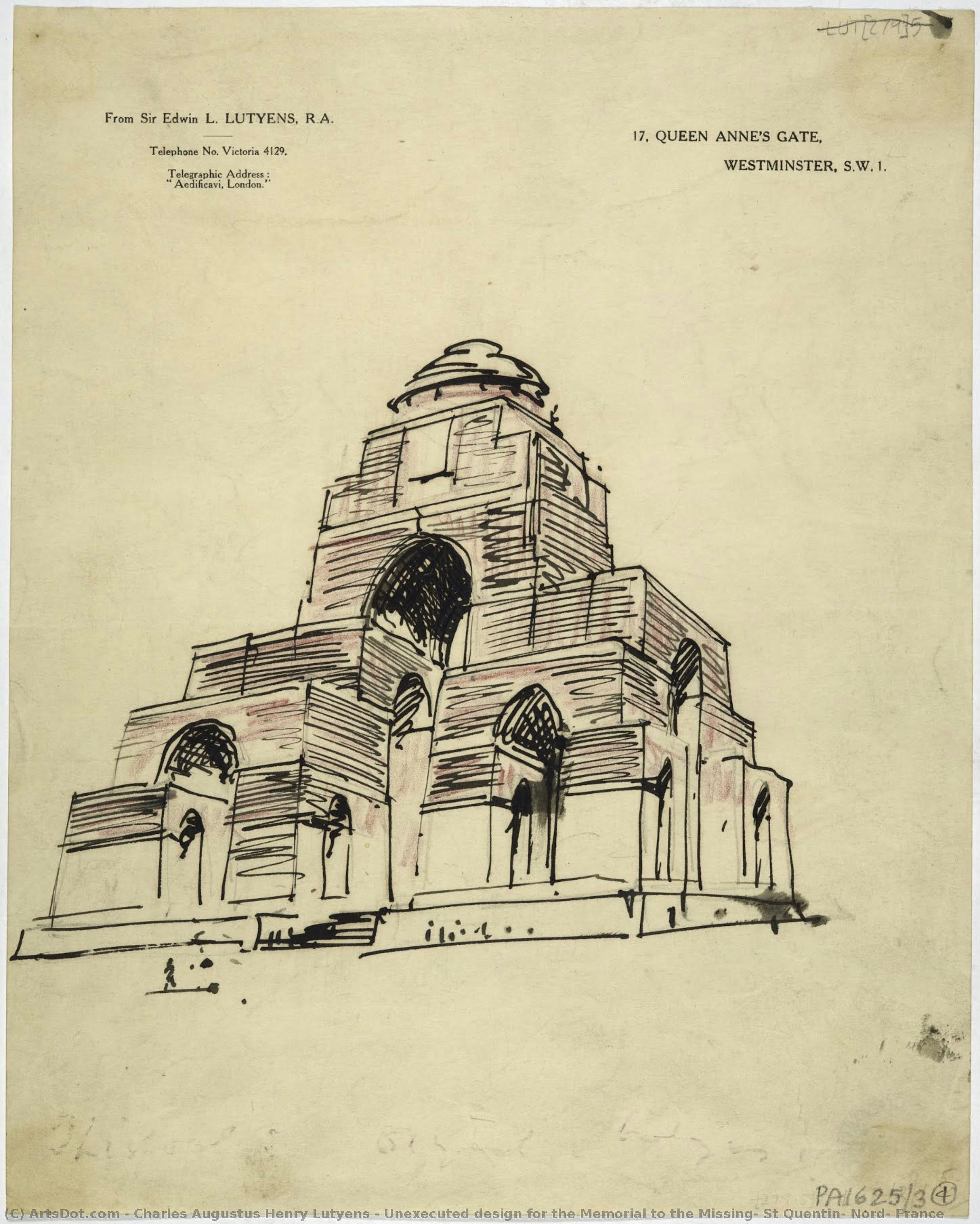
Unexecuted design for the Memorial to the Missing, St Quentin, Nord, France


 詳細を見る
詳細を見る




P118B $10

P118H $10

P118W $10

P438Z $10

P508JH $12

P508YH $12

P805H $10

P805Z $10

P919BZ $10

P919G $10

P919XJ $10

P959ZH $10

P968JZ $12

W106C $8

W218G $10

W218JH $8

W218Y $10

W307PJ $10

W316G $10

W316PJ $8

W316Y $10

W398PJ $8

W4111J $10

W500HY $15

W500JH $15

W692G $12

W849H $8

W940BG $15

W953PJ $8




作品のオリジナル比率に合わせた、当店の規定サイズからお選びください。

特定のフレームやスペースに合わせて、ご希望のサイズをご入力いただけます。選択されたサイズが元の画像の比率と異なる場合、アートワークをトリミングするか、手描きで要素を追加して絵画を拡張いたします。デジタルモックアップ を制作し、制作開始前にご確認(承認)をいただきます。
画面上のプレビューは、実際のトリミングや拡張を正確に反映しているものではありません。最終的な構図は、モックアップによってのみ正確にご確認いただけます。
カスタムサイズもご利用いただけますが、元の比率を維持するためには、あらかじめ用意されたリストからサイズを選択することをお勧めいたします。
ご注文後、ArtsDot.com チームより詳細な指示をお送りするとともに、仕上がりイメージ(モックアップ)をご提供いたします。


 ガラスオプションは、110cm未満のサイズでのみご利用いただけます。

Unexecuted design for the Memorial to the Missing, St Quentin, Nord, France
複製技法
複製画のサイズ
-


合計金額
$ 263
作品解説
A Vision of Remembrance: The Unexecuted Design for St Quentin
In the quiet, monochromatic depths of this 1923 architectural drawing, we encounter a profound moment of historical reflection. This piece, an unexecuted design for the Memorial to the Missing in St Quentin, Nord, France, serves as a hauntingly beautiful window into the aftermath of the Great War. Through the meticulous hand of Charles Augustus Henry Lutyens, the paper transforms into a landscape of memory and architectural ambition. The drawing captures a monumental structure characterized by a soaring central tower, crowned with a cross that reaches toward an unseen sky. It is not merely a blueprint for stone and mortar, but a poetic attempt to give form to the intangible grief of a generation lost.
The technique employed here relies on the stark, evocative power of black and white line work. Lutyens utilizes fine, precise strokes to delineate the intricate textures of the masonry and the imposing geometry of the tower, creating a sense of permanence and weight. The interplay of light and shadow—achieved through delicate hatching and varying line densities—lends the structure a sculptural quality, making the stone appear almost tactile. By including small, silhouetted figures scattered around the base of the monument, the artist masterfully establishes a sense of scale. These tiny human presences serve as a poignant reminder of the lives the memorial was intended to honor, grounding the grand architectural vision in the intimate reality of human loss.
Beyond its technical mastery, the artwork carries a heavy symbolic weight. The architecture itself, blending elements of classical order with a somber, commemorative gravity, speaks to the desire for stability and peace in a world fractured by conflict. The central tower acts as an axis mundi, a bridge between the earthly realm of mourning and the spiritual realm of eternal remembrance. For the collector or the interior designer, this piece offers more than just aesthetic value; it provides a sophisticated focal point that invites contemplation. Its understated elegance and historical depth make it an ideal selection for spaces dedicated to reflection, such as a private library, a study, or a gallery wall curated with works of significant cultural resonance.
Owning a high-quality reproduction of this Lutyens design allows one to bring a piece of architectural history into the modern home. It is an invitation to engage with the legacy of one of Britain’s most visionary architects and to preserve the spirit of a design that, while never realized in stone, remains eternally alive through the artistry of its conception. This drawing is a testament to the power of art to capture the echoes of history, offering a timeless beauty that transcends the era in which it was created.
関連作品
![Legend Of St Francis - [23] - St Francis Mourned By St Clare — ジョット, Gothic](/media/artworks/images-thumb/17/1c/171c284c41dc3ef8bca83e51c1e1e531.jpg)




アーティストの略歴
Charles Augustus Henry Lutyens: The Architect of Imperial Vision
Charles Augustus Henry Lutyens (1829 – 1915) stands as one of Britain’s most celebrated architects, a figure inextricably linked to the grandeur and ambition of the Edwardian era and indelibly imprinted upon the landscape of India. More than simply constructing buildings; Lutyens crafted spaces that embodied ideals of order, permanence, and imperial authority—a legacy that continues to shape architectural discourse today.
- Early Life & Education: Born in Worcestershire, Lutyens’s fascination with architecture began early. He studied at Oxford University, initially intending to pursue theology but swiftly gravitating towards the burgeoning field of design. His formative years were spent absorbing influences from Gothic Revivalism and Beaux Arts principles – styles that would profoundly inform his subsequent artistic endeavors.
- The Arts and Crafts Movement: Lutyens’s involvement with the Arts and Crafts movement proved pivotal in shaping his aesthetic sensibilities. Collaborating closely with William Morris, he championed craftsmanship, simplicity, and a rejection of mass production—values that resonated deeply within him and underpinned his commitment to meticulous detailing and authentic materials.
- Architectural Breakthroughs: Lutyens’s breakthrough came with the design of Ely Cathedral in Cambridgeshire (1872-1874), marking a decisive departure from conventional ecclesiastical architecture. His innovative use of stained glass and sculptural ornamentation established him as a visionary innovator, attracting considerable acclaim.
- India Project & New Delhi: Lutyens’s most monumental achievement was undoubtedly the design of New Delhi—the capital city of British India—commissioned in 1902. Alongside Edwin Lutyens and Herbert Baker, he spearheaded a transformative urban planning project that established a distinctly Western aesthetic within an Eastern context. The result is a sprawling cityscape characterized by monumental buildings, wide boulevards, and meticulously landscaped gardens – a testament to imperial grandeur.
- Legacy & Influence: Lutyens’s influence extended far beyond his immediate projects. His stylistic principles—characterized by restrained ornamentation, geometric precision, and an unwavering dedication to quality craftsmanship—became hallmarks of British architectural practice for decades afterward. Furthermore, his vision of urban spaces as expressions of civic pride and cultural identity continues to inspire architects worldwide.
His meticulous attention to detail, combined with a profound understanding of both classical tradition and modern innovation, cemented Lutyens’s place among the titans of British architectural history. He died in London in 1915, leaving behind an enduring legacy—a collection of buildings that stand as symbols of imperial ambition and continue to captivate audiences with their beauty and grandeur.
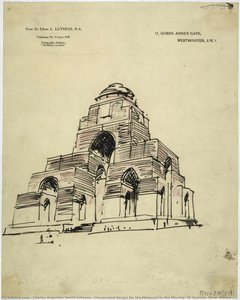
charles augustus henry lutyens
1829 - 1915
基本情報
- Artistic Movement Or Style: Arts and Crafts
- Artists Who Influenced This Artist:
- William Morris
- Gustav Stickley
- Date Of Birth: 1829
- Date Of Death: 1915
- Full Name: Charles Augustus Henry Lutyens
- Nationality: British
- Notable Artworks:
- India Gate
- Houses of Parliament
- Scottish Rite Temple
- Place Of Birth: London, England
関連記事
Echoes of Experience: Exploring Representations of Memory in Visual Art
Explore the captivating world of memory in art history! Discover how artists from Rossetti to Hockney evoke emotion & reclaim personal narratives through powerful visual storytelling. Expert insights at ArtsDot.

William Owen: A Poetic Vision of War & Landscape in British Modernism
Explore the poignant war poetry of Wilfred Owen, a key figure in British Modernism. Discover his innovative style, themes of loss & camaraderie, and lasting impact on 20th-century literature. Analysis & historical context included.
エル・グレコの傑作25選:魂を揺さぶる宗教画と芸術の深淵 | ArtsDot
エル・グレコの傑作25選:魂を揺さぶる宗教画の世界へ。スペイン絵画の巨匠、マニエリスム様式と Toledo の光彩を紐解きます。ArtsDot.com で名画のアートプリントや複製画をお楽しみください。コレクションはこちら →
Echoes of Trauma & Hope: Representing Transformation in Artworks of 1918
Explore the profound artistic responses to World War I's trauma & hope. Discover Expressionist masterpieces by Bacon, de Kooning & more. Expert insights for collectors & art enthusiasts at ArtsDot.
C.R.W. Nevinson: A Vorticist Vision of War & Modernity
Explore the powerful art of C.R.W. Nevinson, a key British Vorticist painter. Discover his impactful depictions of WWI and evolution beyond Futurism. Expert analysis & high-quality reproductions at ArtsDot.

