

 プレビュー
プレビュー
 プリントを購入
 シェアする
シェアする シェアする
シェアする
 詳細を見る
詳細を見る

 ダウンロード
 似ている作品
 X線調査
X線調査 スライドショー
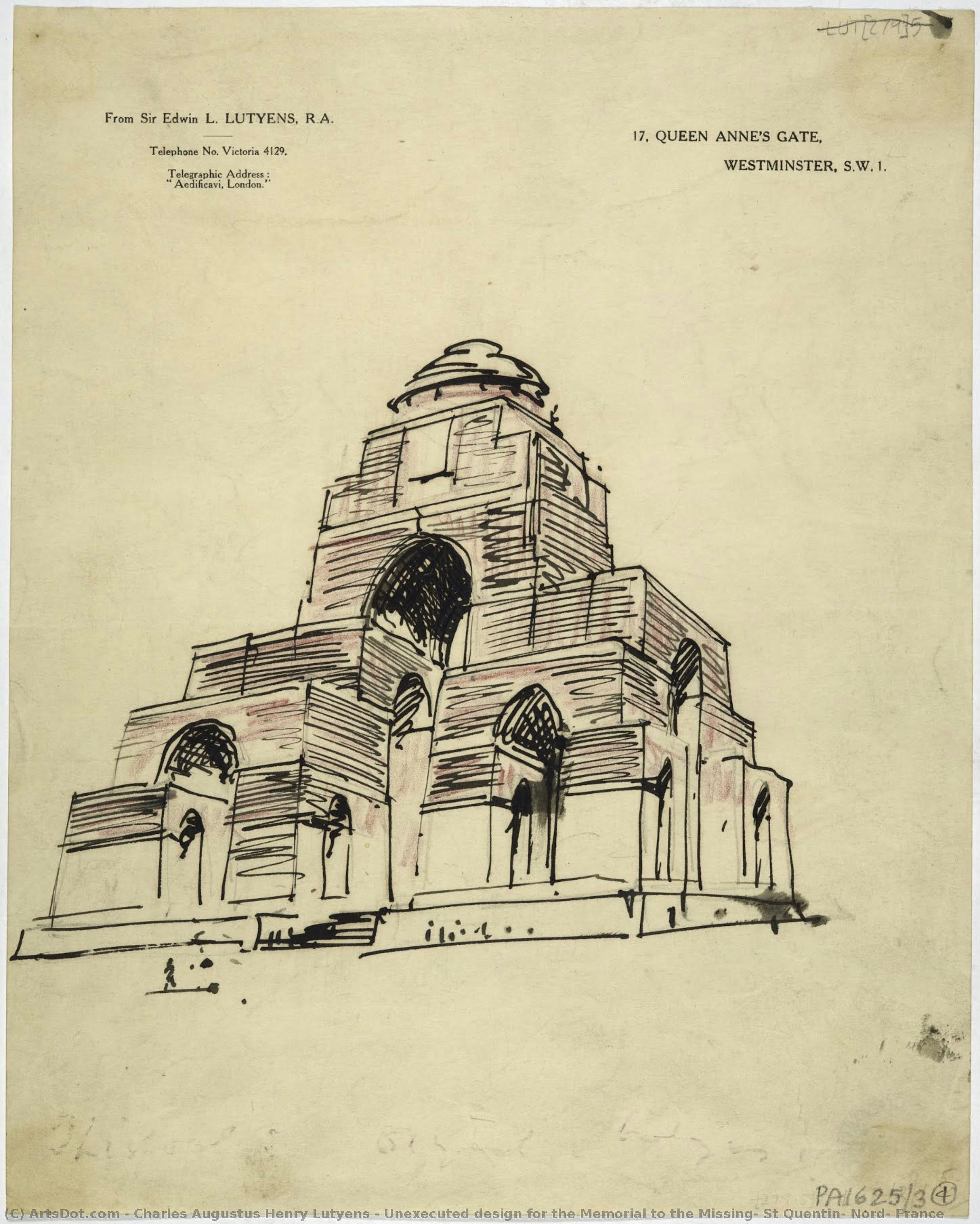
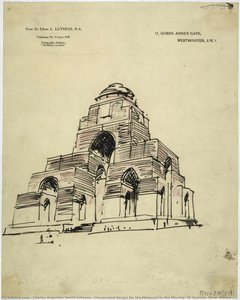
Unexecuted design for the Memorial to the Missing, St Quentin, Nord, France


 詳細を見る
詳細を見る
オンラインプレビューをはるかに凌ぐ、高解像度で鮮明なデジタル画像をご購入いただけます。
各ファイルは、社内の専門家が高度なツールと熟練した手作業によるレタッチを用いて、細心の注意を払って準備されています。すべての画像において、卓越した鮮明度、正確な色彩再現性、そして繊細なディテールを保証いたします。
最終ファイルは、プロフェッショナルな編集・印刷環境ですぐにご利用いただけるよう最適化された状態で、72時間以内にメールにてお届けいたします。これは、一流のデザインスタジオ、出版社、ギャラリーから信頼されているものと同等の品質です。
デジタル画像のご注文に付随する特典
高品質なデジタル画像配信を、確かな品質で。
ArtsDot.com を選ぶことは、単に画像を手に入れることではありません。それは、プロの手によって精密に仕上げられ、満足保証が付いた高品質なデジタルアートワークを受け取ることを意味します。ご注文いただいた際に自動的に付随する内容は、以下の通りです:

メールですぐにお届け
ご注文から72時間以内に、高解像度のデジタル画像ファイルがメールでお手元に届きます。すぐにそのままご利用いただけます。

AI技術で最適化されたデジタルファイル
お客様の作品は、高度なAIツールと専門家による手作業の編集を組み合わせてプロフェッショナルに最適化されており、細部のディテール、鮮明さ、そして正確な色再現性を最大限に引き出しています。

一生涯無料の再送サービス
ファイルを誤って削除したり、紛失してしまったりしましたか?ご安心ください。いつでも無料で再送いたします。

輸入手数料は一切かかりません
関税や手数料、配送料を気にすることなく、お気に入りのアートワークをすぐにお楽しみいただけます。デジタルダウンロードは常に免税です。

色彩再現の保証
プロ仕様のツールとカラーマネジメント技術を用いることで、デジタル画像が元の色を最大限に忠実に再現することを保証いたします。

60日間満足保証
ご購入いただいたデジタル画像にご満足いただけない場合は、60日以内であれば、修正または100%の返金(理由を問う必要はありません)をさせていただきます。

100% 返金保証
ご満足いただけない場合は、デジタルファイルを受け取ってから60日以内であれば、理由を問わず全額返金いたします。

まとめ買い割引
3枚購入で10%OFF - 5枚購入で15%OFF - 10枚以上購入で20%OFF。クリエイティブなプロジェクト、ギャラリー、エージェンシーに最適です。
作品の詳細
A Vision of Remembrance: The Unexecuted Design for St Quentin
In the quiet, monochromatic depths of this 1923 architectural drawing, we encounter a profound moment of historical reflection. This piece, an unexecuted design for the Memorial to the Missing in St Quentin, Nord, France, serves as a hauntingly beautiful window into the aftermath of the Great War. Through the meticulous hand of Charles Augustus Henry Lutyens, the paper transforms into a landscape of memory and architectural ambition. The drawing captures a monumental structure characterized by a soaring central tower, crowned with a cross that reaches toward an unseen sky. It is not merely a blueprint for stone and mortar, but a poetic attempt to give form to the intangible grief of a generation lost.
The technique employed here relies on the stark, evocative power of black and white line work. Lutyens utilizes fine, precise strokes to delineate the intricate textures of the masonry and the imposing geometry of the tower, creating a sense of permanence and weight. The interplay of light and shadow—achieved through delicate hatching and varying line densities—lends the structure a sculptural quality, making the stone appear almost tactile. By including small, silhouetted figures scattered around the base of the monument, the artist masterfully establishes a sense of scale. These tiny human presences serve as a poignant reminder of the lives the memorial was intended to honor, grounding the grand architectural vision in the intimate reality of human loss.
Beyond its technical mastery, the artwork carries a heavy symbolic weight. The architecture itself, blending elements of classical order with a somber, commemorative gravity, speaks to the desire for stability and peace in a world fractured by conflict. The central tower acts as an axis mundi, a bridge between the earthly realm of mourning and the spiritual realm of eternal remembrance. For the collector or the interior designer, this piece offers more than just aesthetic value; it provides a sophisticated focal point that invites contemplation. Its understated elegance and historical depth make it an ideal selection for spaces dedicated to reflection, such as a private library, a study, or a gallery wall curated with works of significant cultural resonance.
Owning a high-quality reproduction of this Lutyens design allows one to bring a piece of architectural history into the modern home. It is an invitation to engage with the legacy of one of Britain’s most visionary architects and to preserve the spirit of a design that, while never realized in stone, remains eternally alive through the artistry of its conception. This drawing is a testament to the power of art to capture the echoes of history, offering a timeless beauty that transcends the era in which it was created.
関連作品
![Legend Of St Francis - [23] - St Francis Mourned By St Clare — ジョット, Gothic](/media/artworks/images-thumb/17/1c/171c284c41dc3ef8bca83e51c1e1e531.jpg)






作家の略歴
Charles Augustus Henry Lutyens: The Architect of Imperial Vision
Charles Augustus Henry Lutyens (1829 – 1915) stands as one of Britain’s most celebrated architects, a figure inextricably linked to the grandeur and ambition of the Edwardian era and indelibly imprinted upon the landscape of India. More than simply constructing buildings; Lutyens crafted spaces that embodied ideals of order, permanence, and imperial authority—a legacy that continues to shape architectural discourse today.
- Early Life & Education: Born in Worcestershire, Lutyens’s fascination with architecture began early. He studied at Oxford University, initially intending to pursue theology but swiftly gravitating towards the burgeoning field of design. His formative years were spent absorbing influences from Gothic Revivalism and Beaux Arts principles – styles that would profoundly inform his subsequent artistic endeavors.
- The Arts and Crafts Movement: Lutyens’s involvement with the Arts and Crafts movement proved pivotal in shaping his aesthetic sensibilities. Collaborating closely with William Morris, he championed craftsmanship, simplicity, and a rejection of mass production—values that resonated deeply within him and underpinned his commitment to meticulous detailing and authentic materials.
- Architectural Breakthroughs: Lutyens’s breakthrough came with the design of Ely Cathedral in Cambridgeshire (1872-1874), marking a decisive departure from conventional ecclesiastical architecture. His innovative use of stained glass and sculptural ornamentation established him as a visionary innovator, attracting considerable acclaim.
- India Project & New Delhi: Lutyens’s most monumental achievement was undoubtedly the design of New Delhi—the capital city of British India—commissioned in 1902. Alongside Edwin Lutyens and Herbert Baker, he spearheaded a transformative urban planning project that established a distinctly Western aesthetic within an Eastern context. The result is a sprawling cityscape characterized by monumental buildings, wide boulevards, and meticulously landscaped gardens – a testament to imperial grandeur.
- Legacy & Influence: Lutyens’s influence extended far beyond his immediate projects. His stylistic principles—characterized by restrained ornamentation, geometric precision, and an unwavering dedication to quality craftsmanship—became hallmarks of British architectural practice for decades afterward. Furthermore, his vision of urban spaces as expressions of civic pride and cultural identity continues to inspire architects worldwide.
His meticulous attention to detail, combined with a profound understanding of both classical tradition and modern innovation, cemented Lutyens’s place among the titans of British architectural history. He died in London in 1915, leaving behind an enduring legacy—a collection of buildings that stand as symbols of imperial ambition and continue to captivate audiences with their beauty and grandeur.
charles augustus henry lutyens
1829 - 1915
プロフィール概要
- Artistic Movement Or Style: Arts and Crafts
- Artists Who Influenced This Artist:
- William Morris
- Gustav Stickley
- Date Of Birth: 1829
- Date Of Death: 1915
- Full Name: Charles Augustus Henry Lutyens
- Nationality: British
- Notable Artworks:
- India Gate
- Houses of Parliament
- Scottish Rite Temple
- Place Of Birth: London, England

