

 プレビュー
プレビュー
 プリントを購入
 シェアする
シェアする シェアする
シェアする
 詳細を見る
詳細を見る

 ダウンロード
 似ている作品
 X線調査
X線調査 スライドショー
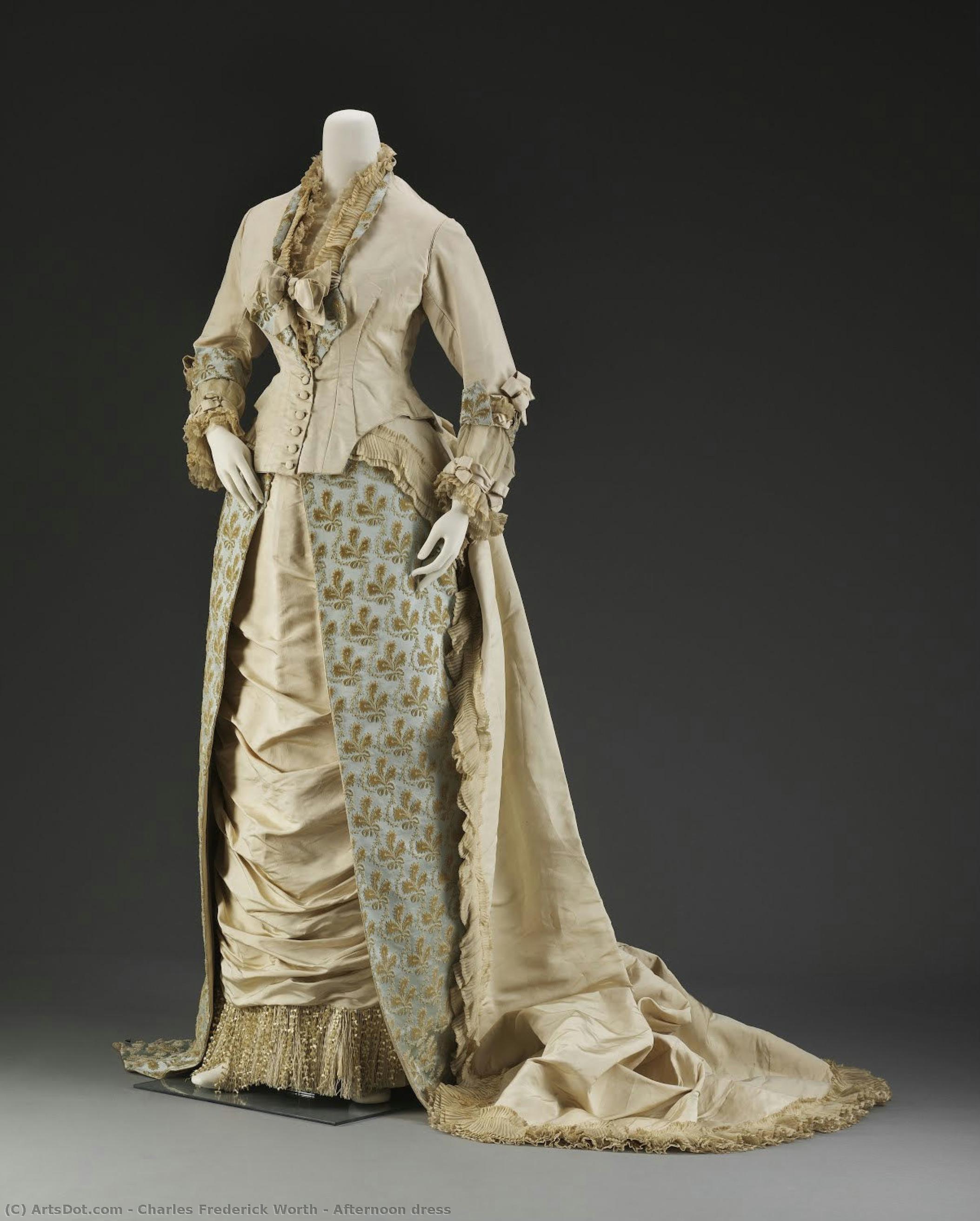
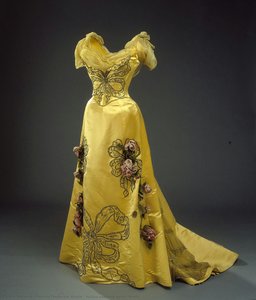
Afternoon dress


 詳細を見る
詳細を見る




P118B $10

P118H $10

P118W $10

P438Z $10

P508JH $12

P508YH $12

P805H $10

P805Z $10

P919BZ $10

P919G $10

P919XJ $10

P959ZH $10

P968JZ $12

W106C $8

W218G $10

W218JH $8

W218Y $10

W307PJ $10

W316G $10

W316PJ $8

W316Y $10

W398PJ $8

W4111J $10

W500HY $15

W500JH $15

W692G $12

W849H $8

W940BG $15

W953PJ $8




作品のオリジナル比率に合わせた、当店の規定サイズからお選びください。

特定のフレームやスペースに合わせて、ご希望のサイズをご入力いただけます。選択されたサイズが元の画像の比率と異なる場合、アートワークをトリミングするか、手描きで要素を追加して絵画を拡張いたします。デジタルモックアップ を制作し、制作開始前にご確認(承認)をいただきます。
画面上のプレビューは、実際のトリミングや拡張を正確に反映しているものではありません。最終的な構図は、モックアップによってのみ正確にご確認いただけます。
カスタムサイズもご利用いただけますが、元の比率を維持するためには、あらかじめ用意されたリストからサイズを選択することをお勧めいたします。
ご注文後、ArtsDot.com チームより詳細な指示をお送りするとともに、仕上がりイメージ(モックアップ)をご提供いたします。


 ガラスオプションは、110cm未満のサイズでのみご利用いただけます。

Afternoon dress
複製技法
複製画のサイズ
-


合計金額
$ 263
作品解説
Charles Frederick Worth: The Architect of Haute Couture
Before the dawn of the 20th century, fashion wasn’t merely about clothing; it was an art form dictated by a singular visionary – Charles Frederick Worth. Born in Bourne, Lincolnshire, England, on October 13, 1825, his ascent from humble beginnings to becoming the undisputed leader of Parisian haute couture is a story etched in silk and ambition.
Worth’s early life instilled in him an appreciation for craftsmanship and meticulous detail. His apprenticeship with London textile merchants honed his understanding of fabrics – knowledge that would prove invaluable as he revolutionized the garment industry. However, it was his relocation to Paris in 1845 that truly ignited his creative spark. Immediately securing employment at Gagelin-Opigez & Cie, Worth swiftly distinguished himself not only as a skilled salesman but also as an innovator capable of transforming raw materials into breathtaking gowns.
He wasn’t simply dressing women; he was crafting narratives woven from color, texture, and silhouette. Unlike previous designers who relied on established patterns, Worth championed the concept of live models – a daring move that transformed the fashion salon into a social hub and cemented his reputation as the first true couturier.
The Afternoon Dress: A Symbol of Elegance
Considered by many historians to be the progenitor of haute couture, Worth’s influence extended far beyond mere dressmaking. His designs embodied an aesthetic rooted in refined elegance and a profound understanding of societal desires. The “Afternoon Dress,” exemplified by the exquisite specimen housed at The Metropolitan Museum of Art—a pale greenish-yellow gown adorned with yellow cut velvet feathers—represents the zenith of Victorian fashion sensibilities.
The dress itself is constructed from satin, chosen for its luxurious sheen and drape, and embellished with intricate lace trim – a hallmark of Worth’s meticulous attention to detail. The mannequin stands poised before a gray backdrop, strategically employed to accentuate the gown's flowing lines and sculptural form. Every ruffle, every feather, speaks volumes about the era’s obsession with ornamentation and beauty.
Technique and Innovation: Worth’s Legacy
What truly sets Worth apart is his pioneering approach to garment construction. Rejecting traditional methods, he embraced innovative techniques—such as utilizing horsehair supports for skirts—to achieve unprecedented volume and movement. This daring experimentation wasn't merely about aesthetics; it was a deliberate effort to elevate the craft of dressmaking and adapt Victorian fashion to the realities of daily life.
Furthermore, Worth’s insistence on employing live models – a revolutionary concept at the time – ensured that his creations were showcased in their most flattering light. This practice elevated the couture salon into a social institution where discerning clients could experience firsthand the transformative power of exquisitely crafted garments.
Historical Context and Emotional Impact
The “Afternoon Dress” emerged during a period marked by significant societal shifts—the burgeoning Industrial Revolution, the rise of the middle class, and an evolving understanding of femininity. Worth’s designs responded to these changes with grace and sophistication, reflecting the aspirations of women who sought to express their status and beauty through clothing.
More than just a garment, it embodies the spirit of its time—a celebration of opulent fabrics, meticulous craftsmanship, and an unwavering belief in the transformative potential of fashion. Viewing this masterpiece evokes a sense of timeless elegance and reminds us that true artistry lies not only in technique but also in capturing the essence of human emotion.
関連作品




アーティストの略歴
オートクチュールの設計士:チャールズ・フレデリック・ワース
オートクチュールの誕生と分かちがたく結びついたその名は、単なるドレスメーカーの枠に留まりません。彼はスタイルの指揮者であり、鋭敏な実業家であり、そしておそらくファッションデザイナーとして初めてセレブリティの地位を確立した人物でした。1825年10月13日、イングランドのリネン郡ボーンに生まれた彼の歩みは、控えめな始まりからパリのエレガンスを司る存在へと登り詰めた、野心と革新、そして進化し続ける社会の欲望に対する天賦の理解力を物語っています。若き日のワースは、まずロンドンのテキスタイル商人のもとで修行を積み、生地の複雑な特性や貿易の機微を吸収しました。この知識が後に計り知れない価値を持つことになります。しかし、彼の運命を真に燃え上がらせたのは、1向1845年のパリへの移住でした。彼は名門ガジェラン・オピジェ&シー社に雇われ、そこで熟練した販売員としてだけでなく、テキスタイルを息をのむような美しい衣服へと変貌させる創造的な力を持つ存在として、瞬く間に頭角を現しました。やがてワースは、自らドレス制作部門を設立することを会社に認めさせ、ファッションデザインの世界への正式な第一歩を記したのです。ファッションの革命と築き上げられたレガシー
1858年、ワースはオットー・ボベルグとの提携により「ハウス・オブ・ワース」を設立するという大胆な一歩を踏み出しました。これは単なる新しいアトリエの誕生ではありませんでした。それは革命的なコンセプトの提示だったのです。ワース以前のドレス制作は、その多くが匿名性の高いものでした。衣服は既存のスタイルを模倣するか、名もなき仕立て屋によって作られるのが常でした。しかし、ワースはそのすべてを変えました。彼は、当時一般的であったマネキンではなく、生身のモデルを用いて自らのデザインを発表するという大胆な手法を取りました。これにより、クライアントは衣服が実際の身体の上でどのようにドレープを描き、動きに寄り添うのかを具体的に思い描くことが可能になったのです。この演劇的なプレゼンテーションは、ドレス制作を単なる手仕事から芸術へと昇華させ、一つのスペクタクルへと変貌させました。さらに、ワースは自らの作品にブランドラベルを記した最初のデザイナーでもありました。これにより、デザイナーは単なる無名の職人ではなく、衣服の創造における中心的な存在として確立されたのです。彼の革新的なデザインと非の打ち所のない職人技に惹かれ、顧客層には瞬く間にヨーロッパの王族や上流社会の人々が含まれるようになりました。ナポレオン3世の妃である皇后ウジェニーは、彼の最も熱心なパトロンの一人となり、パリ・ファッションの頂点におけるワースの地位を不動のものとしたのです。美学の原則と比類なき名作たち
ワースの美学は、シルク、サテン、ベルベット、ブロケードといった豪華絢爛な生地の贅沢な使用によって特徴づけられます。それらの生地には、しばしば緻密な刺繍やレース、装飾が施されました。彼はルネサンスやロココ様式といった歴史的なスタイルからインスピレーションを得ることを恐れませんでしたが、それらの影響を現代のクライアントの感性に合うよう巧みに適応させました。彼のデザインは、ボーン(芯)やパッドを用いた革新的な構造技術によって、彫刻のようなシルエットを強調していました。ボストン美術館に展示されているアフタヌーンドレスは、サテン・デザインにおける彼の卓越した技量を見事に体現しています。また、京都コスチューム・インスティテュートが所蔵するディナードレスは、鮮烈な菊の模様とボリュームのある袖を持ち、ドラマチックな効果を生み出す彼の手腕を証明しています。バルセロナのデザイン美術館に収蔵されているような、よりシンプルなデザインでさえも、彼の作品を定義づける洗いざらいされたエレガンスと細部へのこだわりを感じさせます。彼はまた、スカートを大きく広げる構造を持つケージ・クリノリンや、背面にボリュームを生み出すバッスルなど、いくつかの重要なファッション・イノベーションを普及させた功績でも知られています。ドレスを超えて:永劫に続く影響力
チャールズ・フレデリック・ワースの影響は、彼が生み出した美しいドレスの枠を遥かに超えて広がっています。彼はファッションビジネスのあり方を根本から変え、シーズン・コレクションという概念を確立し、デザイナーによる独占的な既製服への需要を創出しました。1895年に彼が世を去った後も、息子であるガストン・リュシアンとジャン・フィリップによってハウス・オブ・ワースは繁栄を続け、20世紀に至るまでそのラグジュアリーと革新の評判を維持しました。彼の遺産は、イギリスのラッセル・コーツ・アート・ギャラリー&ミュージアムやロンドンのイングラム・コレクションなど、世界中の美術館のコレクションの中に今も息づいています。ワースの先駆的な精神は、後世のデザイナーたちの道を切り開き、私たちが今日知る現代ファッション産業の基礎を築き上げました。彼は単に服をデザインしていたのではありません。彼は一つのイメージを、一つのライフスタイルを、そして最終的にはオートクチュールの世界の中で響き続ける伝説を形作っていたのです。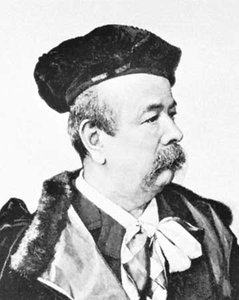
チャールズ・フレデリック・ウォース
1825 - 1895 , イギリス
基本情報
- Artistic Movement Or Style: オートクチュール
- Artists Or Movements Influenced By This Artist: ['ファッションデザイナー']
- Date Of Birth: 1825年10月13日
- Date Of Death: 1895年
- Full Name: チャールズ・フレデリック・ウォース
- Nationality: イギリス
- Notable Artworks:
- アフタヌーンドレス
- ディナードレス
- ドレス
- Place Of Birth: イギリス、ボーンマス
関連記事
Frederick Morgan: A Study in Aestheticism & Victorian Beauty
Explore the captivating world of Frederick Morgan, a key figure in Victorian Aestheticism. Discover his beautiful paintings, recurring themes, and lasting legacy with our expert analysis. Learn more today!
Cristóbal Balenciaga: Deconstructing Haute Couture's Architectural Legacy
Explore the revolutionary world of Cristóbal Balenciaga, the 'couturier's couturier'. Discover his architectural designs, lasting influence on haute couture, and guide to collecting rare pieces. A connoisseur’s resource.
John Frederick Herring Sr.: Equestrian Mastery & the Rise of Sporting Art in Victorian England
Explore the life & work of John Frederick Herring Sr., a leading Victorian equestrian artist. Discover his masterpieces, patronage, techniques & investment potential. Expert insights for collectors.
Frederick Goodall (1822–1904): A Victorian Narrative of Rural Life and Artistic Tradition
Explore the captivating world of Frederick Goodall (1822–1904), a celebrated Victorian artist renowned for his detailed genre paintings and evocative Egyptian scenes. Discover his life, legacy & find high-quality reproductions at ArtsDot.
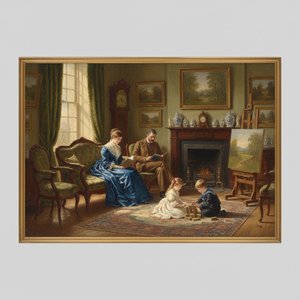
Frederick Richard Lee: Capturing Victorian Domestic Life on Canvas
Explore the captivating Victorian genre paintings of Frederick Richard Lee. Discover his life, style, influences & legacy. Expert insights for collectors and art enthusiasts at ArtsDot.

