メニュー
無料アート相談
プレビュープレビュー ARで試着ARで試着 プリントを購入 プリントを購入手描きの絵画を購入 手描きの絵画を購入 シェアするシェアする
詳細を見る詳細を見る お気に入りに追加 お気に入りに追加 ダウンロードダウンロード 似ている作品似ている作品 X線調査X線調査 スライドショースライドショー

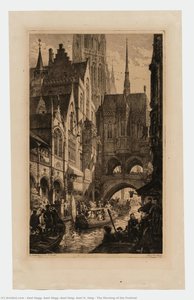
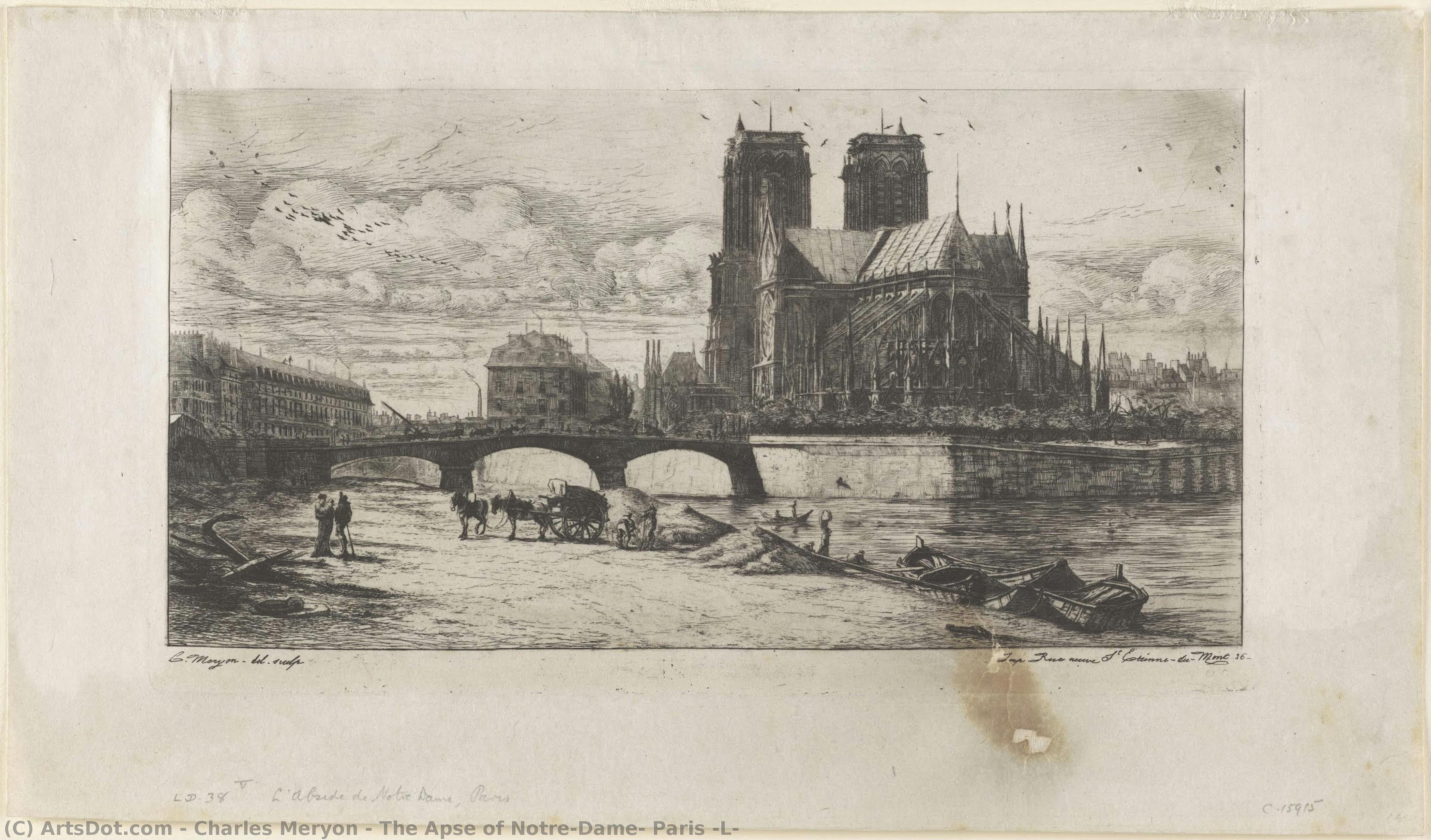
The Apse of Notre-Dame, Paris (L

Explore the haunting beauty of Paris through Charles Méryon's iconic etchings. Discover his gothic vision & masterful 'Eaux-fortes sur Paris' series.

オンラインプレビューをはるかに凌ぐ、高解像度で鮮明なデジタル画像をご購入いただけます。

各ファイルは、社内の専門家が高度なツールと熟練した手作業によるレタッチを用いて、細心の注意を払って準備されています。すべての画像において、卓越した鮮明度、正確な色彩再現性、そして繊細なディテールを保証いたします。

最終ファイルは、プロフェッショナルな編集・印刷環境ですぐにご利用いただけるよう最適化された状態で、72時間以内にメールにてお届けいたします。これは、一流のデザインスタジオ、出版社、ギャラリーから信頼されているものと同等の品質です。

デジタルアート

個人での鑑賞、印刷、クリエイティブなプロジェクト用に、高解像度ファイルをダウンロードできます。 (プリントを購入 プリントを購入手描きの絵画を購入 手描きの絵画を購入)

最終合計金額

$ 24.00

デジタル画像のご注文に付随する特典

高品質なデジタル画像配信を、確かな品質で。

ArtsDot.com を選ぶことは、単に画像を手に入れることではありません。それは、プロの手によって精密に仕上げられ、満足保証が付いた高品質なデジタルアートワークを受け取ることを意味します。ご注文いただいた際に自動的に付随する内容は、以下の通りです:

shipping_icon
メールですぐにお届け

ご注文から72時間以内に、高解像度のデジタル画像ファイルがメールでお手元に届きます。すぐにそのままご利用いただけます。

canvas_icon
AI技術で最適化されたデジタルファイル

お客様の作品は、高度なAIツールと専門家による手作業の編集を組み合わせてプロフェッショナルに最適化されており、細部のディテール、鮮明さ、そして正確な色再現性を最大限に引き出しています。

insurance_icon
一生涯無料の再送サービス

ファイルを誤って削除したり、紛失してしまったりしましたか?ご安心ください。いつでも無料で再送いたします。

tax_icon
輸入手数料は一切かかりません

関税や手数料、配送料を気にすることなく、お気に入りのアートワークをすぐにお楽しみいただけます。デジタルダウンロードは常に免税です。

color_icon
色彩再現の保証

プロ仕様のツールとカラーマネジメント技術を用いることで、デジタル画像が元の色を最大限に忠実に再現することを保証いたします。

return_icon
60日間満足保証

ご購入いただいたデジタル画像にご満足いただけない場合は、60日以内であれば、修正または100%の返金(理由を問う必要はありません)をさせていただきます。

guarantee_icon
100% 返金保証

ご満足いただけない場合は、デジタルファイルを受け取ってから60日以内であれば、理由を問わず全額返金いたします。

discount_icon
まとめ買い割引

3枚購入で10%OFF - 5枚購入で15%OFF - 10枚以上購入で20%OFF。クリエイティブなプロジェクト、ギャラリー、エージェンシーに最適です。

作品の詳細

The French printmaker Charles Meryon (1821-68) was the illegitimate son of a British doctor and a French dancer. He entered the French Naval Academy at Brest in 1837 and travelled widely with his parents. Meryon took drawing lessons in 1840 from Vincent Courdouan (1810–93), from whom he learned elegant precision of line. He served as midshipman on the corvette Le Rhin during its mission to the French possessions and settlements in Oceania, including Akaroa, New Zealand (1842–6). Meryon drew small but lively sketches of shipboard life, ethnographic studies and topographical views. Signs of mental instability occurred as he resigned from the navy in 1848. Meryon’s elaborate monochrome cartoon for the Assassination of Marion Dufrêsne in 1772 (Alexander Turnbull Library, Wellington) was exhibited at the 1848 Salon. In his subsequent studies of etching, he began by copying prints by Philippe de Loutherbourg, Salvator Rosa and, most enthusiastically, Reinier Nooms, the Dutch sailor–artist whom he venerated as ‘another self’ and whose Paris views prompted his Etchings of Paris. The first great original from this series, Petit Pont, was shown at the 1850 Salon and was followed by a spectacular sequence of prints: the Clock Tower Turret, Rue de la Tixéranderies, Saint-Etienne-du-Mont and the Notre-Dame Pump (1852), The Chimera, the Arch of the Pont Notre-Dame, the Notre-Dame Gallery and The Pont-Neuf (1853), and, climactically, the Rue des Mauvais-Garçons, The Morgue and the Apse of Notre-Dame (1854). Prior to commercially published editions, principally for the Artiste, most subjects were proofed through numerous states by Meryon himself, who appreciated the effect of printing variation in wiping, ink tint and paper tone and texture, making presentation impressions of brilliance and subtlety. From the outset his admirers realised that for all the clarity and objectivity of his views of the old buildings of Paris, the plates project a mysterious aura and a dream-like, somewhat sinister atmosphere. From 1855 Meryon’s physical and mental health deteriorated and his incisive style and geometrically crisp composition weakened, although he got increasing recognition—select, but important—from Baudelaire, Gautier, Hugo and others. His precarious livelihood became based on reproductive hack-work, book titles and illustrations, many portraits and ephemera, although the privately commissioned panoramic views of San Francisco of 1856 (based on photographs) is more ambitious. Beset by melancholia and bizarre and complex delusions, Meryon was confined to the asylum at Charenton from 12 May 1858 to 25 August 1859. When he resumed printmaking, Meryon reworked and modified in a hallucinatory manner the earlier Paris views and elaborated new subjects, but both conception and execution had deteriorated in intensity and images of arcane and more obvious allegory intrude on the architectural compositions. Wary of drawing publicly from life, Meryon appended reproductive etchings from Paris drawings by earlier artists to the initial group, and etched a sequence of his youthful drawings made in Oceania, together with a frontispiece, between 1860 and 1866 in a loose and more casually diffuse manner. Friends and admirers attempted to obtain sales and commissions for him. The Ministère de la Marine (1865), the sky replete with Polynesian and marine phantasmagoria, was published by the Société des Aquafortistes in 1866. Also from 1866 dates his sole plate for the Louvre engraving series, the Old Louvre, after a painting by Reinier Nooms. Although Meryon exhibited at the Salon from 1863 to 1866, his paranoid delusions, semi-starvation and religious mania led to re-admission to Charenton in late 1866. He died there insane in February 1868 and was buried in Père Lachaise Cemetery, Paris, with a tomb plaque by Félix Bracquemond, who had etched the two most important portraits of the artist. *** This print is one of the best known in Meryon

作家の略歴

early life and naval career

charles méryon, a french artist, was born on november 23, 1821, in paris. his mother, a dancer at the paris opera, had a significant influence on his early life. méryon's colour blindness led him to pursue a naval career, which took him on extensive voyages, including a four-year tour around the world. this experience would later inspire his etched depictions of paris.

artistic journey and notable works

after realizing that colour-blindness ruled out painting for him, méryon settled on etching in 1848. his most famous work is the series eaux-fortes sur paris, which powerfully conveys his distinctive gothic vision of paris. this series, executed from 1850 to 1854, includes twenty-two etchings that are now considered a testament to méryon's skill and artistry.

museums and collections featuring charles méryon's work

* the metropolitan museum of art (new york city, united states) houses several of méryon's notable etchings, including etchings of paris; title page to the suite. (view on ArtsDot) * harvard art museums (cambridge, united states) features méryon's le stryge, a testament to his skill in etching. (view on ArtsDot) discover more about charles méryon's life and work on wikipedia: read more
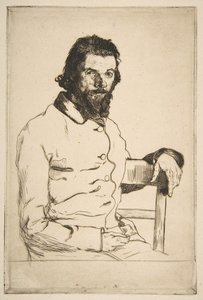
Charles Meryon

Charles Meryon

1821 - 1868 , France

プロフィール概要

  • Artistic Movement Or Style: Gothic Romanticism
  • Artists Who Influenced This Artist:
    • Eugène Delacroix
    • Caspar David Friedrich
  • Date Of Birth: November 23, 1821
  • Date Of Death: February 14, 1868
  • Full Name: Charles Meryon
  • Nationality: French
  • Notable Artworks:
    • Eaux-fortes sur Paris
    • Le Stryge
    • St. Etienne-du-Mont
  • Place Of Birth: Paris, France