

 プレビュー
プレビュー
 シェアする
シェアする シェアする
シェアする
 詳細を見る
詳細を見る

 ダウンロード
 似ている作品
 X線調査
X線調査 スライドショー
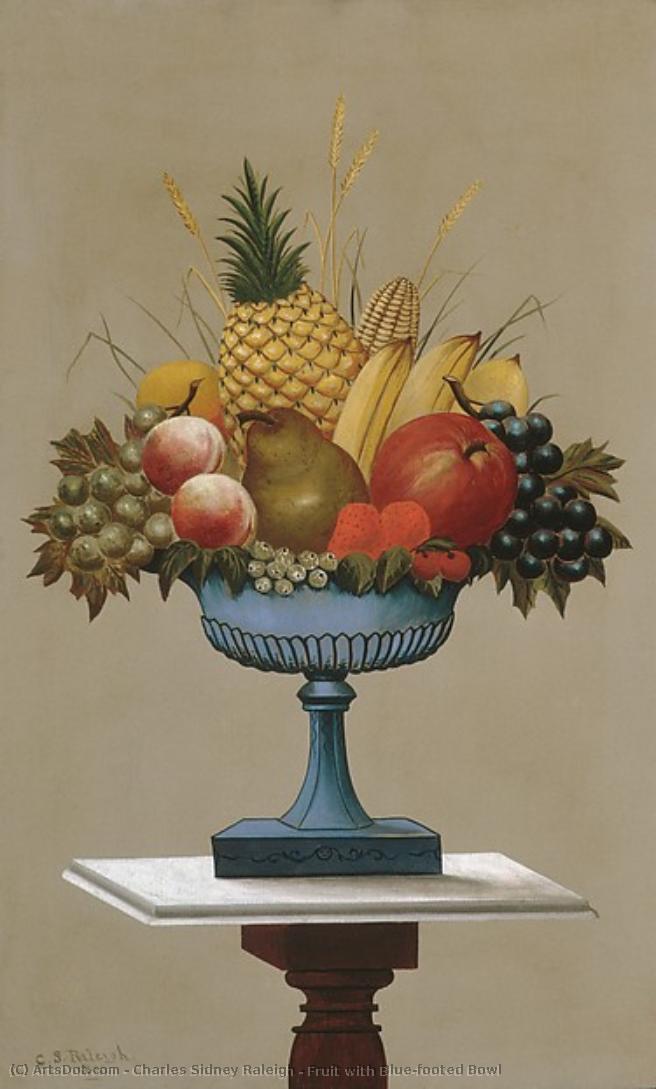
Fruit with Blue-footed Bowl
 Oil On Canvas
- WallArt
- Academic Painting
 1893
1893 60.0 x 41.0 cm
 メトロポリタン美術館
 詳細を見る
詳細を見る
ジークレー/アートプリント
迅速な制作と多彩な仕上げオプションを備えた、ミュージアムクオリティのジークレーまたはキャンバスプリント。 ( 手描きの絵画を購入 画像を購入)




P118B $10

P118H $10

P118W $10

P438Z $10

P508JH $12

P508YH $12

P805H $10

P805Z $10

P919BZ $10

P919G $10

P919XJ $10

P959ZH $10

P968JZ $12

W106C $8

W218G $10

W218JH $8

W218Y $10

W307PJ $10

W316G $10

W316PJ $8

W316Y $10

W398PJ $8

W4111J $10

W500HY $15

W500JH $15

W692G $12

W849H $8

W940BG $15

W953PJ $8




作品のオリジナル比率に合わせた、当店の規定サイズからお選びください。

特定のフレームやスペースに合わせて、ご自身でサイズを指定することも可能です。選択されたサイズが元の画像の比率と一致しない場合、作品をトリミングするか、鏡面反射または単色での塗りつぶしによって画像を拡張いたします。制作を開始する前に、ご確認用のデジタルモックアップをお送りいたします。
画面上のプレビューには、実際のトリミングや拡張は反映されませんのでご注意ください。最終的な構図を正確に確認できるのは、モックアップのみとなります。
カスタムサイズも承っておりますが、元の比率を維持するためには、あらかじめ用意されたリストからサイズを選択することをお勧めいたします。


 ガラスオプションは、110cm未満のサイズでのみご利用いただけます。

Fruit with Blue-footed Bowl
ジークレー/アートプリント
複製画のサイズ
-


合計金額
$ 62
A Symphony of Color and Abundance: Charles Sidney Raleigh’s “Fruit with Blue-footed Bowl”
Charles Sidney Raleigh's "Fruit with Blue-footed Bowl," painted in 1893, isn’t merely a depiction of fruit; it’s an immersive experience. This remarkable work transports the viewer to a world brimming with opulent abundance and quiet contemplation – a testament to the burgeoning interest in still life painting during the late Victorian era. Raleigh, a master of maritime art, unexpectedly ventured into this genre, producing a piece that resonates with both classical formality and a subtle, almost melancholic beauty. The painting’s immediate impact lies in its vibrant palette; a riot of yellows, oranges, reds, and greens explodes from within the bowl, creating an undeniable sense of vitality. Yet, beneath this exuberance resides a carefully constructed harmony, achieved through masterful use of light, shadow, and texture.
The scene unfolds within a meticulously rendered interior – a pedestal supporting a magnificent blue-footed bowl overflowing with a diverse array of fruits. Pineapples, their rough exteriors hinting at distant lands; plump peaches blushing with ripeness; the glossy sheen of grapes promising sweet indulgence; and the sturdy forms of pears and apples all contribute to a visual feast. Wheat stalks, subtly interwoven amongst the bounty, add an element of rustic charm, suggesting a harvest’s end or perhaps a symbolic connection to prosperity and fertility – themes frequently explored in still life compositions of this period. The bowl itself is not simply a container; it's a focal point, its deep blue hue acting as a grounding anchor for the vibrant colors surrounding it, creating a captivating contrast.
The Renaissance Revival: Style and Technique
Raleigh’s style leans heavily into the traditions of late 19th-century academic painting. He meticulously observes his subjects, rendering each fruit with an astonishing level of detail – from the delicate veins on a peach to the intricate patterns on a pineapple's skin. This commitment to realism is balanced by a refined sense of composition and color theory, hallmarks of the Renaissance masters he undoubtedly studied. The brushwork is generally smooth and controlled, suggesting a deliberate effort to capture the essence of each object rather than simply replicating its appearance. The use of light is particularly noteworthy; it’s diffused and even, bathing the fruit in a soft glow that enhances their colors and textures without creating harsh shadows.
Technically, Raleigh likely employed oil paints on canvas, utilizing layering techniques to build up depth and create a sense of tactile realism. The careful attention to detail suggests a lengthy process of observation and execution – a testament to the artist’s dedication and skill. The slightly flattened perspective contributes to a sense of immediacy, drawing the viewer directly into the scene and inviting them to appreciate the beauty of the arrangement.
Symbolism and Context: A Window into Victorian Values
“Fruit with Blue-footed Bowl” is more than just a still life; it’s a reflection of Victorian values – an era characterized by a fascination with luxury, abundance, and the exotic. The blue bowl, often associated with royalty and wealth, elevates the scene to one of refined elegance. The profusion of fruit itself symbolizes prosperity, fertility, and the pleasures of earthly existence—themes frequently explored in art during this period. The inclusion of wheat further reinforces these ideas, connecting the bounty of nature to the cycle of life and the promise of future harvests.
Considering Raleigh’s background as a maritime artist, it's intriguing to note how he transitioned into still life painting. This shift may reflect a desire to explore new artistic challenges or perhaps a yearning for greater control over his subject matter. The painting can be interpreted as a celebration of the senses – a visual and tactile invitation to indulge in the delights of nature’s bounty. It's a poignant reminder of the fleeting beauty of perishable goods, prompting contemplation on themes of abundance, mortality, and the passage of time.
A Timeless Masterpiece: Reproduction and Legacy
Reproductions of “Fruit with Blue-footed Bowl” offer an exceptional opportunity to bring this captivating artwork into your home or office. The rich colors and intricate details are faithfully captured in high-quality prints, allowing you to appreciate the artistry of Charles Sidney Raleigh’s vision. Whether displayed as a statement piece in a grand salon or as a subtle accent in a cozy corner, this painting will undoubtedly add a touch of elegance, sophistication, and timeless beauty to any space. It serves as a beautiful reminder of the enduring power of art to transport us to another time and place, sparking our imagination and enriching our lives.
関連作品
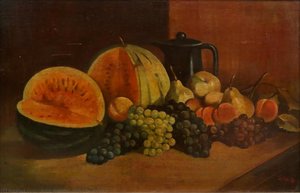
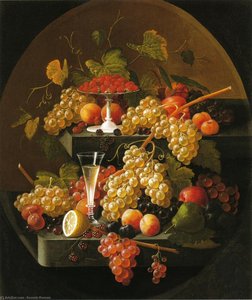
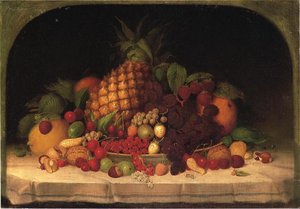
アーティストの略歴
early life and career
charles sidney raleigh, a prominent figure in maritime art, was born in gloucester, england in 1830. his life was marked by an early introduction to maritime pursuits, having left home at the age of ten to sail the seas. this thirty-year tenure as a sailor and merchant seaman not only honed his skills but also provided him with a deep understanding of the vessels he would later immortalize on canvas.artistic style and notable works
raleigh's artistic style is characterized by polished and detailed ship portraits, often painted with fine brushes to capture the intricate rigging. his animal subjects, however, were more broadly painted, showcasing a simplified yet effective modeling technique. some of his notable works include:- belvedere, an oil painting on canvas signed in 1880, depicting the steam whaler bark under sail and steam exiting new bedford harbor.
- raleigh's ambitious whaling panorama, comprising twenty-two panels executed between 1878-1880, stands as a testament to his dedication to maritime art. this masterpiece is now showcased at the new bedford whaling museum.
- occasional portraits, such as those of admiral dewey and grover cleveland, also feature in his body of work, showcasing his versatility.
legacy and conservation
raleigh's legacy extends beyond his artwork, with the new bedford whaling museum restoring his rare panorama painting, panorama of a whaling voyage. this 275-foot-long masterpiece is one of only eight known panoramas in us public collections. notable collections and exhibitions:- discovering the artworks of sheffield children's nhs foundation trust, sheffield, united kingdom
- charles sidney raleigh | ArtsDot.com
conclusion
charles sidney raleigh's life was a convergence of his passion for the sea and his artistic talent, resulting in a legacy that continues to inspire. his contributions to maritime art are a testament to the enduring power of his work. exploring the dover collections in dover, united states - a notable collection featuring works by renowned artists, including john everett millais and william richard waters.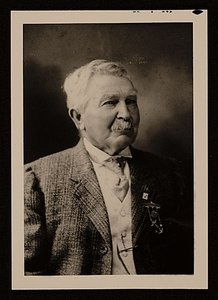
charles sidney raleigh
1830 - 1925 , United Kingdom
基本情報
- Artistic Movement Or Style: Hudson River School, Impressionism
- Artists Or Movements Influenced By This Artist:
- Paul Cézanne
- Claude Monet
- Artists Who Influenced This Artist: ['Fritz Melbye']
- Date Of Birth: July 10, 1830
- Date Of Death: November 13, 1903
- Full Name: Camille Pissarro
- Nationality: Danish, French
- Notable Artworks:
- Boulevard Montmartre
- Red Roofs, Eragny
- The Magpie
- La Route de Rouen
- Place Of Birth: Saint Thomas, Denmark
関連記事
Slate Blue Masterpieces: 10 Iconic Paintings & Timeless Home Decor Ideas
Immerse yourself in the captivating world of slate blue! Explore 10 iconic paintings by Monet, Van Gogh & Renoir. Discover their stories, techniques & find museum-quality art reproductions for your home at .

Serene Blue Backgrounds: Discover Soulful Art to Transform Your Space with Timeless Elegance
Transform your home with soulful blue art. From serene Monet impressions to modern textured sculptures, discover curated masterpieces designed to inspire calm. Explore expert art consultations and bespoke hand-painted reproductions to create your personal sanctuary.
The Allure of Azure: Exploring the Symbolic & Aesthetic Depths of Blue in Art History
Explore the rich history of blue in art! Discover its symbolism, from ancient pigments to modern masterpieces by Kandinsky & Seurat. Uncover the psychological impact and cultural meanings behind this captivating hue.
The Bountiful Still Life: Symbolism & Artistic Representation of Fruit Across Art History
Explore the rich history of still life painting & the symbolism of fruit across art movements. Discover masterpieces from Caravaggio to Cézanne with ArtsDot – expert guidance & museum-quality reproductions.

ポール・セザンヌ:至高の25選 - 傑作と革新の軌跡 | ArtsDot
ポール・セザンヌの至高の25選。ポスト印象派を代表する画家、セザンヌの傑作と革新的な技法を紐解きます。ArtsDotで高品質な複製画やインテリアアートを見つけ、芸術の世界をご自宅に。今すぐコレクションをご覧ください。