

 プレビュー
プレビュー
 プリントを購入
 シェアする
シェアする シェアする
シェアする
 詳細を見る
詳細を見る

 ダウンロード
 似ている作品
 X線調査
X線調査 スライドショー
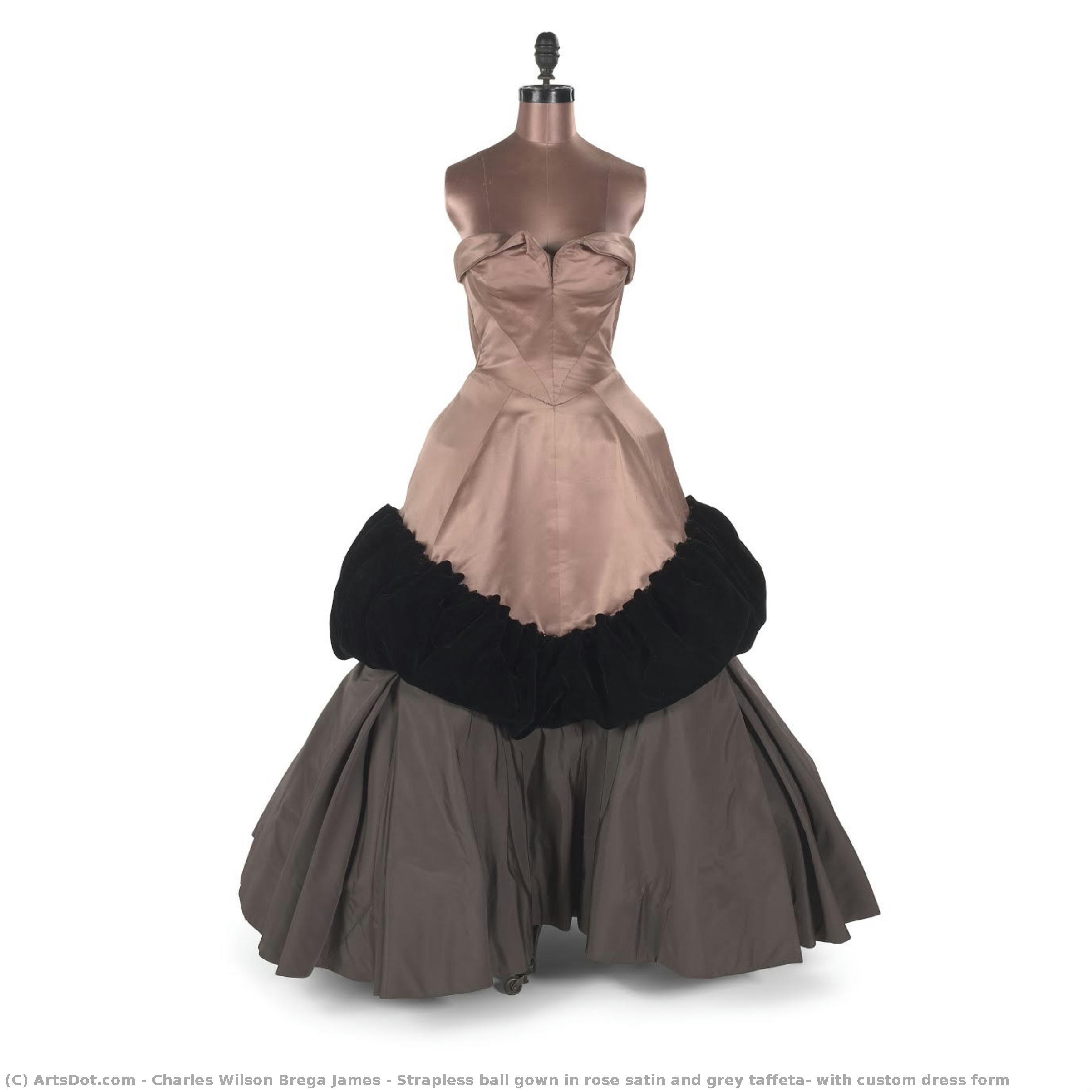
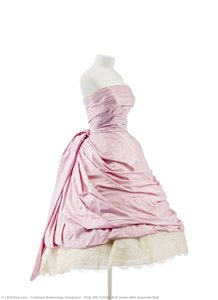
Strapless ball gown in rose satin and grey taffeta, with custom dress form


 詳細を見る
詳細を見る




P118B $10

P118H $10

P118W $10

P438Z $10

P508JH $12

P508YH $12

P805H $10

P805Z $10

P919BZ $10

P919G $10

P919XJ $10

P959ZH $10

P968JZ $12

W106C $8

W218G $10

W218JH $8

W218Y $10

W307PJ $10

W316G $10

W316PJ $8

W316Y $10

W398PJ $8

W4111J $10

W500HY $15

W500JH $15

W692G $12

W849H $8

W940BG $15

W953PJ $8




作品のオリジナル比率に合わせた、当店の規定サイズからお選びください。

特定のフレームやスペースに合わせて、ご希望のサイズをご入力いただけます。選択されたサイズが元の画像の比率と異なる場合、アートワークをトリミングするか、手描きで要素を追加して絵画を拡張いたします。デジタルモックアップ を制作し、制作開始前にご確認(承認)をいただきます。
画面上のプレビューは、実際のトリミングや拡張を正確に反映しているものではありません。最終的な構図は、モックアップによってのみ正確にご確認いただけます。
カスタムサイズもご利用いただけますが、元の比率を維持するためには、あらかじめ用意されたリストからサイズを選択することをお勧めいたします。
ご注文後、ArtsDot.com チームより詳細な指示をお送りするとともに、仕上がりイメージ(モックアップ)をご提供いたします。


 ガラスオプションは、110cm未満のサイズでのみご利用いただけます。

Strapless ball gown in rose satin and grey taffeta, with custom dress form
複製技法
複製画のサイズ
-


合計金額
$ 263
A Glimpse into the 1950s: A Rose Satin Ballgown
The painting before us isn’t merely a depiction of a dress; it's a portal to a specific moment in fashion history – the mid-1950s, an era defined by burgeoning glamour and a renewed embrace of femininity. Charles Wilson Brega James, a remarkably innovative couturier who largely operated outside the mainstream, captured this spirit with exquisite precision. His work, often characterized by its architectural rigor and sculptural forms, is brought to life here in a meticulously rendered image, offering a rare glimpse into his design philosophy. The subject itself – a rose satin ball gown – embodies the era’s obsession with luxurious fabrics, intricate detailing, and an almost theatrical sense of occasion.
The composition immediately draws the eye to the dress's dramatic silhouette. Its full skirt, achieved through layers of charcoal grey taffeta stiffened with crinoline, speaks volumes about the period’s preference for voluminous shapes – a deliberate statement of wealth and social standing. The fitted bodice, constructed from rose pink silk satin and accented by black velvet flounces, showcases James' signature approach: transforming fabric into wearable art. The careful layering of textures—the smooth sheen of the satin, the plushness of the velvet, and the crispness of the taffeta—creates a tactile experience even within the confines of the image, inviting the viewer to almost feel the weight and drape of the garment.
Decoding the Details: A Symphony of Texture and Color
James’ mastery lies not just in his structural designs but also in his ability to translate complex fabrics into visually stunning forms. The painting meticulously captures this skill, highlighting the subtle variations in tone and texture that define each material. Note the way the rose satin catches the light, revealing its delicate weave; the deep, luxurious sheen of the black velvet, contrasting sharply with the lighter pink; and the precise pleating of the grey taffeta skirt, creating a sense of movement and volume. The use of jet buttons adds a touch of understated elegance, grounding the overall design.
The color palette is equally deliberate. The rose pink provides warmth and romance, while the black velvet introduces an element of drama and sophistication. The charcoal grey taffeta acts as a visual anchor, preventing the composition from becoming overly saccharine. This careful balance of colors creates a harmonious whole that reflects the era’s fascination with both opulence and restraint.
The Artist's Vision: Brega James and His Era
Charles Wilson Brega James was a singular figure in 20th-century fashion, largely operating outside the established Parisian houses. Born in England to American heiress and British army officer parents, he developed a unique aesthetic informed by his diverse background and a keen eye for structure and form. His designs were often described as “sculptural,” reflecting his belief that clothing should be more than just functional; it should be an expression of art. The 1952 painting before us offers a tangible representation of this philosophy, showcasing James’ ability to transform ordinary fabrics into extraordinary works of wearable sculpture.
The date – 1952 – places the artwork firmly within the context of post-war America, an era marked by renewed prosperity and a fascination with glamour. James' work resonated deeply with this cultural climate, capturing the spirit of optimism and aspiration that defined the decade. The meticulous detail and sophisticated design reflect a desire for refinement and elegance—qualities highly valued during this period.
A Legacy in Reproduction: Bringing James’ Vision to Life
Reproductions of Charles Wilson Brega James' designs are not merely copies; they are opportunities to experience the artistry and innovation of a truly exceptional designer. The careful attention to detail evident in the original painting is faithfully reproduced, allowing viewers to appreciate the richness of the fabrics, the precision of the construction, and the overall sculptural quality of the garment. Investing in a high-quality reproduction offers a way to bring this piece of fashion history into your own home or studio, celebrating the enduring legacy of Charles Wilson Brega James.
関連作品
アーティストの略歴
Early Life and Education
- Charles Wilson Brega James was born on July 18, 1906, in Camberley, Surrey, England, to Ralph Ernest Haweis James, a British army officer, and Louise Enders Brega, an American heiress.
- He received his early education at The New Beacon school in Sevenoaks, Kent (1914-1918), followed by a brief period at Harrow School in 1919. At Harrow, he befriended notable figures like Evelyn Waugh, Francis Cyril Rose, and Cecil Beaton.
- James was expelled from Harrow for what was described as a “sexual escapade.” Subsequently, he briefly studied music at the University of Bordeaux, France before relocating to Chicago.
Career Development and Artistic Influences
- In Chicago, James benefited from the patronage of Samuel Insull, a family friend and public utilities magnate. Insull provided him with opportunities to develop mathematical skills that would later prove crucial in his design process.
- At age 19, he opened his first hat shop in Chicago under the pseudonym ‘Charles Boucheron’ due to his father's disapproval of a career in fashion.
- James moved between Chicago, New York, London and Paris throughout the 1930s, establishing himself as a designer. He was influenced by architectural principles and sculptural forms, which became hallmarks of his work.
- He developed relationships with artists such as Salvador Dalí, Gertrude Stein, and Colette, further enriching his creative environment.
Major Works and Design Philosophy
- Charles James is celebrated for his highly structured ballgowns and innovative approach to draping and tailoring. He viewed dressmaking as an architectural pursuit, meticulously crafting garments with complex internal structures.
- Notable works include:
- Strapless Ball Gown in Rose Satin and Grey Taffeta: A masterpiece showcasing his innovative use of fabrics and form, available for viewing on ArtsDot.com.
- Coat in Cream and Pale Grey Novelty Basket-Weave Wool: Demonstrating his versatility in design, found within the ArtsDot collection.
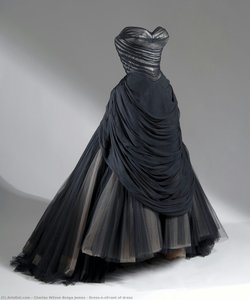
- Evening Dress in Black Chiffon with Underlayers: A testament to his skill in layering and textures, also presented on ArtsDot.com.
- The “Clover” gown (1950/1954): Known for its four-lobed skirt construction, it exemplifies James’s architectural approach to fashion.
- His designs often featured intricate seaming techniques and unconventional materials. He was a perfectionist, sometimes spending years perfecting a single garment.
Legacy and Historical Significance
- Charles James’s impact on the world of fashion is undeniable. His designs continue to inspire contemporary designers with their sculptural silhouettes, meticulous construction, and innovative use of materials.
- He is considered one of the most influential American couturiers of the 20th century, bridging the gap between art and fashion.
- Despite facing financial difficulties and a challenging personality, James left behind a legacy of exceptional craftsmanship and artistic vision. His work remains highly sought after by collectors and museums worldwide.
- Resources for further exploration include ArtsDot.com, which offers a dedicated page to his life and works, as well as Wikipedia’s entry on Charles James.
charles wilson brega james
1906 - 1978 , United States of America
基本情報
- Artistic Movement Or Style: Couture, Sculptural fashion
- Artists Or Movements Influenced By This Artist: ['New generations of designers']
- Date Of Birth: 1906
- Date Of Death: 1978
- Full Name: Charles Wilson Brega James
- Nationality: British-American
- Notable Artworks:
- Strapless ball gown
- Coat in cream wool
- Evening dress in chiffon
- Place Of Birth: Bethlehem, USA
関連記事

Crimson Threads of Narrative: Exploring Symbolism & Representation in Artworks Featuring the Red Dress
Explore the rich symbolism of the red dress in art history! From ancient power displays to iconic portraits like Cézanne’s 'Madame Cezanne', discover the cultural and artistic significance behind this captivating color. Expert analysis & insights.
Echoes of Time: Nostalgia, Technique & Cultural Significance in Vintage Paintings
Explore the captivating world of vintage paintings! Discover key styles, cultural significance & collecting tips from art experts at ArtsDot. Find authentic reproductions and elevate your home décor.

Echoes of Time: Exploring the Enduring Appeal of Vintage Artwork
Explore the captivating world of vintage art! Discover its history, enduring appeal, & how to build your own collection. Expert advice, custom reproductions & museum-quality prints at ArtsDot.

Echoes of Time: Exploring the Enduring Appeal & Historical Context of Vintage Art Prints
Explore the captivating world of vintage art prints! Discover their history, collecting tips & enduring appeal. Expert insights on chromolithography and building a legacy collection with ArtsDot.
Echoes of Eras Past: Exploring Themes & Techniques in Vintage Art Collections
Explore the captivating world of vintage art! Discover historical movements, iconic themes & collecting tips. Find handmade reproductions & expert appraisal at ArtsDot.

