

 プレビュー
プレビュー
 プリントを購入
 シェアする
シェアする シェアする
シェアする
 詳細を見る
詳細を見る

 ダウンロード
 似ている作品
 X線調査
X線調査 スライドショー
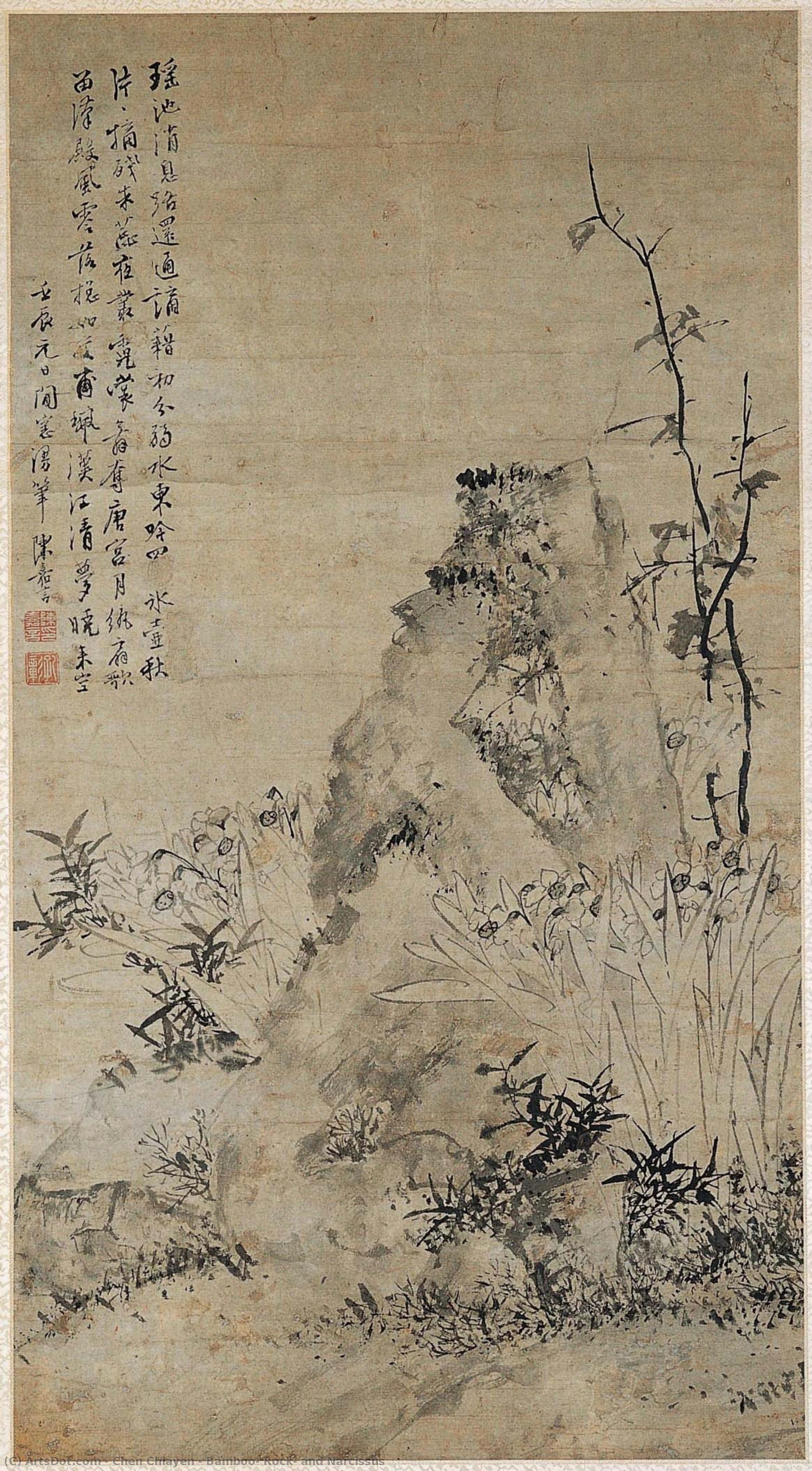
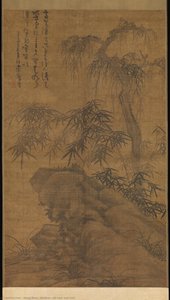
Bamboo, Rock, and Narcissus
 Ink
Ink- WallArt
- Ink Wash Painting
 1652
1652 80.0 x 43.0 cm
 Kimbell Art Museum
 詳細を見る
詳細を見る




P118B $10

P118H $10

P118W $10

P438Z $10

P508JH $12

P508YH $12

P805H $10

P805Z $10

P919BZ $10

P919G $10

P919XJ $10

P959ZH $10

P968JZ $12

W106C $8

W218G $10

W218JH $8

W218Y $10

W307PJ $10

W316G $10

W316PJ $8

W316Y $10

W398PJ $8

W4111J $10

W500HY $15

W500JH $15

W692G $12

W849H $8

W940BG $15

W953PJ $8




作品のオリジナル比率に合わせた、当店の規定サイズからお選びください。

特定のフレームやスペースに合わせて、ご希望のサイズをご入力いただけます。選択されたサイズが元の画像の比率と異なる場合、アートワークをトリミングするか、手描きで要素を追加して絵画を拡張いたします。デジタルモックアップ を制作し、制作開始前にご確認(承認)をいただきます。
画面上のプレビューは、実際のトリミングや拡張を正確に反映しているものではありません。最終的な構図は、モックアップによってのみ正確にご確認いただけます。
カスタムサイズもご利用いただけますが、元の比率を維持するためには、あらかじめ用意されたリストからサイズを選択することをお勧めいたします。
ご注文後、ArtsDot.com チームより詳細な指示をお送りするとともに、仕上がりイメージ(モックアップ)をご提供いたします。


 ガラスオプションは、110cm未満のサイズでのみご利用いただけます。

Bamboo, Rock, and Narcissus
複製技法
複製画のサイズ
-


合計金額
$ 263
A Whisper of Resilience: Exploring Chen Jiayen's Bamboo, Rock, and Narcissus
To gaze upon this exquisite depiction of bamboo, rock, and wild narcissi is to encounter not merely a landscape, but a profound meditation on endurance. Executed by the masterful hand of Chen Jiayen in 1652, this scroll transcends the simple genre of floral still life or mountain vista. It captures a moment suspended between desolation and burgeoning hope. The composition itself—the interplay between the solid permanence of the rock, the graceful curve of the narcissi blossoms, and the vertical thrust of the bamboo stalks—creates an immediate sense of balanced harmony, even as its underlying narrative speaks of profound struggle.
Mastery in Ink Wash Technique
Chen Jiayen’s technical prowess is immediately apparent. The artist employs a breathtaking technique utilizing soft, gradated tones of ink wash, allowing the monochrome medium to achieve remarkable depth and subtlety. Observe how the darker ink is used with such precision to define the spiky vitality of the bamboo leaves, contrasting beautifully with the areas left pure white, which delineate the delicate, curving petals of the narcissi. This masterful restraint—the decision to let the white space breathe—is what gives the painting its ethereal quality. It is a demonstration of how much can be conveyed through suggestion and shadow rather than overt declaration.
Symbolism Woven into Nature
For the connoisseur, this work resonates deeply with Chinese artistic tradition, where flora rarely exists without symbolic weight. The inclusion of bamboo, which bends mightily in the wind yet refuses to break, stands as an ancient emblem of unwavering integrity and flexibility. The narcissus, blooming early, heralds the inevitable return of spring, a promise against the bleakest backdrop. These elements combine with the steadfast rock formations to form a visual allegory: even when civilization seems shattered, strength and renewal persist within nature itself. This is art speaking directly to the human spirit.
A Reflection on Turmoil and Hope
The historical context elevates this piece from mere decoration to poignant cultural artifact. Written in 1652, shortly after the tumultuous fall of the Ming dynasty, the accompanying poem—though unseen here—speaks volumes of despair. Yet, Chen Jiayen does not allow the melancholy to overwhelm his vision. By presenting these symbols of resilience against a backdrop hinting at national sorrow, he offers solace. It is an art that acknowledges pain but insists upon the necessity of looking forward, suggesting that self-regeneration and inner fortitude are the most vital resources when times are darkest.
Bringing Tranquility Home
For the collector or designer seeking a piece imbued with intellectual depth alongside unparalleled beauty, this reproduction offers an extraordinary focal point. Its delicate scale (80 x 43 cm) allows it to grace a mantelpiece or gallery wall without dominating the space, acting instead as a quiet source of contemplation. Owning this work is acquiring more than just exquisite craftsmanship; it is adopting a philosophy—a reminder that even in times of apparent collapse, beauty, strength, and the promise of renewal are always waiting to bloom.
関連作品
アーティストの略歴
Jan Steen: A Master of Chaotic Comedy
Jan Steen, born in Leiden around 1625/1626 and tragically dying there in 1679, remains one of the most delightfully perplexing figures in Dutch Golden Age painting. He wasn’t a grand master lauded for solemn history or meticulously rendered portraits; instead, he carved out his unique niche by capturing the messy, vibrant, and often absurd realities of everyday life – a world brimming with trickery, drunkenness, and delightful chaos. His paintings aren't simply amusing; they are windows into a specific cultural moment, offering a surprisingly sharp commentary on human folly and social dynamics. He’s an artist who invites us to step into the heart of a bustling household, where propriety often dissolves in a swirl of laughter, confusion, and unexpected events.Early Life and Influences: A Leiden Education
Steen's early life remains somewhat shrouded in mystery, though we know he was born into a family of brewers in Leiden. He received his initial artistic training from two prominent figures: Jan van Goyen, the celebrated landscape painter known for his serene depictions of Dutch scenes, and Adriaen van Ostade, a master of portraying peasant life with unflinching realism and a touch of melancholy. These influences are immediately apparent in Steen’s early works – particularly those depicting rural settings and the lives of ordinary people. However, Steen wasn't content to simply imitate his teachers; he quickly developed his own distinctive style, incorporating elements from other sources as well. He was deeply impressed by the ‘fine painters’ of Leiden, such as Frans van Mieris (known for his dramatic lighting and dynamic compositions) and Gerard ter Borch (renowned for his intimate portraits filled with subtle gestures and psychological insight). Crucially, Steen also drew inspiration from the burgeoning world of theatre and popular literature – pamphlets, ballads, and even comic strips – which he skillfully integrated into his paintings.The Language of Chaos: Themes and Techniques
Steen’s genius lies in his ability to depict scenes overflowing with activity, populated by a cast of eccentric characters engaged in a multitude of simultaneous actions. His compositions are incredibly dense, crammed with figures, animals, and still-life objects – all rendered with remarkable detail and a vibrant palette. He frequently employed a technique of ‘selective focus,’ drawing the viewer’s eye to specific points within the chaos while leaving other elements slightly blurred or simplified. This created a sense of depth and movement, as if the scene were unfolding before our very eyes. Common themes in Steen's work include the disastrous consequences of greed, vanity, deception, and excessive indulgence – often portrayed through humorous scenarios involving doctors dispensing dubious remedies, tooth-pullers preying on vulnerable patients, or drunken revelers indulging in wild abandon. He wasn’t simply mocking these vices; he was offering a subtle critique of societal norms and human behavior. His use of color is particularly noteworthy – rich reds, blues, and yellows dominate his palette, creating a sense of warmth and vitality that contrasts sharply with the often-grim realities depicted in his scenes.A Life of Struggle and Artistic Legacy
Despite his considerable talent and popularity during his lifetime, Steen’s life was marked by financial difficulties. He struggled to make a living as an artist, frequently relying on commissions from wealthy patrons but also facing periods of poverty and hardship. He married twice, and lived in Leiden, The Hague, and Haarlem, always seeking opportunities to advance his career. Arnold Houbraken, a prominent biographer of Dutch artists, famously described Steen’s paintings as “like his way of life and his way of life like his paintings,” suggesting that his chaotic domestic scenes reflected the turbulent reality of his own home. This image – of Steen as a jovial drunkard and a playful trickster – has persisted throughout history, though it doesn't fully capture the complexity of his artistic vision. He produced an estimated 800 paintings during his career, many of which are now housed in major museums around the world, including the Mauritshuis in The Hague, the Rijksmuseum in Amsterdam, and the National Gallery in London. Steen’s influence on subsequent generations of Dutch artists is undeniable, and his unique blend of humor, observation, and technical skill continues to delight and intrigue viewers today. His legacy rests not just on his amusing scenes but also as a keen observer of human nature, offering a timeless reflection on the joys and follies of life.Key Works
- The Baker Arent Oostwaard and his Wife, Catharina (1658)
- The Schoolmaster (1663-1665)
- The Little Alms Collector (1665)
- Tric Trac Players (1667)
- The Sick Girl (1663-1666)
chen chiayen
1626 - 1682 , China
基本情報
- Artistic Movement Or Style: Genre painting
- Artists Or Movements Influenced By This Artist: ['Later Dutch painters']
- Artists Who Influenced This Artist:
- Jan van Goyen
- Adriaen van Ostade
- Date Of Birth: 1625/1626
- Date Of Death: 1679
- Full Name: Jan Steen
- Nationality: Dutch
- Notable Artworks:
- The Baker Arent Oostwaard
- The Sick Girl
- Tric Trac Players
- Place Of Birth: Leiden, Netherlands
関連記事
Ephemeral Expressions: Exploring the Nuances of Ink on Paper Through History & Contemporary Art
Explore the captivating world of ink wash painting – from its ancient origins to contemporary masters. Discover techniques, symbolism & conservation insights with ArtsDot.com.
Xie Zhiliu: A Legacy of Ink Wash Painting & Modern Chinese Literati Tradition
Explore the legacy of Xie Zhiliu, a master of Chinese ink wash painting & prominent figure in modern art. Discover his techniques, influences, and contributions to literati tradition. A guide for discerning collectors.
Pu Xinyu's 'Puru': A Legacy of Literati Painting & Emotional Resonance
Explore the captivating world of Pu Xinyu (Puru), the last great literati painter. Discover his imperial heritage, masterful ink wash techniques & enduring legacy – a valuable addition to any discerning art collection.
Ephemeral Lines: Exploring Emotional Resonance in Ink Sketching Traditions
Explore the profound art of ink sketching! Discover techniques to express emotion, master line work, and cultivate artistic sensitivity. Learn from historical masters & unlock your creative potential.
Krupa's Artistic Vision: Exploring Technique, Themes & Historical Context
Discover the evocative world of Alfred Freddy Krupa, a pioneering Croatian artist redefining 'New Ink Art.' Explore his themes of mortality, memory & nature – and find museum-quality reproductions at ArtsDot.

