

 プレビュー
プレビュー
 シェアする
シェアする シェアする
シェアする
 詳細を見る
詳細を見る

 ダウンロード
 似ている作品
 X線調査
X線調査 スライドショー
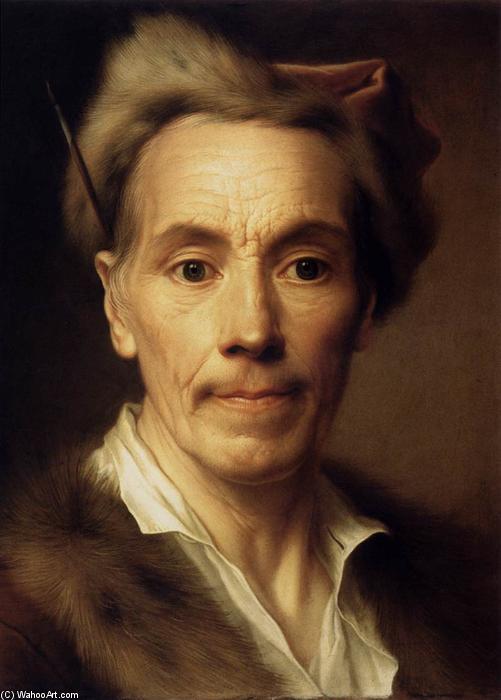
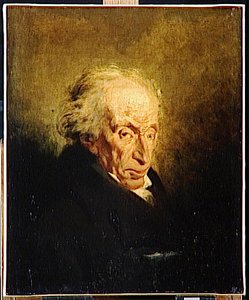
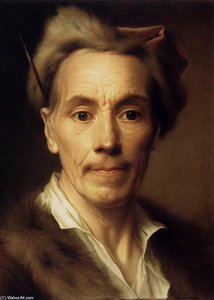
老人の肖像画
 キャンバスにアクリル絵具
- ウォールアート
- Baroque Realism
 41.0 x 30.0 cm
 Szépművészeti Múzeum
 詳細を見る
詳細を見る
ジークレー/アートプリント
迅速な制作と多彩な仕上げオプションを備えた、ミュージアムクオリティのジークレーまたはキャンバスプリント。 ( 手描きの絵画を購入 画像を購入)




P118B $10

P118H $10

P118W $10

P438Z $10

P508JH $12

P508YH $12

P805H $10

P805Z $10

P919BZ $10

P919G $10

P919XJ $10

P959ZH $10

P968JZ $12

W106C $8

W218G $10

W218JH $8

W218Y $10

W307PJ $10

W316G $10

W316PJ $8

W316Y $10

W398PJ $8

W4111J $10

W500HY $15

W500JH $15

W692G $12

W849H $8

W940BG $15

W953PJ $8




作品のオリジナル比率に合わせた、当店の規定サイズからお選びください。

特定のフレームやスペースに合わせて、ご自身でサイズを指定することも可能です。選択されたサイズが元の画像の比率と一致しない場合、作品をトリミングするか、鏡面反射または単色での塗りつぶしによって画像を拡張いたします。制作を開始する前に、ご確認用のデジタルモックアップをお送りいたします。
画面上のプレビューには、実際のトリミングや拡張は反映されませんのでご注意ください。最終的な構図を正確に確認できるのは、モックアップのみとなります。
カスタムサイズも承っておりますが、元の比率を維持するためには、あらかじめ用意されたリストからサイズを選択することをお勧めいたします。


 ガラスオプションは、110cm未満のサイズでのみご利用いただけます。

老人の肖像画
ジークレー/アートプリント
複製画のサイズ
-


合計金額
$ 62
作品詳細説明
Christian Seyboldの「老人の肖像」について
この作品は、バロック美術における驚くべきリアリズムと心理的な深さを体現した画家クリスチャン・セイボルドによる傑作です。彼の芸術的遺産は、当時の美術慣習とは対照的に、顔に深い皺やシワを詳細に描き込み、まるで生きているかのように質感を表現する技術によって語られます。この肖像画は、人間の精神と肉体の変化を捉えようとするバロック絵画の伝統を受け継ぎながらも、他の画家とは異なる独自の視点を提供しています。特に彼の自画像は、当時の芸術家たちが追求した「ポアペイント」と呼ばれる極度のリアリズム技法が用いられ、驚くほどの細部まで描き込まれています。この技術は、人間の皮膚の質感を正確に表現し、顔立ちの微妙な変化を捉えることで、肖像画に深みと奥行きを与えます。- 作品の詳細:サイズは41×30cmで、銅板に油彩技法が用いられています。この銅板は、当時の美術家たちが使用した素材であり、その質感は肖像画の雰囲気に大きく影響を与えています。
- 画家について:クリスチャン・セイボルドは、ドイツ生まれのバロック画家で、1695年にニュエンハゲンで誕生しました。彼はほとんど自伝的な人物でありながらも、当時の美術家たちが追求した芸術的スタイルと技術を反映しています。彼の生涯に関する情報は限られていますが、彼の作品はバロック美術における重要な役割を果たしています。
- 時代背景:この作品が制作されたのは、バロック美術の黄金時代であり、当時の社会や文化は宗教的な影響を受けました。肖像画は、貴族や聖職者の地位を示すとともに、個人の精神性を表現する手段として機能していました。セイボルドの作品は、その時代の価値観と美意識を反映しており、見る人に深い感動を与えます。
- 芸術的特徴:この肖像画は、バロック絵画の特徴である光と影のコントラストによって構成されています。特に顔立ちの微妙な変化を捉えるためのモデリング技術は、当時の画家たちが追求した高度な表現技法の一例です。セイボルドは、これらの技法を駆使して、人間の精神と肉体の変化を鮮やかに描き出し、肖像画に生命感を与えています。
関連作品



アーティストの略歴
The Master of Psychological Realism: The Life and Legacy of Christian Seybold
In the grand tapestry of the Baroque era, where many painters sought to elevate their subjects through an idealized, ethereal beauty, Christian Seybold emerged as a defiant voice of uncompromising truth. Born in 1695 in Neuenhain bei Berlin, Seybold’s journey was one of profound personal tragedy and extraordinary artistic triumph. His early years, though shrouded in the mists of historical obscurity, were marked by a resilience that would later define his brushwork. Moving to Vienna, he experienced the devastating loss of both his first wife and his newborn son within a mere two-year span—a period of grief that many scholars believe infused his work with a deep, empathetic understanding of the human condition. This emotional gravity became the heartbeat of his art, transforming simple portraits into profound psychological studies.
Seybold’s technical mastery was nothing short of legendary, characterized by a meticulousness that bordered on the miraculous. He was known to employ a magnifying glass to capture the most infinitesimal details, rendering every silver strand of hair, every weathered wrinkle, and every subtle glint in an eye with startling precision. This dedication to verisimilitude placed him in a unique position within the art world; while his contemporaries often smoothed away the imperfections of life, Seybold embraced them. His work frequently took the form of tronies—highly detailed character heads that allowed him to explore various expressions and textures without the constraints of formal portraiture. In doing so, he bridged the gap between mere representation and a visceral, living presence on the canvas.
Influences and the Path to Courtly Eminence
The evolution of Seybold’s style was shaped by a sophisticated dialogue with the masters who preceded him. While his detailed character heads drew heavy inspiration from the refined precision of Balthasar Denner, his approach to the human soul and the dramatic use of light echoed the profound legacies of Rembrandt and Jan Kupecký. This blend of influences allowed him to navigate between two worlds: the hyper-realistic observation of physical texture and the emotive, atmospheric depth of the Dutch tradition. His ability to synthesize these styles made his work instantly recognizable and highly sought after by the European elite.
His ascent within the social and political hierarchies of Europe was marked by significant milestones that solidified his status as a premier artist of the 18th century:
- The Viennese Breakthrough: In 1728, his portrait of Count Johann Adam von Questenberg served as a pivotal moment, introducing his extraordinary talent to influential patrons and establishing his reputation in the imperial capital.
- Saxon Court Appointment: In 1742, Seybold reached a professional zenith when he was appointed court painter to King Augustus III of Saxony in Dresden, a role that brought him immense prestige and access to royal resources.
- Imperial Recognition: His talent eventually led him to the court of Empress Maria Theresa, further cementing his importance within the highest echelons of Habsburg society.
A Lasting Impression on Art History
Though some contemporary critics, most notably the influential Johann Joachim Winckelmann, occasionally dismissed his hyper-detailed approach as mere "slavish imitation" of nature, such critiques failed to capture the true essence of Seybold’s genius. To view a Seybold portrait is not merely to observe a technical feat, but to encounter a soul captured in time. His prolific self-portraits, spanning decades of his own aging process, serve as a moving visual diary of a life lived through both immense sorrow and unparalleled professional success.
Today, the works of Christian Seybold are scattered across the world's most prestigious institutions, including the Louvre, the Uffizi, and the Hermitage. His historical significance lies in his refusal to look away from reality. By documenting the textures of age, the nuances of emotion, and the raw truth of the human face, he provided a vital counterpoint to the era's penchant for artifice. He remains a singular figure in the Baroque movement—a painter who used the smallest details to tell the largest stories of human existence.
Christian Seybold
1695 - 1768 , Germany
基本情報
- Artistic Movement Or Style: Baroque
- Artists Or Movements Influenced By This Artist: ['']
- Artists Who Influenced This Artist:
- Balthasar Denner
- Jan Kupecký
- Date Of Birth: 1695
- Full Name: Christian Seybold
- Nationality: German
- Notable Artworks:
- A Boy in a Lace Collar
- Old woman with green scarf
- Old man with spotted fur hat
- Place Of Birth: Neuenhagen bei Berlin, Germany
関連記事

バロック美術を極めた至宝:時代を彩る10大名作の世界
バロック美術の華!カラヴァッジョ、ベルニーニら巨匠が創り上げた10大名作を徹底解剖。ドラマチックな色彩と豪華絢爛の世界観に触れ、至宝のアートプリントで空間を彩ろう。ArtsDot.comで美術館品質の複製と洗練されたインテリアを見つけましょう!

バロックのドラマ:現代のインテリアに壮麗さと情感を取り込む
バロック様式の歴史、絵画、家具の魅力をご紹介。ArtsDotでは、高品質な油絵複製やカスタムポートレートをご提供し、現代のインテリアに壮麗さと情感を取り入れます。アートコンサルテーションも承ります。

The Dramatic Flourish: Exploring the Baroque Movement's Enduring Legacy in Art History
Explore the dramatic world of Baroque art! Discover iconic artists like Caravaggio & Rubens, defining techniques, and its lasting impact on art history. Expert insights for collectors & enthusiasts at ArtsDot.

The Visceral Stage: Exploring Dramatic Narratives & Emotional Intensity in Baroque Art
Explore the dramatic world of Baroque art! Discover iconic masters like Caravaggio & Rembrandt, their techniques, and the movement's lasting impact. Expert insights for collectors & enthusiasts at ArtsDot.
Reflecting the Self: A History of Portraiture & Psychological Insight
Explore the fascinating history of self-portraiture from Renaissance masters like Dürer & Rembrandt to modern interpretations. Discover the psychological insights and artistic techniques behind these iconic works. Expert analysis for art enthusiasts.


