

 プレビュー
プレビュー
 プリントを購入
 シェアする
シェアする シェアする
シェアする
 詳細を見る
詳細を見る

 ダウンロード
 似ている作品
 X線調査
X線調査 スライドショー
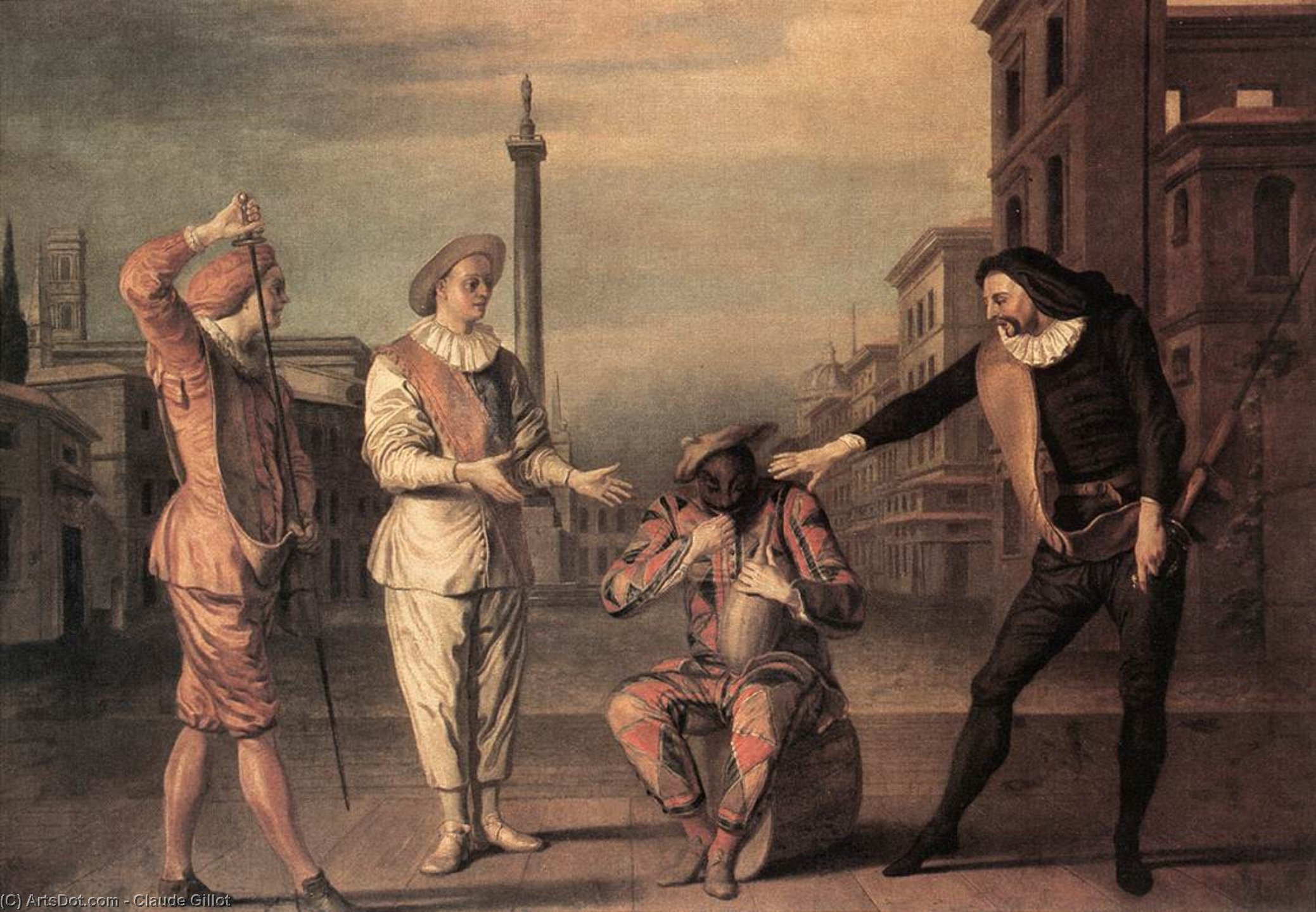
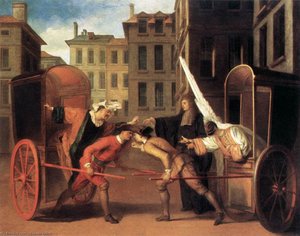
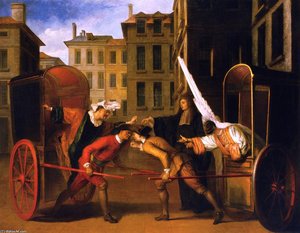
シーンから「マスターステューアートの墓」
 キャンバスにアクリル絵具
- ウォールアート
- Baroque Drama
 1707
1707 100.0 x 139.0 cm
 ルーブル美術館
 詳細を見る
詳細を見る
オンラインプレビューをはるかに凌ぐ、高解像度で鮮明なデジタル画像をご購入いただけます。
各ファイルは、社内の専門家が高度なツールと熟練した手作業によるレタッチを用いて、細心の注意を払って準備されています。すべての画像において、卓越した鮮明度、正確な色彩再現性、そして繊細なディテールを保証いたします。
最終ファイルは、プロフェッショナルな編集・印刷環境ですぐにご利用いただけるよう最適化された状態で、72時間以内にメールにてお届けいたします。これは、一流のデザインスタジオ、出版社、ギャラリーから信頼されているものと同等の品質です。
デジタル画像のご注文に付随する特典
高品質なデジタル画像配信を、確かな品質で。
ArtsDot.com を選ぶことは、単に画像を手に入れることではありません。それは、プロの手によって精密に仕上げられ、満足保証が付いた高品質なデジタルアートワークを受け取ることを意味します。ご注文いただいた際に自動的に付随する内容は、以下の通りです:

メールですぐにお届け
ご注文から72時間以内に、高解像度のデジタル画像ファイルがメールでお手元に届きます。すぐにそのままご利用いただけます。

AI技術で最適化されたデジタルファイル
お客様の作品は、高度なAIツールと専門家による手作業の編集を組み合わせてプロフェッショナルに最適化されており、細部のディテール、鮮明さ、そして正確な色再現性を最大限に引き出しています。

一生涯無料の再送サービス
ファイルを誤って削除したり、紛失してしまったりしましたか?ご安心ください。いつでも無料で再送いたします。

輸入手数料は一切かかりません
関税や手数料、配送料を気にすることなく、お気に入りのアートワークをすぐにお楽しみいただけます。デジタルダウンロードは常に免税です。

色彩再現の保証
プロ仕様のツールとカラーマネジメント技術を用いることで、デジタル画像が元の色を最大限に忠実に再現することを保証いたします。

60日間満足保証
ご購入いただいたデジタル画像にご満足いただけない場合は、60日以内であれば、修正または100%の返金(理由を問う必要はありません)をさせていただきます。

100% 返金保証
ご満足いただけない場合は、デジタルファイルを受け取ってから60日以内であれば、理由を問わず全額返金いたします。

まとめ買い割引
3枚購入で10%OFF - 5枚購入で15%OFF - 10枚以上購入で20%OFF。クリエイティブなプロジェクト、ギャラリー、エージェンシーに最適です。
作品の詳細
Claude Gillotの「マスターステューアート」再現品:バロックドラマと農村風景の融合
フランス美術におけるバロック時代の傑作を代表する画家、クロード・ギロは、1673年に生まれ、絵画だけでなく彫刻や舞台デザインなど多岐にわたる活動を行いました。特に、ウォタウとランクレートといった画家たちの影響を受け、彼らのスタイルが特徴的な「フェテ・シャンピュール」と呼ばれる農村風景画を制作しました。この作品は、その繊細さと洗練された表現力で後世の美術家に大きな影響を与えました。ギロは特に、フランス王室や貴族社会における華やかな儀式や宴会の絵画に優れており、彼の作品は当時のバロック文化を反映しています。 この「マスターステューアート」は、黒と白のコントラストが印象的な作品です。画面の中心には、他の人物たちを見つめるように跪いた男性と、彼に指差し示す男性の姿が描かれています。周囲には、左側に立つ男性や、男性の後ろを歩く男性など、様々な人物が登場します。また、椅子のモチーフや、頂上部に配置されたダガーなどのオブジェクトも作品の中に組み込まれており、これらの要素は絵画全体の構成に深みを与えています。ギロの絵画技法は、特にパステル画における繊細な色彩表現と、バロック劇におけるドラマチックな演出で知られています。彼はこの技術を駆使して、人間の感情や心理状態を効果的に表現し、見る人に感動を与える力を持っています。 この作品は、聖アンブロジオの墓を描いたものであり、当時の宗教的な情熱と芸術的創造性を反映しています。「マスターステューアート」は、ギロがウォタウの影響を受けながら制作した代表作の一つであり、彼の芸術的な才能を示すとともに、バロック時代の美術様式を象徴する作品と言えるでしょう。この絵画は、単なる風景画ではなく、人間の信仰と希望を描いたものであり、見る人に深い感動を与えます。ギロの作品は、その美しい色彩と洗練された構図で、多くの人々を魅了し続けています。 さらに、「マスターステューアート」は、当時の社会情勢や宗教的な思想にも影響を与えました。バロック時代は、カトリック教会が権力を握り、芸術家たちは聖職者の庇護を受けながら活動していました。ギロの絵画は、この時代の価値観と美意識を反映しており、彼の作品は歴史的な背景の中で見る人に特別な感動を与える力を持っています。ギロの絵画は、バロック美術における宗教的なテーマや表現方法の革新性を示しており、彼の芸術的な遺産は後世の美術家に大きな影響を与えました。この作品は、ギロの芸術的才能とバロック時代の文化を象徴するものであり、美術愛好家やコレクターにとって特別な価値を持つものと言えるでしょう。 この絵画は、現在、ナショナルギャラリーで展示されており、多くの人々がその美しい色彩と洗練された構図に感動しています。「マスターステューアート」は、ギロの芸術的な遺産として後世に語り継がれ、バロック美術における傑作の一つとして高く評価されています。この絵画は、ギロの芸術的な才能とバロック時代の文化を象徴するものであり、美術愛好家やコレクターにとって特別な価値を持つものと言えるでしょう。関連作品

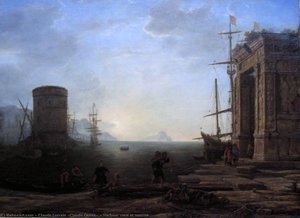
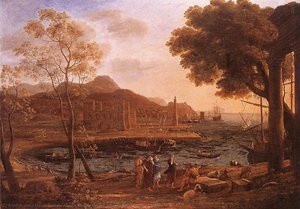
作家の略歴
The Architect of Baroque Splendor
Claude Gillot (1673–1722) remains a luminous figure in the tapestry of late Baroque France, an artist whose versatile hand touched nearly every facet of the visual culture of his era. Born in the historic town of Langres, north of Dijon, Gillot’s early creative impulses were nurtured by his father before he ventured to Paris to refine his craft. His artistic journey was far from linear; he was a true polymath of the arts, moving with ease between the delicate precision of printmaking, the structural demands of metalworking, and the grand-scale imagination required for theatrical design. This multidisciplinary foundation allowed him to approach the canvas not merely as a surface for pigment, and but as a stage where light, movement, and drama could converge.
The trajectory of Gillot’s career was profoundly shaped by his apprenticeship under the legendary Jean Watteau around 1703. From Watteau, he absorbed the ethereal qualities of the emerging fête champêtre style—a genre characterized by pastoral elegance and aristocratic leisure. Yet, while he inherited this delicate sensibility, Gillot infused it with a unique vigor derived from his work in the Parisian theater. His extensive collaborations with playwrights and composers to design elaborate sets and costumes for operas and comedies instilled in him a mastery of visual storytelling. He understood how to direct the viewer's eye through composition, using the theatricality of costume and scenery to breathe life into mythological and contemporary narratives alike.
A Mastery of Myth and Motion
Gillot’s ascent within the prestigious Académie Royale de peinture et de sculpture in 1715 marked a definitive moment in his professional life, signaling his recognition as a master of monumental composition. His breakthrough was anchored by works that celebrated the grandeur of classical antiquity through a contemporary lens. In masterpieces such as “Feast of Pan” and “Feast of Bacchus,” Gillot demonstrated an extraordinary ability to blend the divine with the terrestrial. These canvases were not merely depictions of myth; they were sensory experiences, where the lushness of the landscape met the exuberant energy of mythological revelry.
His technique was characterized by a sophisticated use of color and form that could shift from the soft, dreamlike textures reminiscent of his mentor to a more robust, dramatic Baroque intensity. This versatility allowed him to capture the very essence of the commedia dell’arte, bringing the wit and character of masked performers to life with a sense of spontaneous motion. Through his engravings and paintings, he documented the social graces and theatrical whimsies of the French court, creating a visual record that was as much about the spirit of the age as it was about the subjects themselves.
Legacy of the Rococo Prelude
As the art world began to transition from the heavy grandeur of the Baroque toward the lighter, more intimate aesthetics of the Rococo, Gillot’s influence remained foundational. He served as a vital bridge between generations, influencing later masters such as Lancret by refining the vocabulary of pastoral scenes and theatrical character studies. His ability to marry the structural discipline of classical painting with the whimsical charm of the stage helped define the aesthetic sensibilities of the early 18th century.
Today, the significance of Claude Gillot lies in his role as a creator of atmosphere. Whether through the intricate lines of a print or the sweeping vistas of a mythological feast, his work continues to evoke the vibrant, theatrical pulse of pre-revolutionary France. He remains an artist whose legacy is found not just in individual masterpieces, but in the very way we perceive the intersection of art, theater, and the beautiful artifice of life.
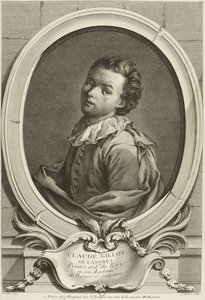
Claude Gillot
1673 - 1722 , France
プロフィール概要
- Artistic Movement Or Style: Baroque
- Artists Who Influenced This Artist:
- Jean Watteau
- Nicolas Lancret
- Date Of Birth: 1673
- Date Of Death: 1722
- Full Name: Claude Gillot
- Nationality: French
- Notable Artworks:
- The Two Coaches
- Garment time of night
- Italian Comedians
- Place Of Birth: Langres, France

