

 プレビュー
プレビュー
 プリントを購入
 シェアする
シェアする シェアする
シェアする
 詳細を見る
詳細を見る

 ダウンロード
 似ている作品
 X線調査
X線調査 スライドショー
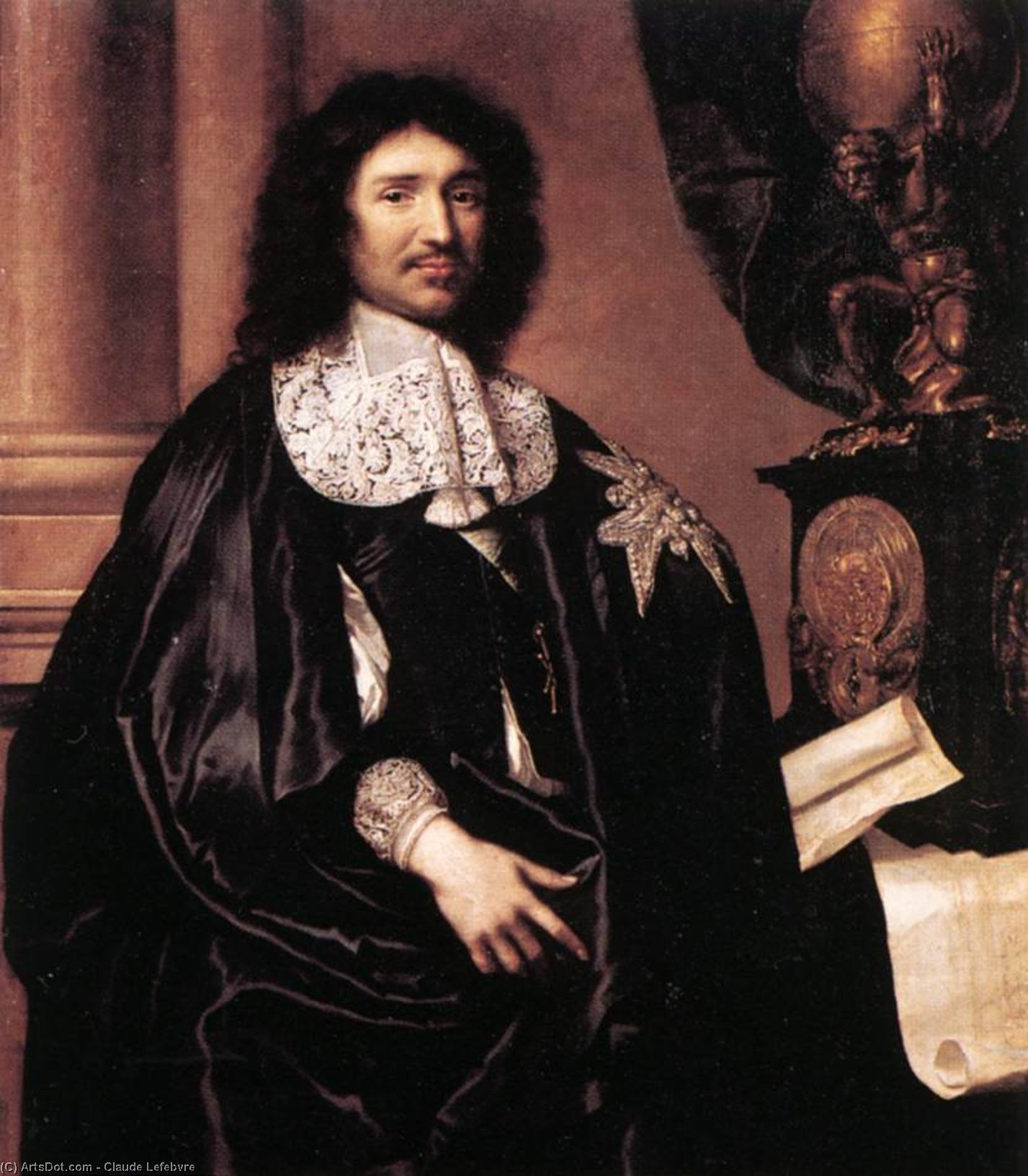
Portrait of Jean-Baptiste Colbert
 Oil On Canvas
- WallArt
- Baroque Portraiture
 1666
1666 118.0 x 113.0 cm
 ヴェルサイユ宮殿
 詳細を見る
詳細を見る




P118B $10

P118H $10

P118W $10

P438Z $10

P508JH $12

P508YH $12

P805H $10

P805Z $10

P919BZ $10

P919G $10

P919XJ $10

P959ZH $10

P968JZ $12

W106C $8

W218G $10

W218JH $8

W218Y $10

W307PJ $10

W316G $10

W316PJ $8

W316Y $10

W398PJ $8

W4111J $10

W500HY $15

W500JH $15

W692G $12

W849H $8

W940BG $15

W953PJ $8




作品のオリジナル比率に合わせた、当店の規定サイズからお選びください。

特定のフレームやスペースに合わせて、ご希望のサイズをご入力いただけます。選択されたサイズが元の画像の比率と異なる場合、アートワークをトリミングするか、手描きで要素を追加して絵画を拡張いたします。デジタルモックアップ を制作し、制作開始前にご確認(承認)をいただきます。
画面上のプレビューは、実際のトリミングや拡張を正確に反映しているものではありません。最終的な構図は、モックアップによってのみ正確にご確認いただけます。
カスタムサイズもご利用いただけますが、元の比率を維持するためには、あらかじめ用意されたリストからサイズを選択することをお勧めいたします。
ご注文後、ArtsDot.com チームより詳細な指示をお送りするとともに、仕上がりイメージ(モックアップ)をご提供いたします。


 ガラスオプションは、110cm未満のサイズでのみご利用いただけます。

Portrait of Jean-Baptiste Colbert
複製技法
複製画のサイズ
-


合計金額
$ 263
A Glimpse into Power and Patronage: Claude Lefebvre’s “Portrait of Jean-Baptiste Colbert”
Claude Lefebvre's "Portrait of Jean-Baptiste Colbert" is more than a simple likeness; it’s a carefully constructed tableau of power, wealth, and the burgeoning influence of the French monarchy in the mid-17th century. Painted in 1666, this oil on canvas offers a remarkably intimate portrayal of the pivotal figure who shaped Louis XIV's finance and foreign policy – Colbert himself. The painting resides within the opulent walls of the Château de Versailles, a testament to both the subject’s importance and the artistic standards upheld by the royal court.
Colbert, dressed in the formal attire of a high-ranking official, commands attention immediately. His dark coat, meticulously tailored, speaks volumes about his status and the resources at his disposal. The ruffled collar, a hallmark of the period, adds a touch of theatricality, suggesting both authority and an awareness of fashion’s role in projecting power. The subtle details – the carefully arranged papers in his hand, the dignified bearing of his posture – all contribute to an impression of quiet confidence and strategic intellect. Lefebvre masterfully uses light and shadow to sculpt Colbert's face, highlighting his features with a delicate realism that belies the painting’s overall formality.
The Painter’s Technique: A Masterclass in Baroque Portraiture
Lefebvre was a prominent figure within the French court, known for his ability to capture both the outward appearance and inner character of his subjects. His style exemplifies the refined elegance of the late Baroque period, characterized by dramatic lighting, rich colors, and an emphasis on detail. Notice how he employs *chiaroscuro*, creating a strong contrast between light and dark areas – this technique not only adds depth to the portrait but also draws the viewer’s eye directly to Colbert's face, emphasizing his gaze and conveying a sense of direct engagement.
The canvas itself is executed with remarkable precision. Lefebvre’s brushwork is smooth and controlled, reflecting the meticulous standards expected at Versailles. The textures of the fabrics – the velvet of the coat, the linen of the shirt – are rendered with subtle variations in tone and value, adding a tactile quality to the image. The background, deliberately muted, serves to further emphasize Colbert’s presence, reinforcing his importance within the composition.
Symbolism and Context: A Portrait of an Era
Beyond its aesthetic qualities, “Portrait of Jean-Baptiste Colbert” is deeply embedded in the historical context of 17th-century France. Colbert was a key architect of Louis XIV’s ambitious policies – from expanding the French navy to establishing a sophisticated system of taxation and trade. He essentially transformed France into a continental power, and this painting serves as a visual representation of his success.
The inclusion of the papers in Colbert's hand is particularly significant. They symbolize his role as a statesman, a negotiator, and a strategist – a man deeply involved in shaping the destiny of the nation. The composition subtly suggests his intellectual prowess and administrative abilities, reinforcing the image of a brilliant mind at work. Furthermore, the setting within the Château de Versailles itself underscores Colbert’s close relationship with the monarchy and his position as one of its most trusted advisors.
A Legacy in Oil: Reproductions and Enduring Appeal
Reproductions of “Portrait of Jean-Baptiste Colbert” continue to captivate audiences today, offering a window into a pivotal moment in French history. The painting’s enduring appeal lies not only in its technical brilliance but also in its ability to evoke a sense of grandeur, power, and human dignity. Whether displayed as a statement piece in a grand salon or cherished as a reminder of France's rich artistic heritage, this portrait remains a testament to the skill of Claude Lefebvre and the legacy of Jean-Baptiste Colbert.
関連作品


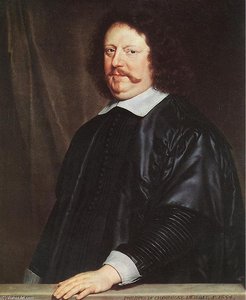
アーティストの略歴
Johannes Vermeer: A Life Illuminated by Light
Johannes Vermeer, a name synonymous with quiet intimacy and luminous beauty, remains one of the most enigmatic and revered figures in the history of art. Born in Delft, Netherlands, on October 31st, 1632, into a family deeply rooted in the silk trade, his life was remarkably short – he died on December 15th, 1675 – yet his artistic legacy continues to captivate audiences centuries later. While only thirty-six paintings are definitively attributed to him, each one possesses an extraordinary power, transporting viewers to fleeting moments of domestic tranquility and revealing a profound understanding of light, color, and human emotion.
Vermeer’s early life was shaped by the bustling commercial activity of Delft, a city renowned for its intricate textiles. His father, Reynier Jansz Vermeer, operated an inn and art dealership, providing young Johannes with exposure to both the practicalities of business and the world of artistic creation. This environment likely fostered his keen observational skills and appreciation for visual detail – qualities that would later become hallmarks of his distinctive style. He received a basic education, but it’s believed he was largely self-taught, absorbing techniques from various contemporary artists and diligently studying the works of masters like Anthony van Dyck and Hendrick ter Brugghen.
The Painter's Palette: Style and Technique
Vermeer’s artistic style is instantly recognizable for its remarkable subtlety and atmospheric depth. He eschewed grand, dramatic compositions in favor of intimate scenes depicting everyday life – women at their spinning wheels, children playing, merchants engaged in trade, and domestic interiors bathed in soft light. His paintings are not merely representations of reality; they are carefully constructed illusions, imbued with a sense of stillness and serenity. A key element of his technique lies in his masterful manipulation of light. Vermeer was obsessed with capturing the way light interacts with surfaces – reflecting off polished wood, shimmering on water, and casting subtle shadows across faces. He achieved this through an innovative use of *stiacciato*, a technique involving layering thin glazes of paint to create variations in tone and texture, giving his works a remarkable sense of volume and depth.
He employed a unique approach to color, often using muted tones and subtle gradations to create a harmonious and understated effect. Vermeer’s meticulous attention to detail is evident in every brushstroke, from the delicate folds of fabric to the intricate patterns of Delftware pottery. His use of ultramarine blue, painstakingly ground from lapis lazuli – one of the most expensive pigments available at the time – is particularly striking, adding a vibrant intensity to his compositions.
A Life of Quiet Industry and Limited Recognition
Despite his artistic talent, Vermeer’s life was marked by relative obscurity during his lifetime. He was not a wealthy man, earning a modest living primarily as an art dealer and selling his paintings to a small circle of patrons in Delft and The Hague. He married Catharina Bolnes in 1653, and they had eleven children, adding to the challenges of their existence. Vermeer’s working methods were slow and deliberate; he often spent months, even years, perfecting a single painting. This painstaking process contributed to the small number of works he produced.
Remarkably, Vermeer was largely forgotten after his death. His name barely appeared in Arnold Houbraken's *Grand Theatre of Dutch Painters*, a comprehensive survey of 17th-century artists, and as a result, his work remained obscure for nearly two centuries. It wasn’t until the late 19th century that Vermeer was rediscovered by art critics Gustav Friedrich Waagen and Théophile Thoré-Bürger, who championed his genius and brought attention to his remarkable talent.
Rediscovery and Enduring Legacy
The rediscovery of Vermeer coincided with a broader reassessment of Dutch Golden Age painting. Scholars began to recognize the unique qualities of his work – its luminous beauty, psychological depth, and innovative use of light – and his paintings quickly gained popularity in museums around the world. Today, Vermeer’s works are among the most prized possessions of major art institutions, including the Mauritshuis in The Hague, the Louvre in Paris, and the National Gallery in London.
Vermeer's influence on subsequent generations of artists is undeniable. His exploration of light, color, and domestic interiors paved the way for Impressionist painters like Claude Monet and Pierre-Auguste Renoir. His paintings continue to resonate with viewers today, offering a glimpse into a bygone era and reminding us of the enduring power of art to capture the beauty and complexity of human experience. The enigmatic smile in *Girl with a Pearl Earring*, perhaps his most famous work, remains an invitation to contemplate the mysteries of the human heart.
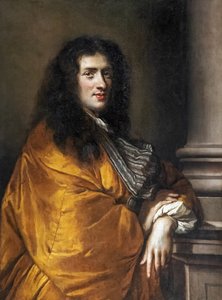
claude lefebvre
1632 - 1675 , France
基本情報
- Artistic Movement Or Style: Genre painting, Dutch Golden Age
- Artists Or Movements Influenced By This Artist:
- Gustav Friedrich Waagen
- Théophile Thoré-Bürger
- Artists Who Influenced This Artist:
- Frans Hals
- Rembrandt
- Date Of Birth: October 1632
- Date Of Death: December 1675
- Full Name: Johannes Vermeer
- Nationality: Dutch
- Notable Artworks:
- Girl with a Pearl Earring
- The Milkmaid
- View of Delft
- Woman Holding a Balance
- Place Of Birth: Delft, Netherlands
関連記事
Simon Vouet: A Baroque Master's Journey from Italian Influence to French Classicism
Explore the life & art of Simon Vouet, a pivotal French Baroque painter who introduced Italian styles to France. Discover his masterpieces and lasting influence on 17th-century art.

バロックのドラマ:現代のインテリアに壮麗さと情感を取り込む
バロック様式の歴史、絵画、家具の魅力をご紹介。ArtsDotでは、高品質な油絵複製やカスタムポートレートをご提供し、現代のインテリアに壮麗さと情感を取り入れます。アートコンサルテーションも承ります。
Charles Le Brun: Master of French Baroque Classicism & His Enduring Legacy
Explore the life & art of Charles Le Brun, master of French Baroque Classicism. Discover his royal commissions, influence on Versailles, and enduring legacy through detailed analysis & stunning artworks.

The Dramatic Flourish: Exploring the Baroque Movement's Enduring Legacy in Art History
Explore the dramatic world of Baroque art! Discover iconic artists like Caravaggio & Rubens, defining techniques, and its lasting impact on art history. Expert insights for collectors & enthusiasts at ArtsDot.
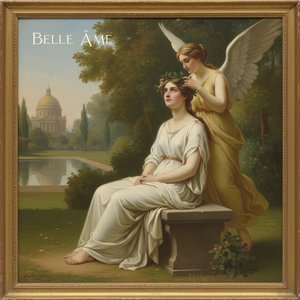
Jules Lefebvre: Master of Academic Realism & the Pursuit of Belle Âme
Explore the captivating figure paintings of Jules Lefebvre (1836-1911), a renowned French academic artist and educator. Discover his masterpieces, signature style, and lasting influence on art history. Shop high-quality reproductions at ArtsDot.