

 シェアする
シェアする シェアする
シェアする
 詳細を見る
詳細を見る

 ダウンロード
 似ている作品
 スライドショー
 統計情報
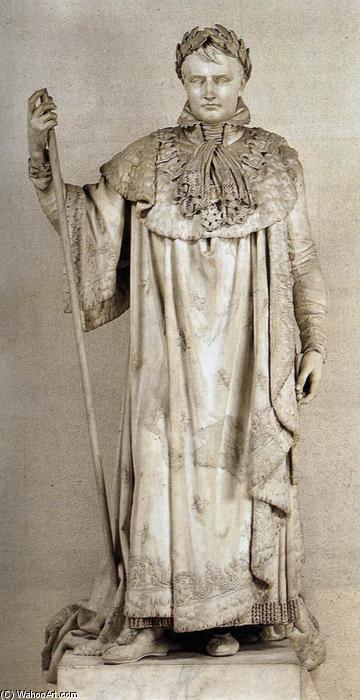
統計情報Napoleon I in his Coronation Costume


 詳細を見る
詳細を見る
ジークレー/アートプリント
迅速な制作と多彩な仕上げオプションを備えた、ミュージアムクオリティのジークレーまたはキャンバスプリント。 ( 手描きの絵画を購入 デジタル画像販売へ切り替え)




































作品のオリジナル比率に合わせた、当店の規定サイズからお選びください。

特定のフレームやスペースに合わせて、ご自身でサイズを指定することも可能です。選択されたサイズが元の画像の比率と一致しない場合、作品をトリミングするか、鏡面反射または単色での塗りつぶしによって画像を拡張いたします。制作を開始する前に、ご確認用のデジタルモックアップをお送りいたします。
画面上のプレビューには、実際のトリミングや拡張は反映されませんのでご注意ください。最終的な構図を正確に確認できるのは、モックアップのみとなります。
カスタムサイズも承っておりますが、元の比率を維持するためには、あらかじめ用意されたリストからサイズを選択することをお勧めいたします。


 ガラスオプションは、110cm未満のサイズでのみご利用いただけます。

Napoleon I in his Coronation Costume
ジークレー/アートプリント
複製画のサイズ
-


合計金額
$ 62
A Regal Portrait of Imperial Power: Claude Ramey’s “Napoleon I in his Coronation Costume”
Standing before us is more than just a marble statue; it's a meticulously crafted embodiment of power, ceremony, and the enduring legacy of Napoleon Bonaparte. Created in 1813 by the esteemed French sculptor Claude Ramey, this remarkable piece captures the emperor not as a battlefield commander, but as a figure of profound majesty within the opulent setting of his coronation. The statue’s commanding presence immediately draws the eye, inviting contemplation on the political and artistic forces that shaped its creation during a pivotal moment in European history.
Ramey's skill lies not merely in replicating form, but in imbuing the marble with an almost palpable sense of weight and dignity. The statue’s composition is strikingly centered, emphasizing Napoleon’s imposing stature – his broad shoulders, firm stance, and the deliberate posture of a ruler surveying his domain. The detail is astonishing; from the intricate folds of the richly embroidered coronation robes to the laurel wreath encircling his head, every element speaks to the grandeur of the occasion. The lighting, though captured in a photograph, suggests a carefully orchestrated illumination designed to highlight the statue’s texture and form, creating subtle shadows that define the musculature and drapery with remarkable precision.
Neoclassical Grandeur: Style and Technique
“Napoleon I in his Coronation Costume” is a quintessential example of Neoclassicism, a style deeply rooted in the ideals of ancient Greece and Rome. Ramey masterfully employs classical principles of proportion, balance, and idealized form to depict Napoleon. The statue’s smooth surfaces, flowing drapery, and restrained emotion align perfectly with the movement's emphasis on order, reason, and civic virtue – qualities that Napoleon sought to associate himself with after his rise to power. The sculpting technique itself is a testament to Ramey’s mastery; he skillfully manipulates the marble to achieve an astonishing level of realism while maintaining a formal, almost sculptural quality. The use of polished marble creates a luminous effect, reflecting light and enhancing the statue's visual impact.
Symbolism Woven into Stone
Beyond its aesthetic qualities, the sculpture is rich in symbolic meaning. Napoleon’s coronation attire – the crimson robes, the golden embellishments, the laurel wreath – are all potent emblems of imperial authority. The staff he carries represents his power and dominion, while the laurel wreath signifies victory and honor. The statue's placement within a formal, ceremonial setting further reinforces this symbolism, transforming it into a visual statement about Napoleon’s ambition and his desire to establish himself as a legitimate heir to Roman emperors. It is a deliberate attempt to connect his reign with a glorious past, bolstering his claim to leadership.
A Window into the Napoleonic Era
This remarkable sculpture offers a valuable glimpse into the political and artistic climate of post-revolutionary France. Commissioned shortly after Napoleon’s coronation, it reflects the emperor's efforts to legitimize his rule and project an image of stability and grandeur. The statue served not only as a symbol of imperial power but also as a powerful propaganda tool, designed to inspire loyalty and awe among the French populace. Further research reveals that Ramey was a prominent figure in Parisian art circles during this period, and his work played a significant role in shaping the visual landscape of the Napoleonic era. The image’s sepia tone adds an element of historical distance, reminding us that we are viewing a moment frozen in time – a testament to the enduring power of art to capture and convey the spirit of its age.
Bringing History Home: Reproductions and Inspiration
Today, reproductions of “Napoleon I in his Coronation Costume” continue to captivate audiences worldwide. Whether adorning a grand salon or a private study, this iconic artwork evokes a sense of timeless elegance and imperial authority. Its powerful composition and rich symbolism make it an ideal choice for collectors seeking to add a touch of historical gravitas to their spaces. Consider the impact of Ramey’s masterful execution – the way he has captured not just Napoleon's likeness but also his very essence as a ruler, a visionary, and a figure who irrevocably shaped the course of European history.
関連作品
関連記事

The Enduring Form: Sculpture Across History, Technique & Emotional Resonance
Explore the rich history of sculpture with ArtsDot. Discover key techniques, influential artists & investment potential for discerning collectors. Expert insights into valuing and collecting timeless masterpieces.

Bronze Age to Modern Masters: 10 Sculptures That Redefined Art | ArtsDot
Journey through art history with 10 legendary bronze sculptures – from Michelangelo's David to Rodin’s Thinker. Explore the stories, techniques & timeless beauty of these masterpieces. Find museum-quality reproductions & elevate your home decor on ArtsDot.com.

クロード・モネ傑作25選:光と色彩の印象派を彩る名画の世界 | ArtsDot
クロード・モネの傑作25選。印象派を代表する光の画家、モネの世界を旅しませんか?睡蓮や風景画など、名画の背景にある物語と芸術技法をご紹介。ArtsDotで高品質な複製画とインテリアアートを見つけましょう。全コレクションはこちら。

Bronze Sculptures That Defined Art History | ArtsDot
Journey through art history with our Top 10 bronze sculptures! Explore masterpieces by Rodin, Michelangelo & more. Discover stories behind iconic statues and find museum-quality reproductions for your home decor at ArtsDot.com.

The Enduring Form: Exploring Themes & Techniques in Sculpture Across Historical Periods
Explore the rich history of sculpture from ancient masterpieces to contemporary innovations. Discover key techniques, influential artists & investment potential for discerning art collectors.