

 プレビュー
プレビュー
 プリントを購入
 シェアする
シェアする シェアする
シェアする
 詳細を見る
詳細を見る

 ダウンロード
 似ている作品
 X線調査
X線調査 スライドショー
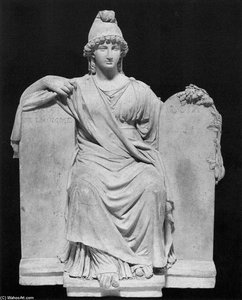
Isabel de Braganza, Queen of Spain


 詳細を見る
詳細を見る




P118B $10

P118H $10

P118W $10

P438Z $10

P508JH $12

P508YH $12

P805H $10

P805Z $10

P919BZ $10

P919G $10

P919XJ $10

P959ZH $10

P968JZ $12

W106C $8

W218G $10

W218JH $8

W218Y $10

W307PJ $10

W316G $10

W316PJ $8

W316Y $10

W398PJ $8

W4111J $10

W500HY $15

W500JH $15

W692G $12

W849H $8

W940BG $15

W953PJ $8




作品のオリジナル比率に合わせた、当店の規定サイズからお選びください。

特定のフレームやスペースに合わせて、ご希望のサイズをご入力いただけます。選択されたサイズが元の画像の比率と異なる場合、アートワークをトリミングするか、手描きで要素を追加して絵画を拡張いたします。デジタルモックアップ を制作し、制作開始前にご確認(承認)をいただきます。
画面上のプレビューは、実際のトリミングや拡張を正確に反映しているものではありません。最終的な構図は、モックアップによってのみ正確にご確認いただけます。
カスタムサイズもご利用いただけますが、元の比率を維持するためには、あらかじめ用意されたリストからサイズを選択することをお勧めいたします。
ご注文後、ArtsDot.com チームより詳細な指示をお送りするとともに、仕上がりイメージ(モックアップ)をご提供いたします。


 ガラスオプションは、110cm未満のサイズでのみご利用いただけます。

Isabel de Braganza, Queen of Spain
複製技法
複製画のサイズ
-


合計金額
$ 263
作品解説
The Echoes of Regal Grace: An Encounter with Neoclassical Majesty
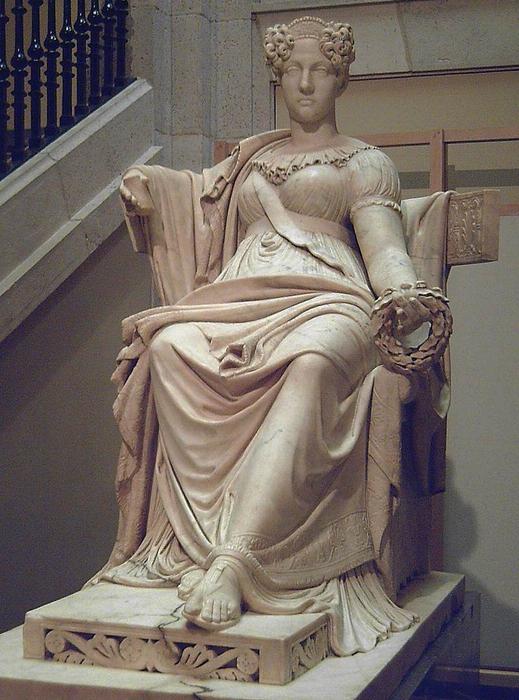
To stand before José Álvarez Cubero’s depiction of Isabel de Braganza, Queen of Spain, is to step across the threshold of time and into an era defined by idealized beauty and profound classical ideals. This sculpture is not merely a likeness; it is a carefully sculpted meditation on power, piety, and enduring feminine grace. The figure, seated with an air of serene authority, embodies the zenith of Neoclassical taste—a style that sought to recapture the perceived purity and perfection of ancient Greek and Roman artistry. One cannot help but feel the weight of history emanating from the cool, flawless marble, suggesting a lineage of queens whose virtues were meant to be immortalized in stone.
Mastery in Marble: Technique and Form
Cubero’s technical prowess is breathtakingly evident in every fold of drapery and every subtle curve of the posture. The artist, deeply influenced by the grand traditions established by masters like Antonio Canova, utilized marble not just as a material, but as an extension of his own vision. Observe how the sculptor has managed the texture; the stone appears impossibly smooth to the touch, capturing the diffused light that seems to bathe the figure in perpetual afternoon glow. The drapery falls with a naturalistic weight, creating deep, rhythmic shadows against planes of polished white—a masterful interplay between negative and positive space. This subtractive art form demands an almost unimaginable level of control, allowing Cubero to suggest volume and life within the cold permanence of stone.
Symbolism of Sovereignty and Virtue
The subject matter itself speaks volumes about the role of royalty in the early 19th century. Isabel de Braganza is presented not just as a queen, but as an archetype—a symbol of Spain’s enduring cultural heritage. The wreath adorning her head elevates her status beyond mere portraiture; it suggests divine favor or eternal commemoration. Symbolically, the piece speaks to the ideal balance between earthly power and spiritual virtue. It invites the viewer to contemplate what constitutes true nobility: is it lineage, or is it the quiet dignity reflected in a poised bearing?
Bringing Antiquity Home: Decorating with Timeless Art
For the discerning collector or interior designer, this reproduction offers an unparalleled opportunity to infuse a space with cultured gravitas. Imagine this sculpture gracing a grand foyer, lending an immediate air of cultivated history and sophisticated taste. Its classical lines harmonize effortlessly with both opulent Baroque settings and minimalist modern interiors, acting as a singular focal point that anchors the room in timeless elegance. Owning such a piece is not simply acquiring art; it is curating an atmosphere—a sanctuary imbued with the quiet majesty of historical portraiture.
関連作品

アーティストの略歴
José Álvarez Cubero: A Life in Neoclassical Sculpture
Early Life and Education
- Born: 23 April 1768, Priego de Córdoba, Spain.
- José Álvarez Cubero began his artistic journey as the son of a stonemason, displaying an early aptitude for drawing and modeling.
- He received formal training from the French sculptor Miguel Verdiguier in Cordova and later at the Academy of San Fernando in Madrid.
Career Development & Influences
- Royal Patronage: In 1799, King Charles IV awarded Cubero a pension to study art in Paris and Rome – pivotal cities for Neoclassical sculpture.
- Influences: While in these artistic hubs, he was profoundly influenced by the works of Antonio Canova, adopting and refining the principles of Neoclassicism.
- His early work demonstrated a growing mastery of anatomical detail and classical forms.
Major Works & Artistic Style
- “Ganymede” (1804): Executed in Paris, this sculpture brought Cubero immediate acclaim and established his reputation as a leading sculptor.
- “Antilochus and Memnon” (1818): Commissioned by Ferdinand VII, this marble group is considered one of his most successful works and now resides in the Museum of Madrid.
- Portrait Busts: He also created remarkable portrait busts of prominent figures like Ferdinand VII, Gioacchino Rossini, and the Duchess of Alba, noted for their vigor and fidelity.
- “The Defence of Zaragoza” (1823): A significant work depicting a heroic scene from Spanish history.
Political Challenges & Later Life
- Imprisonment: Cubero’s refusal to acknowledge Joseph Bonaparte as King of Spain led to his imprisonment in Rome, demonstrating his strong patriotic convictions.
- Following his release, he briefly worked for Napoleon I decorating the Quirinal Palace.
- Court Sculptor: In 1816, he was appointed court sculptor to Ferdinand VII, solidifying his position within Spanish artistic circles.
- Upon returning to Madrid, Cubero dedicated himself to teaching at the Academy of San Fernando.
Legacy & Historical Significance
- Mentorship: He mentored a new generation of Spanish sculptors, including Ponciano Ponzano, who became one of the most celebrated Neoclassical sculptors of his time.
- Neoclassical Contribution: Cubero played a crucial role in establishing and promoting Neoclassical sculpture in Spain, bridging the gap between Italian and Spanish artistic traditions.
- Death: José Álvarez Cubero died on 26 November 1827, in Madrid, leaving behind a legacy of refined craftsmanship and patriotic dedication.
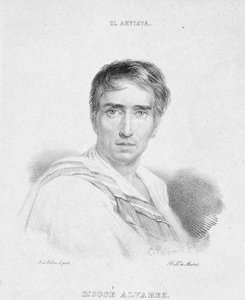
josé álvarez cubero
1768 - 1827 , Spain
基本情報
- Birth Date: 23 April 1768
- Birth Place: Priego de Córdoba, Spain
- Death Date: 26 November 1827
- Influenced: Ponciano Ponzano
- Influenced By: Miguel Verdiguier, Antonio Canova
- Movement: Neoclassical
- Name: José Álvarez Cubero
- Nationality: Spanish
- Notable Works:
- Ganymede
- The Defence of Zaragoza
- Antilochus and Memnon
関連記事
The Enduring Allure of Marble in Art History: From Classical Sculpture to Modern Abstraction
Explore the captivating history of marble sculpture from ancient Greece to modern art. Discover renowned artists like Canova & Michelangelo, carving techniques, and investment insights at ArtsDot.

Bronze Sculptures That Defined Art History | ArtsDot
Journey through art history with our Top 10 bronze sculptures! Explore masterpieces by Rodin, Michelangelo & more. Discover stories behind iconic statues and find museum-quality reproductions for your home decor at ArtsDot.com.

Bronze Age to Modern Masters: 10 Sculptures That Redefined Art | ArtsDot
Journey through art history with 10 legendary bronze sculptures – from Michelangelo's David to Rodin’s Thinker. Explore the stories, techniques & timeless beauty of these masterpieces. Find museum-quality reproductions & elevate your home decor on ArtsDot.com.
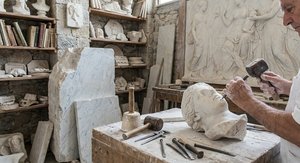
The Enduring Legacy of Marble: A Comprehensive Exploration of Technique, Symbolism & Artistic Expression
Explore the rich history of marble sculpture from antiquity to the Renaissance! Discover key techniques, influential artists & enduring themes in classical art. Expert insights for collectors and enthusiasts at ArtsDot.

The Enduring Form: Exploring Themes & Techniques in Sculpture Across Historical Periods
Explore the rich history of sculpture from ancient masterpieces to contemporary innovations. Discover key techniques, influential artists & investment potential for discerning art collectors.

