

 プレビュー
プレビュー
 プリントを購入
 シェアする
シェアする シェアする
シェアする
 詳細を見る
詳細を見る

 ダウンロード
 似ている作品
 X線調査
X線調査 スライドショー
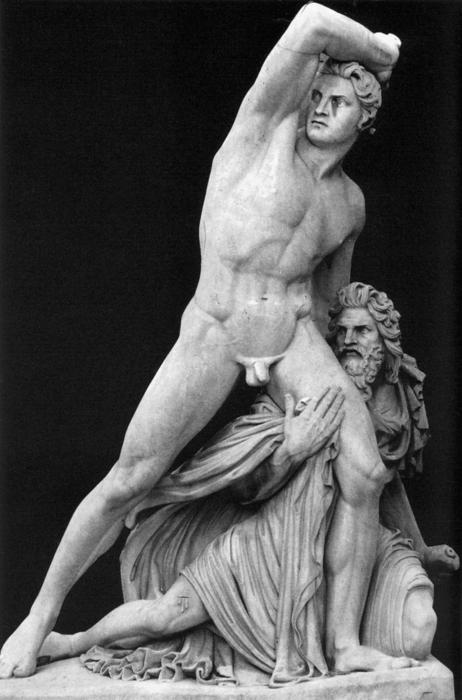
The Defence of Zaragoza
 Acrylic On Canvas
- WallArt
- Neoclassical
 1823
1823- 19th Century
 280.0 x 200.0 cm
 プラド美術館
 詳細を見る
詳細を見る




P118B $10

P118H $10

P118W $10

P438Z $10

P508JH $12

P508YH $12

P805H $10

P805Z $10

P919BZ $10

P919G $10

P919XJ $10

P959ZH $10

P968JZ $12

W106C $8

W218G $10

W218JH $8

W218Y $10

W307PJ $10

W316G $10

W316PJ $8

W316Y $10

W398PJ $8

W4111J $10

W500HY $15

W500JH $15

W692G $12

W849H $8

W940BG $15

W953PJ $8




作品のオリジナル比率に合わせた、当店の規定サイズからお選びください。

特定のフレームやスペースに合わせて、ご希望のサイズをご入力いただけます。選択されたサイズが元の画像の比率と異なる場合、アートワークをトリミングするか、手描きで要素を追加して絵画を拡張いたします。デジタルモックアップ を制作し、制作開始前にご確認(承認)をいただきます。
画面上のプレビューは、実際のトリミングや拡張を正確に反映しているものではありません。最終的な構図は、モックアップによってのみ正確にご確認いただけます。
カスタムサイズもご利用いただけますが、元の比率を維持するためには、あらかじめ用意されたリストからサイズを選択することをお勧めいたします。
ご注文後、ArtsDot.com チームより詳細な指示をお送りするとともに、仕上がりイメージ(モックアップ)をご提供いたします。


 ガラスオプションは、110cm未満のサイズでのみご利用いただけます。

The Defence of Zaragoza
複製技法
複製画のサイズ
-


合計金額
$ 288
作品解説
The Defence of Zaragoza: A Neoclassical Masterpiece by José Álvarez Cubero
“The Defence of Zaragoza,” sculpted in 1823 by the Spanish artist José Álvarez Cubero, is more than just a marble depiction; it’s a potent distillation of Neoclassical ideals and a poignant reflection on civic duty and heroic sacrifice. This monumental work, measuring an impressive 280 x 200 cm, captures a pivotal moment in Spanish history – the city's courageous defense against Napoleon’s forces during the Peninsular War. The sculpture immediately commands attention with its dramatic composition and meticulous execution, revealing the artist’s profound understanding of human anatomy and classical form.
Subject and Composition: A Dynamic Interplay
At the heart of the piece stands a powerfully rendered male figure, poised in dynamic action. His muscular physique and outstretched arm suggest an act of defense, perhaps a rallying cry or a decisive blow against the invading army. He is not simply a warrior; he embodies the spirit of resistance. Juxtaposed with this active protagonist is an older man, seated and observing him with a thoughtful expression – a father, a mentor, or perhaps a seasoned commander offering guidance. This pairing immediately establishes a narrative tension: the present struggle against the past, the youthful vigor of defense versus the wisdom of experience. The arrangement isn’t merely decorative; it's carefully constructed to evoke empathy and contemplation about the burdens of leadership and the sacrifices demanded by duty.
Technique and Style: Echoes of Canova
Álvarez Cubero’s mastery is evident in the incredibly detailed rendering of both figures. The sculptor skillfully employed the subtractive method, meticulously carving away marble to reveal the underlying form. The texture of the stone itself – the subtle veining and variations in tone – contributes significantly to the sculpture's realism and depth. A clear influence of Antonio Canova is discernible; Cubero’s ability to capture nuanced emotion through the positioning of hands, the curve of a shoulder, and the expression on the seated figure’s face demonstrates a similar sensitivity to human psychology. The work adheres strictly to Neoclassical principles: idealized forms, balanced composition, and a focus on portraying heroic virtues like courage, honor, and patriotism.
Historical Context and Symbolism
“The Defence of Zaragoza” was created during a turbulent period in Spanish history. The city’s resistance against Napoleon's invasion became a symbol of national resilience and the fight for independence. The sculpture, therefore, carries significant patriotic weight. Beyond its immediate historical reference, it speaks to broader themes of conflict, duty, and the enduring spirit of humanity. The seated figure, often interpreted as representing wisdom or experience, offers a counterpoint to the youthful energy of the active hero – suggesting that true strength lies not only in action but also in strategic thinking and moral guidance. The choice of marble itself—a durable and timeless material—underscores the sculpture’s intended legacy.
Emotional Impact and Legacy
“The Defence of Zaragoza” is a profoundly moving work, capable of eliciting a range of emotions – admiration for courage, empathy for sacrifice, and reflection on the complexities of leadership. The sculpture's dramatic lighting and powerful composition create a sense of immediacy, drawing the viewer into the scene and inviting them to contemplate the events depicted. It’s a testament to Cubero’s skill as an artist and his ability to capture not just physical likeness but also the essence of human experience. Today, reproductions of this masterpiece continue to resonate with audiences, serving as a reminder of Spain's rich history and the enduring values of courage, resilience, and civic responsibility.
関連作品

アーティストの略歴
José Álvarez Cubero: A Life in Neoclassical Sculpture
Early Life and Education
- Born: 23 April 1768, Priego de Córdoba, Spain.
- José Álvarez Cubero began his artistic journey as the son of a stonemason, displaying an early aptitude for drawing and modeling.
- He received formal training from the French sculptor Miguel Verdiguier in Cordova and later at the Academy of San Fernando in Madrid.
Career Development & Influences
- Royal Patronage: In 1799, King Charles IV awarded Cubero a pension to study art in Paris and Rome – pivotal cities for Neoclassical sculpture.
- Influences: While in these artistic hubs, he was profoundly influenced by the works of Antonio Canova, adopting and refining the principles of Neoclassicism.
- His early work demonstrated a growing mastery of anatomical detail and classical forms.
Major Works & Artistic Style
- “Ganymede” (1804): Executed in Paris, this sculpture brought Cubero immediate acclaim and established his reputation as a leading sculptor.
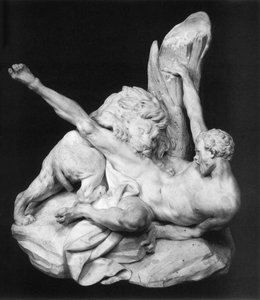
- “Antilochus and Memnon” (1818): Commissioned by Ferdinand VII, this marble group is considered one of his most successful works and now resides in the Museum of Madrid.
- Portrait Busts: He also created remarkable portrait busts of prominent figures like Ferdinand VII, Gioacchino Rossini, and the Duchess of Alba, noted for their vigor and fidelity.
- “The Defence of Zaragoza” (1823): A significant work depicting a heroic scene from Spanish history.
Political Challenges & Later Life
- Imprisonment: Cubero’s refusal to acknowledge Joseph Bonaparte as King of Spain led to his imprisonment in Rome, demonstrating his strong patriotic convictions.
- Following his release, he briefly worked for Napoleon I decorating the Quirinal Palace.
- Court Sculptor: In 1816, he was appointed court sculptor to Ferdinand VII, solidifying his position within Spanish artistic circles.
- Upon returning to Madrid, Cubero dedicated himself to teaching at the Academy of San Fernando.
Legacy & Historical Significance
- Mentorship: He mentored a new generation of Spanish sculptors, including Ponciano Ponzano, who became one of the most celebrated Neoclassical sculptors of his time.
- Neoclassical Contribution: Cubero played a crucial role in establishing and promoting Neoclassical sculpture in Spain, bridging the gap between Italian and Spanish artistic traditions.
- Death: José Álvarez Cubero died on 26 November 1827, in Madrid, leaving behind a legacy of refined craftsmanship and patriotic dedication.
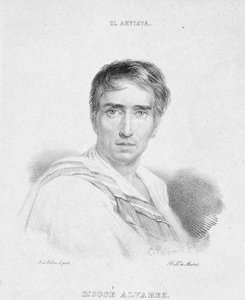
josé álvarez cubero
1768 - 1827 , Spain
基本情報
- Birth Date: 23 April 1768
- Birth Place: Priego de Córdoba, Spain
- Death Date: 26 November 1827
- Influenced: Ponciano Ponzano
- Influenced By: Miguel Verdiguier, Antonio Canova
- Movement: Neoclassical
- Name: José Álvarez Cubero
- Nationality: Spanish
- Notable Works:
- Ganymede
- The Defence of Zaragoza
- Antilochus and Memnon
関連記事

Bronze Age to Modern Masters: 10 Sculptures That Redefined Art | ArtsDot
Journey through art history with 10 legendary bronze sculptures – from Michelangelo's David to Rodin’s Thinker. Explore the stories, techniques & timeless beauty of these masterpieces. Find museum-quality reproductions & elevate your home decor on ArtsDot.com.

Bronze Sculptures That Defined Art History | ArtsDot
Journey through art history with our Top 10 bronze sculptures! Explore masterpieces by Rodin, Michelangelo & more. Discover stories behind iconic statues and find museum-quality reproductions for your home decor at ArtsDot.com.

The Enduring Legacy of Bronze: A Historical & Artistic Exploration for the Collector
Explore the rich history & enduring appeal of bronze sculpture with expert insights for collectors at ArtsDot. Learn about casting techniques, iconic artists, collecting tips & contemporary interpretations.
The Enduring Legacy of Bronze: History, Technique & Artistic Expression for the Collector
Explore the rich history & enduring appeal of bronze sculpture with expert insights for collectors at ArtsDot. Learn about casting techniques, iconic artists, and collecting tips.

The Enduring Legacy of Bronze Sculpture: A Collector's Guide to Form & Cultural Significance
Explore the rich history & enduring appeal of bronze sculpture with expert insights for collectors at ArtsDot. Learn about casting techniques, iconic artists, and collecting tips to build a discerning art collection.

