

 プレビュー
プレビュー
 プリントを購入
 シェアする
シェアする シェアする
シェアする
 詳細を見る
詳細を見る

 ダウンロード
 似ている作品
 X線調査
X線調査 スライドショー
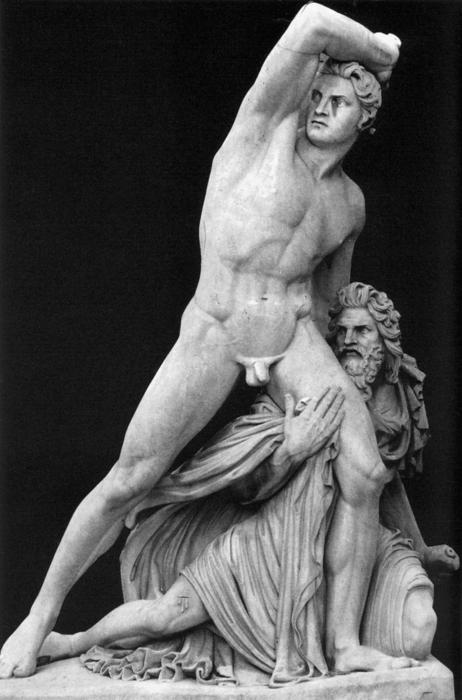
The Defence of Zaragoza
 Acrylic On Canvas
- WallArt
- Neoclassical
 1823
1823- 19th Century
 280.0 x 200.0 cm
 プラド美術館
 詳細を見る
詳細を見る
オンラインプレビューをはるかに凌ぐ、高解像度で鮮明なデジタル画像をご購入いただけます。
各ファイルは、社内の専門家が高度なツールと熟練した手作業によるレタッチを用いて、細心の注意を払って準備されています。すべての画像において、卓越した鮮明度、正確な色彩再現性、そして繊細なディテールを保証いたします。
最終ファイルは、プロフェッショナルな編集・印刷環境ですぐにご利用いただけるよう最適化された状態で、72時間以内にメールにてお届けいたします。これは、一流のデザインスタジオ、出版社、ギャラリーから信頼されているものと同等の品質です。
デジタル画像のご注文に付随する特典
高品質なデジタル画像配信を、確かな品質で。
ArtsDot.com を選ぶことは、単に画像を手に入れることではありません。それは、プロの手によって精密に仕上げられ、満足保証が付いた高品質なデジタルアートワークを受け取ることを意味します。ご注文いただいた際に自動的に付随する内容は、以下の通りです:

メールですぐにお届け
ご注文から72時間以内に、高解像度のデジタル画像ファイルがメールでお手元に届きます。すぐにそのままご利用いただけます。

AI技術で最適化されたデジタルファイル
お客様の作品は、高度なAIツールと専門家による手作業の編集を組み合わせてプロフェッショナルに最適化されており、細部のディテール、鮮明さ、そして正確な色再現性を最大限に引き出しています。

一生涯無料の再送サービス
ファイルを誤って削除したり、紛失してしまったりしましたか?ご安心ください。いつでも無料で再送いたします。

輸入手数料は一切かかりません
関税や手数料、配送料を気にすることなく、お気に入りのアートワークをすぐにお楽しみいただけます。デジタルダウンロードは常に免税です。

色彩再現の保証
プロ仕様のツールとカラーマネジメント技術を用いることで、デジタル画像が元の色を最大限に忠実に再現することを保証いたします。

60日間満足保証
ご購入いただいたデジタル画像にご満足いただけない場合は、60日以内であれば、修正または100%の返金(理由を問う必要はありません)をさせていただきます。

100% 返金保証
ご満足いただけない場合は、デジタルファイルを受け取ってから60日以内であれば、理由を問わず全額返金いたします。

まとめ買い割引
3枚購入で10%OFF - 5枚購入で15%OFF - 10枚以上購入で20%OFF。クリエイティブなプロジェクト、ギャラリー、エージェンシーに最適です。
作品の詳細
The Defence of Zaragoza: A Neoclassical Masterpiece by José Álvarez Cubero
“The Defence of Zaragoza,” sculpted in 1823 by the Spanish artist José Álvarez Cubero, is more than just a marble depiction; it’s a potent distillation of Neoclassical ideals and a poignant reflection on civic duty and heroic sacrifice. This monumental work, measuring an impressive 280 x 200 cm, captures a pivotal moment in Spanish history – the city's courageous defense against Napoleon’s forces during the Peninsular War. The sculpture immediately commands attention with its dramatic composition and meticulous execution, revealing the artist’s profound understanding of human anatomy and classical form.
Subject and Composition: A Dynamic Interplay
At the heart of the piece stands a powerfully rendered male figure, poised in dynamic action. His muscular physique and outstretched arm suggest an act of defense, perhaps a rallying cry or a decisive blow against the invading army. He is not simply a warrior; he embodies the spirit of resistance. Juxtaposed with this active protagonist is an older man, seated and observing him with a thoughtful expression – a father, a mentor, or perhaps a seasoned commander offering guidance. This pairing immediately establishes a narrative tension: the present struggle against the past, the youthful vigor of defense versus the wisdom of experience. The arrangement isn’t merely decorative; it's carefully constructed to evoke empathy and contemplation about the burdens of leadership and the sacrifices demanded by duty.
Technique and Style: Echoes of Canova
Álvarez Cubero’s mastery is evident in the incredibly detailed rendering of both figures. The sculptor skillfully employed the subtractive method, meticulously carving away marble to reveal the underlying form. The texture of the stone itself – the subtle veining and variations in tone – contributes significantly to the sculpture's realism and depth. A clear influence of Antonio Canova is discernible; Cubero’s ability to capture nuanced emotion through the positioning of hands, the curve of a shoulder, and the expression on the seated figure’s face demonstrates a similar sensitivity to human psychology. The work adheres strictly to Neoclassical principles: idealized forms, balanced composition, and a focus on portraying heroic virtues like courage, honor, and patriotism.
Historical Context and Symbolism
“The Defence of Zaragoza” was created during a turbulent period in Spanish history. The city’s resistance against Napoleon's invasion became a symbol of national resilience and the fight for independence. The sculpture, therefore, carries significant patriotic weight. Beyond its immediate historical reference, it speaks to broader themes of conflict, duty, and the enduring spirit of humanity. The seated figure, often interpreted as representing wisdom or experience, offers a counterpoint to the youthful energy of the active hero – suggesting that true strength lies not only in action but also in strategic thinking and moral guidance. The choice of marble itself—a durable and timeless material—underscores the sculpture’s intended legacy.
Emotional Impact and Legacy
“The Defence of Zaragoza” is a profoundly moving work, capable of eliciting a range of emotions – admiration for courage, empathy for sacrifice, and reflection on the complexities of leadership. The sculpture's dramatic lighting and powerful composition create a sense of immediacy, drawing the viewer into the scene and inviting them to contemplate the events depicted. It’s a testament to Cubero’s skill as an artist and his ability to capture not just physical likeness but also the essence of human experience. Today, reproductions of this masterpiece continue to resonate with audiences, serving as a reminder of Spain's rich history and the enduring values of courage, resilience, and civic responsibility.
関連作品
作家の略歴
José Álvarez Cubero: A Life in Neoclassical Sculpture
Early Life and Education
- Born: 23 April 1768, Priego de Córdoba, Spain.
- José Álvarez Cubero began his artistic journey as the son of a stonemason, displaying an early aptitude for drawing and modeling.
- He received formal training from the French sculptor Miguel Verdiguier in Cordova and later at the Academy of San Fernando in Madrid.
Career Development & Influences
- Royal Patronage: In 1799, King Charles IV awarded Cubero a pension to study art in Paris and Rome – pivotal cities for Neoclassical sculpture.
- Influences: While in these artistic hubs, he was profoundly influenced by the works of Antonio Canova, adopting and refining the principles of Neoclassicism.
- His early work demonstrated a growing mastery of anatomical detail and classical forms.
Major Works & Artistic Style
- “Ganymede” (1804): Executed in Paris, this sculpture brought Cubero immediate acclaim and established his reputation as a leading sculptor.
- “Antilochus and Memnon” (1818): Commissioned by Ferdinand VII, this marble group is considered one of his most successful works and now resides in the Museum of Madrid.
- Portrait Busts: He also created remarkable portrait busts of prominent figures like Ferdinand VII, Gioacchino Rossini, and the Duchess of Alba, noted for their vigor and fidelity.
- “The Defence of Zaragoza” (1823): A significant work depicting a heroic scene from Spanish history.
Political Challenges & Later Life
- Imprisonment: Cubero’s refusal to acknowledge Joseph Bonaparte as King of Spain led to his imprisonment in Rome, demonstrating his strong patriotic convictions.
- Following his release, he briefly worked for Napoleon I decorating the Quirinal Palace.
- Court Sculptor: In 1816, he was appointed court sculptor to Ferdinand VII, solidifying his position within Spanish artistic circles.
- Upon returning to Madrid, Cubero dedicated himself to teaching at the Academy of San Fernando.
Legacy & Historical Significance
- Mentorship: He mentored a new generation of Spanish sculptors, including Ponciano Ponzano, who became one of the most celebrated Neoclassical sculptors of his time.
- Neoclassical Contribution: Cubero played a crucial role in establishing and promoting Neoclassical sculpture in Spain, bridging the gap between Italian and Spanish artistic traditions.
- Death: José Álvarez Cubero died on 26 November 1827, in Madrid, leaving behind a legacy of refined craftsmanship and patriotic dedication.
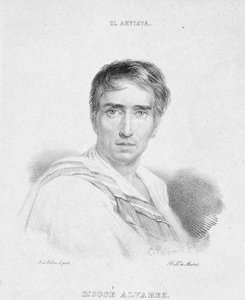
josé álvarez cubero
1768 - 1827 , Spain
プロフィール概要
- Birth Date: 23 April 1768
- Birth Place: Priego de Córdoba, Spain
- Death Date: 26 November 1827
- Influenced: Ponciano Ponzano
- Influenced By: Miguel Verdiguier, Antonio Canova
- Movement: Neoclassical
- Name: José Álvarez Cubero
- Nationality: Spanish
- Notable Works:
- Ganymede
- The Defence of Zaragoza
- Antilochus and Memnon

