

 プレビュー
プレビュー
 プリントを購入
 シェアする
シェアする シェアする
シェアする
 詳細を見る
詳細を見る

 ダウンロード
 似ている作品
 X線調査
X線調査 スライドショー
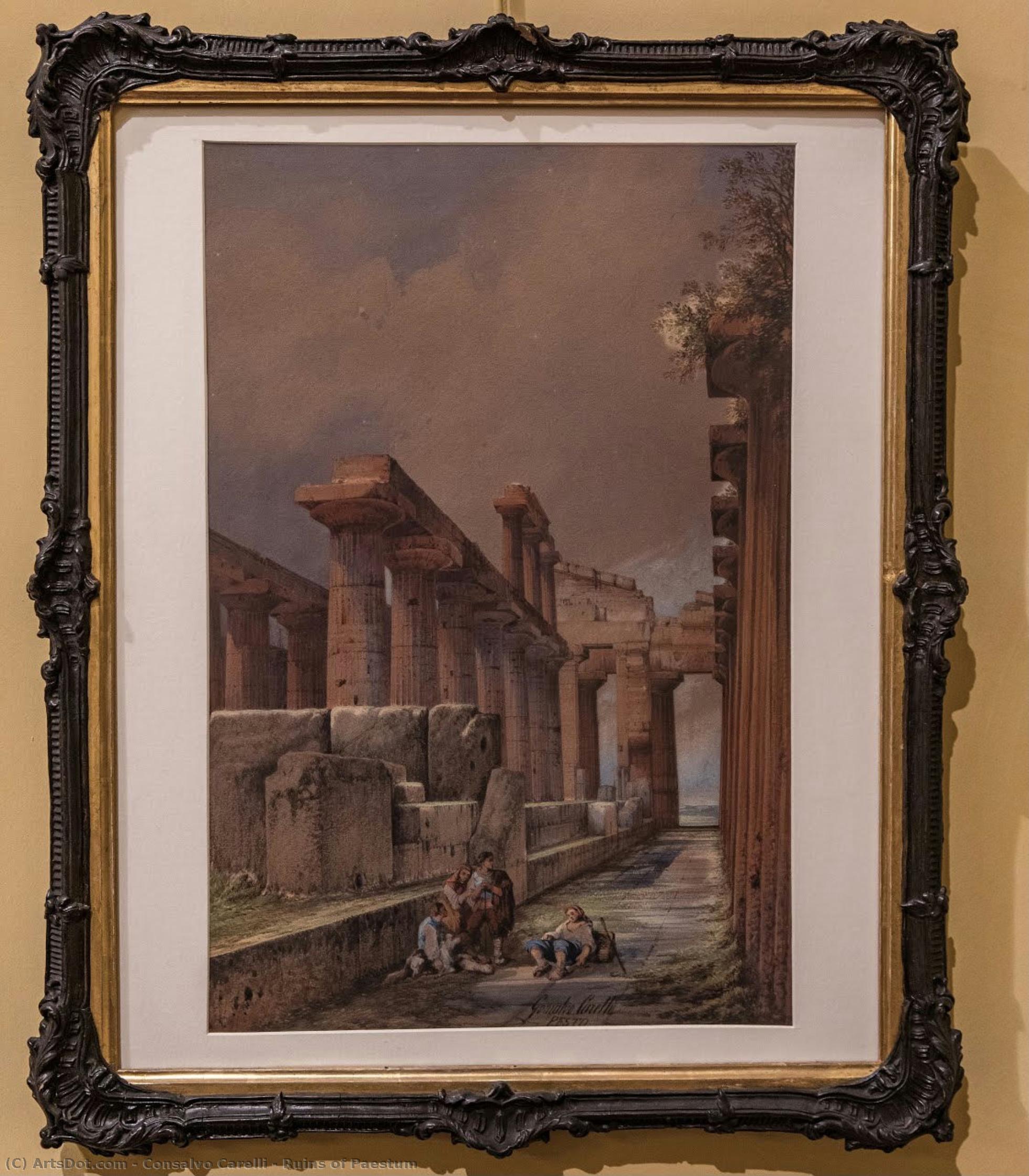
Ruins of Paestum


 詳細を見る
詳細を見る




































作品のオリジナル比率に合わせた、当店の規定サイズからお選びください。

特定のフレームやスペースに合わせて、ご希望のサイズをご入力いただけます。選択されたサイズが元の画像の比率と異なる場合、アートワークをトリミングするか、手描きで要素を追加して絵画を拡張いたします。デジタルモックアップ を制作し、制作開始前にご確認(承認)をいただきます。
画面上のプレビューは、実際のトリミングや拡張を正確に反映しているものではありません。最終的な構図は、モックアップによってのみ正確にご確認いただけます。
カスタムサイズもご利用いただけますが、元の比率を維持するためには、あらかじめ用意されたリストからサイズを選択することをお勧めいたします。
ご注文後、ArtsDot.com チームより詳細な指示をお送りするとともに、仕上がりイメージ(モックアップ)をご提供いたします。


 ガラスオプションは、110cm未満のサイズでのみご利用いただけます。

Ruins of Paestum
複製技法
複製画のサイズ
-


合計金額
$ 338
関連作品
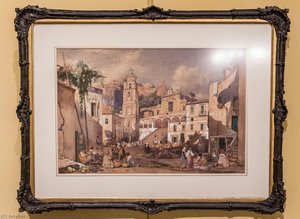
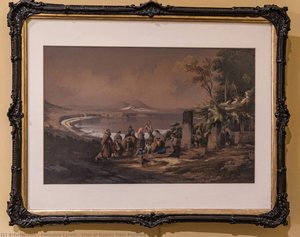
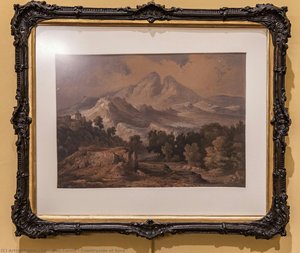
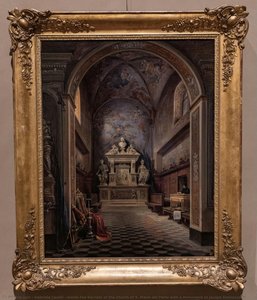
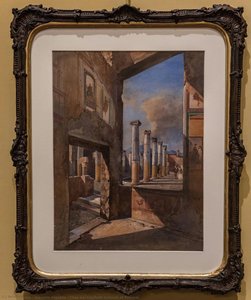
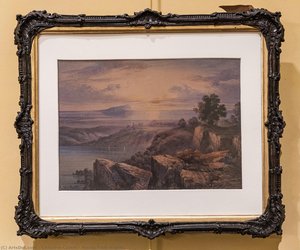
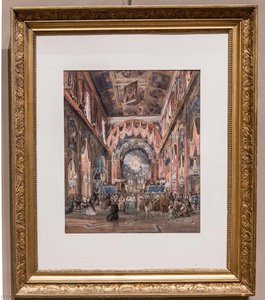
アーティストの略歴
Consalvo Carelli: A Neapolitan Master of Light and Landscape
Consalvo Carelli (1818-1900) stands as a pivotal figure within the School of Posillipo, an artistic movement deeply rooted in the vibrant landscapes and cultural traditions of Naples. More than just a painter, he was a keen observer of his surroundings, capturing the essence of Southern Italy with a masterful blend of Romanticism and Neapolitan realism. His work offers a poignant glimpse into a bygone era, revealing not only breathtaking vistas but also the quiet dignity and everyday lives of its people.
Born in Naples on March 29th, 1818, Consalvo’s artistic lineage was intrinsically linked to the School of Posillipo. His father, Raffaele Carelli, a prominent member of this influential group, had migrated from Apulia and established a strong foundation for his son's future endeavors. This connection provided Consalvo with early exposure to the movement’s core tenets: an emphasis on capturing the fleeting effects of light, a deep appreciation for local color, and a commitment to portraying the beauty of the Italian countryside. He received formal training at the French Academy in Rome in 1837, a common path for aspiring artists seeking to hone their skills within the established artistic circles of Europe.
Carelli’s early career saw him traveling extensively throughout Italy and beyond. He spent three years in Paris (1841-1843), where he gained recognition as a landscape painter, absorbing influences from the Romantic tradition while simultaneously developing his own distinct style. Notably, he contributed illustrations to Alexandre Dumas' travel journal, showcasing his ability to capture both grand vistas and intimate details. His patronage extended across European aristocracy – French, English, and Russian – reflecting the growing demand for Italian landscapes amongst wealthy collectors eager to adorn their homes with pieces that evoked the romance of the Mediterranean.
The School of Posillipo: A Synthesis of Realism and Romanticism
The School of Posillipo, which flourished in Naples during the 19th century, represented a unique artistic synthesis. Rejecting the rigid formality of Neoclassicism, its artists sought to capture the immediacy of experience, prioritizing observation and emotional response over idealized representation. Key characteristics included a focus on atmospheric effects – particularly the interplay of light and shadow – a vibrant use of color, and an interest in portraying everyday life within the Italian landscape. Carelli’s work exemplifies these principles perfectly; his paintings are not merely depictions of scenery but rather imbued with a palpable sense of atmosphere and emotion.
Influenced by artists like Gaspar Montefeltro and Francesco La Tour, Carelli developed a distinctive technique characterized by loose brushwork, broken color, and a remarkable sensitivity to light. He was particularly adept at capturing the hazy, atmospheric conditions that frequently enveloped the Neapolitan countryside – a skill that contributed significantly to the dreamlike quality of many of his works. His compositions often feature dramatic diagonals and carefully orchestrated perspectives, drawing the viewer into the heart of the scene.
Notable Works and Themes
Carelli’s oeuvre is rich in diverse subjects, ranging from grand landscapes to intimate portraits. Among his most celebrated paintings are depictions of iconic Neapolitan landmarks such as the Ruins of Paestum (1864), a watercolor that masterfully captures the crumbling grandeur of ancient Roman ruins bathed in the golden light of the afternoon sun. His series of “Goat Herders in a Neapolitan Landscape” (circa 1850s) offers a poignant glimpse into rural life, portraying shepherds and their flocks against the backdrop of rolling hills and cypress trees. These works are characterized by their subtle color palette, evocative brushwork, and a deep understanding of human psychology.
Beyond landscapes, Carelli also produced numerous portraits, often depicting members of the European aristocracy who sought his services as a court painter. These portraits reveal a keen eye for detail and an ability to capture the personality and character of his subjects. His work demonstrates a remarkable versatility, showcasing his mastery across a range of genres.
Legacy and Recognition
Consalvo Carelli’s contribution to Italian art is significant, solidifying his place as a key figure within the School of Posillipo. His paintings continue to be exhibited in museums and private collections worldwide, attracting considerable attention for their beauty, emotional depth, and historical significance. In 2016, after being stolen from Italy in 2001, one of Carelli’s paintings – a depiction of the Ruins of Paestum – was returned to its homeland by the United States government, a testament to the enduring value of his work.
His legacy extends beyond individual artworks; he represents a crucial link between the artistic traditions of Italy and Europe. Through his evocative landscapes and portraits, Consalvo Carelli offers a timeless celebration of beauty, light, and the spirit of Southern Italy – a region that continues to captivate artists and viewers alike.
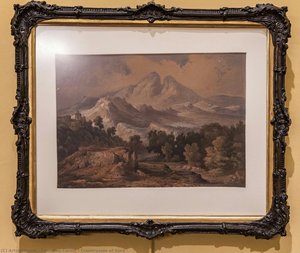
consalvo carelli
1818 - 1900
基本情報
- Artistic Movement Or Style: School of Posillipo
- Artists Or Movements Influenced By This Artist: ['Wilhelm Jakob Huber']
- Artists Who Influenced This Artist: ['Raffaele Carelli']
- Date Of Birth: March 29, 1818
- Date Of Death: December 2, 1900
- Full Name: Consalvo Carelli
- Nationality: Italian
- Notable Artworks:
- Ruins of Paestum
- Goat herders...
- Nisida from Naples
- Place Of Birth: Naples, Italy
関連記事

Watercolor Wonders: 10 Masterpieces That Redefined Art History | ArtsDot
Journey through 10 legendary watercolor masterpieces by Sargent, Turner & Homer! Explore iconic landscapes, portraits & floral art that redefined history. Find museum-quality reproductions and curated decor ideas at ArtsDot.com.

Ephemeral Visions: Exploring the Artistic Legacy & Contemporary Practice of Watercolor Painting
Explore the captivating world of watercolor painting! Discover its rich history, essential techniques, influential artists & collecting tips. A comprehensive guide for art enthusiasts from ArtsDot.

Ephemeral Visions: Exploring the History & Emotional Resonance of Watercolor Painting
Explore the captivating history of watercolor painting, from ancient techniques to modern masters like Kandinsky & Blake. Discover essential artists, collecting tips & the emotional power of this luminous medium. Expert insights for art enthusiasts.

Ephemeral Visions: Exploring the Artistic Legacy & Nuances of Watercolor Painting
Explore the captivating world of watercolor painting! Discover its rich history, essential techniques, influential artists & collecting tips from art experts. A comprehensive guide for enthusiasts.

水彩の永続的な魅力:歴史、技法、そして現代の実践
水彩画の歴史、技法、現代の実践を深く探求。巨匠たちの名画から初心者向けテクニックまで解説。ArtsDot.comでは高品質な複製画やカスタムポートレートをご提供します。アートコンサルテーションも受付中。

