

 プレビュー
プレビュー
 プリントを購入
 シェアする
シェアする シェアする
シェアする
 詳細を見る
詳細を見る

 ダウンロード
 似ている作品
 X線調査
X線調査 スライドショー
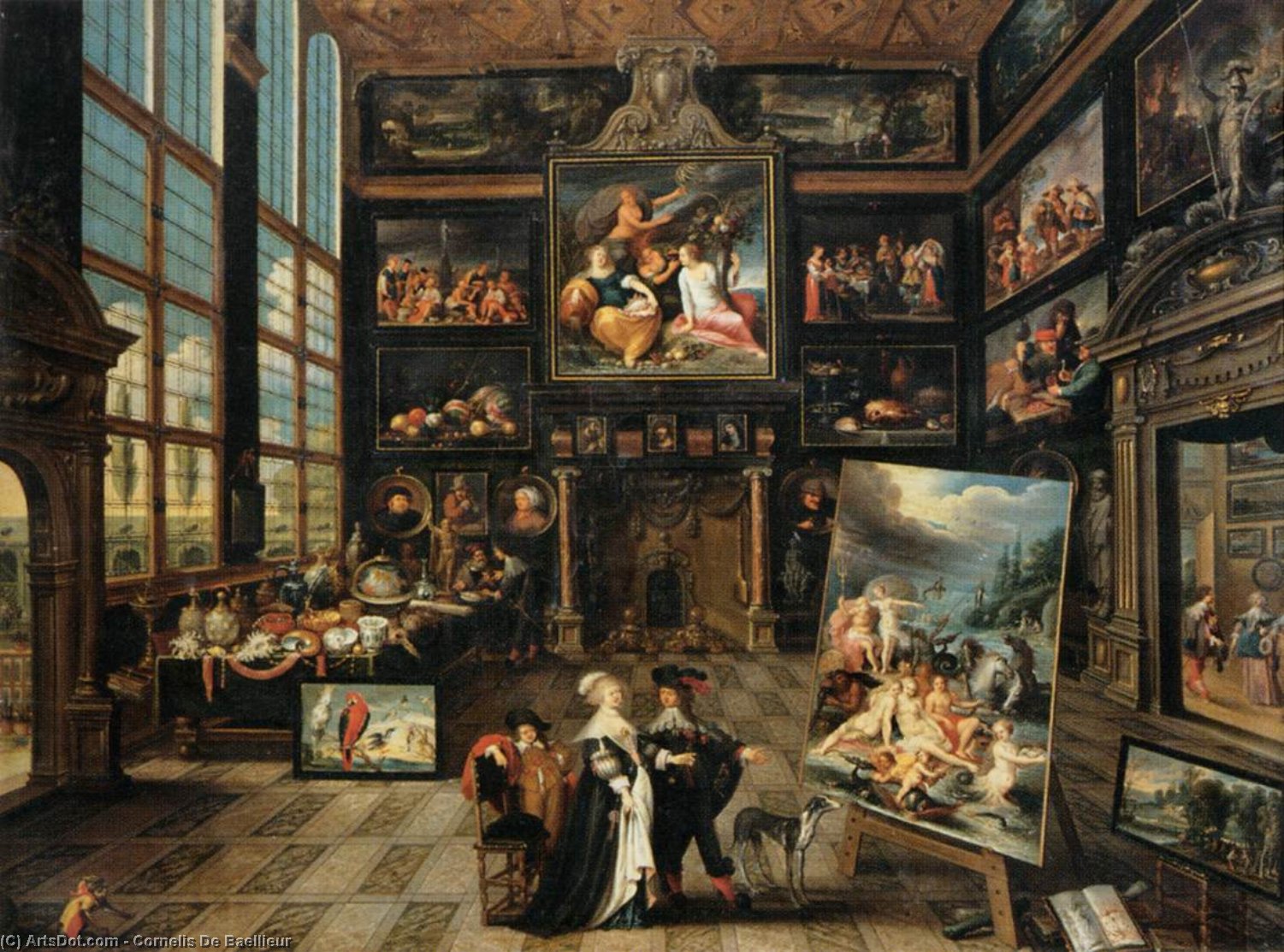
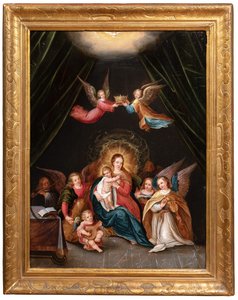
Interior of a Collector's Gallery of Paintings and Objets d'Art
 Oil On Canvas
- WallArt
- Baroque
 1637
1637- Early Modern
 93.0 x 123.0 cm
 ルーブル美術館
 詳細を見る
詳細を見る
オンラインプレビューをはるかに凌ぐ、高解像度で鮮明なデジタル画像をご購入いただけます。
各ファイルは、社内の専門家が高度なツールと熟練した手作業によるレタッチを用いて、細心の注意を払って準備されています。すべての画像において、卓越した鮮明度、正確な色彩再現性、そして繊細なディテールを保証いたします。
最終ファイルは、プロフェッショナルな編集・印刷環境ですぐにご利用いただけるよう最適化された状態で、72時間以内にメールにてお届けいたします。これは、一流のデザインスタジオ、出版社、ギャラリーから信頼されているものと同等の品質です。
デジタル画像のご注文に付随する特典
高品質なデジタル画像配信を、確かな品質で。
ArtsDot.com を選ぶことは、単に画像を手に入れることではありません。それは、プロの手によって精密に仕上げられ、満足保証が付いた高品質なデジタルアートワークを受け取ることを意味します。ご注文いただいた際に自動的に付随する内容は、以下の通りです:

メールですぐにお届け
ご注文から72時間以内に、高解像度のデジタル画像ファイルがメールでお手元に届きます。すぐにそのままご利用いただけます。

AI技術で最適化されたデジタルファイル
お客様の作品は、高度なAIツールと専門家による手作業の編集を組み合わせてプロフェッショナルに最適化されており、細部のディテール、鮮明さ、そして正確な色再現性を最大限に引き出しています。

一生涯無料の再送サービス
ファイルを誤って削除したり、紛失してしまったりしましたか?ご安心ください。いつでも無料で再送いたします。

輸入手数料は一切かかりません
関税や手数料、配送料を気にすることなく、お気に入りのアートワークをすぐにお楽しみいただけます。デジタルダウンロードは常に免税です。

色彩再現の保証
プロ仕様のツールとカラーマネジメント技術を用いることで、デジタル画像が元の色を最大限に忠実に再現することを保証いたします。

60日間満足保証
ご購入いただいたデジタル画像にご満足いただけない場合は、60日以内であれば、修正または100%の返金(理由を問う必要はありません)をさせていただきます。

100% 返金保証
ご満足いただけない場合は、デジタルファイルを受け取ってから60日以内であれば、理由を問わず全額返金いたします。

まとめ買い割引
3枚購入で10%OFF - 5枚購入で15%OFF - 10枚以上購入で20%OFF。クリエイティブなプロジェクト、ギャラリー、エージェンシーに最適です。
A Grand Assemblage of Culture and Commerce
To stand before Cornelis de Baellieur’s Interior of a Collector's Gallery of Paintings and Objets d'Art is to step directly into the opulent, intellectual heart of 17th-century Antwerp. This painting is not merely a depiction of a room; it is a meticulously curated vision of patronage, wealth, and the profound human devotion to beauty. The scene unfolds with an almost overwhelming sense of abundance—a veritable treasury where art itself seems to breathe. One’s eye is immediately drawn into the layered complexity, navigating past canvases depicting classical myths and intimate genre scenes, all housed within walls that whisper tales of connoisseurship.
Baroque Drama in Domestic Splendor
The style is unmistakably Baroque, a period characterized by drama, emotional intensity, and an almost theatrical sense of grandeur. De Baellieur masterfully employs light—a divine spotlight seemingly emanating from the window—to carve out dimension within what could otherwise be a flat expanse. This dramatic illumination casts deep shadows, lending palpable weight to every velvet drape, polished piece of furniture, and gilt frame. The composition itself is dynamic; while the architectural lines provide a sense of structure, the arrangement of figures and objects creates a vibrant, almost restless energy. It speaks to an era where art was not just decoration, but a central pillar of social identity.
Technique and Materiality: A Study in Detail
Examining the technique reveals the virtuosity of the Flemish masters. The painting appears executed in oil on canvas, allowing for both the smooth blending necessary to render skin tones and the sharp precision required to define the edges of countless decorative objects. Notice how the artist handles texture: the imagined sheen of polished wood contrasts with the matte surface of aged plaster, while the varied pigments capture the richness of silk and tapestry. The use of perspective, though somewhat flattened in a manner typical of the period’s grand interiors, successfully creates an illusion of deep, lived-in space, inviting the modern viewer to imagine themselves as one of the wealthy observers on the bench.
Symbolism: The Cult of Art
Beyond its visual splendor, this work is rich with symbolism. It celebrates the Enlightenment spirit before it was fully named—the moment when collecting became an intellectual pursuit. The gallery functions as a microcosm of human civilization’s appreciation for skill and narrative. The presence of the artist at work, observed by the affluent couple, underscores the relationship between creator and patron. It is a meditation on value: what makes something beautiful enough to be preserved, displayed, and endlessly admired? For the collector or designer today, this piece offers more than mere decoration; it suggests an entire lifestyle—one steeped in culture, learning, and exquisite taste.
Bringing the Salon Home
For those seeking to infuse a space with historical gravitas and artistic depth, a reproduction of this masterpiece serves as a powerful focal point. It anchors a room not just with its visual weight, but with its narrative resonance. Whether placed in a formal drawing-room or a sophisticated study, it transports the viewer into an atmosphere of cultivated leisure. It is an invitation to pause, observe, and contemplate the enduring power of human creativity.
関連作品



作家の略歴
The Master of the Antwerp Interior
To step into a canvas by Cornelis de Baellieur is to enter a world where the boundaries between reality and curated splendor dissolve. Born in the illustrious artistic hub of Antwerp in 1607, de Baellieur emerged during the golden age of the Flemish Baroque, a period defined by its dramatic light and unparalleled material richness. While history often reserves its most luminous spotlight for titans like Rubens or Brueghel, de Baellieur carved out a unique and vital niche. He was not merely a painter of scenes, but an architect of atmosphere, specializing in the intimate yet opulent environments of the 17th-century elite. His life, which spanned until 1671, was deeply rooted in the very soil of Antwerp, absorbing the city's pulse of commerce, culture, and connoisseurship.
His artistic journey began under the rigorous guidance of Antonis Liesaert, an apprenticeship that instilled in him a profound respect for foundational realism and compositional precision. This early training provided the technical scaffolding upon which he would later build his more complex, layered compositions. However, it was perhaps his time assisting Hans III Jordaens that truly expanded his horizons. In the collaborative workshops of Antwerp, de Baellieur learned the delicate dance of shared vision, observing how individual talents could coalesce to create grander, more intricate narratives. This experience with collaborative effort likely informed his later mastery of the "gallery painting," a genre that requires an artist to act as both painter and curator, managing a multitude of miniature subjects within a single, cohesive frame.
A Vision of Wealth and Wonder
De Baellieur’s oeuvre is most celebrated for its exquisite focus on genre scenes—specifically, the interiors of wealthy collectors' galleries. Unlike his contemporaries who sought to capture the epic scale of mythological battles or religious martyrdom, de Ba-ellieur found profound beauty in the quiet, intellectual pursuits of the upper class. His canvases serve as windows into the private sanctuaries of the era's most sophisticated patrons, spaces brimming with sculptures, tapestries, and precious objects. In works such as his Interior of a Collector's Gallery of Paintings and Objets d'Art, he does not simply depict a room; he orchestrates a symphony of textures and light.
The technical virtuosity on display in these works is nothing short of breathtaking. De Baellieur possessed an uncanny ability to manipulate oil paint to mimic the physical properties of the world around him. One can almost feel the cool, smooth surface of polished marble floors or the heavy, tactile weight of silk drapery cascading through a sunlit room. He utilized light as a narrative tool, employing a Baroque chiaroscuro effect where beams of sunlight seem to pierce through windows to illuminate specific treasures, casting deep, dramatic shadows that lend a sense of mystery and depth to the corners of the room. This interplay of light and shadow does more than create dimension; it directs the viewer's eye, guiding them through a labyrinth of cultural artifacts and inviting them to linger on the fine details of every gilt frame and porcelain figurine.
Legacy of the Flemish Baroque
The historical significance of Cornelis de Baellieur lies in his ability to capture the soul of an era. His paintings are vital historical documents that reflect the 17th-century obsession with connoisseurship and the accumulation of beauty as a symbol of social identity. Through his meticulous rendering of art within art, he celebrated the very concept of the collector, immortalizing the intellectual curiosity and economic power of the Antwerp merchant class. His work stands as a testament to a time when art was not merely an ornament but a central pillar of human civilization.
Though his name may not resonate with the same immediate thunder as the great masters of history painting, his contribution to the Flemish Baroque landscape is indispensable. He provided the intimate counterpoint to the grand narratives of his age, offering instead a more nuanced, detailed, and deeply human perspective on the pursuit of aesthetic perfection. Today, his works remain essential for understanding the social fabric of the Low Countries, reminding us that the true heart of culture often resides in the quiet, light-drenched corners of a private gallery.
Cornelis de Baellieur
1607 - 1671 , Belgium
プロフィール概要
- Artistic Movement Or Style: Baroque Painting
- Artists Or Movements Influenced By This Artist: Jan Brueghel the Elder
- Artists Who Influenced This Artist: Anthony Liesaert
- Date Of Birth: 1607 Antwerp Belgium
- Date Of Death: 1671 Antwerp Belgium
- Full Name: Cornelis de Baellieur
- Nationality: Flemish
- Notable Artworks:
- Interior of a Collector’s Gallery
- Gallery of a Collector
- Place Of Birth: Antwerp Netherlands

