

 プレビュー
プレビュー
 プリントを購入
 シェアする
シェアする シェアする
シェアする
 詳細を見る
詳細を見る

 ダウンロード
 似ている作品
 X線調査
X線調査 スライドショー
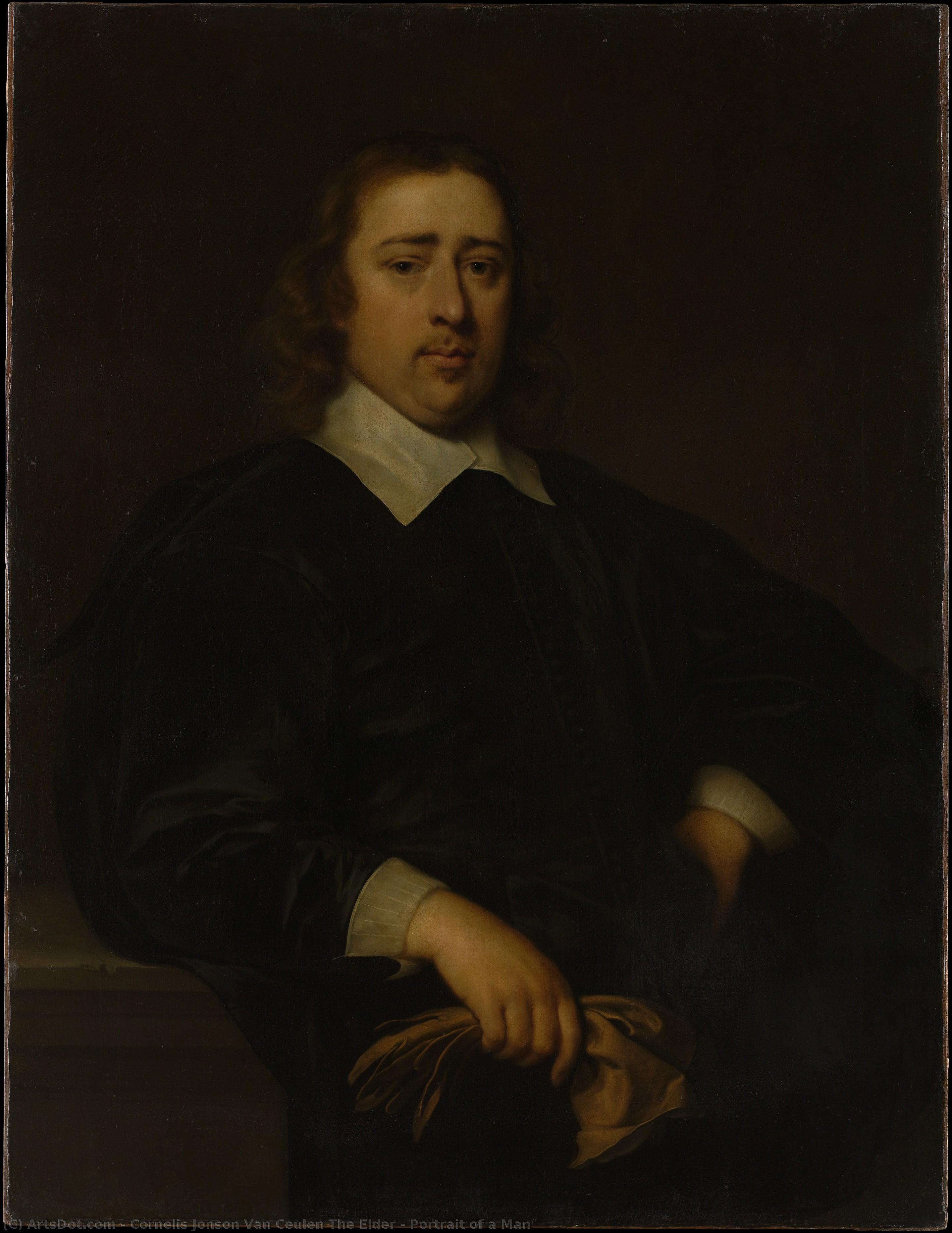
Portrait of a Man


 詳細を見る
詳細を見る




































作品のオリジナル比率に合わせた、当店の規定サイズからお選びください。

特定のフレームやスペースに合わせて、ご希望のサイズをご入力いただけます。選択されたサイズが元の画像の比率と異なる場合、アートワークをトリミングするか、手描きで要素を追加して絵画を拡張いたします。デジタルモックアップ を制作し、制作開始前にご確認(承認)をいただきます。
画面上のプレビューは、実際のトリミングや拡張を正確に反映しているものではありません。最終的な構図は、モックアップによってのみ正確にご確認いただけます。
カスタムサイズもご利用いただけますが、元の比率を維持するためには、あらかじめ用意されたリストからサイズを選択することをお勧めいたします。
ご注文後、ArtsDot.com チームより詳細な指示をお送りするとともに、仕上がりイメージ(モックアップ)をご提供いたします。


 ガラスオプションは、110cm未満のサイズでのみご利用いただけます。

Portrait of a Man
複製技法
複製画のサイズ
-


合計金額
$ 263
関連作品

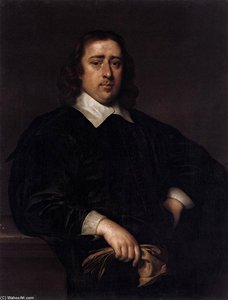

アーティストの略歴
Cornelis Jonson van Ceulen: The Quiet Master of Seventeenth-Century Portraiture
Cornelis Janssens van Ceulen, more commonly known as Cornelis Jonson (1593-1661), stands as a quietly significant figure in the history of English and Dutch portrait painting. Born into a family of Flemish/German immigrants seeking refuge from religious persecution in London, his life’s trajectory mirrored that of many artists of his era – a journey between continents, shaped by patronage, war, and evolving artistic tastes. While overshadowed by the brilliance of Anthony van Dyck, Jonson cultivated a distinctive style characterized by meticulous detail, understated elegance, and a remarkable sensitivity to characterization, making his portraits instantly recognizable even today.Early Life and Training
The exact details of Jonson’s early life remain somewhat elusive, shrouded in the typical gaps of historical records for artists of that period. Born in London around 1593 – though the precise date is uncertain – he was baptized at the Dutch Church at Austin Friars, a vibrant center of the Netherlandish community within the city. His family’s origins lay in Antwerp and Cologne, reflecting the diverse population drawn to England by religious freedom. It's believed that Jonson received his initial artistic training in the northern Netherlands, likely under the tutelage of established masters like Michiel Jansz. van Mierevelt, a connection that undoubtedly influenced his early style. This formative period instilled within him a deep appreciation for the Dutch tradition of portraiture – its emphasis on realism, careful observation, and a subtle understanding of human psychology.London Years: Establishing a Reputation
Around 1618, Jonson established himself as a professional portrait painter in London, quickly gaining recognition within the city’s elite circles. He catered to a diverse clientele – courtiers, landed gentry, and members of the burgeoning merchant class – capturing their likenesses with remarkable accuracy and a keen eye for detail. His early portraits are distinguished by their relatively low placement of the sitter's head within the frame, a stylistic choice that immediately draws attention to the face and creates an intimate connection between viewer and subject. During this period, Jonson’s work began to reflect the influence of Van Dyck, though he skillfully adapted these elements to his own unique vision, retaining a more restrained and understated approach. Notably, he became King Charles I's official “Picture-drawer” in 1632, a position that afforded him considerable prestige and access to some of the most prominent figures of the era.Migration to the Netherlands: A Shift in Style
The outbreak of the English Civil War in 1643 prompted Jonson’s relocation to the Dutch Republic. This move marked a significant turning point in his artistic career, as he transitioned from working primarily within the confines of the English court to serving a broader range of patrons across the Netherlands. Initially settling in Middelburg, he joined the local painters' guild and continued to produce portraits, adapting his style to suit the tastes of his new audience. Later, he moved to Amsterdam, The Hague, and finally Utrecht, where he spent his final years. During this period, Jonson’s work became increasingly influenced by Dutch artistic conventions, particularly in terms of background colors – often muted blues or greens – which provided a subtle yet effective contrast to the sitter's attire.Distinctive Style and Legacy
Jonson’s portraits are characterized by several key elements that distinguish them from those of his contemporaries. His meticulous attention to detail, particularly in rendering fabrics, jewelry, and lace collars, is legendary. He possessed a remarkable ability to capture the nuances of human expression, conveying not only outward appearance but also subtle emotions and inner character. The placement of the sitter’s head within the frame – often positioned low – creates an intimate and engaging portrait experience. Furthermore, Jonson's handling of the eyes—with their enlarged, rounded irises and deep, curved upper lids—is particularly distinctive and memorable. Despite being overshadowed by more flamboyant figures like Van Dyck during his lifetime, Jonson’s quiet elegance and understated realism have ensured that his work continues to be appreciated for its sensitivity, technical skill, and enduring appeal. His portraits offer a valuable glimpse into the lives and aspirations of 17th-century England and the Netherlands, solidifying his place as a significant, if often overlooked, master of portraiture.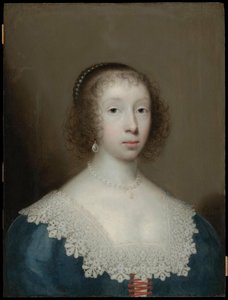
cornelis jonson van ceulen the elder
1593 - 1661 , Germany
基本情報
- Artistic Movement Or Style: Portraiture, Baroque
- Artists Or Movements Influenced By This Artist: ['Dutch Golden Age painting']
- Artists Who Influenced This Artist: ['Anthony van Dyck']
- Date Of Birth: 1593 Berlin, Germany
- Date Of Death: 1661 Utrecht, Netherlands
- Full Name: Cornelis Jonson van Ceulen
- Nationality: Dutch, Anglo-Flemish
- Notable Artworks:
- Portrait of a Man
- Various portraits of gentry
- Place Of Birth: Berlin, Germany
関連記事

Golden Age Reflections: Dutch Baroque Painting & Cultural Innovation
Explore the Dutch Golden Age of painting! Discover key artists like Vermeer & ter Borch, their innovative techniques, and the rich cultural context behind these Baroque masterpieces. Learn about collecting & appreciating this iconic art period.

黄金世紀の巨匠たち:バロック絵画が彩る10選|ArtsDot
オランダ黄金時代の10大傑作を紐解く!レンブラント、フェルメール…バロック絵画の魅力と時代背景を深く探求。ArtsDotで、至高のアートコレクションと空間演出のヒントを見つけよう。高品質なアートプリントで、お部屋を華やかに。

Dutch Baroque Masters: 10 Paintings That Shaped an Era | ArtsDot
Journey through the Golden Age with our guide to the Top 10 Dutch Baroque masterpieces! Explore iconic paintings by Rembrandt, Vermeer & Frans Hals. Find museum-quality art reproductions and elevate your home decor at ArtsDot.com.

Illuminating Innovation: Exploring the Dutch Golden Age of Painting
Explore the Dutch Golden Age of painting with ArtsDot. Discover Rembrandt, Vermeer & other Masters. Learn about key characteristics, iconic artworks, and lasting influence. Expert insights for collectors & enthusiasts.

Illuminating Realism: Exploring the Dutch Golden Age of Painting (1600-1700)
Explore the Dutch Golden Age of painting (1600-1700) with ArtsDot. Discover Rembrandt, Vermeer & other masters. Learn about techniques, history & find museum-quality reproductions.

