

 プレビュー
プレビュー
 プリントを購入
 シェアする
シェアする シェアする
シェアする
 詳細を見る
詳細を見る

 ダウンロード
 似ている作品
 X線調査
X線調査 スライドショー
PAYSAGE AUX CINQ BAIGNEUSES


 詳細を見る
詳細を見る




P118B $10

P118H $10

P118W $10

P438Z $10

P508JH $12

P508YH $12

P805H $10

P805Z $10

P919BZ $10

P919G $10

P919XJ $10

P959ZH $10

P968JZ $12

W106C $8

W218G $10

W218JH $8

W218Y $10

W307PJ $10

W316G $10

W316PJ $8

W316Y $10

W398PJ $8

W4111J $10

W500HY $15

W500JH $15

W692G $12

W849H $8

W940BG $15

W953PJ $8




作品のオリジナル比率に合わせた、当店の規定サイズからお選びください。

特定のフレームやスペースに合わせて、ご希望のサイズをご入力いただけます。選択されたサイズが元の画像の比率と異なる場合、アートワークをトリミングするか、手描きで要素を追加して絵画を拡張いたします。デジタルモックアップ を制作し、制作開始前にご確認(承認)をいただきます。
画面上のプレビューは、実際のトリミングや拡張を正確に反映しているものではありません。最終的な構図は、モックアップによってのみ正確にご確認いただけます。
カスタムサイズもご利用いただけますが、元の比率を維持するためには、あらかじめ用意されたリストからサイズを選択することをお勧めいたします。
ご注文後、ArtsDot.com チームより詳細な指示をお送りするとともに、仕上がりイメージ(モックアップ)をご提供いたします。


 ガラスオプションは、110cm未満のサイズでのみご利用いただけます。

PAYSAGE AUX CINQ BAIGNEUSES
複製技法
複製画のサイズ
-


合計金額
$ 338
作品解説
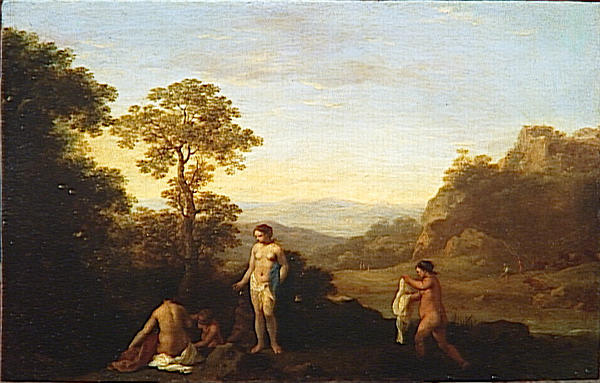
Cornelis van Poelenburch’s Paysage aux Cinq Baigneuses: A Symphony of Light and Myth
Paysage aux cinq baigneuses (Landscape with Five Bathers) by Cornelis van Poelenburch stands as a cornerstone of Dutch Baroque landscape painting, embodying the artistic fervor of its era while simultaneously reflecting profound humanist ideals. Executed around 1627-1630, this captivating oil on copper masterpiece transports viewers to an idealized Roman hillside bathed in warm sunlight—a scene steeped in mythological allusion and imbued with a palpable sense of serenity. More than just a depiction of scenery, it’s a carefully crafted meditation on beauty, pleasure, and the harmonious relationship between humanity and nature.- Subject Matter & Mythological Narrative: The painting portrays five nude figures—men and women—engaged in bathing amidst lush foliage and rocky outcrops. This imagery draws directly from classical mythology, specifically referencing scenes depicting nymphs and satyrs indulging in sensual pleasures within idyllic landscapes. Van Poelenburch’s deliberate choice of subject matter underscores the Renaissance preoccupation with humanist ideals – celebrating the human body as a vessel of beauty and intellect—and elevates the scene beyond mere visual representation into a symbolic exploration of desire and contemplation.
- Style & Artistic Influences: Van Poelenburch's style firmly establishes itself within the Baroque tradition, inheriting influences from Mannerism while forging its own distinctive path. The artist skillfully employs flattened perspective and subtly distorted forms—characteristic features of Mannerist painting—to heighten visual drama and create a sense of spatial ambiguity. However, unlike his Mannerist predecessors, Van Poelenburch prioritizes clarity and balance, achieving an equilibrium that reflects the Baroque’s fascination with grandeur and ornamentation.
- Technique & Composition: The artist's masterful technique is evident in the meticulous layering of oil paint—a hallmark of Baroque painting—to build up depth and texture. Light plays a crucial role in shaping the composition, emanating from an unseen source and casting soft shadows that delineate form and volume. Horizontal lines dominate the landscape elements—mountains and hills—creating a sense of stability and grandeur, while vertical lines define the figures’ postures and contribute to the overall balance.
- Color Palette & Emotional Impact: The painting's color palette is dominated by earthy tones—ochres, browns, and muted greens—harmoniously blended with splashes of gold and pale blues in the sky. These colors evoke a feeling of warmth and tranquility, mirroring the idyllic setting depicted. Van Poelenburch’s careful attention to detail—particularly in rendering skin tones and drapery folds—further enhances the painting's emotional impact, inviting viewers into a contemplative space where beauty and contemplation converge.
- Historical Context & Legacy: Produced during the early 17th century—a period marked by artistic innovation and intellectual ferment—Paysage aux Cinq Baigneuses exemplifies the burgeoning interest in Italianate landscapes within Dutch art circles. It stands as a testament to Van Poelenburch’s ability to synthesize classical influences with humanist sensibilities, securing his place among the foremost landscape painters of his time and establishing a lasting legacy for Baroque aesthetics.
Currently housed at Musée du Louvre, Salle 851, this artwork continues to inspire admiration for its masterful execution and profound symbolic resonance.
関連作品
アーティストの略歴
初期の生活と修行
コーネリス・ファン・ポーレンブルフは、1594年にオランダのユトレヒトで生まれた著名なオランダの風景画家でした。彼は当初、同時代の名高い芸術家であったアブラハム・ブロエマートのもとで修行を積みました。この基礎的な訓練が、ファン・ポーレンブルフの将来の成功の礎を築いたのです。芸術的キャリアと影響
17世紀初頭にローマを旅した経験は、彼の作品に計り知れない影響を与え、彼をイタリアで活躍した第一世代のオランダ風景画家を代表する存在へと押し上げました。しばしば聖書や神話の場面を描いた小さな人物像が彩る、イタリア風の風景画が特徴的な彼の小品は、その類まれなる様式美を今に伝えています。注目すべき作品:- ニンフを覗き見るサテュロス(1627年頃)は、人物が沐浴する古風な風景を描いた、ファン・ポーレンブルフの代表的な作品の一つです。(ArtsDotで閲覧)
- 神々の評議会(1630年頃)は、ファン・ポーレンブルフの理想化された丘陵風景とローマ風の女神たちが描かれた作品で、現在マウリツィス美術館(ハーグ、オランダ)に所蔵されています。(ArtsDotで閲覧)
遺産と晩年
ファン・ポーレンブルフの作品は、トスカーナ公やオランダの州知など、同時代の多くの人々に高く評価されました。その後、彼はユトレヒトに戻り、古い師であるアブラハム・ブロエマートから数年しか経たない1667年に息を引き取りました。要点:- 1594年、オランダのユトレヒトで誕生
- アブラハム・ブロエマートのもとで修行
- ローマでの経験に影響を受ける
- 人物を描いた小規模なイタリア風の風景画で知られる
- 1667年にユトレヒトで死去 ArtsDotでコーネリス・ファン・ポーレンブルフの作品を見る ウィキペディアでコーネリス・ファン・ポーレンブルフについてもっと学ぶ
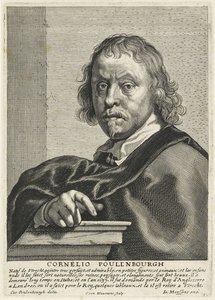
コーネリス・ファン・ポーレンブルフ
1594 - 1667 , オランダ
基本情報
- Artistic Movement Or Style: オランダ風景画、ローマ風
- Artists Or Movements Influenced By This Artist: ['クロード・ロレーン']
- Artists Who Influenced This Artist: ['アブラハム・ブロエマート']
- Date Of Birth: 1594年、ユトレヒト、オランダ
- Date Of Death: 1667年、ユトレヒト、オランダ
- Full Name: コルネリス・ファン・ポーレンブルフ
- Nationality: オランダ人
- Notable Artworks:
- ニンフを盗み見るサテュロス
- 神々の評議会
- Place Of Birth: ユトレヒト、オランダ
関連記事
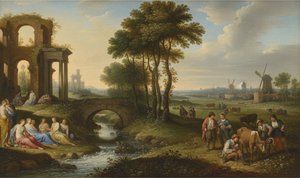
Cornelis van Poelenburch: Bridging Mannerism & the Dutch Baroque Landscape
Discover Cornelis van Poelenburch, a pivotal Dutch Baroque landscape painter bridging Mannerism & Italianate styles. Explore his life, key works, and lasting influence on 17th-century art with ArtsDot.
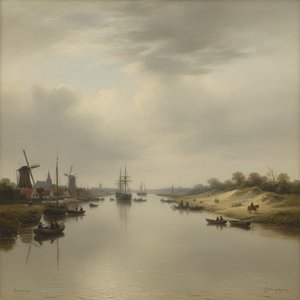
Jan van Goyen: Master of Dutch Landscape & Atmospheric Perspective
Discover Jan van Goyen, the master of Dutch landscape painting. Explore his subtle technique, atmospheric realism & lasting influence on art history. Learn about this 17th-century pioneer at ArtsDot.

レンブラント傑作25選:光と影の巨匠、魂を揺さぶる名画の世界 | ArtsDot
レンブラントの傑作25選。光と影の魔術師が描いた魂を揺さぶる名画の世界へ。美術史に残る自画像、夜警、宗教画…ArtsDotで高品質なアートプリントやインテリアアートをお楽しみください。コレクションはこちら→
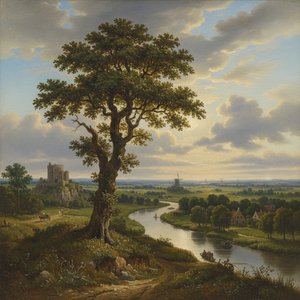
Jacob van Ruisdael: Master of Dutch Landscape & the Evocation of National Identity
Explore the life & work of Jacob van Ruisdael, the preeminent Dutch landscape painter. Discover his technical brilliance, symbolic depth, and lasting influence on art history. Learn about collecting Ruisdael's masterpieces.
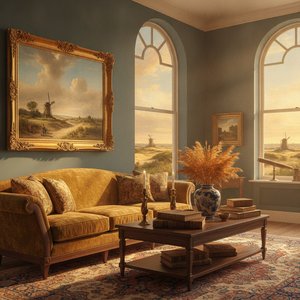
Golden Light & Dutch Skies: Bringing the Magic of Dutch Golden Age Landscapes into Your Home
Transform your home with the breathtaking light of Dutch Golden Age landscapes. Discover how hand-painted oil reproductions of masterworks like Ruisdael and Vermeer bring timeless elegance, atmosphere, and soulful texture to modern interiors. Elevate your space with museum-quality art.

