

 プレビュー
プレビュー
 プリントを購入
 シェアする
シェアする シェアする
シェアする
 詳細を見る
詳細を見る

 ダウンロード
 似ている作品
 X線調査
X線調査 スライドショー
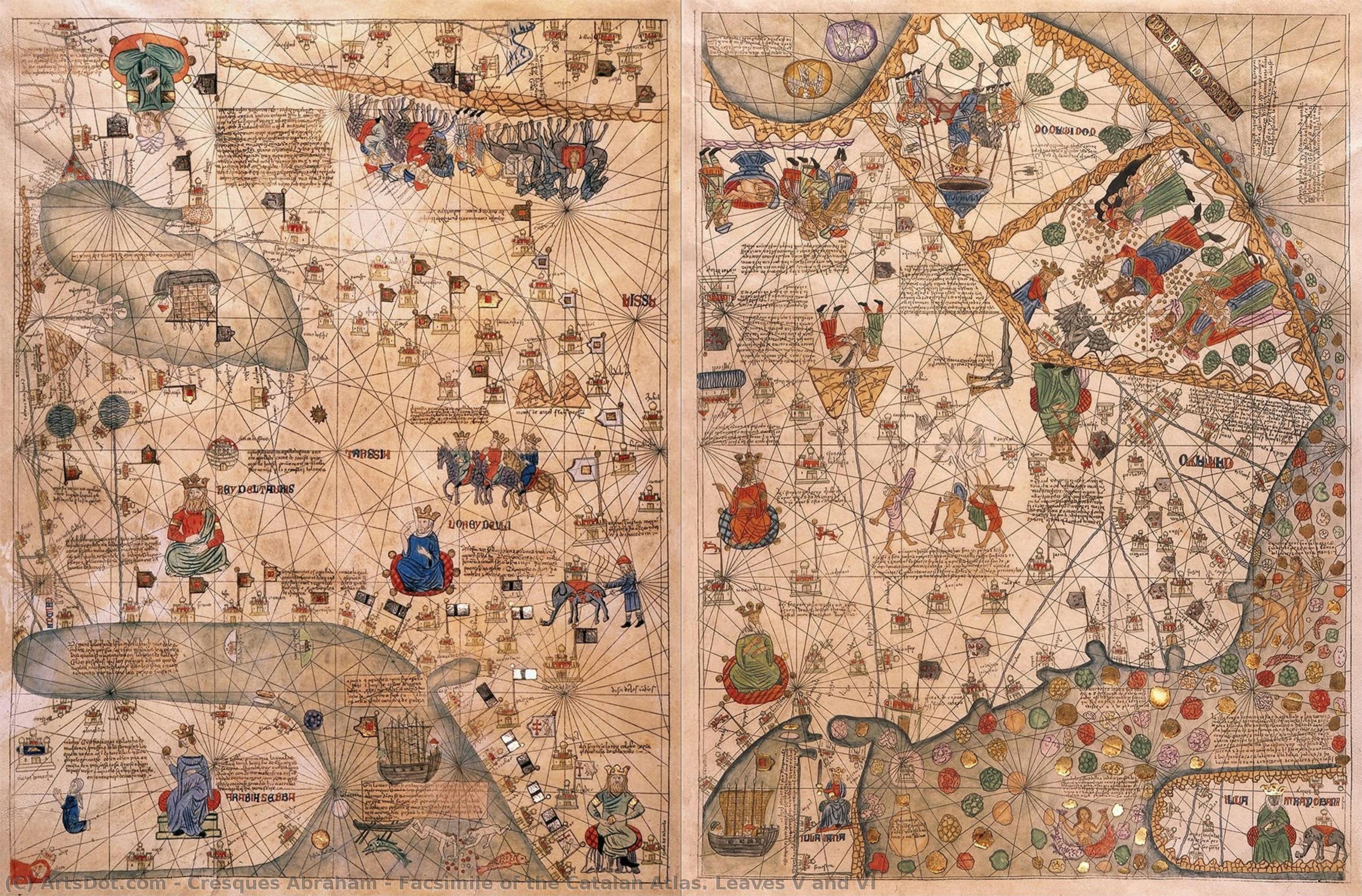
Facsimile of the Catalan Atlas. Leaves V and VI
 Parchment
- Medieval Cartography
 Late Medieval
 58.0 x 44.0 cm
 Maritime Museum of Barcelona
 詳細を見る
詳細を見る




P118B $10

P118H $10

P118W $10

P438Z $10

P508JH $12

P508YH $12

P805H $10

P805Z $10

P919BZ $10

P919G $10

P919XJ $10

P959ZH $10

P968JZ $12

W106C $8

W218G $10

W218JH $8

W218Y $10

W307PJ $10

W316G $10

W316PJ $8

W316Y $10

W398PJ $8

W4111J $10

W500HY $15

W500JH $15

W692G $12

W849H $8

W940BG $15

W953PJ $8




作品のオリジナル比率に合わせた、当店の規定サイズからお選びください。

特定のフレームやスペースに合わせて、ご希望のサイズをご入力いただけます。選択されたサイズが元の画像の比率と異なる場合、アートワークをトリミングするか、手描きで要素を追加して絵画を拡張いたします。デジタルモックアップ を制作し、制作開始前にご確認(承認)をいただきます。
画面上のプレビューは、実際のトリミングや拡張を正確に反映しているものではありません。最終的な構図は、モックアップによってのみ正確にご確認いただけます。
カスタムサイズもご利用いただけますが、元の比率を維持するためには、あらかじめ用意されたリストからサイズを選択することをお勧めいたします。
ご注文後、ArtsDot.com チームより詳細な指示をお送りするとともに、仕上がりイメージ(モックアップ)をご提供いたします。


 ガラスオプションは、110cm未満のサイズでのみご利用いただけます。

Facsimile of the Catalan Atlas. Leaves V and VI
複製技法
複製画のサイズ
-


合計金額
$ 263
A Window into the Medieval World
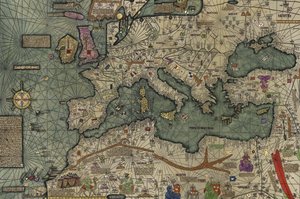
To gaze upon the Facsimile of the Catalan Atlas, Leaves V and VI, is to embark on a voyage through time, transported back to the golden age of maritime exploration. Created around 1375 by the master Jewish cartographer Abraham Cresques and his son Jehuda, this exquisite work represents the pinnacle of the Majorcan cartographic school. This particular facsimile captures the breathtaking essence of two large parchment sheets that serve not merely as maps, but as a vibrant encyclopedia of the known world. The artistry lies in its ability to blend scientific precision with a profound sense of wonder, presenting a Mediterranean and Atlantic landscape that is as much a work of art as it is a navigational tool.
The visual narrative unfolds across intricate illustrations where geography meets storytelling. As your eyes wander across the detailed contours of the Mediterranean region and the vast expanse of the Atlantic Ocean, you encounter a bustling world populated by diverse figures. These tiny, meticulously rendered people represent the myriad cultures, civilizations, and trade routes that defined the 14th century. The presence of these characters breathes life into the parchment, transforming a static map into a living tapestry of human endeavor, commerce, and cultural exchange.
Mastery of Line and Legend
The technique employed by the Cresques family showcases an unparalleled level of craftsmanship that remains awe-inspiring centuries later. Every line etched onto the surface speaks to the skill of the Majorcan school, where cartography was a delicate dance between astronomy, geography, and fine art. The use of color and detail on these parchment sheets creates a rich, textured experience, making each feature—from coastal inlets to distant landmasses—feel tangible and significant. For the discerning collector or interior designer, this piece offers a sophisticated layer of historical depth, providing a focal point that is both intellectually stimulating and visually captivating.
Beyond its geographical utility, the atlas is steeped in symbolism. It reflects the intellectual curiosity of the late Middle Ages, acting as a repository for zoological, political, and economic knowledge. The intricate details are not merely decorative; they are windows into the medieval mind, illustrating how humanity perceived its place within the vast, mysterious oceans. Owning a reproduction of such a monumental historical artifact allows one to bring the spirit of discovery into a modern space, evoking a sense of timelessness and global connection.
An Elegant Addition to Sophisticated Interiors
For those looking to curate an environment of distinction, this facsimile serves as an extraordinary centerpiece. Its warm, aged tones and complex compositions harmonize beautifully with classical, rustic, or even contemporary minimalist decors. It provides a conversation piece that invites contemplation, drawing guests into the rich history of the Crown of Aragon and the legacy of Jewish cartography. Whether placed in a private library, a grand study, or an elegant living area, the Catalan Atlas brings with it an aura of prestige and an enduring passion for the spirit of exploration.
関連作品
アーティストの略歴
Early Life and Origins
- Name: Cresques Abraham (his given name was actually Cresques, Abraham being his father's name)
- Alternative Names: Eliça, son of Rabbi Abraham
- Born: Palma de Mallorca, Spain, circa 1325
- Died: 1387
- Background: Cresques was born into a Jewish family in Majorca, then part of the Crown of Aragon. His grandfather, Vidal Cresques, was a prominent figure within the local Jewish community. The family’s involvement in cartography and related crafts likely began before his birth.
The Catalan Atlas and Cartographic Expertise
- Major Work: Cresques is most renowned for his authorship of the Catalan Atlas, completed around 1375 in collaboration with his son, Jehuda Cresques.
- Commissioned by: Prince John of Aragon, intended as a gift for Charles VI of France.
- Content and Significance: The Catalan Atlas was more than just a map; it served as an encyclopedia of geographical, political, economic, and zoological information. It included the first incorporation of a compass rose on a portolan chart.
- Cartographic Style: Cresques’s work combined practical navigational charts (portolans) with decorative elements and detailed illustrations. He demonstrated expertise in geography, astronomy, and navigation.
Influences and Development
- Majorcan Cartographic School: Cresques was a leading member of the Majorcan cartographic school, which flourished during the 14th century. This school produced some of Europe’s finest nautical charts.
- Jewish Tradition in Cartography: Jews played a significant role in medieval mapmaking and instrument creation, leveraging their skills in mathematics, astronomy, and international trade.
- Arabic Influence: The cartographic traditions of the Islamic world likely influenced Cresques' work, particularly in terms of astronomical knowledge and map projections.
Legacy and Historical Significance
- Pioneering Cartographer: Cresques is considered a pioneer in nautical cartography, contributing significantly to the development of accurate and detailed sea charts.
- Impact on Navigation: His maps facilitated trade and exploration by providing sailors with reliable navigational tools.
- Cultural Significance: The Catalan Atlas reflects the cultural and scientific advancements of 14th-century Europe, showcasing a blend of art, science, and commerce.
- Family Legacy: Cresques’s son, Jehuda Cresques, continued his father's work and later became a cartographer in Portugal under Henry the Navigator, further extending the family’s influence on mapmaking.
Later Years and Conversion of His Son
- Royal Protection: Cresques and his son received royal protection from Pedro IV of Aragon, including financial support and exemptions from certain regulations.
- Jehuda's Conversion: Following anti-Jewish outbreaks in Spain in 1391, Jehuda converted to Christianity and changed his name to Jaime Ribes. He continued his cartographic work under the patronage of John I and later Martin of Aragon.
- Mestre Jacome de Mallorca: Jehuda became known as Mestre Jacome de Mallorca and worked for Henry the Navigator in Portugal, contributing to Portuguese explorations along the African coast.
cresques abraham
1325 - 1387 , Spain
基本情報
- Artistic Movement Or Style: Nautical cartography
- Date Of Birth: 1325
- Date Of Death: 1387
- Full Name: Cresques Abraham
- Nationality: Spanish
- Notable Artworks: ['Catalan Atlas']
- Place Of Birth: Palma de Mallorca, Spain
関連記事

High Medieval Art: 10 Masterpieces That Shaped an Era | ArtsDot
Journey through High Medieval Art! Explore 10 iconic masterpieces – from Giotto's frescoes to stunning Gothic cathedrals. Discover the stories behind these timeless paintings, sculptures & illuminated manuscripts. Find museum-quality art reproductions at ArtsDot.com.
Late Medieval Masterpieces: 10 Artworks That Defined an Era | ArtsDot
Journey through 10 defining Late Medieval masterpieces – from Giotto's frescoes to Jan van Eyck’s realism. Explore the stories, techniques & vibrant colors of Gothic art. Find museum-quality reproductions and elevate your home decor with ArtsDot.com! Discover all masterpieces on ArtsDot.com
Early Medieval Art: 10 Masterpieces That Shaped a New World | ArtsDot
Journey through 10 stunning Early Medieval masterpieces – from the Book of Kells to Carolingian mosaics. Explore art history, symbolism & find museum-quality reproductions for your home at ArtsDot.com. Discover all masterpieces online!
Illuminating Faith & Power: A Journey Through Medieval Art (c. 500 – c. 1500)
Explore the rich history of Medieval Art (c. 500 – c. 1500) with ArtsDot. Discover Byzantine mosaics, Gothic cathedrals & Renaissance masterpieces. Expert insights & museum-quality reproductions.
Josep Mompou Dencausse: Exploring Intimacy & Catalan Identity Through Minimalist Expression
Explore the captivating world of Josep Mompou Dencausse, a master of Post-Impressionism whose intimate paintings reflect Catalan identity and minimalist beauty. Discover his life, style & legacy.

