

 プレビュー
プレビュー
 プリントを購入
 シェアする
シェアする シェアする
シェアする
 詳細を見る
詳細を見る

 ダウンロード
 似ている作品
 X線調査
X線調査 スライドショー
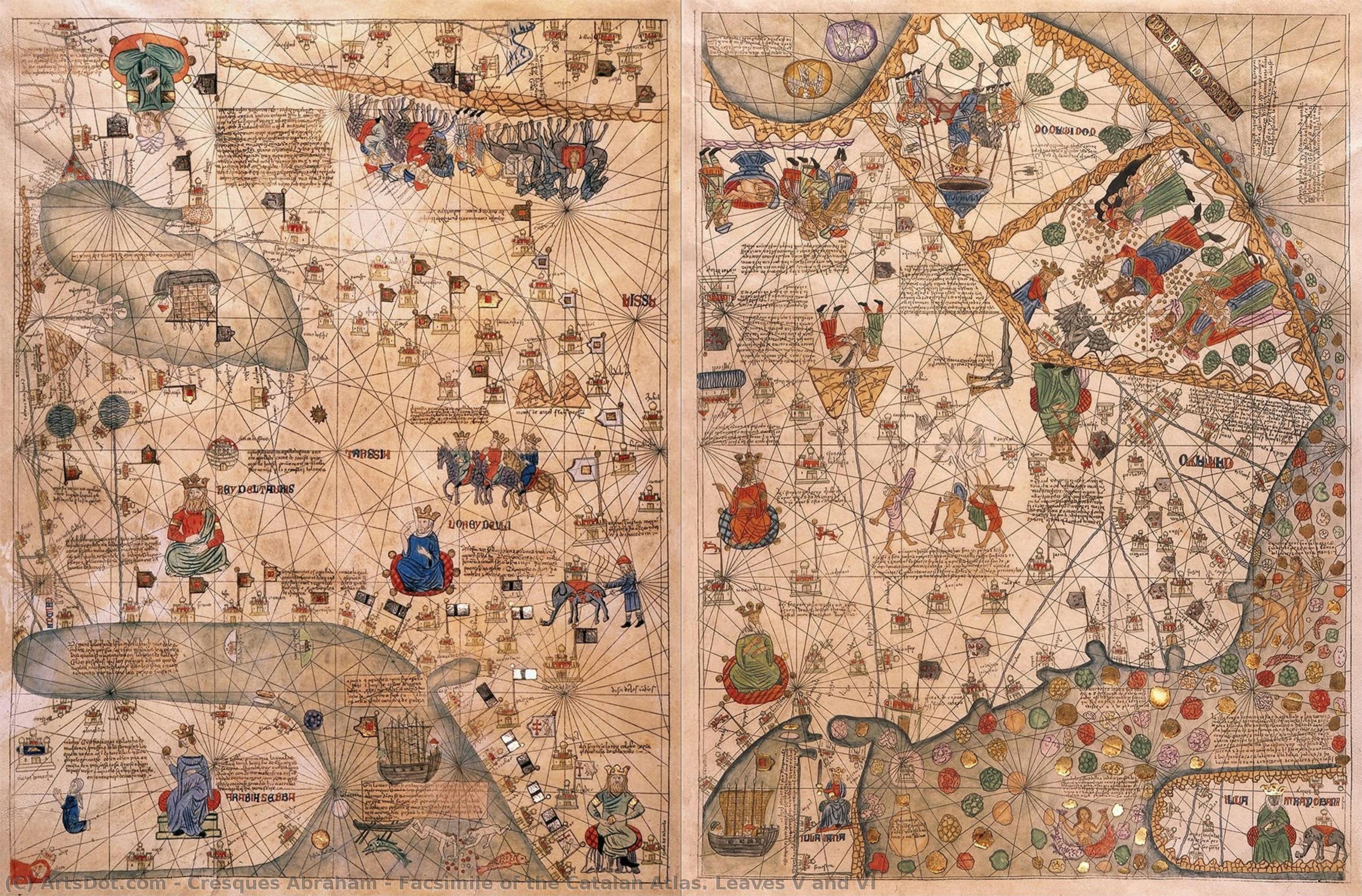
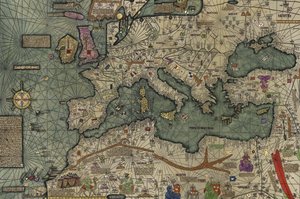
Facsimile of the Catalan Atlas. Leaves V and VI
 Parchment
- Medieval Cartography
 Late Medieval
 58.0 x 44.0 cm
 Maritime Museum of Barcelona
 詳細を見る
詳細を見る
オンラインプレビューをはるかに凌ぐ、高解像度で鮮明なデジタル画像をご購入いただけます。
各ファイルは、社内の専門家が高度なツールと熟練した手作業によるレタッチを用いて、細心の注意を払って準備されています。すべての画像において、卓越した鮮明度、正確な色彩再現性、そして繊細なディテールを保証いたします。
最終ファイルは、プロフェッショナルな編集・印刷環境ですぐにご利用いただけるよう最適化された状態で、72時間以内にメールにてお届けいたします。これは、一流のデザインスタジオ、出版社、ギャラリーから信頼されているものと同等の品質です。
デジタル画像のご注文に付随する特典
高品質なデジタル画像配信を、確かな品質で。
ArtsDot.com を選ぶことは、単に画像を手に入れることではありません。それは、プロの手によって精密に仕上げられ、満足保証が付いた高品質なデジタルアートワークを受け取ることを意味します。ご注文いただいた際に自動的に付随する内容は、以下の通りです:

メールですぐにお届け
ご注文から72時間以内に、高解像度のデジタル画像ファイルがメールでお手元に届きます。すぐにそのままご利用いただけます。

AI技術で最適化されたデジタルファイル
お客様の作品は、高度なAIツールと専門家による手作業の編集を組み合わせてプロフェッショナルに最適化されており、細部のディテール、鮮明さ、そして正確な色再現性を最大限に引き出しています。

一生涯無料の再送サービス
ファイルを誤って削除したり、紛失してしまったりしましたか?ご安心ください。いつでも無料で再送いたします。

輸入手数料は一切かかりません
関税や手数料、配送料を気にすることなく、お気に入りのアートワークをすぐにお楽しみいただけます。デジタルダウンロードは常に免税です。

色彩再現の保証
プロ仕様のツールとカラーマネジメント技術を用いることで、デジタル画像が元の色を最大限に忠実に再現することを保証いたします。

60日間満足保証
ご購入いただいたデジタル画像にご満足いただけない場合は、60日以内であれば、修正または100%の返金(理由を問う必要はありません)をさせていただきます。

100% 返金保証
ご満足いただけない場合は、デジタルファイルを受け取ってから60日以内であれば、理由を問わず全額返金いたします。

まとめ買い割引
3枚購入で10%OFF - 5枚購入で15%OFF - 10枚以上購入で20%OFF。クリエイティブなプロジェクト、ギャラリー、エージェンシーに最適です。
A Window into the Medieval World
To gaze upon the Facsimile of the Catalan Atlas, Leaves V and VI, is to embark on a voyage through time, transported back to the golden age of maritime exploration. Created around 1375 by the master Jewish cartographer Abraham Cresques and his son Jehuda, this exquisite work represents the pinnacle of the Majorcan cartographic school. This particular facsimile captures the breathtaking essence of two large parchment sheets that serve not merely as maps, but as a vibrant encyclopedia of the known world. The artistry lies in its ability to blend scientific precision with a profound sense of wonder, presenting a Mediterranean and Atlantic landscape that is as much a work of art as it is a navigational tool.
The visual narrative unfolds across intricate illustrations where geography meets storytelling. As your eyes wander across the detailed contours of the Mediterranean region and the vast expanse of the Atlantic Ocean, you encounter a bustling world populated by diverse figures. These tiny, meticulously rendered people represent the myriad cultures, civilizations, and trade routes that defined the 14th century. The presence of these characters breathes life into the parchment, transforming a static map into a living tapestry of human endeavor, commerce, and cultural exchange.
Mastery of Line and Legend
The technique employed by the Cresques family showcases an unparalleled level of craftsmanship that remains awe-inspiring centuries later. Every line etched onto the surface speaks to the skill of the Majorcan school, where cartography was a delicate dance between astronomy, geography, and fine art. The use of color and detail on these parchment sheets creates a rich, textured experience, making each feature—from coastal inlets to distant landmasses—feel tangible and significant. For the discerning collector or interior designer, this piece offers a sophisticated layer of historical depth, providing a focal point that is both intellectually stimulating and visually captivating.
Beyond its geographical utility, the atlas is steeped in symbolism. It reflects the intellectual curiosity of the late Middle Ages, acting as a repository for zoological, political, and economic knowledge. The intricate details are not merely decorative; they are windows into the medieval mind, illustrating how humanity perceived its place within the vast, mysterious oceans. Owning a reproduction of such a monumental historical artifact allows one to bring the spirit of discovery into a modern space, evoking a sense of timelessness and global connection.
An Elegant Addition to Sophisticated Interiors
For those looking to curate an environment of distinction, this facsimile serves as an extraordinary centerpiece. Its warm, aged tones and complex compositions harmonize beautifully with classical, rustic, or even contemporary minimalist decors. It provides a conversation piece that invites contemplation, drawing guests into the rich history of the Crown of Aragon and the legacy of Jewish cartography. Whether placed in a private library, a grand study, or an elegant living area, the Catalan Atlas brings with it an aura of prestige and an enduring passion for the spirit of exploration.
関連作品
作家の略歴
Early Life and Origins
- Name: Cresques Abraham (his given name was actually Cresques, Abraham being his father's name)
- Alternative Names: Eliça, son of Rabbi Abraham
- Born: Palma de Mallorca, Spain, circa 1325
- Died: 1387
- Background: Cresques was born into a Jewish family in Majorca, then part of the Crown of Aragon. His grandfather, Vidal Cresques, was a prominent figure within the local Jewish community. The family’s involvement in cartography and related crafts likely began before his birth.
The Catalan Atlas and Cartographic Expertise
- Major Work: Cresques is most renowned for his authorship of the Catalan Atlas, completed around 1375 in collaboration with his son, Jehuda Cresques.
- Commissioned by: Prince John of Aragon, intended as a gift for Charles VI of France.
- Content and Significance: The Catalan Atlas was more than just a map; it served as an encyclopedia of geographical, political, economic, and zoological information. It included the first incorporation of a compass rose on a portolan chart.
- Cartographic Style: Cresques’s work combined practical navigational charts (portolans) with decorative elements and detailed illustrations. He demonstrated expertise in geography, astronomy, and navigation.
Influences and Development
- Majorcan Cartographic School: Cresques was a leading member of the Majorcan cartographic school, which flourished during the 14th century. This school produced some of Europe’s finest nautical charts.
- Jewish Tradition in Cartography: Jews played a significant role in medieval mapmaking and instrument creation, leveraging their skills in mathematics, astronomy, and international trade.
- Arabic Influence: The cartographic traditions of the Islamic world likely influenced Cresques' work, particularly in terms of astronomical knowledge and map projections.
Legacy and Historical Significance
- Pioneering Cartographer: Cresques is considered a pioneer in nautical cartography, contributing significantly to the development of accurate and detailed sea charts.
- Impact on Navigation: His maps facilitated trade and exploration by providing sailors with reliable navigational tools.
- Cultural Significance: The Catalan Atlas reflects the cultural and scientific advancements of 14th-century Europe, showcasing a blend of art, science, and commerce.
- Family Legacy: Cresques’s son, Jehuda Cresques, continued his father's work and later became a cartographer in Portugal under Henry the Navigator, further extending the family’s influence on mapmaking.
Later Years and Conversion of His Son
- Royal Protection: Cresques and his son received royal protection from Pedro IV of Aragon, including financial support and exemptions from certain regulations.
- Jehuda's Conversion: Following anti-Jewish outbreaks in Spain in 1391, Jehuda converted to Christianity and changed his name to Jaime Ribes. He continued his cartographic work under the patronage of John I and later Martin of Aragon.
- Mestre Jacome de Mallorca: Jehuda became known as Mestre Jacome de Mallorca and worked for Henry the Navigator in Portugal, contributing to Portuguese explorations along the African coast.
cresques abraham
1325 - 1387 , Spain
プロフィール概要
- Artistic Movement Or Style: Nautical cartography
- Date Of Birth: 1325
- Date Of Death: 1387
- Full Name: Cresques Abraham
- Nationality: Spanish
- Notable Artworks: ['Catalan Atlas']
- Place Of Birth: Palma de Mallorca, Spain

