

 プレビュー
プレビュー
 シェアする
シェアする シェアする
シェアする
 詳細を見る
詳細を見る

 ダウンロード
 似ている作品
 X線調査
X線調査 スライドショー
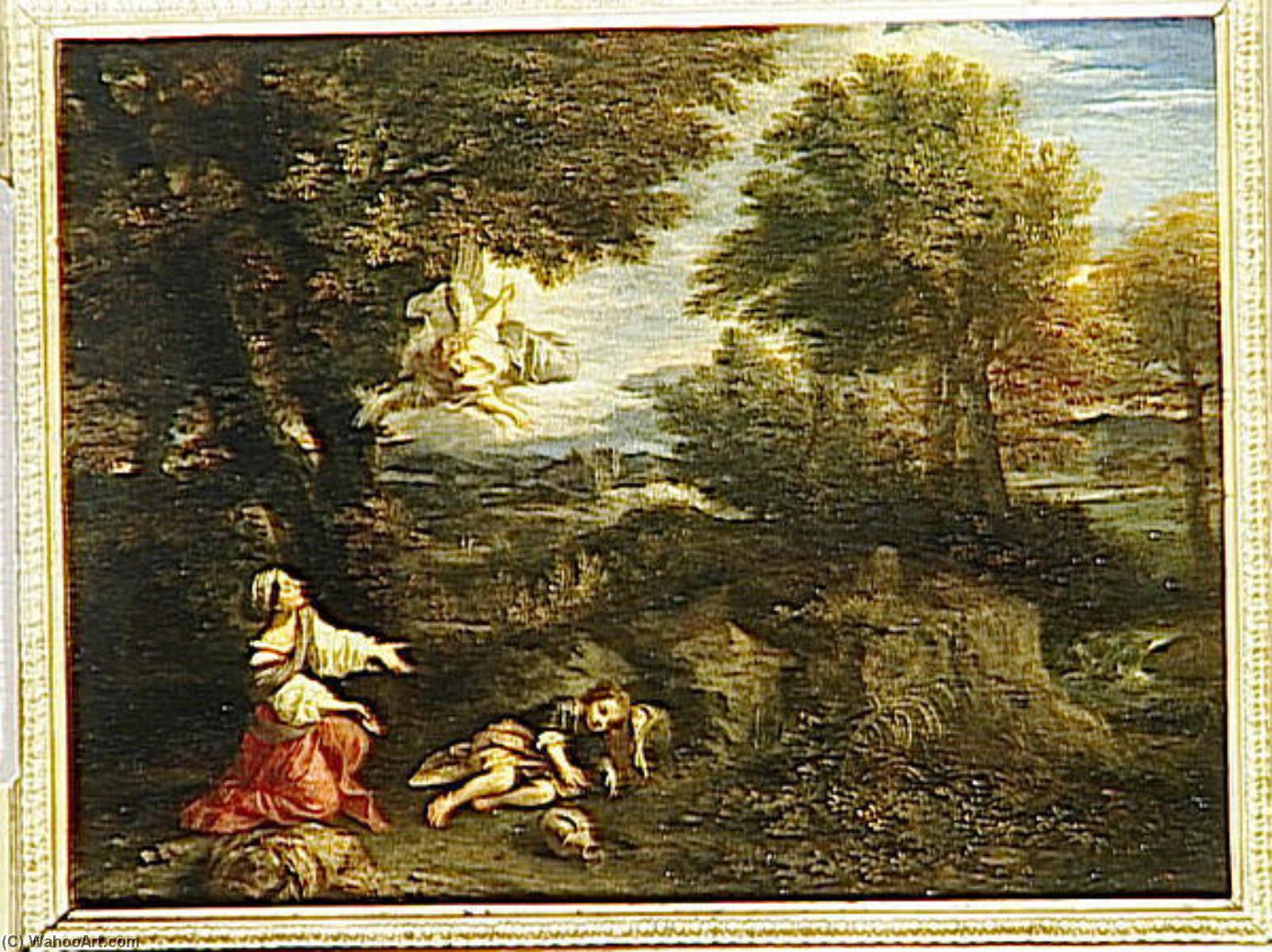
L'ANGE APPARAISSANT A AGAR DANS LE DESERT


 詳細を見る
詳細を見る
ジークレー/アートプリント
迅速な制作と多彩な仕上げオプションを備えた、ミュージアムクオリティのジークレーまたはキャンバスプリント。 ( 手描きの絵画を購入 画像を購入)




P118B $10

P118H $10

P118W $10

P438Z $10

P508JH $12

P508YH $12

P805H $10

P805Z $10

P919BZ $10

P919G $10

P919XJ $10

P959ZH $10

P968JZ $12

W106C $8

W218G $10

W218JH $8

W218Y $10

W307PJ $10

W316G $10

W316PJ $8

W316Y $10

W398PJ $8

W4111J $10

W500HY $15

W500JH $15

W692G $12

W849H $8

W940BG $15

W953PJ $8




作品のオリジナル比率に合わせた、当店の規定サイズからお選びください。

特定のフレームやスペースに合わせて、ご自身でサイズを指定することも可能です。選択されたサイズが元の画像の比率と一致しない場合、作品をトリミングするか、鏡面反射または単色での塗りつぶしによって画像を拡張いたします。制作を開始する前に、ご確認用のデジタルモックアップをお送りいたします。
画面上のプレビューには、実際のトリミングや拡張は反映されませんのでご注意ください。最終的な構図を正確に確認できるのは、モックアップのみとなります。
カスタムサイズも承っておりますが、元の比率を維持するためには、あらかじめ用意されたリストからサイズを選択することをお勧めいたします。


 ガラスオプションは、110cm未満のサイズでのみご利用いただけます。

L'ANGE APPARAISSANT A AGAR DANS LE DESERT
ジークレー/アートプリント
複製画のサイズ
-


合計金額
$ 62
作品詳細説明
Da Pier Francesco Mola’s “L'Ange Apparissant à Agar dans le Désert” – A Baroque Vision of Faith
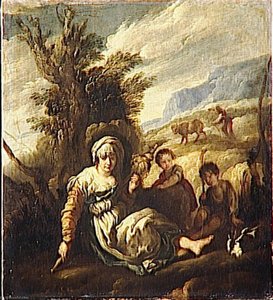
The artwork "L'Ange Apparissant à Agar dans le Désert" by Da Pier Francesco Mola, painted circa 1645, stands as a testament to the grandeur and emotional intensity characteristic of Baroque painting. More than just a depiction of biblical narrative—the appearance of an angel to Agar in the desert—it’s a carefully constructed visual meditation on themes of divine grace, vulnerability, and spiritual yearning, executed with masterful technique and imbued with a palpable sense of drama. Mola's contribution to Venetian art history cemented his reputation as a painter who skillfully blended classical influences with Baroque dynamism, resulting in an unforgettable image that continues to resonate with viewers today.Composition and Perspective: Framing Divine Revelation
Mola’s compositional choices immediately establish the scene’s importance. The central figure—the descending angel—dominates the canvas, positioned slightly off-center but undeniably commanding attention. Agar and her child are placed on the left side of the frame, gazing upwards towards the celestial messenger with unwavering devotion. This deliberate asymmetry contributes to the artwork's theatrical quality, mirroring the dramatic unfolding of biblical events. Furthermore, Mola employs linear perspective to create depth, guiding the eye from the foreground figures into the expansive desert landscape beyond. Aerial perspective softens distant trees and mountains, enhancing the illusion of atmospheric haze and reinforcing the sense of vastness—a deliberate device reflecting the immensity of God’s presence and the insignificance of human concerns in comparison. Diagonal lines created by the landscape elements draw the viewer's gaze upwards towards the angel, amplifying the feeling of ascension and spiritual aspiration.Color Palette and Lighting: Symbolism Illuminated
The color palette is dominated by earthy tones—deep browns and greens—representing the arid desert environment and conveying a mood of solitude and hardship. However, these muted hues are punctuated by brighter accents—primarily reds and pinks in Agar’s dress—symbolizing passion and maternal tenderness. The angel itself is rendered in luminous whites and golds, creating a striking contrast against the darker background and signifying divine radiance and holiness. Crucially, Mola utilizes dramatic lighting to heighten the artwork's emotional impact. Light emanates primarily from above and behind the angel, casting long shadows that emphasize his majesty and highlighting Agar’s vulnerability as she seeks solace in God’s intervention. This chiaroscuro technique—the interplay of light and shadow—is a hallmark of Baroque painting and serves to elevate the scene beyond mere representation, transforming it into an embodiment of spiritual truth.Technique and Texture: Layers of Impression
Mola's meticulous brushwork demonstrates his mastery of oil paint on canvas. He achieves depth and texture through layering paint in multiple glazes—thin coats of translucent pigment—allowing underlying colors to subtly influence the surface appearance. Visible brushstrokes contribute to a sense of dynamism and immediacy, capturing the movement of drapery and conveying the artist’s palpable engagement with his subject matter. The artist skillfully renders textures – the rough bark of desert trees, the flowing fabric of Agar's garment – creating a rich sensory experience for the viewer. Smooth, luminous strokes are employed in depicting the angel’s drapery, emphasizing its ethereal quality and reinforcing its symbolic significance as divine grace.Historical Context and Artistic Influence: Baroque Grandeur Revisited
“L'Ange Apparissant à Agar dans le Désert” exemplifies the Baroque artistic spirit—a reaction against Mannerism’s stylized forms and a fervent embrace of emotional expression. Influenced by Francesco Albani, Mola sought to capture not just visual accuracy but also the spiritual essence of biblical narratives. The artwork aligns with broader trends in Venetian art during Mola's time, reflecting a renewed interest in classical ideals combined with Baroque dynamism—a stylistic fusion that distinguishes Mola’s oeuvre from his contemporaries. Its enduring appeal lies in its ability to convey profound themes of faith and redemption through masterful technique and evocative imagery, securing Mola’s place as one of the most important landscape painters of the Baroque era.関連作品

アーティストの略歴
イル・ティチネーゼの遺産:バロックの光と風景を操る巨匠
1612年、スイスの静かな地コルドレリオに生まれたピエトロ・フランチェスコ・モーラは、「イル・ティチネーゼ」の名で広く知られ、アルプスの影から抜け出してローマ・バロックの中心部において輝かしい存在となりました。彼の芸術的アイデンティティは、洗練された様々な影響の融合によって形作られました。その始まりは、マニエリスムの巨匠カヴァリエール・ダルピーノのもとでの厳格な修行でした。この初期教育によって、彼はディゼーニョ(素描)、すなわち規律ある描線と解剖学的な正確さに対する深い敬意を身につけました。これが後の、より流動的な自然への探求における構造的な背骨となったのです。その後、フランチェスコ・アルバーニの画風に触れることで、モーラのスタイルは硬直したマニエリスムの殻を脱ぎ捨て始め、周囲の世界の息づく本質を捉えようとする、芽生えつつあった自然主義を受け入れていきました。
芸術家としてのモーラの進化は、ルネサンスの構造化された古典的理想から、バロック時代の感情豊かで演劇的なダイナミズムへの驚くべき変遷によって特徴づけられます。同時代の多くの画家たちがフレスコ画による壮大な天井画の規模に注力していた一方で、モーラは光と大気の緻密な研究を可能にする、より小規模で親密なキャンバスの中に独自の表現を見出しました。彼の作品はしばしば、構図の知的な厳格さと、自然風景が持つ本能的な美しさとの架け橋としての役割を果たしています。この二面性は、複雑な寓意的なテーマを、まるで実在するかのように感じられる設定へと織り込む彼の能力に最も顕著に表れています。柔らかな影と豊かで情緒的な質感を通じて、鑑賞者を神聖なものと地上のものが交差する世界へと誘うのです。
物語と寓意の極致
モーラの真の輝きは、聖書や神話の物語に深い人間的な感情を吹き込む能力にあります。彼の絵画は単なる挿絵ではありません。それは、光が主要な主人公として機能するドラマチックな舞台なのです。『砂漠におけるハガルに現れる天使』のような作品では、明暗法(キアロスクロー)を用いて神の恩寵と精神的な脆さが際立つ瞬間を描き出す、情緒的な照明技術の極致を目にすることができます。同様に、『アルガンテとの戦いの後、タンクレデの傷を癒やすエルミーネとヴァルフィーノ』といった歴史的あるいは伝説的な場面の描写は、紛争という過酷な現実の中に存在する、慈しみや思いやりの繊細なニュアンスを捉え、主題に対する深い共感を示しています。
純粋に宗教的、あるいは英雄的な題材を超えて、モーラは寓意に対しても鋭い知性を備えていました。彼の『地理学の寓意』は、バロック特有の象徴主義を用いて、人類の好奇心と当時の探検精神を讃える彼の能力の証となっています。豊かな色彩と詳細なリアリズムを通じて、彼は地図製作のような抽象的な概念を視覚的なスペクタクルへと変貌させました。科学、神話、そして自然主義という異なる要素を統合するこの能力こそが、高位の聖職者から17世紀の知識層に至るまで、ローマの洗練されたパトロンたちの心に彼の作品を響かせたのです。
歴史的意義と芸術的勝利
モーラの職業的な評価が頂点に達したのは、間違いなくローマの建築景観への貢献、とりわけクイリナーレ宮殿のアレクサンデル7世回廊における壮大なフレスコ画の連作においてでした。『兄弟たちに正体を明かすヨセフ』などの作品を含むこの依頼は、彼を同世代の最も優れた画家の一人として確固たるものにしました。これらの大規模な作品において、モーラはバロック美学が求める演劇性と、洗練された古典的な均衡感覚を見事に融合させ、最も親密なキャンバスと同様に、壮大な舞台をも自在に操れることを証明したのです。
彼のキャリアは小規模な作品の多作によって定義づけられていましたが、イタリアにおける風景画の発展に与えた影響は、いくら強調してもしすぎることはありません。単なる装飾的なアプローチから、より観察的で大気を感じさせる手法へと移行することで、彼は後世の風景画家たちが、光の微妙な変化や大地の荒々しい質感の中に美を見出すための道を切り拓きました。今日、ピエール・フランチェスコ・モーラの遺産は、天の壮大さと地上の静かで息づく現実の両方を捉えることができた画家の力としての証として、美術史に深く刻み込まれています。
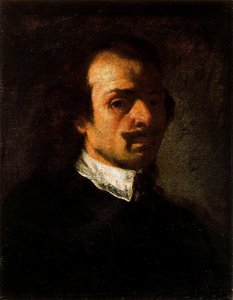
ピエトロ・フランチェスコ・モーラ
1612 - 1666 , スイス
基本情報
- Artistic Movement Or Style: バロック
- Artists Or Movements Influenced By This Artist: ['ミケランジェロ・メリジ・カラヴァッジョ']
- Artists Who Influenced This Artist:
- カヴァリエール・ダルピーノ
- フランチェスコ・アルバーニ
- Date Of Birth: 1612年2月9日
- Date Of Death: 1666年5月13日
- Full Name: ピエロ・フランチェスコ・モラ
- Nationality: スイス・イタリア
- Notable Artworks:
- エジプトへの逃避
- 荒野で説教する聖ヨハネ
- 聖ブリュノの幻視
- 羊の群れを守るエルミーニ、木にタンクレードの名を刻む
- Place Of Birth: スイス、コルドレリオ
関連記事
Celestial Messengers: Angels in Painting – A Historical & Artistic Exploration
Explore the captivating history of angels in painting! Discover symbolism, iconic Renaissance & Byzantine masterpieces, and renowned artists. Expert insights for art lovers & collectors at ArtsDot.
Celestial Messengers: A Comprehensive Exploration of Angelic Representation in Art History
Explore the captivating history of angels in art! Discover symbolism, iconic Renaissance masterpieces & renowned artists. Expert insights for art lovers & collectors at ArtsDot.

Evocations of Place: A Historical Journey Through Landscape Art
Explore the rich history of landscape art with ArtsDot. Discover renowned artists, movements like Impressionism & Romanticism, and expert guidance for collecting timeless pieces. Find your perfect serene escape today!

The Dramatic Flourish: Exploring the Baroque Movement's Enduring Legacy in Art History
Explore the dramatic world of Baroque art! Discover iconic artists like Caravaggio & Rubens, defining techniques, and its lasting impact on art history. Expert insights for collectors & enthusiasts at ArtsDot.

ロマン派ランドスケープ:時代を彩る巨匠の10選|アートとインテリアの世界
ロマン派絵画の時代を彩る10選。巨匠たちの風景が織りなす感動の世界へ。ターナー、ルーベンスなど、名作の裏話と高精細複製でアートをお部屋に。ArtsDot.comで至福のアート体験を。

