

 プレビュー
プレビュー
 プリントを購入
 シェアする
シェアする シェアする
シェアする
 詳細を見る
詳細を見る

 ダウンロード
 似ている作品
 X線調査
X線調査 スライドショー
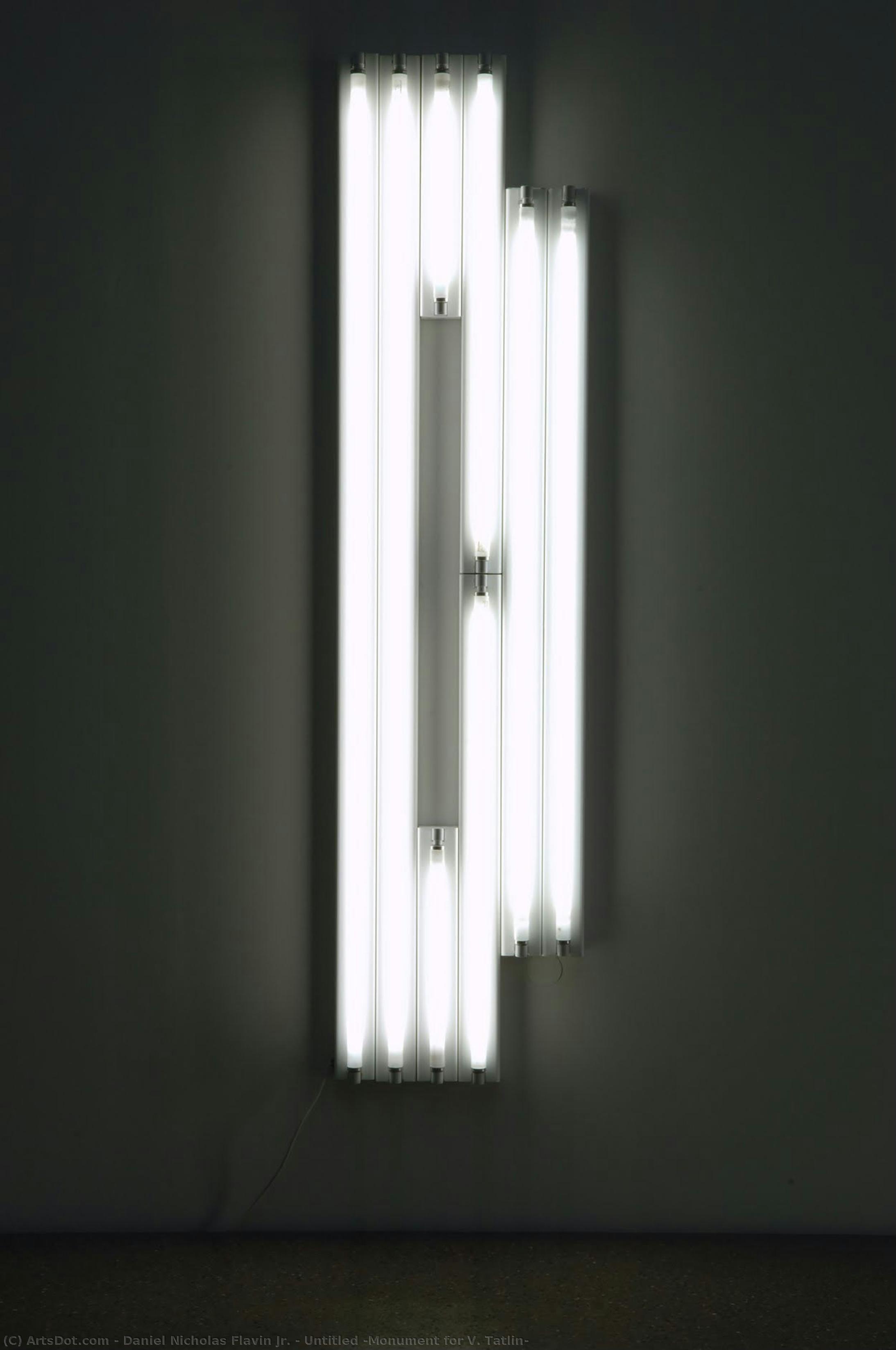
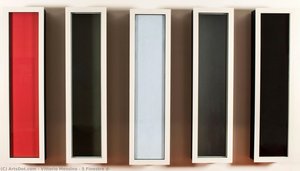
Untitled (Monument for V. Tatlin)


 詳細を見る
詳細を見る




P118B $10

P118H $10

P118W $10

P438Z $10

P508JH $12

P508YH $12

P805H $10

P805Z $10

P919BZ $10

P919G $10

P919XJ $10

P959ZH $10

P968JZ $12

W106C $8

W218G $10

W218JH $8

W218Y $10

W307PJ $10

W316G $10

W316PJ $8

W316Y $10

W398PJ $8

W4111J $10

W500HY $15

W500JH $15

W692G $12

W849H $8

W940BG $15

W953PJ $8




作品のオリジナル比率に合わせた、当店の規定サイズからお選びください。

特定のフレームやスペースに合わせて、ご希望のサイズをご入力いただけます。選択されたサイズが元の画像の比率と異なる場合、アートワークをトリミングするか、手描きで要素を追加して絵画を拡張いたします。デジタルモックアップ を制作し、制作開始前にご確認(承認)をいただきます。
画面上のプレビューは、実際のトリミングや拡張を正確に反映しているものではありません。最終的な構図は、モックアップによってのみ正確にご確認いただけます。
カスタムサイズもご利用いただけますが、元の比率を維持するためには、あらかじめ用意されたリストからサイズを選択することをお勧めいたします。
ご注文後、ArtsDot.com チームより詳細な指示をお送りするとともに、仕上がりイメージ(モックアップ)をご提供いたします。


 ガラスオプションは、110cm未満のサイズでのみご利用いただけます。

Untitled (Monument for V. Tatlin)
複製技法
複製画のサイズ
-


合計金額
$ 263
関連作品


アーティストの略歴
Early Life and Spiritual Beginnings
Daniel Nicholas Flavin Jr., born in Queens, New York, on April 1, 1933, embarked on a path initially steeped in religious contemplation rather than artistic expression. Raised in an Irish Catholic household, young Flavin was directed towards the priesthood, spending six formative years at the Immaculate Conception Preparatory Seminary in Brooklyn. This period of intense spiritual study, however, proved to be a catalyst for a different kind of devotion—a burgeoning fascination with visual language and the power of light itself. He later recalled feeling stifled by the rigid dogma, a sense that his “expressive childish optimism” was being systematically extinguished. This early experience, though ultimately rejected, would subtly inform his future work, imbuing it with a quiet reverence and a search for transcendent meaning. In 1952, Flavin traded the seminary for service in the United States Air Force, enlisting alongside his twin brother, David John Flavin. While stationed near New York City, he briefly pursued formal art training at the Hans Hofmann School of Fine Arts and later at Columbia University, studying painting and drawing, but it was during this time that a nascent artistic vision began to take shape.The Emergence of Light as Medium
Flavin’s early explorations in art were diverse, ranging from abstract expressionist canvases to assemblages constructed from found objects—particularly crushed tin cans. However, his trajectory shifted dramatically while working as a security guard and elevator operator at the American Museum of Natural History in the early 1960s. It was here, amidst the museum’s vast collections, that he began sketching ideas for “an electric light art.” These initial concepts involved painted wood boxes adorned with incandescent bulbs, but it wasn't until 1963 that Flavin discovered the medium that would define his career: commercially available fluorescent lamps. This pivotal moment marked a decisive break from traditional sculptural materials and techniques. He began to focus exclusively on these readily accessible fixtures, selecting standard lengths—two, four, six, or eight feet—and a limited palette of colors: red, yellow, blue, green, pink, ultraviolet, and varying intensities of white. Flavin wasn’t interested in the light *as* illumination, but as a material itself, capable of altering perception and redefining space.Situations and the Rejection of Traditional Form
By the mid-1960s, Flavin had moved beyond individual sculptures to create what he termed “situations”—immersive installations that transformed architectural spaces through carefully orchestrated arrangements of fluorescent light. He deliberately avoided terms like "sculpture" or "work," preferring instead to emphasize the experiential nature of his creations and their inherent relationship to the surrounding environment. These weren’t objects *in* space, but rather configurations *of* space, altering viewers' perceptions of volume, color, and even time. Flavin’s work challenged conventional notions of artistic authorship and originality. By utilizing mass-produced industrial components, he removed the emphasis on unique craftsmanship and instead focused on the conceptual act of arrangement and the interplay between light, color, and architecture. He often dedicated his installations to friends, fellow artists—like Robert Skolnik, for whom he created a grid pattern installation at the Whitney Museum—or historical figures such as Constantin Brancusi or Vladimir Tatlin, imbuing them with layers of personal meaning and artistic homage.Minimalism, Conceptual Art, and Lasting Influence
While often associated with Minimalism due to his reductive forms and use of industrial materials, Flavin resisted easy categorization. He shared the movement’s rejection of subjective expression and its emphasis on objectivity, but his work differed in its inherent luminosity and its focus on perceptual experience. His installations weren't simply about form; they were about *how* we perceive form through light and color. His practice also aligned with the burgeoning Conceptual Art movement, prioritizing the idea behind the artwork over its physical manifestation. Flavin’s insistence on calling his creations “proposals” rather than finished objects underscored this conceptual emphasis. Throughout his four-decade career, he continued to explore the possibilities of fluorescent light, creating increasingly complex and ambitious installations that redefined gallery spaces and challenged viewers' expectations. He died in Riverhead, New York, on November 29, 1996, leaving behind a profound legacy that continues to inspire artists today. The Dan Flavin Art Institute, established in Bridgehampton, New York, serves as a permanent testament to his vision, housing significant examples of his work and providing a space for ongoing exploration of light and perception.A Radiant Legacy: Historical Significance
- Redefining Sculpture: Flavin’s use of commercially available fluorescent lights fundamentally altered the definition of sculpture, moving it away from traditional materials like bronze or marble towards industrial fabrication and ephemeral experience.
- The Power of Light as Medium: He established light not merely as an illumination source but as a sculptural material with its own inherent qualities—color, intensity, and spatial effects.
- Situations over Objects: His “situations” challenged the traditional object-based nature of art, emphasizing instead the relationship between artwork, space, and viewer.
- Conceptual Art Pioneer: Flavin’s emphasis on the idea behind the work—the arrangement of light rather than the physical creation of an object—aligned with the principles of Conceptual Art.
- Lasting Impact: His influence can be seen in a wide range of contemporary artists who explore themes of perception, space, and materiality. He remains a pivotal figure in 20th-century art history, celebrated for his singular vision and enduring contribution to the evolution of artistic practice.
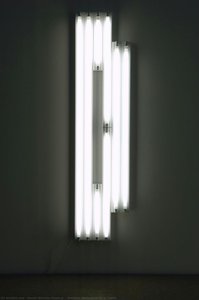
daniel nicholas flavin jr.
1933 - 1996 , United States of America
基本情報
- Artistic Movement Or Style: Minimalism, Light Art
- Date Of Birth: April 1, 1933
- Date Of Death: November 29, 1996
- Full Name: Daniel Nicholas Flavin Jr.
- Nationality: American
- Notable Artworks:
- Untitled series
- Dan Flavin: Ic Light
- Monuments to V. Tatlin
- Place Of Birth: Queens, New York, USA
関連記事

Bronze Sculptures That Defined Art History | ArtsDot
Journey through art history with our Top 10 bronze sculptures! Explore masterpieces by Rodin, Michelangelo & more. Discover stories behind iconic statues and find museum-quality reproductions for your home decor at ArtsDot.com.

The Enduring Form: Exploring Themes & Techniques in Sculpture Across Historical Periods
Explore the rich history of sculpture from ancient masterpieces to contemporary innovations. Discover key techniques, influential artists & investment potential for discerning art collectors.

The Enduring Form: Sculpture Across History, Technique & Emotional Resonance
Explore the rich history of sculpture with ArtsDot. Discover key techniques, influential artists & investment potential for discerning collectors. Expert insights into valuing and collecting timeless masterpieces.

Bronze Age to Modern Masters: 10 Sculptures That Redefined Art | ArtsDot
Journey through art history with 10 legendary bronze sculptures – from Michelangelo's David to Rodin’s Thinker. Explore the stories, techniques & timeless beauty of these masterpieces. Find museum-quality reproductions & elevate your home decor on ArtsDot.com.
青銅彫刻の永続的遺産:歴史、技法、そして現代における解釈
青銅彫刻の歴史、技法、現代における解釈を専門家が解説。古代から現代までの貴重な作品群を深く理解し、コレクションや投資に役立つ情報を提供します。美術品鑑定、修復についてもご紹介。