

 プレビュー
プレビュー
 プリントを購入
 シェアする
シェアする シェアする
シェアする
 詳細を見る
詳細を見る

 ダウンロード
 似ている作品
 X線調査
X線調査 スライドショー
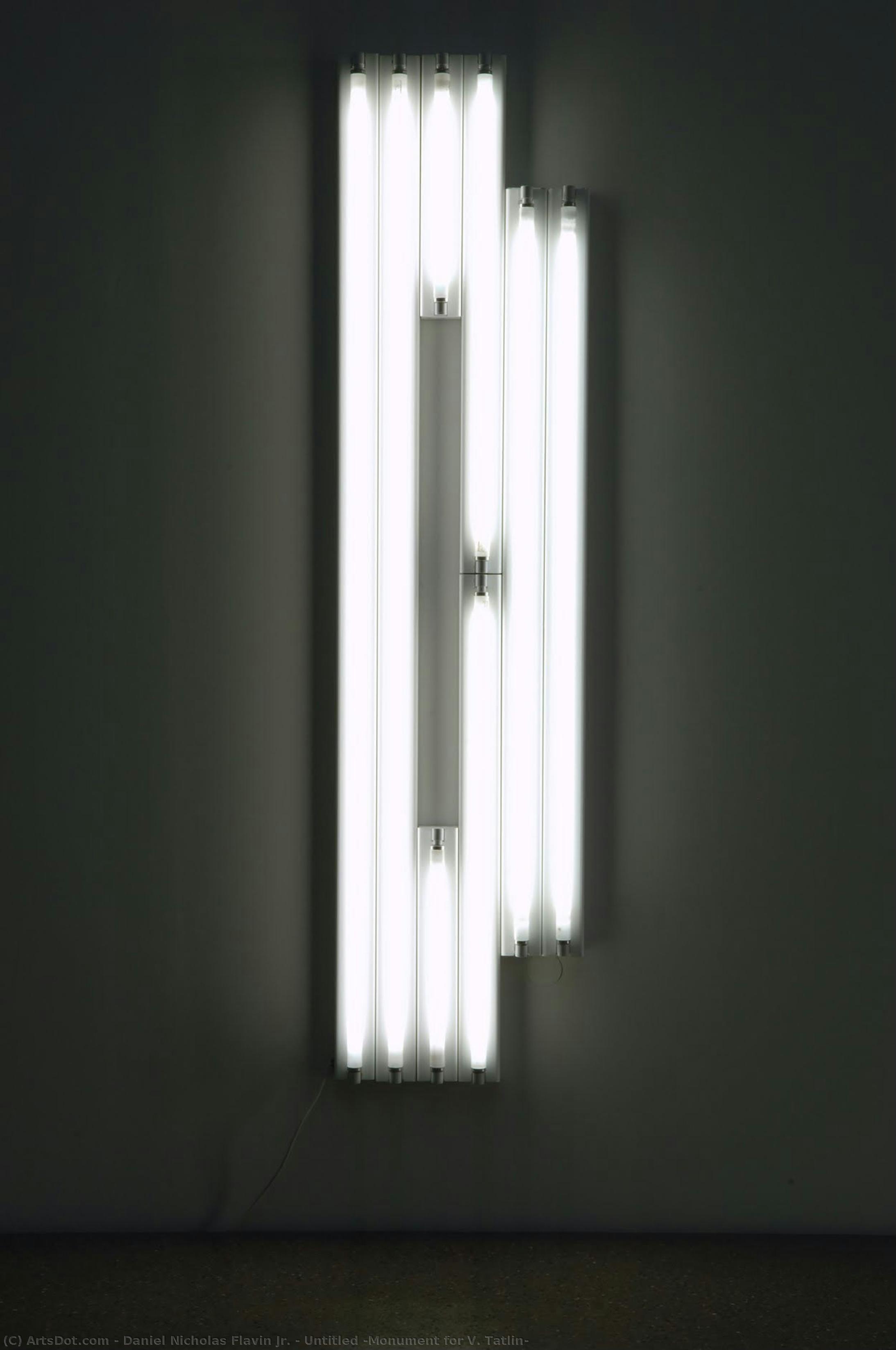
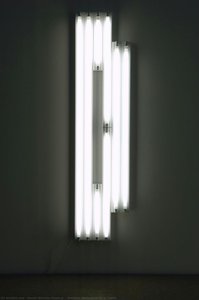
Untitled (Monument for V. Tatlin)


 詳細を見る
詳細を見る
オンラインプレビューをはるかに凌ぐ、高解像度で鮮明なデジタル画像をご購入いただけます。
各ファイルは、社内の専門家が高度なツールと熟練した手作業によるレタッチを用いて、細心の注意を払って準備されています。すべての画像において、卓越した鮮明度、正確な色彩再現性、そして繊細なディテールを保証いたします。
最終ファイルは、プロフェッショナルな編集・印刷環境ですぐにご利用いただけるよう最適化された状態で、72時間以内にメールにてお届けいたします。これは、一流のデザインスタジオ、出版社、ギャラリーから信頼されているものと同等の品質です。
デジタル画像のご注文に付随する特典
高品質なデジタル画像配信を、確かな品質で。
ArtsDot.com を選ぶことは、単に画像を手に入れることではありません。それは、プロの手によって精密に仕上げられ、満足保証が付いた高品質なデジタルアートワークを受け取ることを意味します。ご注文いただいた際に自動的に付随する内容は、以下の通りです:

メールですぐにお届け
ご注文から72時間以内に、高解像度のデジタル画像ファイルがメールでお手元に届きます。すぐにそのままご利用いただけます。

AI技術で最適化されたデジタルファイル
お客様の作品は、高度なAIツールと専門家による手作業の編集を組み合わせてプロフェッショナルに最適化されており、細部のディテール、鮮明さ、そして正確な色再現性を最大限に引き出しています。

一生涯無料の再送サービス
ファイルを誤って削除したり、紛失してしまったりしましたか?ご安心ください。いつでも無料で再送いたします。

輸入手数料は一切かかりません
関税や手数料、配送料を気にすることなく、お気に入りのアートワークをすぐにお楽しみいただけます。デジタルダウンロードは常に免税です。

色彩再現の保証
プロ仕様のツールとカラーマネジメント技術を用いることで、デジタル画像が元の色を最大限に忠実に再現することを保証いたします。

100日間満足保証
ご購入いただいたデジタル画像にご満足いただけない場合は、100日以内であれば、修正または100%の返金(理由を問う必要はありません)をさせていただきます。

100% 返金保証
ご満足いただけない場合は、デジタルファイルを受け取ってから100日以内であれば、理由を問わず全額返金いたします。

まとめ買い割引
3枚購入で10%OFF - 5枚購入で15%OFF - 10枚以上購入で20%OFF。クリエイティブなプロジェクト、ギャラリー、エージェンシーに最適です。
関連作品



作家の略歴
Early Life and Spiritual Beginnings
Daniel Nicholas Flavin Jr., born in Queens, New York, on April 1, 1933, embarked on a path initially steeped in religious contemplation rather than artistic expression. Raised in an Irish Catholic household, young Flavin was directed towards the priesthood, spending six formative years at the Immaculate Conception Preparatory Seminary in Brooklyn. This period of intense spiritual study, however, proved to be a catalyst for a different kind of devotion—a burgeoning fascination with visual language and the power of light itself. He later recalled feeling stifled by the rigid dogma, a sense that his “expressive childish optimism” was being systematically extinguished. This early experience, though ultimately rejected, would subtly inform his future work, imbuing it with a quiet reverence and a search for transcendent meaning. In 1952, Flavin traded the seminary for service in the United States Air Force, enlisting alongside his twin brother, David John Flavin. While stationed near New York City, he briefly pursued formal art training at the Hans Hofmann School of Fine Arts and later at Columbia University, studying painting and drawing, but it was during this time that a nascent artistic vision began to take shape.The Emergence of Light as Medium
Flavin’s early explorations in art were diverse, ranging from abstract expressionist canvases to assemblages constructed from found objects—particularly crushed tin cans. However, his trajectory shifted dramatically while working as a security guard and elevator operator at the American Museum of Natural History in the early 1960s. It was here, amidst the museum’s vast collections, that he began sketching ideas for “an electric light art.” These initial concepts involved painted wood boxes adorned with incandescent bulbs, but it wasn't until 1963 that Flavin discovered the medium that would define his career: commercially available fluorescent lamps. This pivotal moment marked a decisive break from traditional sculptural materials and techniques. He began to focus exclusively on these readily accessible fixtures, selecting standard lengths—two, four, six, or eight feet—and a limited palette of colors: red, yellow, blue, green, pink, ultraviolet, and varying intensities of white. Flavin wasn’t interested in the light *as* illumination, but as a material itself, capable of altering perception and redefining space.Situations and the Rejection of Traditional Form
By the mid-1960s, Flavin had moved beyond individual sculptures to create what he termed “situations”—immersive installations that transformed architectural spaces through carefully orchestrated arrangements of fluorescent light. He deliberately avoided terms like "sculpture" or "work," preferring instead to emphasize the experiential nature of his creations and their inherent relationship to the surrounding environment. These weren’t objects *in* space, but rather configurations *of* space, altering viewers' perceptions of volume, color, and even time. Flavin’s work challenged conventional notions of artistic authorship and originality. By utilizing mass-produced industrial components, he removed the emphasis on unique craftsmanship and instead focused on the conceptual act of arrangement and the interplay between light, color, and architecture. He often dedicated his installations to friends, fellow artists—like Robert Skolnik, for whom he created a grid pattern installation at the Whitney Museum—or historical figures such as Constantin Brancusi or Vladimir Tatlin, imbuing them with layers of personal meaning and artistic homage.Minimalism, Conceptual Art, and Lasting Influence
While often associated with Minimalism due to his reductive forms and use of industrial materials, Flavin resisted easy categorization. He shared the movement’s rejection of subjective expression and its emphasis on objectivity, but his work differed in its inherent luminosity and its focus on perceptual experience. His installations weren't simply about form; they were about *how* we perceive form through light and color. His practice also aligned with the burgeoning Conceptual Art movement, prioritizing the idea behind the artwork over its physical manifestation. Flavin’s insistence on calling his creations “proposals” rather than finished objects underscored this conceptual emphasis. Throughout his four-decade career, he continued to explore the possibilities of fluorescent light, creating increasingly complex and ambitious installations that redefined gallery spaces and challenged viewers' expectations. He died in Riverhead, New York, on November 29, 1996, leaving behind a profound legacy that continues to inspire artists today. The Dan Flavin Art Institute, established in Bridgehampton, New York, serves as a permanent testament to his vision, housing significant examples of his work and providing a space for ongoing exploration of light and perception.A Radiant Legacy: Historical Significance
- Redefining Sculpture: Flavin’s use of commercially available fluorescent lights fundamentally altered the definition of sculpture, moving it away from traditional materials like bronze or marble towards industrial fabrication and ephemeral experience.
- The Power of Light as Medium: He established light not merely as an illumination source but as a sculptural material with its own inherent qualities—color, intensity, and spatial effects.
- Situations over Objects: His “situations” challenged the traditional object-based nature of art, emphasizing instead the relationship between artwork, space, and viewer.
- Conceptual Art Pioneer: Flavin’s emphasis on the idea behind the work—the arrangement of light rather than the physical creation of an object—aligned with the principles of Conceptual Art.
- Lasting Impact: His influence can be seen in a wide range of contemporary artists who explore themes of perception, space, and materiality. He remains a pivotal figure in 20th-century art history, celebrated for his singular vision and enduring contribution to the evolution of artistic practice.
daniel nicholas flavin jr.
1933 - 1996 , United States of America
プロフィール概要
- Artistic Movement Or Style: Minimalism, Light Art
- Date Of Birth: April 1, 1933
- Date Of Death: November 29, 1996
- Full Name: Daniel Nicholas Flavin Jr.
- Nationality: American
- Notable Artworks:
- Untitled series
- Dan Flavin: Ic Light
- Monuments to V. Tatlin
- Place Of Birth: Queens, New York, USA