

 プレビュー
プレビュー
 プリントを購入
 シェアする
シェアする シェアする
シェアする
 詳細を見る
詳細を見る

 ダウンロード
 似ている作品
 X線調査
X線調査 スライドショー
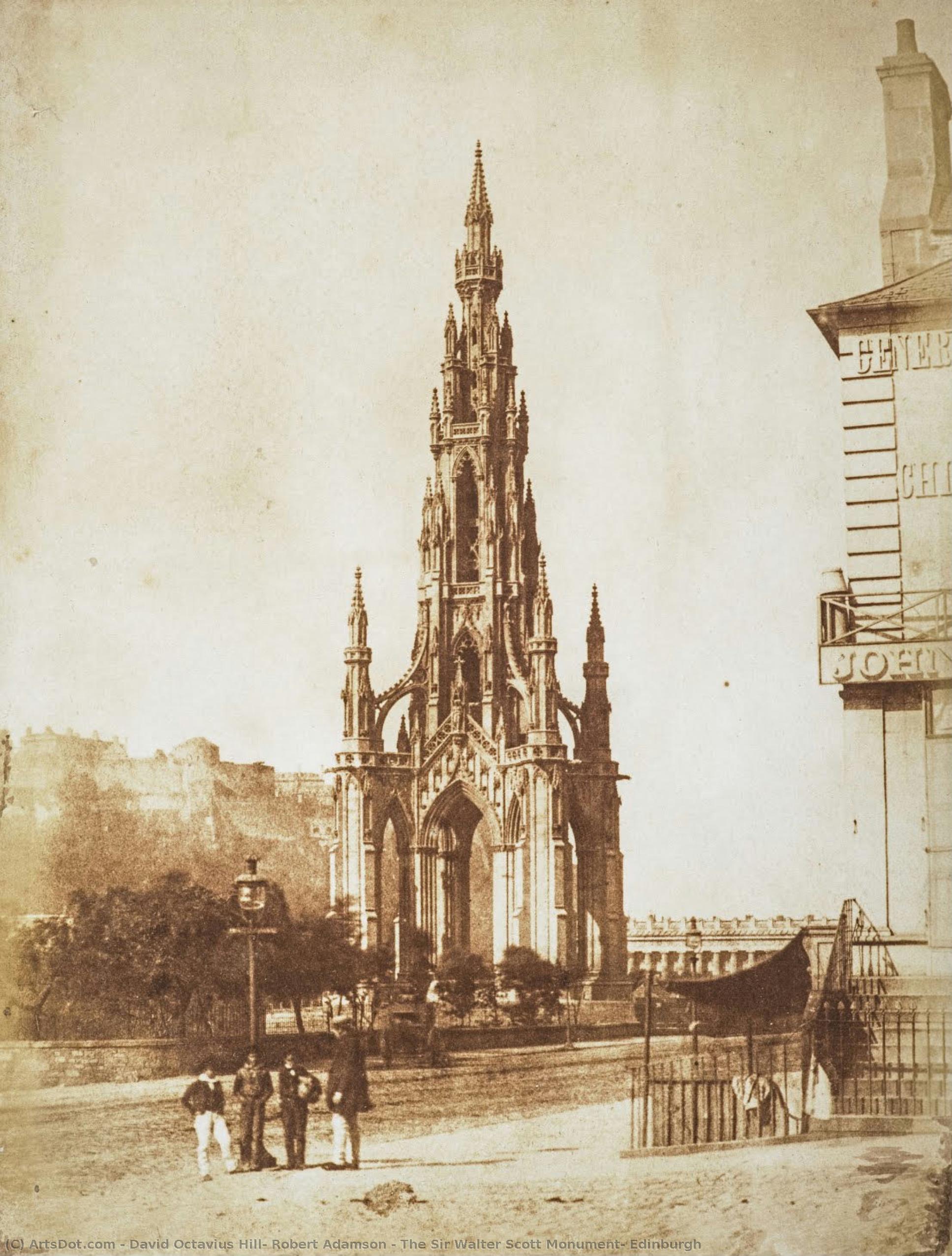
The Sir Walter Scott Monument, Edinburgh


 詳細を見る
詳細を見る
オンラインプレビューをはるかに凌ぐ、高解像度で鮮明なデジタル画像をご購入いただけます。
各ファイルは、社内の専門家が高度なツールと熟練した手作業によるレタッチを用いて、細心の注意を払って準備されています。すべての画像において、卓越した鮮明度、正確な色彩再現性、そして繊細なディテールを保証いたします。
最終ファイルは、プロフェッショナルな編集・印刷環境ですぐにご利用いただけるよう最適化された状態で、72時間以内にメールにてお届けいたします。これは、一流のデザインスタジオ、出版社、ギャラリーから信頼されているものと同等の品質です。
デジタル画像のご注文に付随する特典
高品質なデジタル画像配信を、確かな品質で。
ArtsDot.com を選ぶことは、単に画像を手に入れることではありません。それは、プロの手によって精密に仕上げられ、満足保証が付いた高品質なデジタルアートワークを受け取ることを意味します。ご注文いただいた際に自動的に付随する内容は、以下の通りです:

メールですぐにお届け
ご注文から72時間以内に、高解像度のデジタル画像ファイルがメールでお手元に届きます。すぐにそのままご利用いただけます。

AI技術で最適化されたデジタルファイル
お客様の作品は、高度なAIツールと専門家による手作業の編集を組み合わせてプロフェッショナルに最適化されており、細部のディテール、鮮明さ、そして正確な色再現性を最大限に引き出しています。

一生涯無料の再送サービス
ファイルを誤って削除したり、紛失してしまったりしましたか?ご安心ください。いつでも無料で再送いたします。

輸入手数料は一切かかりません
関税や手数料、配送料を気にすることなく、お気に入りのアートワークをすぐにお楽しみいただけます。デジタルダウンロードは常に免税です。

色彩再現の保証
プロ仕様のツールとカラーマネジメント技術を用いることで、デジタル画像が元の色を最大限に忠実に再現することを保証いたします。

60日間満足保証
ご購入いただいたデジタル画像にご満足いただけない場合は、60日以内であれば、修正または100%の返金(理由を問う必要はありません)をさせていただきます。

100% 返金保証
ご満足いただけない場合は、デジタルファイルを受け取ってから60日以内であれば、理由を問わず全額返金いたします。

まとめ買い割引
3枚購入で10%OFF - 5枚購入で15%OFF - 10枚以上購入で20%OFF。クリエイティブなプロジェクト、ギャラリー、エージェンシーに最適です。
作品の詳細
The Majesty of Stone and Shadow: Hill & Adamson’s “Edinburgh. The Scott Monument”
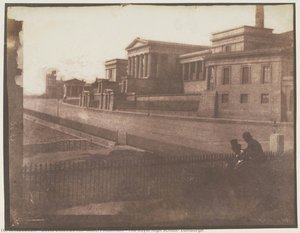
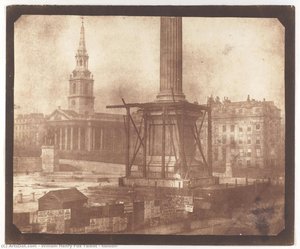
David Octavius Hill and Robert Adamson's "Edinburgh. The Scott Monument," captured in 1845, isn’t merely a photograph; it’s a meticulously crafted tableau vivant, a frozen moment of ambition and civic pride rendered with the nascent magic of early photography. This remarkable image, now housed within the Metropolitan Museum of Art, offers a captivating glimpse into a pivotal era of artistic experimentation and Scottish identity. The scene unfolds against the imposing silhouette of Walter Scott's monument under construction – a towering testament to the celebrated author’s legacy – set against the dramatic backdrop of Edinburgh’s skyline. The photograph isn’t simply documenting progress; it’s imbued with a palpable sense of anticipation, as if capturing the very breath held by those witnessing this grand undertaking.
Hill and Adamson's collaboration was a truly unique partnership, blending Hill’s artistic eye – honed through years of landscape painting – with Adamson’s scientific precision in mastering the calotype process. This technique, allowing for multiple prints from a single negative, demanded an acute understanding of light and shadow, a skill brilliantly demonstrated here. The image is dominated by a cool, almost melancholic palette; the grey stone of the monument contrasts sharply with the muted blues and greys of the sky, creating a sense of depth and solidity. The figures in the foreground – workmen, onlookers, and even a few elegantly dressed gentlemen – are rendered with remarkable sensitivity, their postures and expressions hinting at the diverse reactions to this monumental project.
A Window into Victorian Edinburgh
To fully appreciate “Edinburgh. The Scott Monument,” one must understand the context of 1845. Victorian Scotland was a nation grappling with industrialization, social change, and a fervent desire to celebrate its literary heritage. Walter Scott’s works had profoundly shaped the national identity, and his monument represented a bold statement of cultural significance. Hill & Adamson's photograph serves as both a record of this construction and a reflection of Edinburgh’s vibrant urban life. The inclusion of everyday people amidst the grand scale of the monument highlights the shared experience of witnessing this historical event – a microcosm of society observing an act of civic grandeur.
The composition itself is masterful, employing a carefully considered perspective to draw the viewer into the scene. Hill’s artistic training shines through in the subtle use of leading lines and atmospheric effects. The photograph isn't simply a snapshot; it’s a deliberate arrangement designed to evoke emotion and convey a specific narrative. Notice how the monument dominates the frame, asserting its presence while simultaneously inviting contemplation. The placement of the figures creates a sense of movement and dynamism, suggesting that this is not a static image but rather a fleeting moment captured in time.
The Alchemy of Light and Shadow
Technically, “Edinburgh. The Scott Monument” represents a significant achievement for Hill & Adamson – and indeed, for early photography as a whole. They were pioneers in utilizing the calotype process to create images with remarkable detail and tonal range. The subtle gradations of grey, achieved through careful manipulation of light and exposure, are particularly noteworthy. This masterful control over light is what gives the photograph its depth and atmosphere – it’s not just a representation of the scene; it's an *interpretation* of it.
The image’s enduring appeal lies in its ability to transport us back to 1845, allowing us to experience the sights, sounds, and emotions of Victorian Edinburgh. It is a testament to the artistic vision of Hill & Adamson, their technical skill, and their remarkable sensitivity to human subjects and the beauty of the natural world. Reproductions of this iconic photograph offer a tangible connection to a bygone era, inviting viewers to contemplate the legacy of Walter Scott and the enduring power of photography as an art form.
Symbolism and Emotional Resonance
Beyond its technical brilliance, “Edinburgh. The Scott Monument” is rich in symbolism. The monument itself represents ambition, national pride, and a desire to immortalize a literary giant. The figures surrounding it embody the diverse elements of Edinburgh society – from the laborers building the structure to the wealthy patrons observing the progress. The photograph captures not just a physical construction but also a cultural moment, reflecting the aspirations and values of Victorian Scotland.
The overall mood is one of quiet contemplation and restrained excitement. There’s a sense of history in the making, a feeling that this monumental project will forever alter the landscape of Edinburgh. The photograph evokes a powerful emotional response – a mixture of awe, admiration, and perhaps even a touch of melancholy, as we recognize the fleeting nature of time and the enduring power of memory. It's a poignant reminder of the beauty and complexity of human experience, captured with remarkable skill and sensitivity by two extraordinary artists.
関連作品



![Rev. Peter Jones [kahkew?quon?by] — David Octavius Hill & Robert Adamson, Romanticism](/media/artworks/images-thumb/cf/5f/cf5ffc65093ee959d92afd6f9daf5719.jpg)
作家の略歴
A Pioneering Vision: The Collaborative World of Hill & Adamson
The story of David Octavius Hill and Robert Adamson is a remarkable chapter in the nascent history of photography, a testament to artistic vision blossoming within the constraints of early technological innovation. Active for a mere four years – from 1843 to 1847 – this Scottish partnership nonetheless laid foundational stones for photographic art, producing a body of work that resonates with both technical ingenuity and profound human sensitivity. Their collaboration wasn’t simply about documenting reality; it was about *interpreting* it, imbuing the newly accessible medium with an artistic sensibility previously reserved for painting. Hill, already an established painter and secretary to the Royal Scottish Academy, brought a compositional eye honed by years of landscape and portraiture. Adamson, a young chemist with a scientific precision, mastered the intricacies of the calotype process, allowing their combined talents to flourish in Edinburgh’s burgeoning artistic climate.From Disruption to Discovery: The Genesis of a Partnership
The catalyst for this extraordinary collaboration was, perhaps surprisingly, religious upheaval. In 1843, Scotland witnessed the dramatic Disruption of the Church of Scotland, as ministers protested against state interference in ecclesiastical affairs. Hill, deeply moved by the event, embarked on an ambitious project: a monumental painting depicting the signing of the Deed of Demission – the document outlining the ministers’ secession. Faced with the daunting task of accurately portraying hundreds of individuals, he sought a solution that transcended traditional sketching methods. It was Sir David Brewster who suggested employing the recently invented calotype process, and introduced Hill to Robert Adamson. Initially skeptical, Hill quickly recognized the potential of photography not merely as a tool for replication, but as an art form in its own right. Adamson’s technical expertise, coupled with Hill's artistic direction, proved a potent combination. Their studio at Rock House became a hub of activity, attracting a diverse array of sitters – from prominent figures within the Free Church to everyday laborers and fishermen.Calotypes and Character: A Rembrandt-esque Approach
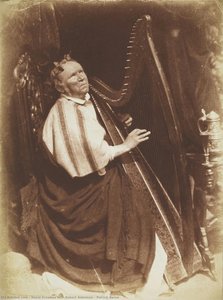
Hill & Adamson’s calotypes are distinguished by their remarkable quality, often described as possessing a “Rembrandt-esque” luminosity. This wasn't accidental. Hill, with his painterly background, carefully orchestrated each composition, utilizing dramatic lighting and evocative props to create images that were far more than simple likenesses. He understood the power of chiaroscuro – the interplay of light and shadow – to reveal character and emotion. Their portraits weren’t static representations; they captured fleeting moments of personality, a sense of inner life. The *Newhaven Fishwives*, for example, is not merely a documentation of working-class women; it's a poignant portrayal of resilience, dignity, and the hardships of their existence. Similarly, their portrait of Patrick Byrne playing the harp exudes an atmosphere of contemplative artistry. This ability to infuse their calotypes with psychological depth set them apart from other early photographers, establishing a new standard for photographic portraiture.A Legacy Forged in Light: Influence and Enduring Significance
The untimely death of Robert Adamson in 1848 brought the partnership to an abrupt end. Hill continued to work with photography, but the magic of their collaboration was irreplaceable. Despite its brevity, the impact of Hill & Adamson’s work was profound. They demonstrated that photography could be a vehicle for artistic expression, challenging prevailing notions about the medium's capabilities. Their calotypes influenced generations of photographers, inspiring them to explore the aesthetic possibilities of light, composition, and subject matter. Today, their images are held in esteemed collections worldwide, including the Scottish National Gallery and the Metropolitan Museum of Art, serving as a powerful reminder of their pioneering spirit and enduring artistic legacy. They weren’t simply documenting a moment in time; they were *creating* art with it, forever altering the course of photographic history. Their work remains a testament to the power of collaboration and the transformative potential of embracing new technologies within an established artistic framework.Exploring Their World
- Scottish National Gallery: Discover a comprehensive collection of Hill & Adamson’s calotypes, showcasing their mastery of portraiture and landscape photography.
- The Metropolitan Museum of Art: Explore essays and analyses that delve into the historical context and artistic significance of their work.
- Wikipedia: Gain a broader understanding of Hill & Adamson’s lives, techniques, and lasting impact on the world of photography.
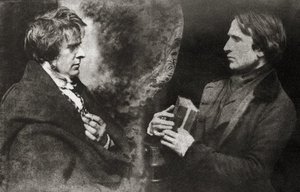
David Octavius Hill & Robert Adamson
1802 - 1848

