

 プレビュー
プレビュー
 プリントを購入
 シェアする
シェアする シェアする
シェアする
 詳細を見る
詳細を見る

 ダウンロード
 似ている作品
 X線調査
X線調査 スライドショー
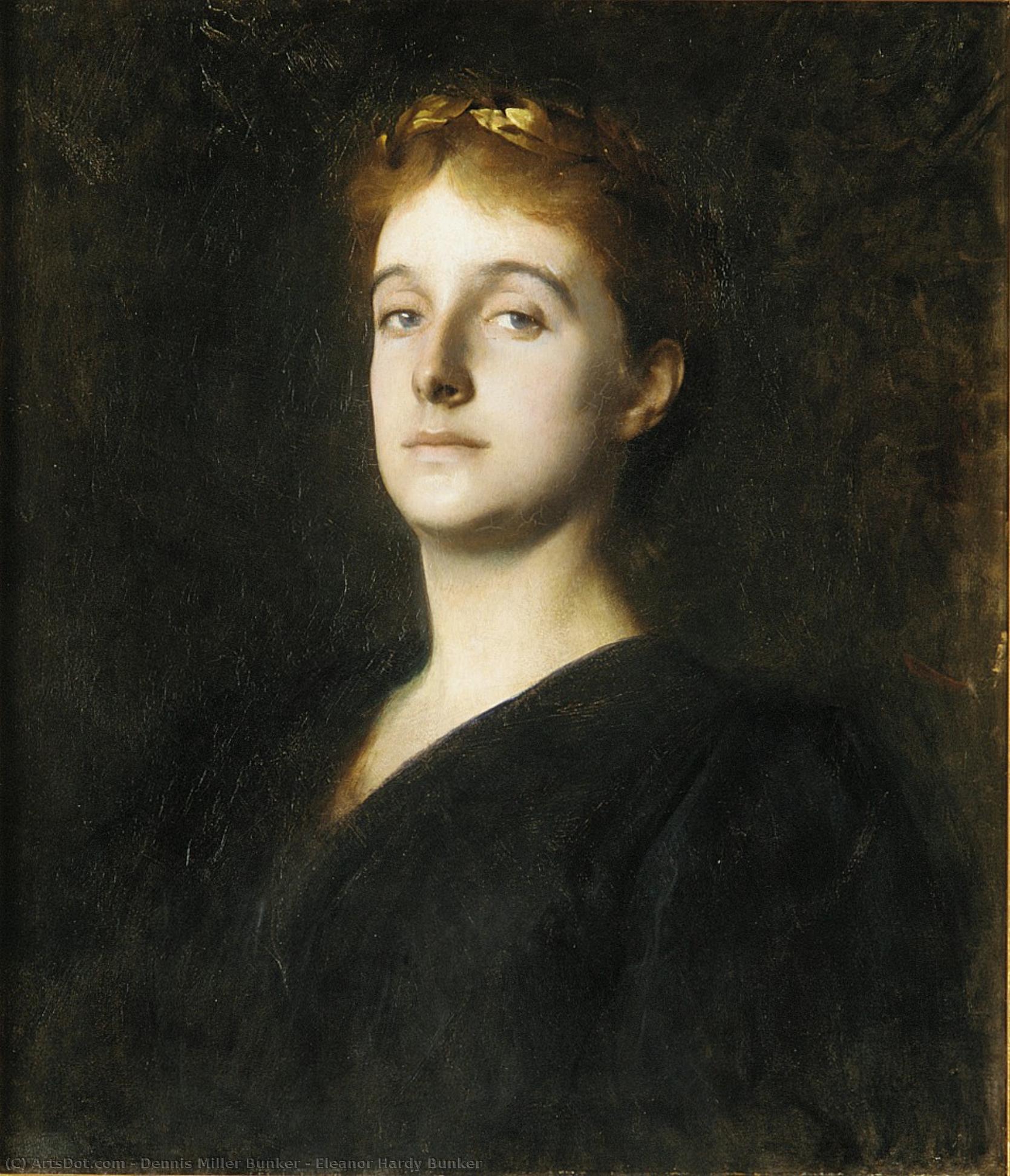
Eleanor Hardy Bunker
 Oil On Canvas
- WallArt
- American Impressionism
 1890
1890 61.0 x 53.0 cm
 メトロポリタン美術館
 詳細を見る
詳細を見る
オンラインプレビューをはるかに凌ぐ、高解像度で鮮明なデジタル画像をご購入いただけます。
各ファイルは、社内の専門家が高度なツールと熟練した手作業によるレタッチを用いて、細心の注意を払って準備されています。すべての画像において、卓越した鮮明度、正確な色彩再現性、そして繊細なディテールを保証いたします。
最終ファイルは、プロフェッショナルな編集・印刷環境ですぐにご利用いただけるよう最適化された状態で、72時間以内にメールにてお届けいたします。これは、一流のデザインスタジオ、出版社、ギャラリーから信頼されているものと同等の品質です。
デジタル画像のご注文に付随する特典
高品質なデジタル画像配信を、確かな品質で。
ArtsDot.com を選ぶことは、単に画像を手に入れることではありません。それは、プロの手によって精密に仕上げられ、満足保証が付いた高品質なデジタルアートワークを受け取ることを意味します。ご注文いただいた際に自動的に付随する内容は、以下の通りです:

メールですぐにお届け
ご注文から72時間以内に、高解像度のデジタル画像ファイルがメールでお手元に届きます。すぐにそのままご利用いただけます。

AI技術で最適化されたデジタルファイル
お客様の作品は、高度なAIツールと専門家による手作業の編集を組み合わせてプロフェッショナルに最適化されており、細部のディテール、鮮明さ、そして正確な色再現性を最大限に引き出しています。

一生涯無料の再送サービス
ファイルを誤って削除したり、紛失してしまったりしましたか?ご安心ください。いつでも無料で再送いたします。

輸入手数料は一切かかりません
関税や手数料、配送料を気にすることなく、お気に入りのアートワークをすぐにお楽しみいただけます。デジタルダウンロードは常に免税です。

色彩再現の保証
プロ仕様のツールとカラーマネジメント技術を用いることで、デジタル画像が元の色を最大限に忠実に再現することを保証いたします。

100日間満足保証
ご購入いただいたデジタル画像にご満足いただけない場合は、100日以内であれば、理由を問わず修正または100%の返金対応をさせていただきます。

100% 返金保証
ご満足いただけない場合は、デジタルファイルを受け取ってから100日以内であれば、理由を問わず全額返金いたします。

まとめ買い割引
3枚購入で10%OFF - 5枚購入で15%OFF - 10枚以上購入で20%OFF。クリエイティブなプロジェクト、ギャラリー、エージェンシーに最適です。
A Glimpse of Victorian Grace: Eleanor Hardy Bunker
Dennis Miller Bunker’s “Eleanor Hardy Bunker,” painted in 1890 just months before his untimely death, is more than a portrait; it's a poignant distillation of late 19th-century American Impressionism and the burgeoning Aesthetic movement. The canvas captures Eleanor Hardy, not as a static subject, but as a woman imbued with quiet dignity and an unspoken melancholy – a testament to the fleeting beauty Bunker so meticulously sought to capture on canvas. The painting’s enduring appeal lies in its ability to evoke a sense of intimacy, inviting viewers into a private moment frozen in time.
Style and Technique: A Harmonious Blend
Bunker's style is immediately recognizable as a sophisticated blend of influences. He drew heavily from the Barbizon School’s emphasis on capturing light and atmosphere, evident in the soft, diffused lighting that washes over Eleanor’s face and dress. Yet, he departs significantly from traditional academic portraiture through his loose brushwork, vibrant color palette, and focus on conveying mood rather than strict realism. Notice how he employs broken color—small, distinct strokes of paint layered to create a shimmering effect—particularly in the fabric of her gown, suggesting movement and texture without resorting to detailed rendering. The composition itself is carefully balanced, with Eleanor’s slightly turned body creating a dynamic asymmetry that draws the eye across the canvas. Bunker's use of complementary colors – the blues and greens of her dress contrasted against the warmer tones of the background – further enhances the painting’s visual harmony.
Historical Context: The Aesthetic Movement and Boston Society
“Eleanor Hardy Bunker” was created during a period of significant artistic and social change in America. The late 1880s witnessed the rise of the Aesthetic movement, which championed beauty as an end in itself, rejecting traditional notions of art’s purpose. This philosophy profoundly influenced artists like Bunker, who sought to capture not just likeness but also the emotional essence of their subjects. The painting is deeply rooted in Boston society—a vibrant hub of artistic and intellectual activity at the time. Eleanor Hardy herself was a prominent figure, known for her intelligence, charm, and social connections. Her marriage to Charles Adams Platt, an architect and designer associated with Stanford White and Augustus Saint-Gaudens, further underscores the painting’s connection to the city's elite circles. The inclusion of the architectural background—a subtle nod to Platt’s profession—adds another layer of meaning, suggesting a harmonious blend of art and design.
Symbolism and Emotional Resonance
Beyond its technical brilliance, “Eleanor Hardy Bunker” is rich in symbolic detail. Eleanor's direct gaze, seemingly challenging the viewer, speaks to her strength and independence. The subtle sadness in her expression hints at a life touched by loss—a poignant reflection of Bunker’s own premature death. The carefully chosen details – the delicate lace collar, the simple yet elegant dress – contribute to the painting’s overall sense of understated elegance. It's important to note that this portrait was created shortly after Bunker’s marriage and just before his death; it is a beautiful encapsulation of a fleeting moment in time, imbued with both joy and melancholy. The collaboration between Bunker, architect Stanford White, and the Society of American Artists highlights the collaborative spirit of the Aesthetic age, where artistic production involved multiple disciplines.
This reproduction offers a remarkable opportunity to experience the beauty and emotional depth of this iconic work by Dennis Miller Bunker – a testament to his brief but brilliant career.
関連作品


作家の略歴
A Fleeting Glimpse of Brilliance: The Life and Art of Dennis Miller Bunker
Dennis Miller Bunker, a name perhaps less immediately recognized than those of his contemporaries like Sargent or Cassatt, nevertheless occupies a pivotal position in the narrative of American Impressionism. His tragically short life – he succumbed to meningitis at just twenty-nine years old – belies an artistic output brimming with innovation and sensitivity, a testament to a talent that burned intensely but briefly. Born in New York City in 1861, Bunker’s path toward becoming a significant painter was nurtured by a supportive family background; his father held a position with the Union Ferry Company, while his mother came from a lineage of artistic inclination through her brother, the celebrated illustrator Sol Eytinge Jr. This early exposure to creative pursuits undoubtedly played a role in shaping young Dennis's aspirations. He formally began his training at the Art Students League and the National Academy of Design in 1876, laying a foundation steeped in academic tradition that would later be beautifully disrupted by his embrace of more modern techniques.From Barbizon to Brilliance: Artistic Development and Influences
Bunker’s artistic journey was marked by a constant evolution, a willingness to absorb influences and synthesize them into something uniquely his own. A crucial period in this development came with his travels to Paris in 1882, where he studied at the École nationale supérieure des beaux-arts under Jean-Léon Gérôme. However, it wasn’t within the confines of the studio that Bunker truly found his artistic voice. Rather, it was during excursions through France and Brittany alongside fellow artists Charles A. Platt and Kenneth R. Cranford that he encountered the Barbizon school – a group renowned for their direct observation of nature and naturalistic approach to painting. This exposure proved transformative, instilling in Bunker a deep appreciation for *plein air* painting and a commitment to capturing the subtleties of light and atmosphere. His early works reflected this influence, often depicting marine subjects like beached boats with meticulous detail honed through preparatory sketches. Yet, even within these academic exercises, hints of his future direction were emerging. The Brittany period (1883-1884) saw a shift towards softer atmospheric effects and tonal subtleties in scenes featuring church spires, cemetery crosses, and solitary trees against expansive skies. Upon returning to America, Bunker’s landscapes, particularly those painted in South Woodstock, Connecticut, began to demonstrate a bolder palette and more saturated colors – clear indicators of his burgeoning Impressionistic leanings. A pivotal friendship with John Singer Sargent further accelerated this transition; Sargent's influence encouraged Bunker to embrace brighter hues and looser brushwork, pushing him towards a style that was both innovative and deeply personal.Recognition and a Patron’s Embrace
Bunker’s talent did not go unnoticed by the art community. He was elected to the Society of American Artists in 1885, a significant acknowledgment of his growing reputation. That same year marked another milestone: his first solo exhibition at Noyes and Blakeslee Gallery in Boston. Simultaneously, he secured a teaching position at the Cowles Art School in Boston, where he served as chief instructor of figure and cast drawing, artistic anatomy, and composition from 1885 to 1889. This period allowed him to refine his skills while also imparting knowledge to aspiring artists. However, perhaps one of the most impactful relationships of Bunker’s career was his connection with Isabella Stewart Gardner, a prominent art collector and patroness. Gardner recognized Bunker's exceptional talent and became a valuable friend and supporter, providing both financial assistance and encouragement. This patronage allowed him greater artistic freedom and contributed to his ability to explore new avenues in his work. His 1890 exhibition at the St. Botolph Club in Boston showcased his evolving Impressionistic landscapes, further solidifying his position as a rising star within the American art world.A Lasting Legacy: Bunker’s Place in Art History
Though his life was cut short, Dennis Miller Bunker left an indelible mark on late 19th-century American art. He stands as a key figure in the development of American Impressionism, skillfully bridging traditional academic training with emerging modern artistic trends. His ability to seamlessly blend Barbizon influences with the vibrant energy of Impressionism resulted in works that are both technically masterful and emotionally resonant. The memorial exhibition held at the St. Botolph Club in 1891, shortly after his death, served as a poignant tribute to his talent and helped cement his legacy within the art community. His work continues to inspire artists today, demonstrating a transition from academic realism to Impressionistic techniques that paved the way for future generations to explore new modes of expression. Bunker’s paintings are not merely representations of landscapes or portraits; they are evocative glimpses into a fleeting moment in time, imbued with a sense of atmosphere and emotion that transcends their subject matter. He remains a testament to the power of artistic vision and the enduring impact of a life dedicated to beauty, even one tragically abbreviated.
Dennis Miller Bunker
1861 - 1890