

 プレビュー
プレビュー
 シェアする
シェアする シェアする
シェアする
 詳細を見る
詳細を見る

 ダウンロード
 似ている作品
 X線調査
X線調査 スライドショー
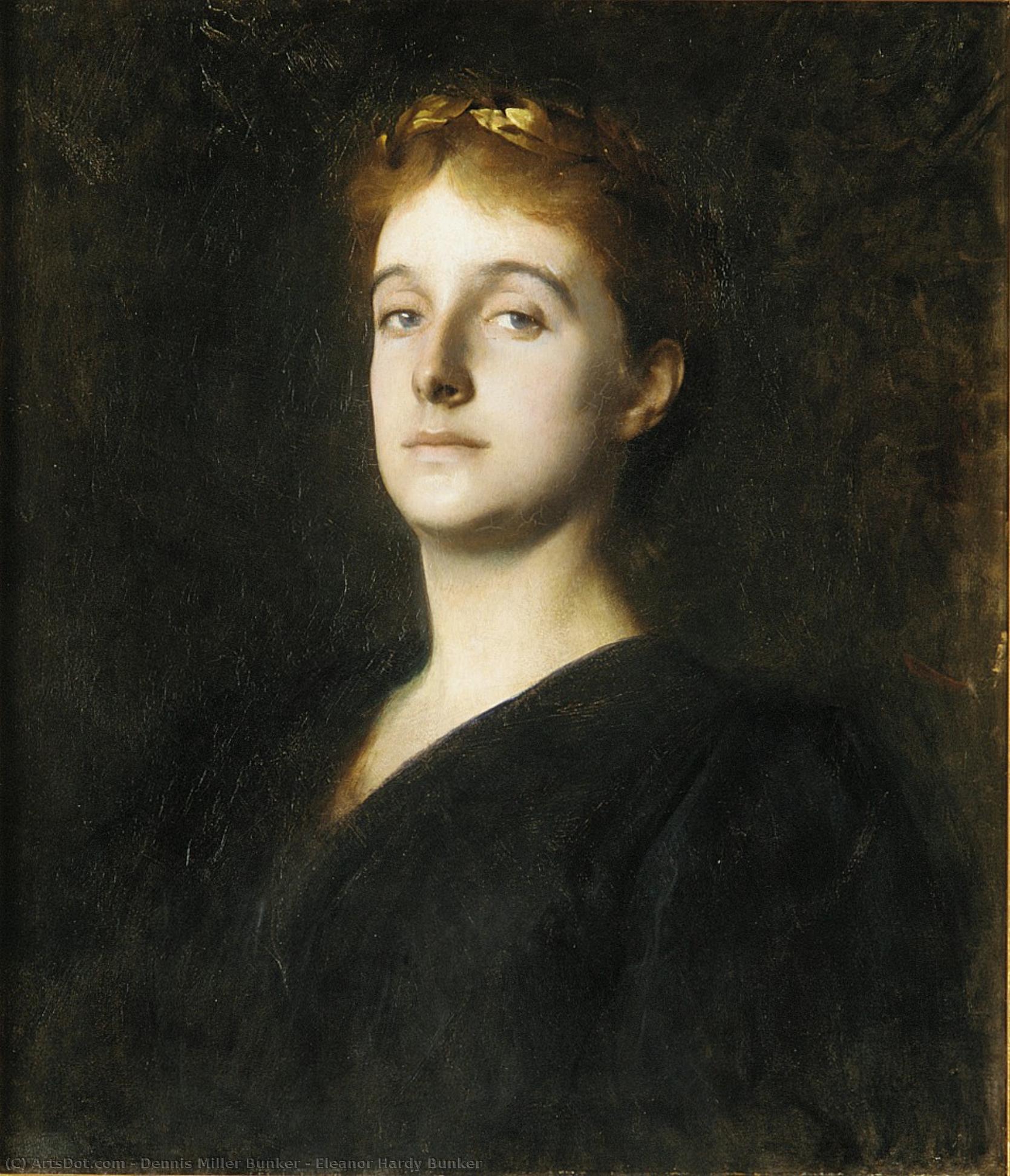
Eleanor Hardy Bunker
 Oil On Canvas
- WallArt
- American Impressionism
 1890
1890 61.0 x 53.0 cm
 メトロポリタン美術館
 詳細を見る
詳細を見る
ジークレー/アートプリント
迅速な制作と多彩な仕上げオプションを備えた、ミュージアムクオリティのジークレーまたはキャンバスプリント。 ( 手描きの絵画を購入 画像を購入)




P118B $10

P118H $10

P118W $10

P438Z $10

P508JH $12

P508YH $12

P805H $10

P805Z $10

P919BZ $10

P919G $10

P919XJ $10

P959ZH $10

P968JZ $12

W106C $8

W218G $10

W218JH $8

W218Y $10

W307PJ $10

W316G $10

W316PJ $8

W316Y $10

W398PJ $8

W4111J $10

W500HY $15

W500JH $15

W692G $12

W849H $8

W940BG $15

W953PJ $8




作品のオリジナル比率に合わせた、当店の規定サイズからお選びください。

特定のフレームやスペースに合わせて、ご自身でサイズを指定することも可能です。選択されたサイズが元の画像の比率と一致しない場合、作品をトリミングするか、鏡面反射または単色での塗りつぶしによって画像を拡張いたします。制作を開始する前に、ご確認用のデジタルモックアップをお送りいたします。
画面上のプレビューには、実際のトリミングや拡張は反映されませんのでご注意ください。最終的な構図を正確に確認できるのは、モックアップのみとなります。
カスタムサイズも承っておりますが、元の比率を維持するためには、あらかじめ用意されたリストからサイズを選択することをお勧めいたします。


 ガラスオプションは、110cm未満のサイズでのみご利用いただけます。

Eleanor Hardy Bunker
ジークレー/アートプリント
複製画のサイズ
-


合計金額
$ 62
A Glimpse of Victorian Grace: Eleanor Hardy Bunker
Dennis Miller Bunker’s “Eleanor Hardy Bunker,” painted in 1890 just months before his untimely death, is more than a portrait; it's a poignant distillation of late 19th-century American Impressionism and the burgeoning Aesthetic movement. The canvas captures Eleanor Hardy, not as a static subject, but as a woman imbued with quiet dignity and an unspoken melancholy – a testament to the fleeting beauty Bunker so meticulously sought to capture on canvas. The painting’s enduring appeal lies in its ability to evoke a sense of intimacy, inviting viewers into a private moment frozen in time.
Style and Technique: A Harmonious Blend
Bunker's style is immediately recognizable as a sophisticated blend of influences. He drew heavily from the Barbizon School’s emphasis on capturing light and atmosphere, evident in the soft, diffused lighting that washes over Eleanor’s face and dress. Yet, he departs significantly from traditional academic portraiture through his loose brushwork, vibrant color palette, and focus on conveying mood rather than strict realism. Notice how he employs broken color—small, distinct strokes of paint layered to create a shimmering effect—particularly in the fabric of her gown, suggesting movement and texture without resorting to detailed rendering. The composition itself is carefully balanced, with Eleanor’s slightly turned body creating a dynamic asymmetry that draws the eye across the canvas. Bunker's use of complementary colors – the blues and greens of her dress contrasted against the warmer tones of the background – further enhances the painting’s visual harmony.
Historical Context: The Aesthetic Movement and Boston Society
“Eleanor Hardy Bunker” was created during a period of significant artistic and social change in America. The late 1880s witnessed the rise of the Aesthetic movement, which championed beauty as an end in itself, rejecting traditional notions of art’s purpose. This philosophy profoundly influenced artists like Bunker, who sought to capture not just likeness but also the emotional essence of their subjects. The painting is deeply rooted in Boston society—a vibrant hub of artistic and intellectual activity at the time. Eleanor Hardy herself was a prominent figure, known for her intelligence, charm, and social connections. Her marriage to Charles Adams Platt, an architect and designer associated with Stanford White and Augustus Saint-Gaudens, further underscores the painting’s connection to the city's elite circles. The inclusion of the architectural background—a subtle nod to Platt’s profession—adds another layer of meaning, suggesting a harmonious blend of art and design.
Symbolism and Emotional Resonance
Beyond its technical brilliance, “Eleanor Hardy Bunker” is rich in symbolic detail. Eleanor's direct gaze, seemingly challenging the viewer, speaks to her strength and independence. The subtle sadness in her expression hints at a life touched by loss—a poignant reflection of Bunker’s own premature death. The carefully chosen details – the delicate lace collar, the simple yet elegant dress – contribute to the painting’s overall sense of understated elegance. It's important to note that this portrait was created shortly after Bunker’s marriage and just before his death; it is a beautiful encapsulation of a fleeting moment in time, imbued with both joy and melancholy. The collaboration between Bunker, architect Stanford White, and the Society of American Artists highlights the collaborative spirit of the Aesthetic age, where artistic production involved multiple disciplines.
This reproduction offers a remarkable opportunity to experience the beauty and emotional depth of this iconic work by Dennis Miller Bunker – a testament to his brief but brilliant career.
関連作品



関連記事

Capturing a Nation's Light: Exploring the American Impressionist Movement
Explore the captivating world of American Impressionism! Discover key artists, techniques & its lasting impact on art history. Find museum-quality reproductions and expert guidance at ArtsDot.
Lilla Cabot Perry: Pioneering American Impressionism & Society Portraiture
Discover Lilla Cabot Perry (1848-1933), a pioneering American Impressionist painter. Explore her captivating portraits of Boston society, Monet's influence, and lasting legacy in art history. Learn more at ArtsDot.
Frederick Childe Hassam: American Impressionism's Chronicler of Light & Modern Life
Explore the captivating world of Frederick Childe Hassam, a pioneer of American Impressionism. Discover his iconic paintings capturing light, urban life & coastal beauty. Learn about his legacy and influence on American art history.

Grant Wood & American Regionalism: Identity, Myth & the Rural Landscape
Explore the world of Grant Wood & American Regionalism with ArtsDot. Discover the symbolism behind 'American Gothic', recurring themes, and the movement's lasting impact on art history. High-quality reproductions available.

Herman Armour Webster: Capturing Atmospheric Light in American Impressionism
Explore the captivating world of Herman Armour Webster, an American Impressionist master. Discover his Parisian influences, unique style, and lasting legacy with ArtsDot.